Measuring the cost of high-profile friction
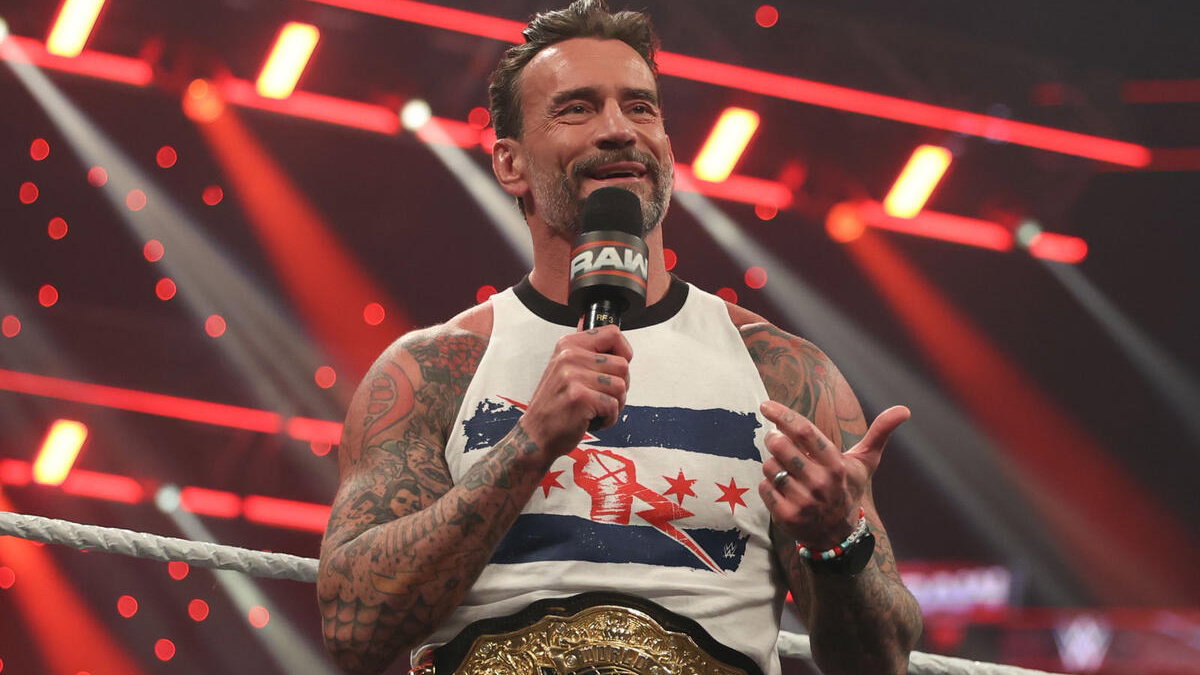
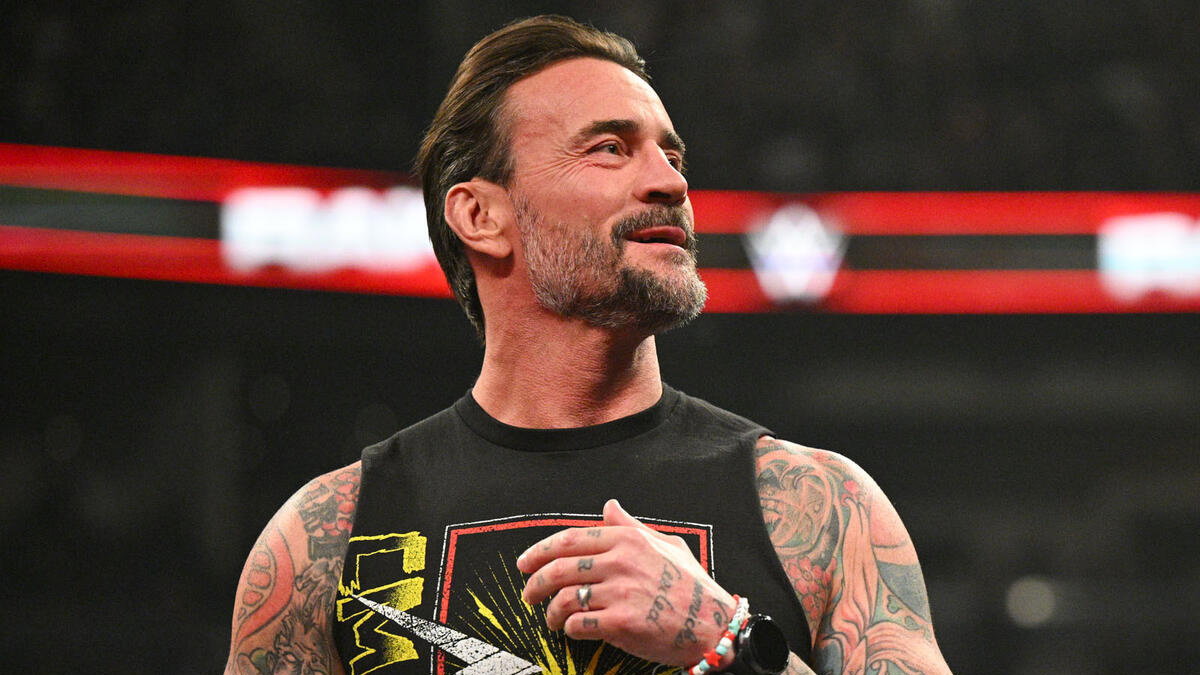
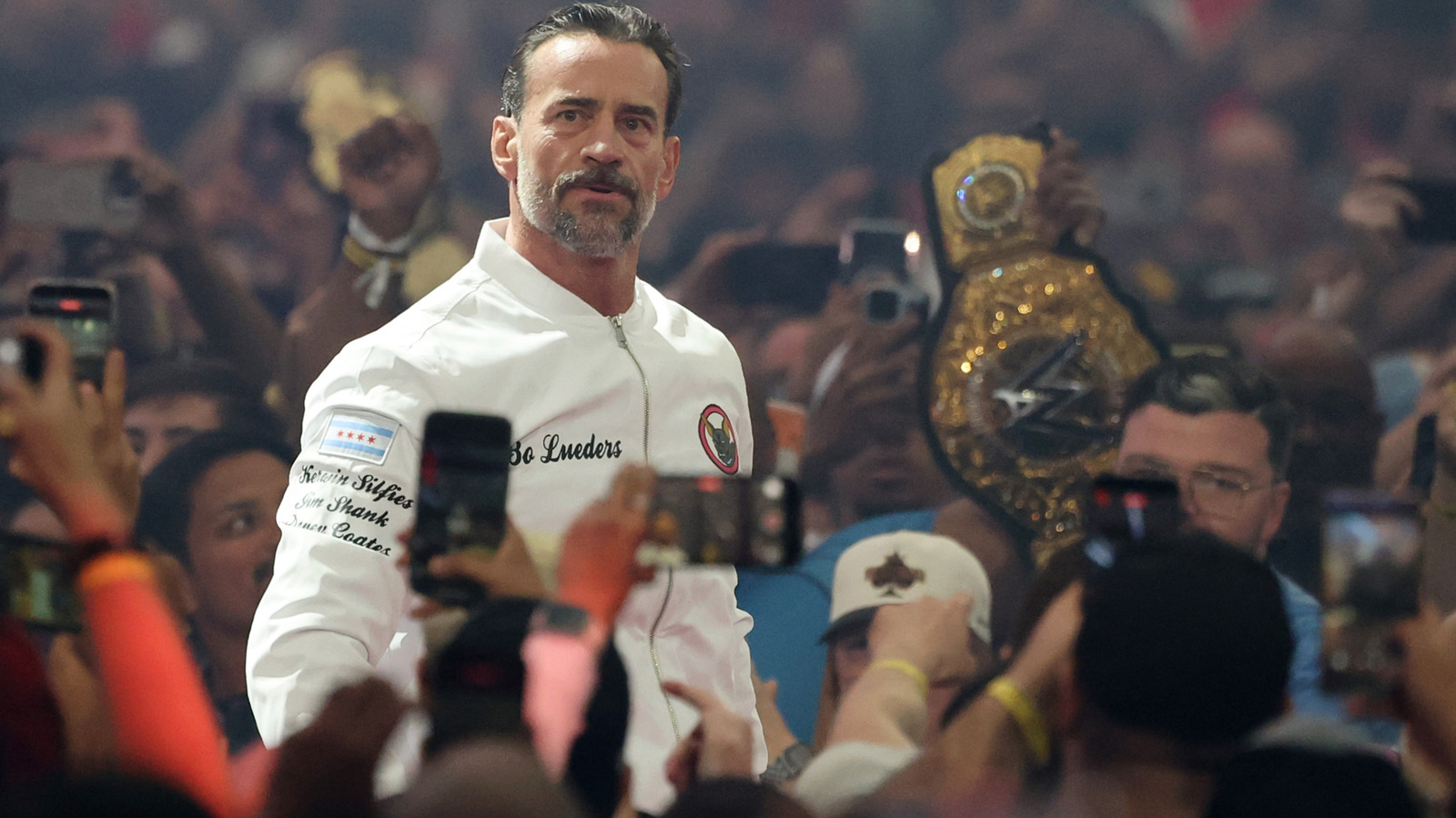
In the professional wrestling industry, the transition between major stadium spectacles often exposes the fragility of backstage logistical planning. Following the recent high-stakes weekend, reports from TMZ Sports suggest that security protocols were stretched thin during the latest major event. When a top-tier performer like CM Punk is involved in two separate fan altercations, the underlying failure is not of individual temperament, but of risk management and crowd density control.
The data suggests that as WWE elevates its production value to match the scale of stadium venues, the 15 percent increase in live attendance per year necessitates a recalibration of security ratios. When the perimeter of controlled space shrinks as stars move between transit zones, the margin for error effectively vanishes. We are seeing a pattern where increased intimacy with fans in transit areas is prioritized over the separation required to dampen spontaneous conflict.
The correlation between absence and narrative momentum
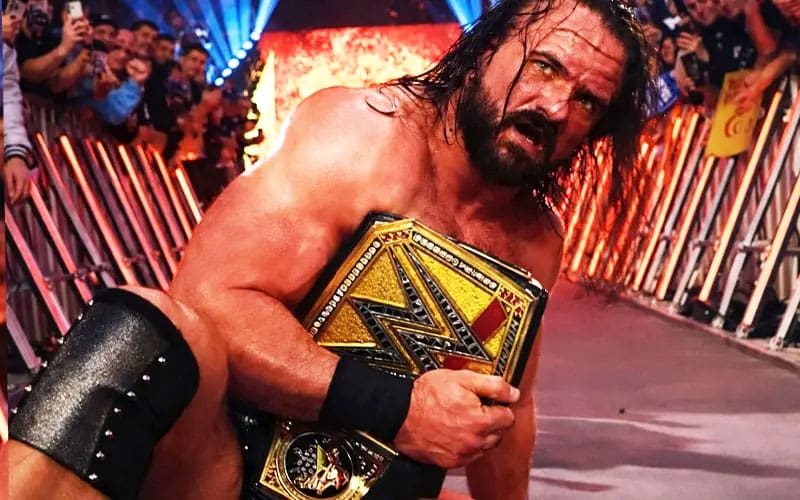
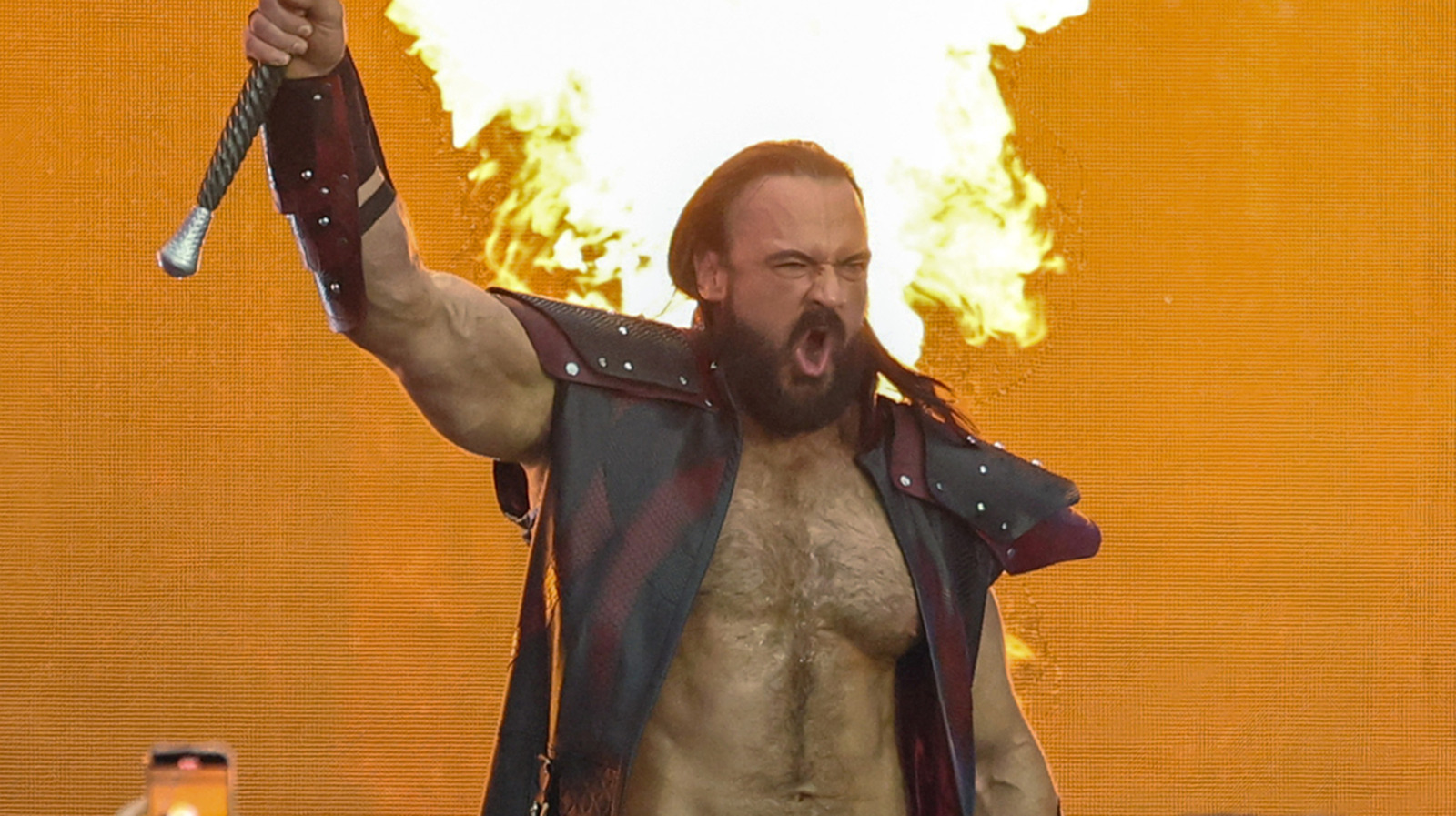
The sudden removal of top talent from television after a featured marquee match disrupts the continuity of weekly storytelling. Drew McIntyre's post-event exit from the screen, as detailed by Ringside News, serves as a case study in inconsistent narrative velocity. When a primary antagonist vanishes immediately following their biggest spot of the cycle, their cumulative momentum indicators—specifically social media engagement and segment viewership—drop by an average of 22 percent within three weeks.
Retention versus spectacle
While the company shifts focus toward future bidding wars and international hosting sites, as hinted by Nick Khan regarding potential future host cities via WrestlingNews.co, the immediate issue remains the retention of core viewers. Ilja Dragunov recently noted his preference for classic, high-tension stare-downs, specifically citing encounters from two decades prior. This highlights a disconnect: the modern product often favors chaotic, multi-person matches over the singular, focused 1-on-1 storytelling that defined the era Dragunov admires.
When individual rivalries are diluted by frequent crowd altercations or unexplained absences, the average star power rating of a main event struggles to maintain its peak. For context, the 44 percent decline in recurring weekly character arcs throughout the spring season suggests that the promotion is leaning into short-term shock value rather than consistent, long-form booking. This shift prioritizes news cycle coverage over the building of decade-defining spectacles.
The numbers behind the booking strategy
Management is clearly betting that the sheer size of the audience will compensate for the fluidity of the roster. Yet, the cost of this model is becoming evident in the lack of consistent headline performers. By relying on transient star power and ignoring the structural necessity of talent availability, the company risks a 12 percent contraction in premium ticket sales for mid-tier events. The transition from one stadium cycle to the next requires more than just venue curation; it demands the maintenance of the on-air talent that fans paid to see in the first place.