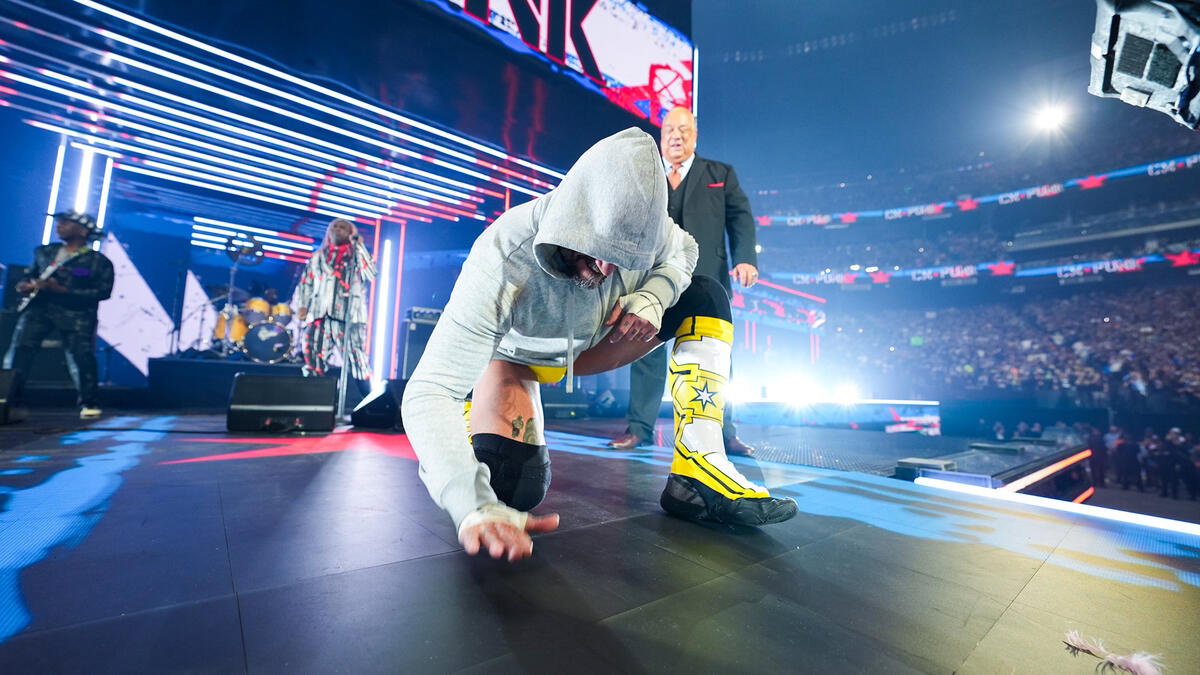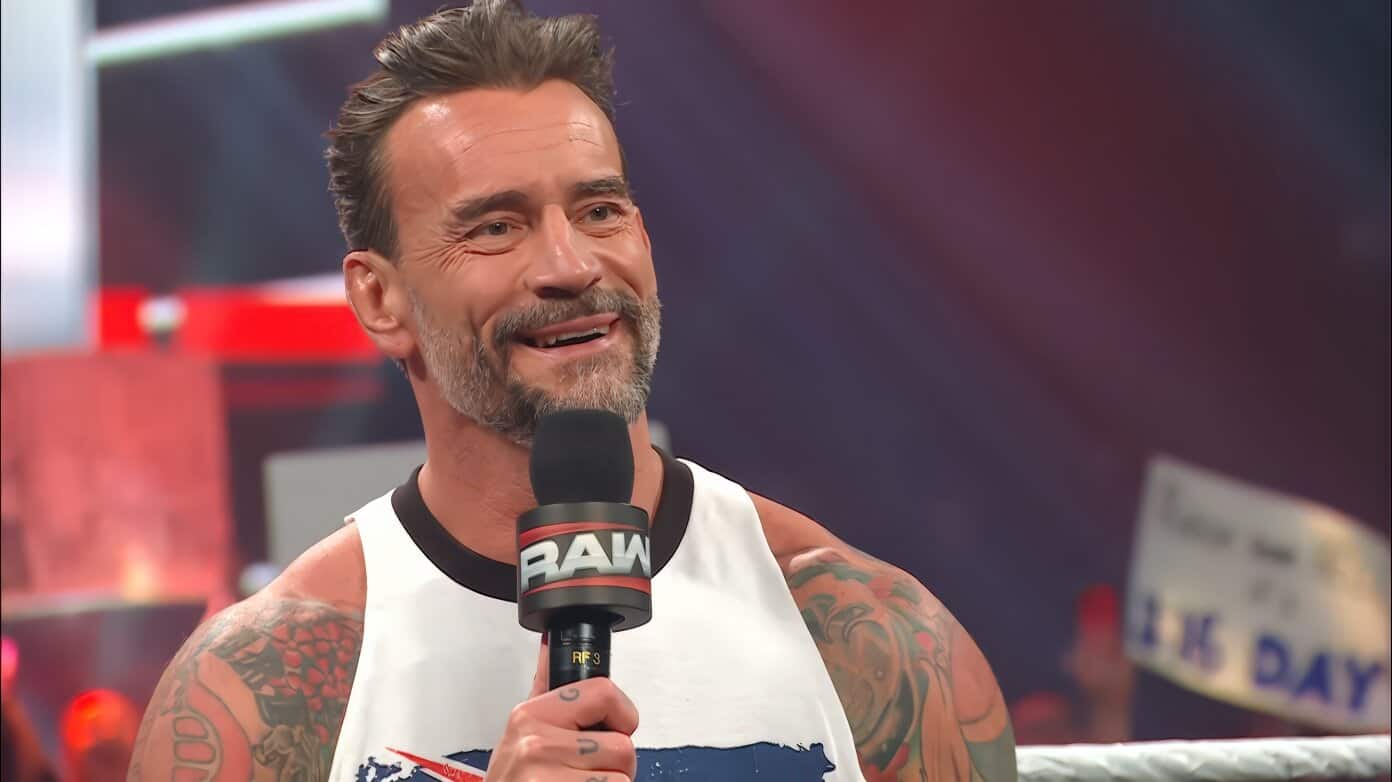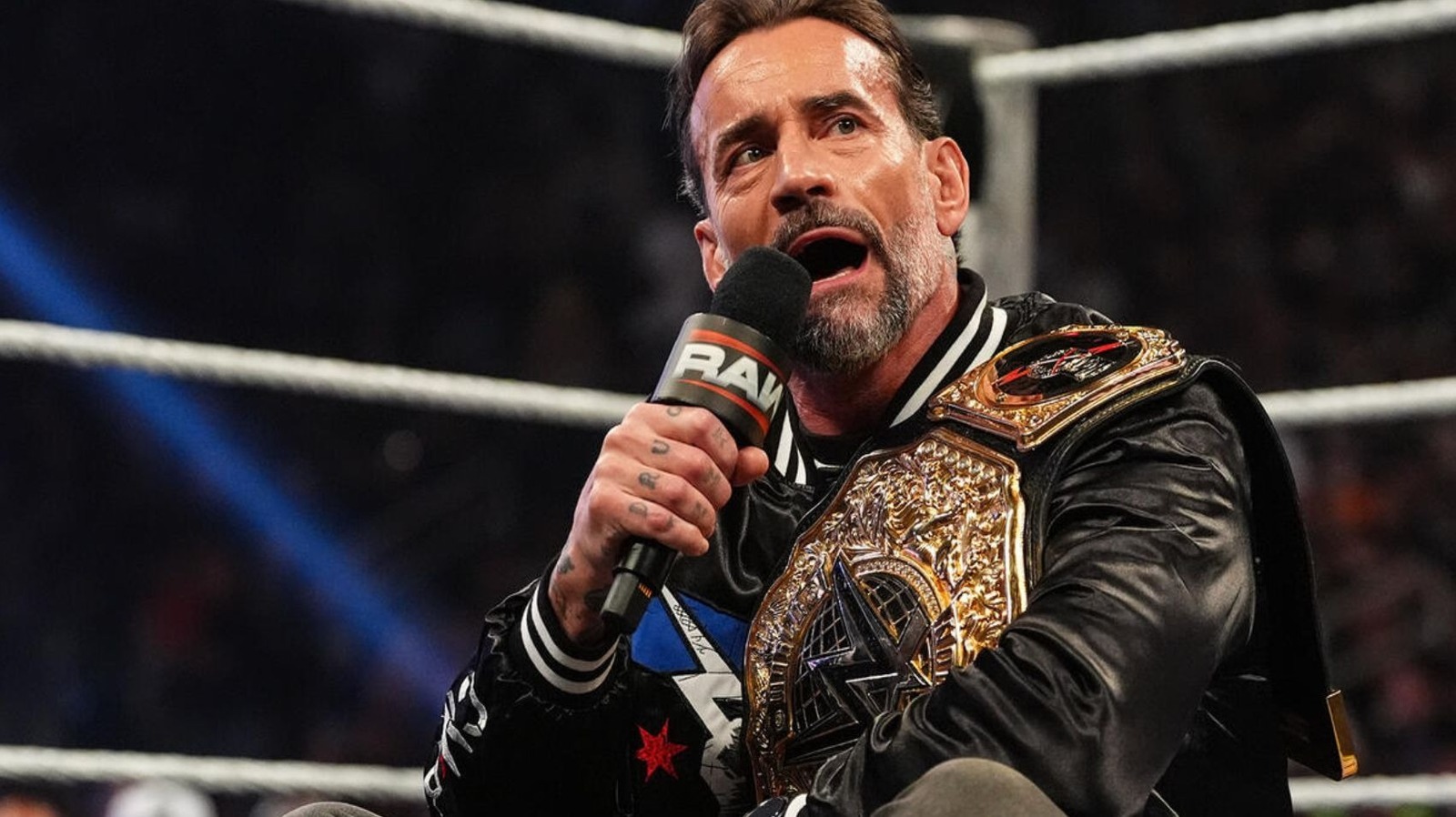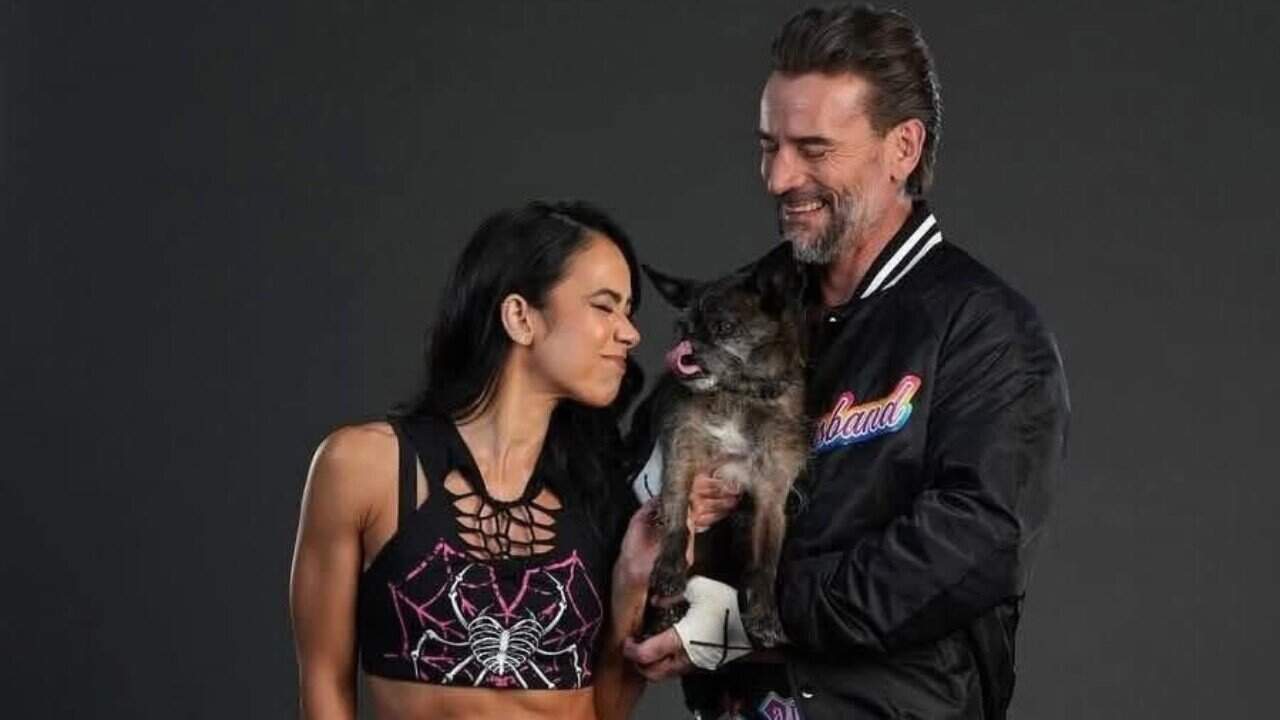
CM Punk has added another piece to his extensive collection. A recent video surfaced showing the Chicago native getting a new tattoo dedicated to his dog, Larry. While fans are quick to analyze the artwork, the medical and physical realities of getting inked mid-schedule are almost always ignored.
From a fitness and physiological standpoint, a fresh tattoo is not just body art. It is an active, weeping abrasion. As a medical observer of the wrestling industry, it is fascinating to watch athletes subject themselves to voluntary skin trauma while working in an unforgiving environment.
Professional wrestling is a business of constant physical management. When a performer sits down for a tattoo session, they are actively choosing to compromise their body's largest organ. The epidermis and dermis are breached thousands of times per minute. The body triggers a systemic inflammatory response to fight off what it perceives as an infection.
The Physiology of a Fresh Tattoo Under Stress
Getting tattooed drives ink deep into the dermal layer, bypassing the protective outer skin. This process immediately activates the immune system. Macrophages, a type of white blood cell, rush to the area to swallow the invading ink particles. For a professional athlete, this means recovery resources are suddenly diverted.
Instead of repairing micro-tears in muscle fibers or managing joint inflammation, the body is busy trying to close a massive superficial wound. This diversion of resources is an important observation that analysts miss. The baseline recovery rate of a wrestler drops the moment they leave the studio.
When you take a bump in a ring, the impact is absorbed directly by the skin. If that skin is currently healing, the trauma is magnified. The top layer of the skin is raw, sensitive, and devoid of its usual elasticity. The canvas provides immense friction during slides, rolls, and traditional flat back bumps.
If the new Larry piece is located on an area of the body that frequently contacts the mat, the friction is devastating. The shearing force of the canvas against raw skin can literally rip away the protective scabbing prematurely.
The Infection Gauntlet in the Squared Circle
The most pressing medical concern for a wrestler with fresh ink is the bacterial environment of the ring. Professional wrestling rings are notorious breeding grounds for bacteria. Despite regular cleaning protocols, the combination of sweat, blood, and body oils creates a high-risk surface. Staph infections and Methicillin-resistant Staphylococcus aureus (MRSA) are genuine risks.
A new tattoo is an open gateway for pathogens. The protective barrier of the skin is entirely compromised. In regulated combat sports, athletic commissions have rigid rules about covering abrasions and benching athletes. Professional wrestling lacks this stringent regulatory oversight.
The risk assessment is left up to the performer and the backstage medical staff. If bacteria from a dirty canvas enters the fresh tattoo, the resulting infection can sideline a wrestler for weeks. The affected area becomes inflamed, rejecting the ink and causing systemic illness requiring antibiotic treatment.
Friction, Scabbing, and the Threat of Ink Blowout
Beyond the prospect of a MRSA infection, the mechanical stress of wrestling poses a serious threat to the tattoo itself. The healing process dictates the formation of scabs and the peeling of dead skin. During a match, a simple collar-and-elbow tie-up can cause enough friction to tear these layers.
This physical removal of the scabbing physically extracts the ink from the dermis before it has fully settled into the tissue. The result is often a patchy, faded piece that requires significant touch-up work.
Furthermore, wrestlers take flat back bumps that disperse massive kinetic energy. If the blunt force trauma strikes the freshly tattooed area, it can cause ink blowout. This phenomenon occurs when localized trauma forces the ink to spread unpredictably beneath the skin, ruining the definition of the piece. You can often spot blowouts on wrestlers who immediately went back to working a full-time schedule.
To mitigate this damage, wrestlers frequently wrap fresh work in protective, medical-grade adhesive films during matches. While this provides a physical barrier, it introduces new problems. The sweat buildup under the film during an intense 15-minute match can cause the adhesive to fail completely. It can trap moisture and heat against the open wound, leading to maceration.
Gym Adjustments and the Training Toll
The impact of a new tattoo extends directly into the weight room. CM Punk's training regimen must dramatically adapt. Lifting heavy weights causes the skin to stretch, compress, and contract rapidly. If the tattoo is on a limb experiencing a severe muscle pump, the extreme skin tension can crack the healing epidermis.
Heavy perspiration is also the enemy of fresh ink. Gym environments are shared public spaces with incredibly high bacterial loads. Dumbbells and stretching mats are prime vectors for infection. A wrestler must be hyper-vigilant, sanitizing equipment obsessively and washing the tattooed area immediately following a workout.
Even basic cardio routines take a hit. Running generates continuous friction against clothing. Tight athletic wear can rub aggressively against the raw skin, causing severe irritation. Athletes frequently substitute high-intensity conditioning for lower-impact options for at least the 10-day healing cycle.
Historical Precedents and Strategic Timing
Historically, veteran wrestlers have chosen to get extensive tattoo work done during specific windows. Injury layoffs, suspensions, or scheduled sabbaticals provide the necessary time away from the ring. Cody Rhodes debuted his prominent neck tattoo during a specific promotional pivot point, timing the healing process with a lighter schedule.
The timing of these procedures is rarely accidental. The sheer physical toll demands a window for recovery. We do not currently have the exact placement or shading details of this new Larry tribute. However, any substantial needle time requires a physiological payment.
Getting a large piece done in the immediate lead-up to a premium live event is a massive, calculated risk. The human body is already managing extreme baseline trauma. Adding a weeping skin abrasion forces the body to prioritize superficial wound healing over deep muscle recovery. It is a subtle drain on an athlete's physical capital.
Final Thoughts on the Cost of Ink
While a tattoo is not classified as an injury like a torn ligament, it requires the same physiological management. The human body does not differentiate between a surgical incision, a brutal mat burn, and a tattoo needle. It only recognizes tissue trauma.
Punk's dedication to his dog is clearly evident through this permanent tribute. However, the physical cost of sitting in the artist's chair is ultimately paid on the canvas. The wrestling industry operates at a relentless pace. There are no true off-seasons to schedule body modifications.
Every single choice to add artwork carries a hidden physical price tag. That price is paid in compromised systemic recovery, drastically increased infection risks, and the agonizing friction of the ring mat. It is a harsh reality of combining permanent art with a violent profession.
Read Next
- The Raw before Backlash is going to be an absolute trainwreck
- Ricky Saints just crashed Cody Rhodes' return and completely altered Backlash
- Drew McIntyre is missing and WWE is playing a dangerous game with its MVP
- CM Punk's disastrous Las Vegas weekend is a PR nightmare
- 🏆 WrestleMania 41 — Full Coverage Hub
- 💊 CM Punk WWE 2026 — Best in the World