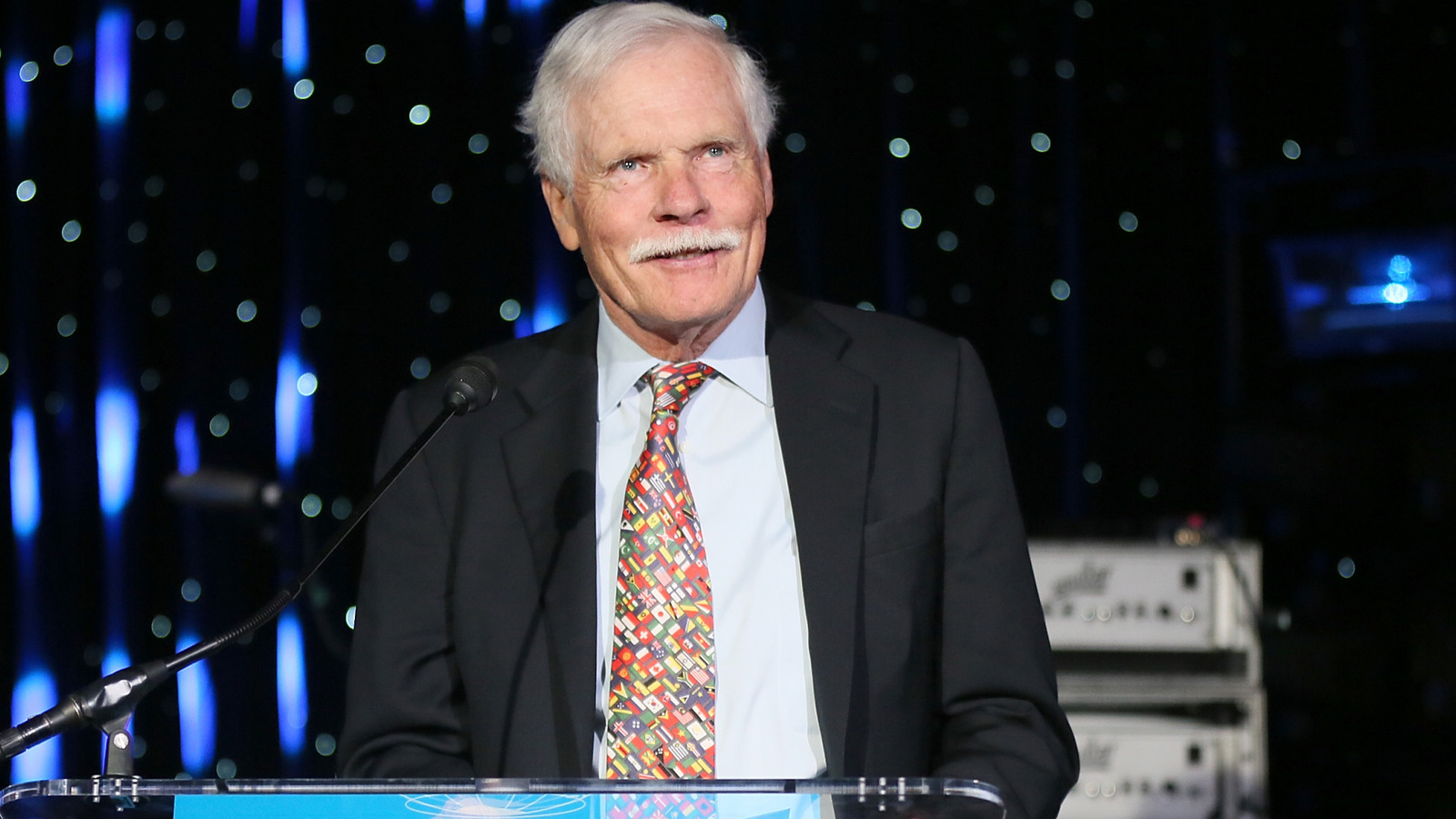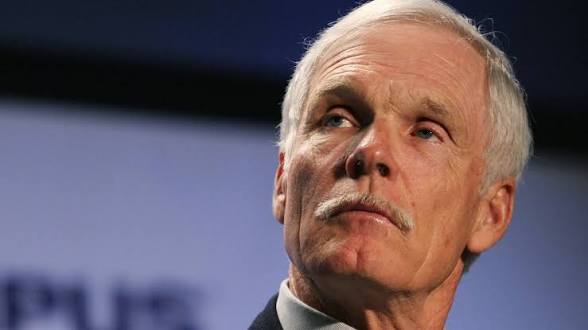
The industry reels: Ted Turner passes away at 87
The landscape of professional wrestling shifted permanently on May 6, 2026. Ted Turner, the media mogul who transformed the industry by bankrolling the rise of World Championship Wrestling, has passed away. His influence is inescapable, having sparked the Monday Night Wars during the 1990s by providing the financial muscle required to challenge the industry status quo.
As reported by PWTorch, Turner’s tenure as an owner forced every competitor to sharpen their creative and business acumen. Before the arrival of WCW on the national stage, wrestling operated as a series of regional fiefdoms. Turner turned the promotion into a global player almost overnight, setting a record for investment in human capital that remains a subject of study today.
Reflecting on the legacy of the Monday Night Wars
The impact of Turner’s decisions is currently being processed throughout the business. Industry names who cut their teeth under the WCW banner are vocalizing the weight of this loss. As noted by Ringside News, the outpouring of sentiment confirms that his influence extended well beyond ratings and revenue streams. He fundamentally changed the psychology of what a wrestling promotion could achieve.
History shows that Turner’s willingness to take risks directly accelerated the creative evolution of the 1990s. Without his competitive drive, the industry would have lacked the necessary counterweight to ensure constant innovation. The pressure he applied forced his rivals to abandon tired booking formulas and adopt more aggressive, character-driven narratives.
Strategic implications for today’s promotions
Current observers are noting how Turner’s aggressive expansion paved the way for modern talent compensation models. He didn’t just buy wrestling; he professionalized the acquisition of top-tier talent. By luring stars away from established promotions with guaranteed contracts, he effectively created the current market expectations for wrestlers at every level.
However, this strategy had a significant downside that critics often cite. By prioritizing short-term gains and talent hoarding, WCW eventually created a bloated middle-card that stalled long-term developmental growth. The lack of sustainable internal structures eventually contributed to the company’s decline when the initial momentum cooled.
Contextualizing the void left behind
While the business side is absorbing the news, the talent currently active on television is reacting as well. The industry is navigating this period of mourning while balancing the upcoming schedule, including the imminent high-stakes event at WWE Backlash. It is a strange dissonance for the product to continue as if nothing has occurred while a foundational pillar of its history is gone.
Is the current industry built for long-term health, or is it still riding the habits popularized by the Turner era? The reliance on high-cost talent acquisition continues to mirror 1997 tactics. The challenge for modern promoters is to maintain competitive intensity without repeating the budgetary overreach that marked the final years of the Turner-funded WCW.
The era of 1996 to 1998 stands as the ultimate case study in why Turner changed the game. He proved that deep-pocketed ownership could rewrite the rules of performance. Yet, the $60 million operating losses in the late 90s provide a cautionary tale that many in boardrooms today have seemingly forgotten. He created a model that was both a triumph of ambition and a warning against reckless spending.
We remain in a period where the industry is mourning a man who never stepped into the ring but dictated every move. The coming months will likely see testimonials that reframe his contributions. It is fair to say that every wrestling fan watching today is witnessing a product that looks completely different because of decisions made in a television boardroom thirty years ago.
Some analysts suggest the industry has yet to fully move beyond the shadow of the Monday Night Wars. Turner’s life serves as a stark reminder that legacy in this business is built on conflict. The industry will move on, but the template for how we consume, discuss, and evaluate wrestling remains anchored in his era.