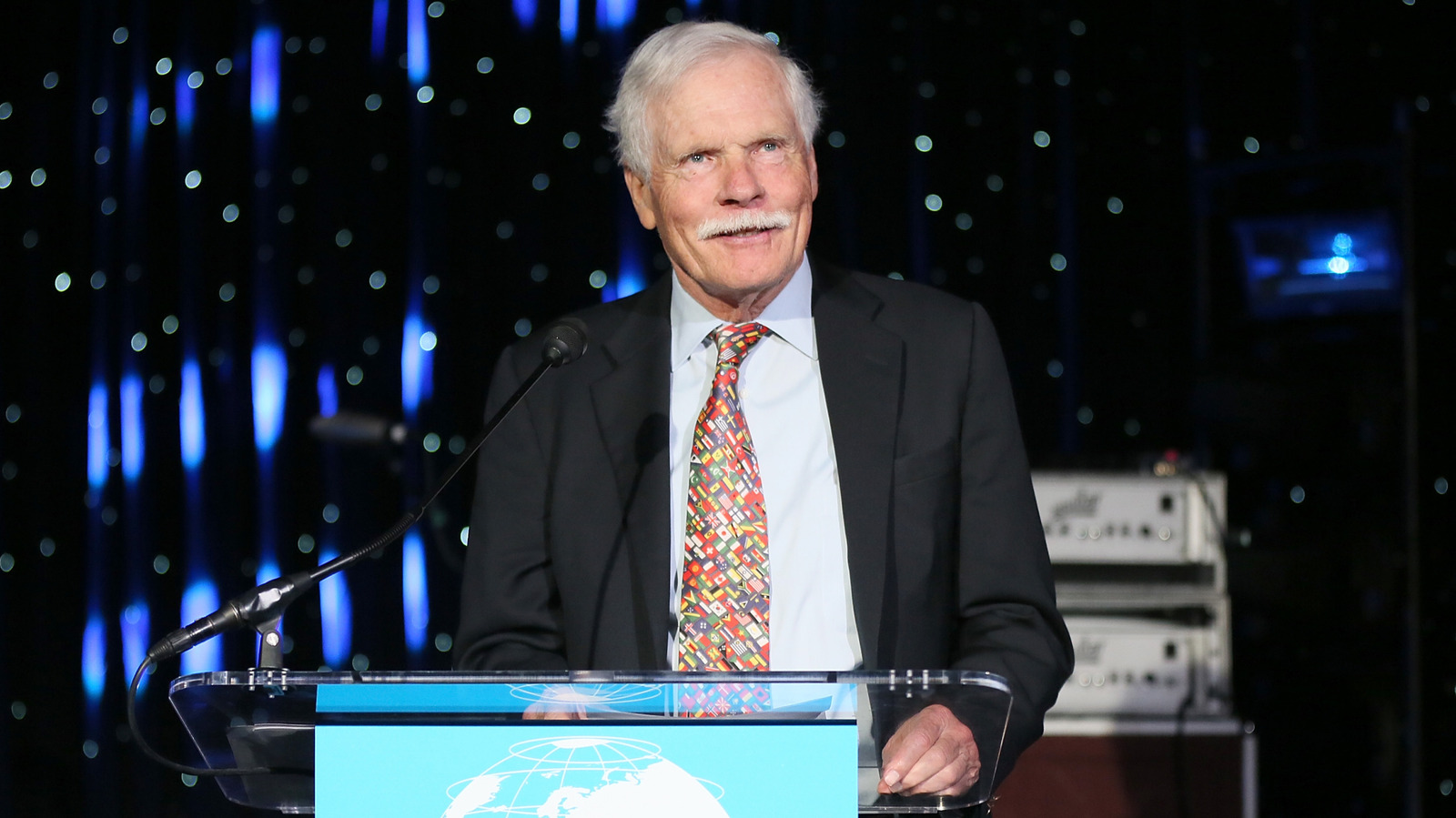
The death of a reluctant wrestling pioneer
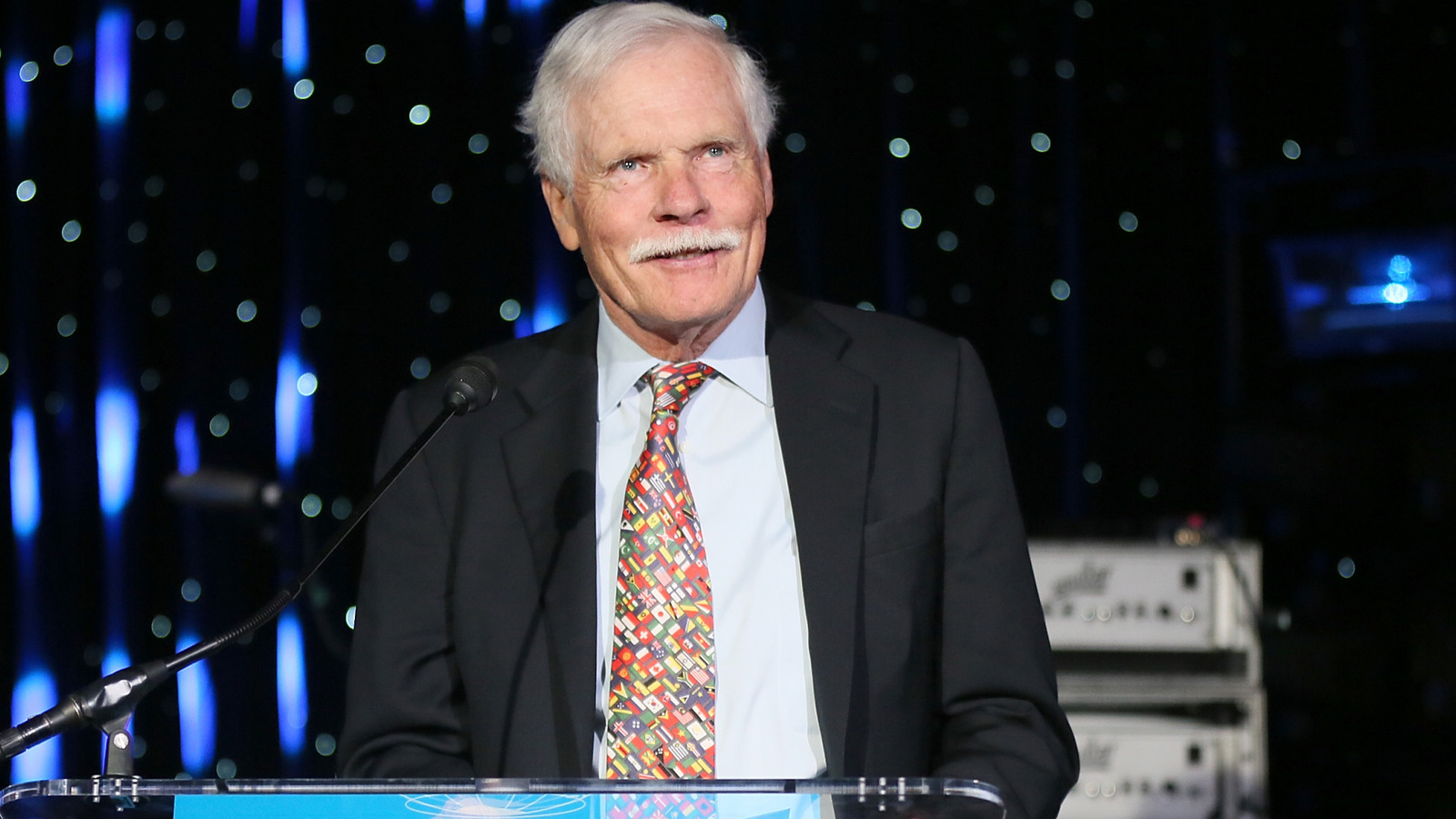
The news dropped right in the middle of a frantic Friday. Ted Turner passed away today at 87 years old. We are exactly 24 hours out from WWE Backlash 2026, a premium live event streaming globally to millions of fans. Tomorrow night will feature heavily scripted promos, LED barricades, and sterile, perfected production values. None of that modern television presentation exists without the man from Cincinnati who looked at southern studio wrestling and saw a cheap way to fill airtime.
Turner was never a wrestling mark. He was a television executive. In the 1970s, he figured out that bouncing a local broadcast off the RCA Satcom 1 satellite could turn a tiny Atlanta channel into a national powerhouse. He needed programming that was reliable, cheap to produce, and had a built-in, loyal audience. Georgia Championship Wrestling fit the bill perfectly.
Black Saturday and the fight for control
To understand Turner’s tactical approach to the wrestling business, you have to look at July 14, 1984. Vince McMahon had quietly paid roughly one million dollars to buy out the GCW timeslot on SuperStation WTBS. McMahon thought he had conquered the southern wrestling market in one swoop, expecting to feed his taped, slow-paced WWF matches to a national audience.
Instead, he gave Turner a boring product that immediately alienated the local viewers. The rating plummeted. The southern fans wanted Gordon Solie calling fast-paced tag matches, not McMahon screaming over squash matches taped three weeks prior in Allentown. Turner was furious that he wasn't consulted on the sale. He actively undermined McMahon's programming by bringing competing wrestling promotions onto the same network. This saturated the market and deliberately crashed McMahon's ratings until McMahon was forced to sell the slot back to Jim Crockett just to recoup his losses.
We tend to romanticize Turner's subsequent ownership of World Championship Wrestling, but the reality is much bleaker. When Turner purchased JCP in 1988 to prevent the promotion from going under, he saved hundreds of jobs. However, his hands-off management style created a bureaucratic nightmare behind the scenes.
The corporate incompetence of early WCW
The early 1990s in WCW were a masterclass in corporate mismanagement. This is the darkest mark on Turner’s wrestling legacy. He allowed executives with zero wrestling knowledge, primarily Jim Herd, to run the promotion into the ground. Herd infamously wanted Ric Flair to shave his head, wear an earring, and call himself Spartacus.
It was an embarrassingly bad period that actively damaged the credibility of the NWA world title lineage. Flair eventually walked out in 1991 with the Big Gold Belt, a direct result of the toxic environment Turner’s executives created. You cannot praise Turner for funding the Monday Night War without criticizing him for allowing suits to blindly mismanage the roster for half a decade.
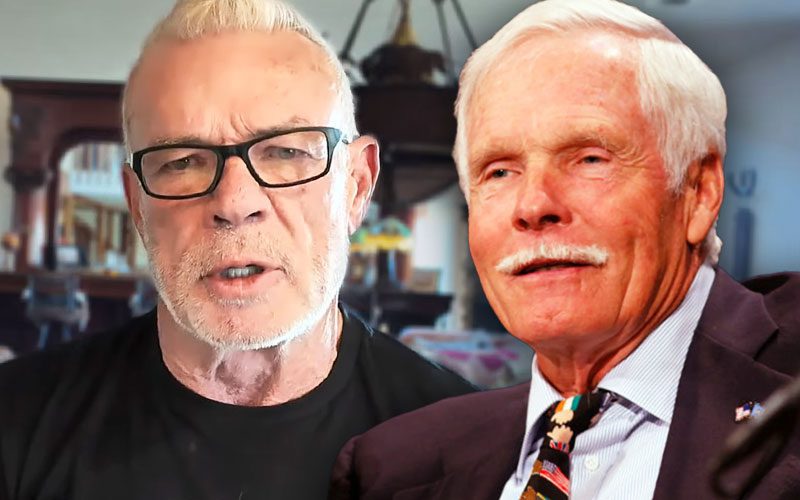
But then came 1995. Eric Bischoff pitched a live Monday night show to compete directly with Monday Night Raw. Turner didn't ask deep philosophical questions about ring psychology. He just asked Bischoff what he needed to get it done. The launch of Monday Nitro at the Mall of America in September 1995 completely altered the trajectory of the wrestling business.
Forcing an industry to accelerate
Before Nitro, televised wrestling was a tedious affair. You had three weeks of squash matches building to a pay-per-view. Nitro forced the industry into a live, weekly, chaotic format. If you didn't deliver a main event quality match on free television, the audience simply pressed the button on their remote control.
Much like a high-pressing football manager forcing the entire league to play out from the back, Turner’s money forced the WWF to abandon their slow, methodical build. Turner provided the canvas and the checkbook. The famous streak of 83 consecutive weeks of ratings dominance was funded by a media mogul who understood that live sports-entertainment was DVR-proof before DVRs even existed.
While WWF pushed giant, immobile heavyweights, Turner's blank checks allowed Bischoff to fly in Rey Mysterio Jr., Eddie Guerrero, and Dean Malenko. The breathless 15-minute wrestling clinics that opened Nitro broadcasts were a direct result of Turner opening his wallet to Mexican and Japanese talent pools.
The downfall of WCW is equally tied to Turner's broader corporate gambles. The AOL Time Warner merger cost Turner his absolute control over the network. When he lost his power within his own company, wrestling lost its only protector. Executives like Jamie Kellner looked at the declining ratings and massive budget deficits of 2000-era WCW and simply pulled the plug. They saw a bad line item on a balance sheet, completely ignorant of the cultural footprint.
The echoes in 2026
It is deeply ironic that AEW currently airs on TBS and TNT. Tony Khan is essentially renting the house that Turner built. Every time you see a Dynamite graphic featuring the TBS logo, it is a ghost of 1998. The stylistic differences remain stark. The modern AEW matches on TBS directly mirror the frantic pacing of the WCW cruiserweight division. The influence of WCW's presentation lives on in how AEW lights their arenas and books their main events. Tomorrow night at Backlash, WWE will present a hyper-polished, meticulously timed broadcast. Every camera cut will be planned. It is the exact opposite of the chaotic, unscripted energy that defined Turner's WCW at its peak.
The wrestling world is reacting en masse today, but the reality of the business keeps moving. In other news floating around the periphery today, the legal system quietly processed a grim incident from the independent scene. Raja Jackson pleaded no contest to a felony battery charge stemming from a violent attack on Syko Stu at a Knokx Pro Wrestling event. It is the ugly, gritty reality of the independent wrestling scene, contrasting sharply with the billion-dollar boardrooms of Turner's media era.
And in WWE, we received a hint about a returning star making her way back to the division.
"I don't think we've heard the last of Carmella in the realm of pro wrestling."
Corey Graves dropped that line today. It is a minor note on a day dominated by massive historical reflection, but it serves as a reminder that the WWE machine never stops humming, always looking toward the next return pop.
WWE controls the historical narrative now. They own the WCW tape library. They produce the documentaries. They often paint Turner as an out-of-touch billionaire who tried to buy his way to the top and failed because he lacked McMahon's creative vision. That is a convenient fiction.
The Prediction
Turner used wrestling to build a media empire, and when that empire outgrew him, it discarded wrestling like trash. That is the tragic arc of WCW. As we head into Backlash tomorrow, and look further down the calendar to AEW Double or Nothing on May 24, my prediction is simple.
The wrestling industry is heading for another massive media rights contraction. The television bubble that Turner helped inflate in the 1990s, which led directly to today's billion-dollar streaming deals, will burst within the next five years. Streaming platforms will realize they are overpaying for weekly content, and we will see a brutal return to the leaner, meaner survival tactics of the 1980s. Turner's era of throwing endless blank checks at professional wrestling is officially dead, and the upcoming global contract cycles will prove it beyond a shadow of a doubt.