The end of the Turner era
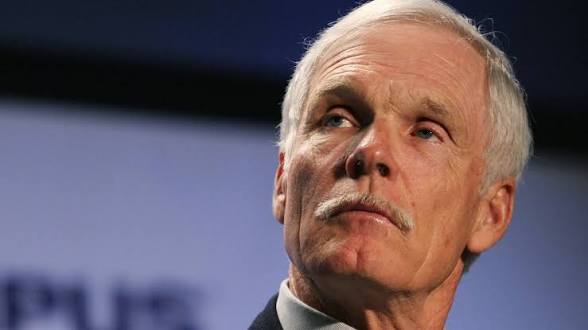
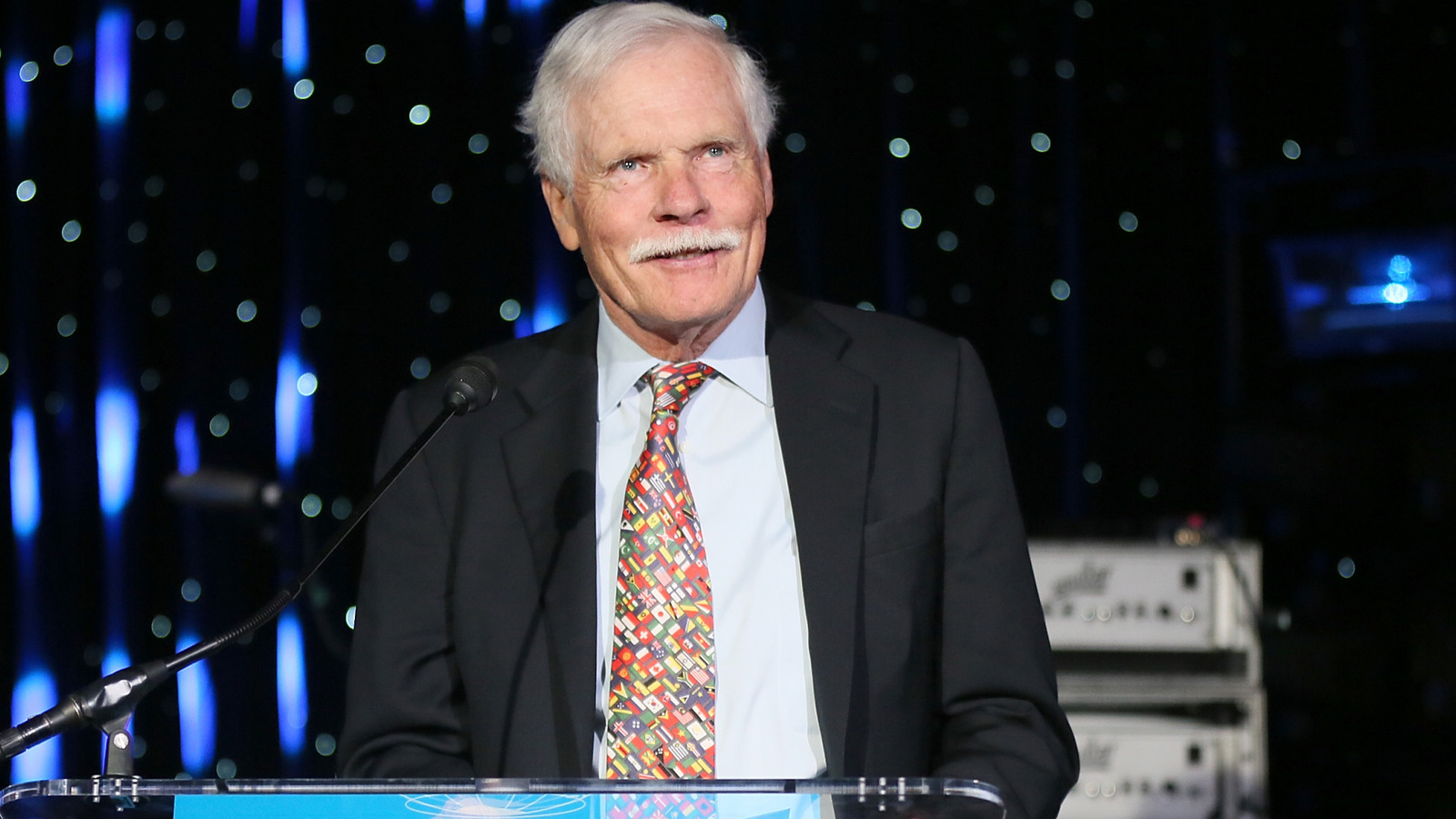
The wrestling world lost its most important benefactor this week. Ted Turner has passed away, leaving behind a legacy that fundamentally altered the professional health and financial stability of the industry. While Turner was never a wrestling man by trade, his decision to buy Jim Crockett Promotions in 1988 provided the first real corporate safety net for performers who had previously lived hand-to-mouth in the territory system.
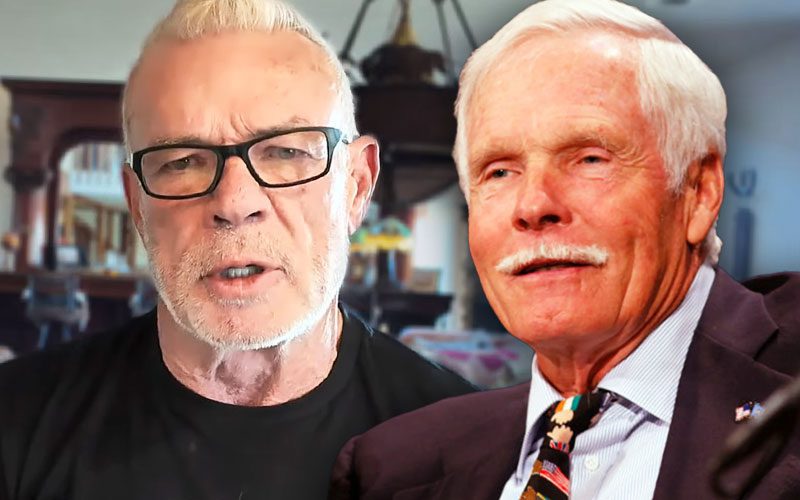
Eric Bischoff, the man Turner famously hand-picked to run World Championship Wrestling, has been vocal about the personal loss. As reported by Ringside News, Bischoff emphasized that Turner’s impact is still felt today, particularly in how wrestlers are compensated and protected. Before Turner, guaranteed contracts were a myth. Performers worked through torn labrums and broken ribs because if they didn't quest, they didn't get paid.
Turner changed that dynamic. By treating wrestling as a legitimate television property rather than a traveling circus, he forced the industry to adopt a more professional framework for athlete management. His passing marks the final bell for an era where a single visionary could challenge a monopoly and, in doing so, accidentally improve the working conditions for every person in the locker room.
Owen Hart and the 61st birthday tribute
While the industry mourns Turner, the Hart family is marking a more personal milestone. Natalya Neidhart recently shared a moving tribute to her uncle, Owen Hart, on what would have been his 61st birthday. Nattie’s video, which quickly circulated across social media, highlighted a man who was arguably at the peak of his physical powers before the tragedy at Over the Edge in May 1999.
As F4WOnline noted, Nattie’s message was simple: there was no one like him. From a medical and fitness perspective, Owen was an anomaly in the late 90s. He didn't carry the bloated, steroid-heavy physique that defined the era. Instead, he maintained a functional, high-cardio frame that allowed him to execute precise enzuigiris and sprawling belly-to-belly suplexes with zero margin for error.
The tragedy of Owen’s death remains the most significant "injury" in the history of the sport, not because of a botched move, but because of a systemic failure in equipment safety and risk assessment. When Owen fell from the rafters in Kansas City, it wasn't just a family that was shattered. It was a wake-up call that led to the implementation of the strict safety protocols we see in modern WWE and AEW production today.
The evolution of safety since 1999
In 2026, the idea of a wrestler performing a stunt involving a quick-release harness without a secondary safety line is unthinkable. Following the Owen Hart accident, the industry moved toward a rigid medical and stunt coordination model. We now see full-time medical staffs at every major show, a direct contrast to the skeleton crews that manned the gorilla position during the Monday Night Wars.
Owen’s legacy isn't just found in the tribute videos or the Sharpshooters applied by his nieces and nephews. It is found in the "stop-work" authority that modern referees and producers now hold. If a piece of equipment looks frayed or a harness feels loose, the segment is killed. This culture of safety is the unintended monument to a man who was taken far too soon while trying to entertain a crowd that didn't know the risks being taken.
However, there is a cynical edge to how these legacies are handled. While the NWA and various legends pay tribute to Turner and Hart, the underlying issues of long-term healthcare for retired wrestlers remain unresolved. Turner provided the money, and Owen provided the cautionary tale, but the industry still struggles to provide a permanent medical pension for the athletes who built these empires.
Historical context and the physical toll
Looking back at how similar situations played out, the passing of a figure like Turner often leads to a sanitization of history. WCW’s medical record-keeping was famously chaotic during the mid-90s. Wrestlers like Eddie Guerrero and Konnan have spoken in the past about the "wild west" atmosphere where personal fitness was left entirely to the individual. Turner’s deep pockets funded the party, but they didn't always fund the recovery.
Owen Hart’s impact on the ring itself is equally vital to examine. His 1997 piledriver on Stone Cold Steve Austin is another pivotal medical moment. That single botched move, which resulted in a broken neck and temporary paralysis for Austin, changed how the piledriver is regulated in WWE. Today, the move is largely banned or restricted to a few trusted veterans, a direct result of the "injury report" that nearly ended the biggest career in the business.
The industry has shifted from a culture of "toughing it out" to one of data-driven recovery. We see wrestlers using hyperbaric chambers, advanced physical therapy, and strict concussion protocols. These advancements are built on the hard lessons learned from the losses of men like Owen and the corporate transitions led by men like Turner. They provided the blueprint, sometimes through triumph and sometimes through absolute catastrophe.
The strategic implications of legacy
The current state of wrestling health is better than it has ever been, but the loss of Turner removes one of the few remaining links to a time when wrestling was a competitive, multi-billion-dollar business. Bischoff’s tribute isn't just about a boss; it's about a man who understood that for the industry to survive, it had to grow out of the smoky gymnasiums and into the boardroom. That transition required a level of physical and financial accountability that didn't exist before 1988.
For the Hart family, the 61 years that Owen should have seen represent a massive "what if." Strategically, Owen would likely have been a head coach or a lead producer in the modern era, helping to guide the next generation away from the very mistakes that led to his death. His absence is a permanent gap in the coaching framework of the industry.
As we move toward major events like AEW Double or Nothing later this month, the influence of these two men remains everywhere. You see it in the high-production stunts that are now quadruple-checked for safety. You see it in the guaranteed downside numbers on the talent's tax returns. The "injury report" for the business is currently stable, but that stability was bought with the lives and efforts of those who came before. Turner gave the sport a future, and Owen gave it a conscience.