Wait, Big Show almost killed who now?
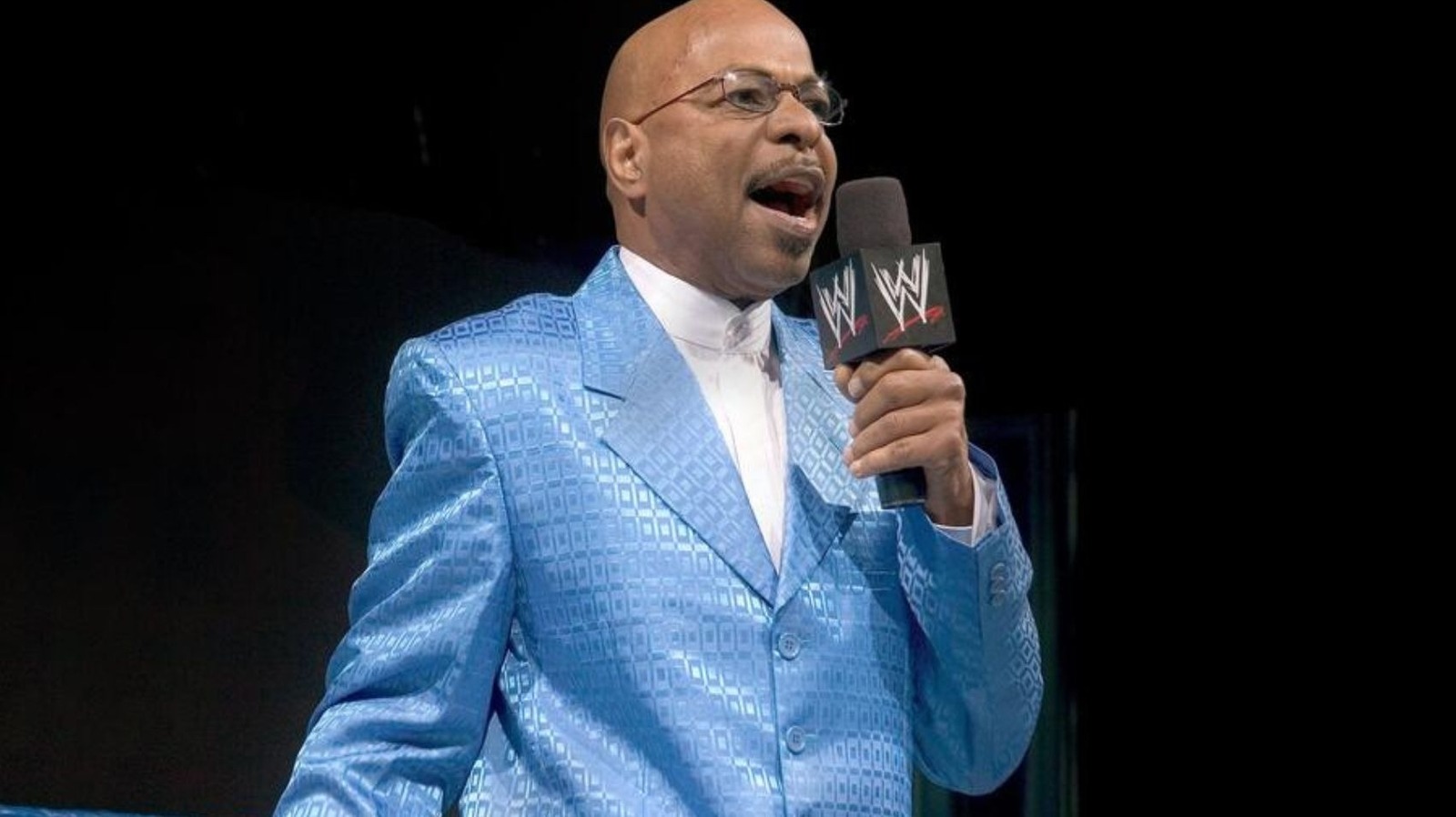
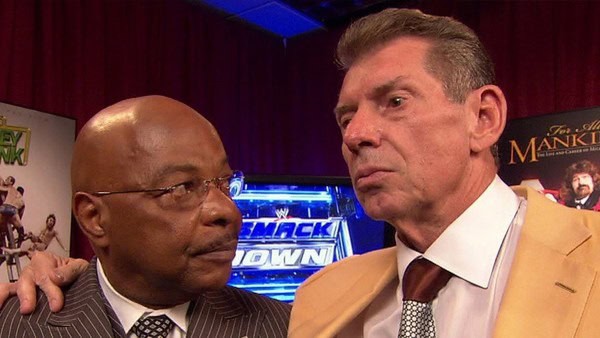
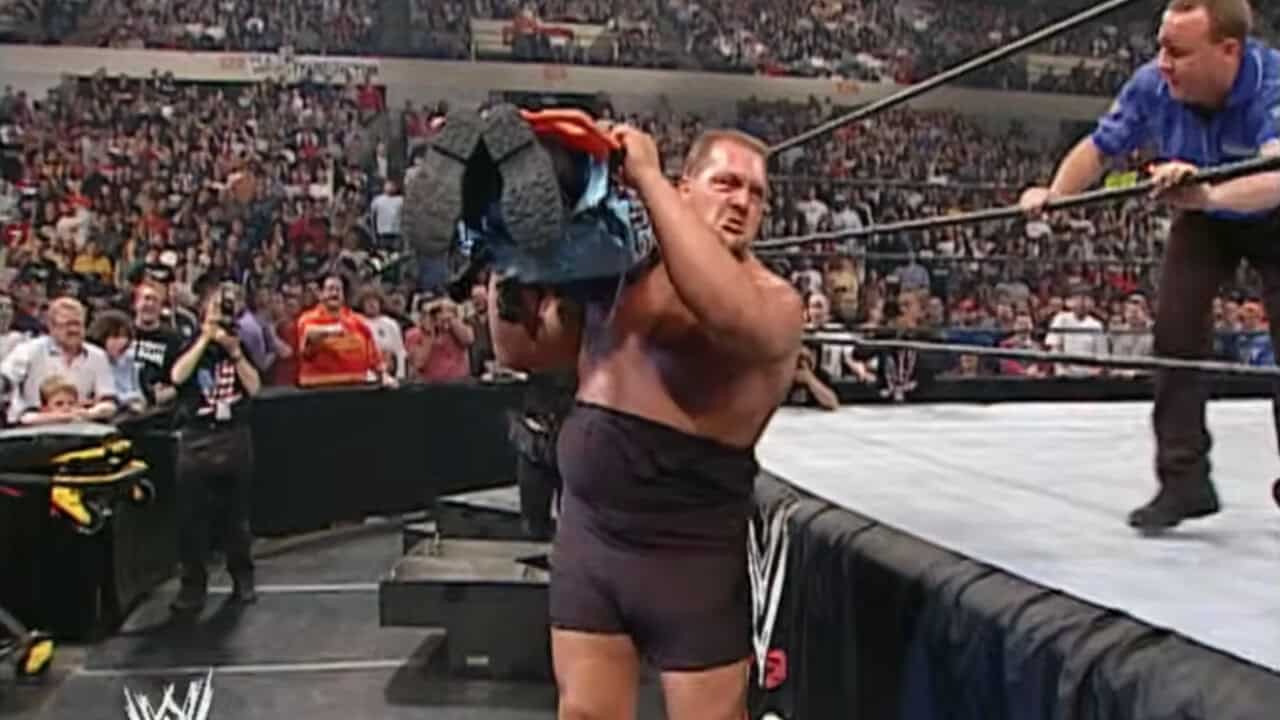
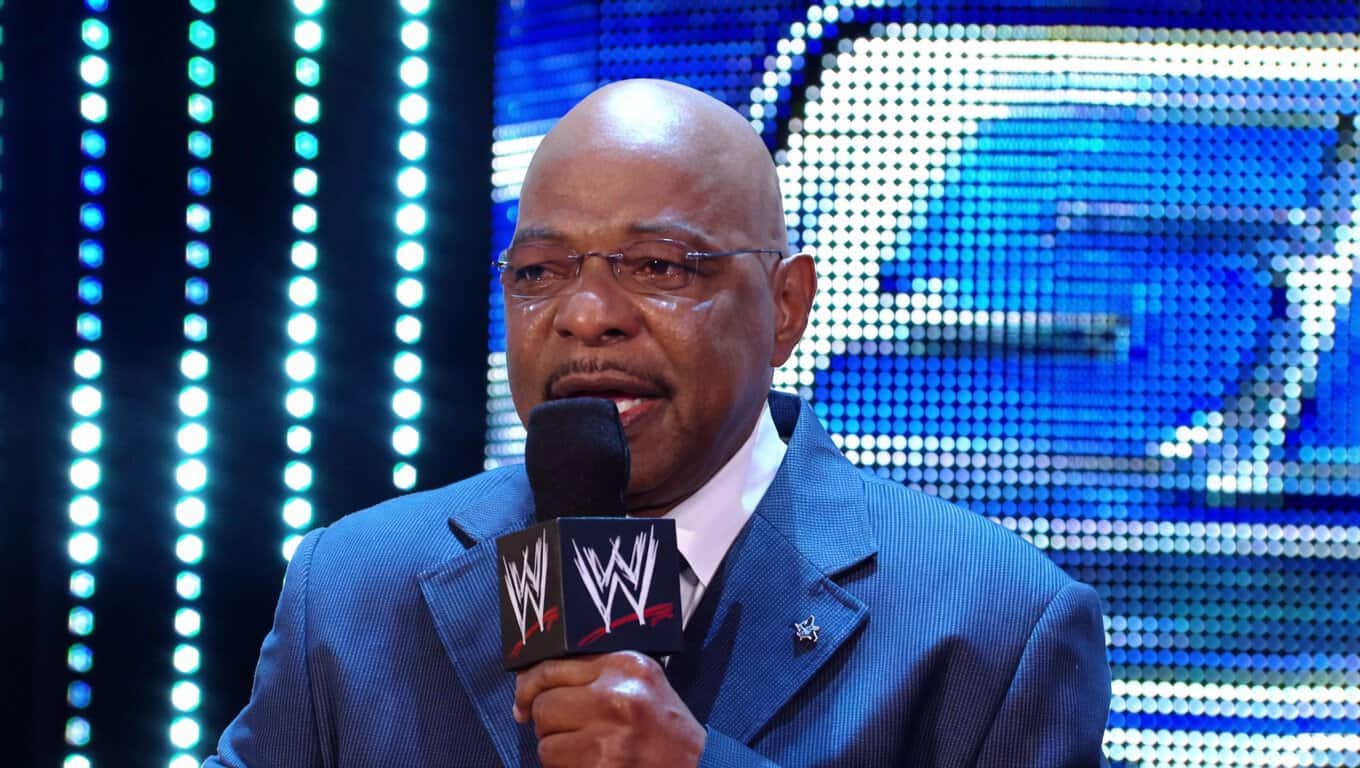
Teddy Long dropped an absolute bombshell this week that has the timeline buzzing. In case you missed the story, the former SmackDown General Manager recounted a moment from his refereeing days where Big Show hit him with an inadvertent move that could have ended his career—or worse. We aren't talking about a gentle nudge here. We are talking about a seven-foot giant acting like he was playing bowling with a human body.
The reaction from the community has been a mixture of classic wrestling nostalgia and genuine shock at how dangerous the eighties and nineties were for the officiating crew. On the forums, folks are split between marveling at the sheer physical absurdity of giants and questioning the safety protocols of that era. Watching Big Show operate in his prime was a terrifying joy, but hearing a beloved figure like Teddy reflect on the physical toll is a sobering wake-up call for the younger fans.
The internet takes its sides
If you head over to the subreddits, the take machine is running at full capacity. One common sentiment goes something like this: The older wrestlers just had different levels of spatial awareness because they were working five nights a week in front of half-empty arenas. It is a cynical take, but it holds water when you consider how many guys from that era carry permanent injuries.
Then you have the contrarians. They are arguing that these stories are being exaggerated for social media clout now that podcasts are the primary vehicle for old-school talent to remain relevant. I personally don't buy that version of events. Teddy Long was a staple of my childhood; if he says he was rattled, he was rattled. You don't have to be a wrestling historian to realize Teddy Long’s story about Big Show carries a weight that can't be dismissed as a publicity stunt.
I was just trying to do my job, and then I realized moving was going to be a problem for the rest of my life.
That quote, pulled from his recent retelling, hits different when you look at the footage of the impact. The speed at which those guys moved was always compromised by the size. When a 450-pound man misses a spot or loses his balance, the laws of physics stop caring about the script. That is the reality of the business that doesn't get enough screen time in the scripted segments we see on Mondays and Fridays.
My take: The human cost of the spectacle
Listen, I love a good spectacle as much as anyone, and Backlash is only 2 days away, so naturally, I am primed for chaos. But we need to keep a clear head about what these performers and refs actually endure. Criticizing the lack of safety during that era is the easiest thing in the world to do from a keyboard, but the lack of oversight back then was a systemic failure. The promoters didn't care as long as the ticket money was flowing.
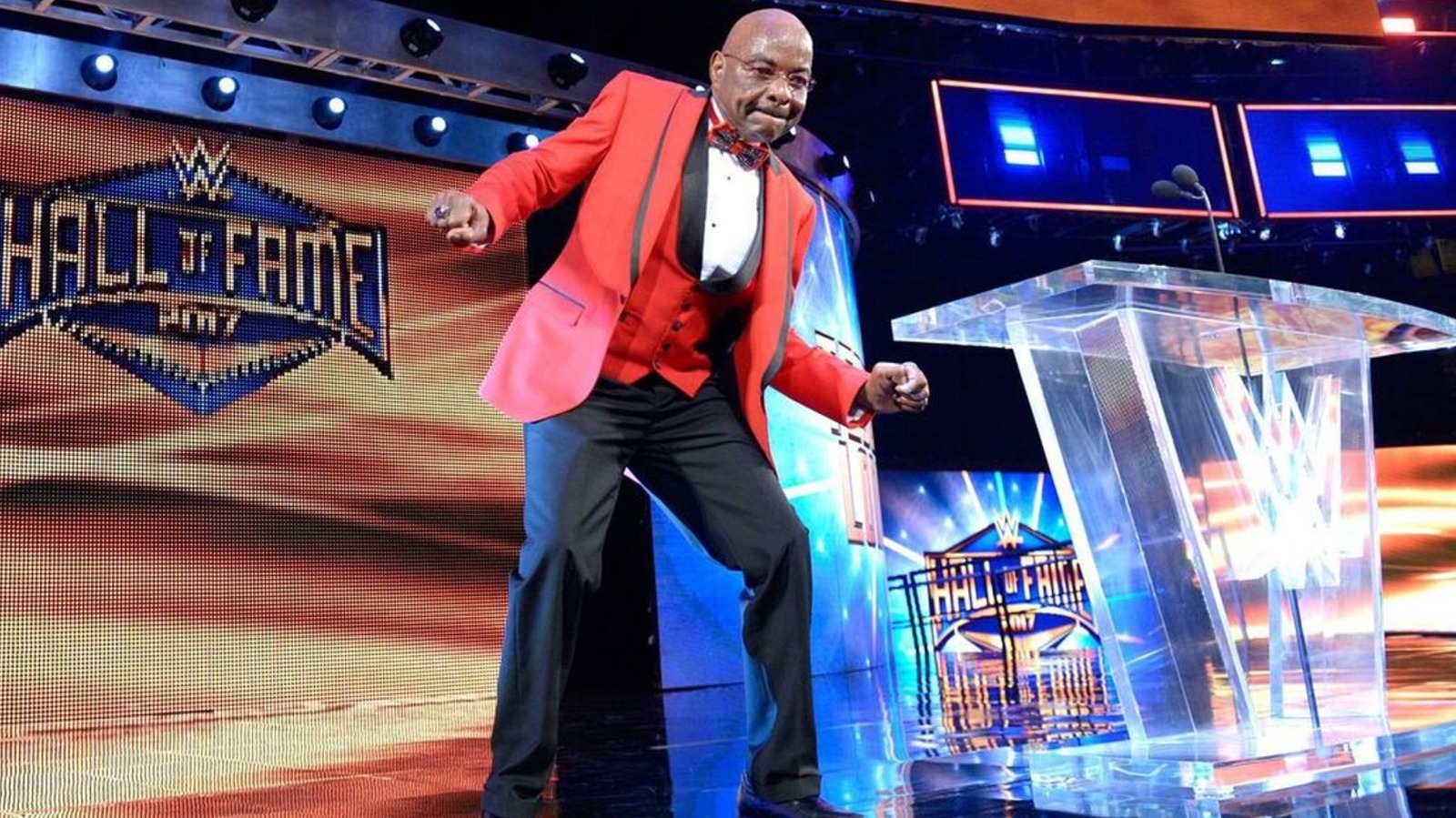
We look back at these giants with rose-colored glasses, forgetting that their tools of the trade were mostly luck and grit. It is a miracle that more referees didn't end up in serious trouble during the Attitude Era. While we gear up for the upcoming cycle of premium live events, seeing a legend like Teddy share these details serves as an important reminder. The spectacle has a price, and usually, the ones who aren't on the poster are the ones paying the heaviest bill.
Ultimately, the argument for respect towards these veterans is the one that wins. We move past the "it was a different time" excuse and acknowledge that these people were risking their mobility for our entertainment. If you think the storytelling is better today, just remember it is built on the backs of people who had to survive giants and bad booking decisions without the benefit of modern physiotherapy. We should be grateful most of them can still tell these stories, even if they make us cringe at the lack of common sense on display.