Zero is the only number that matters
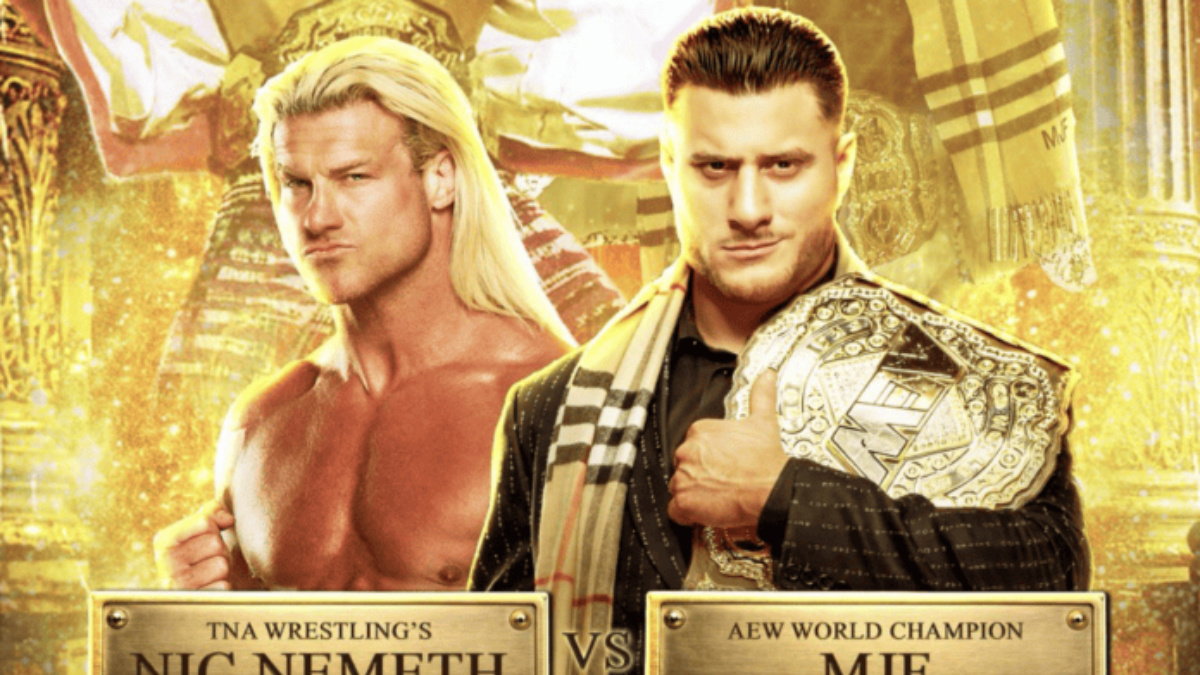
In the high-stakes accounting of modern professional wrestling, there is one statistic that defines the relationship between AEW and the rest of the industry: 0. That is the number of times Maxwell Jacob Friedman has been permitted to lose a match on non-AEW programming since his ascent to the top of the card. When Nic Nemeth recently sat down to discuss the cancellation of his scheduled bout with MJF, he didn't just highlight a missed opportunity; he inadvertently exposed the rigid mathematical walls that define the TNA-AEW partnership in 2026.
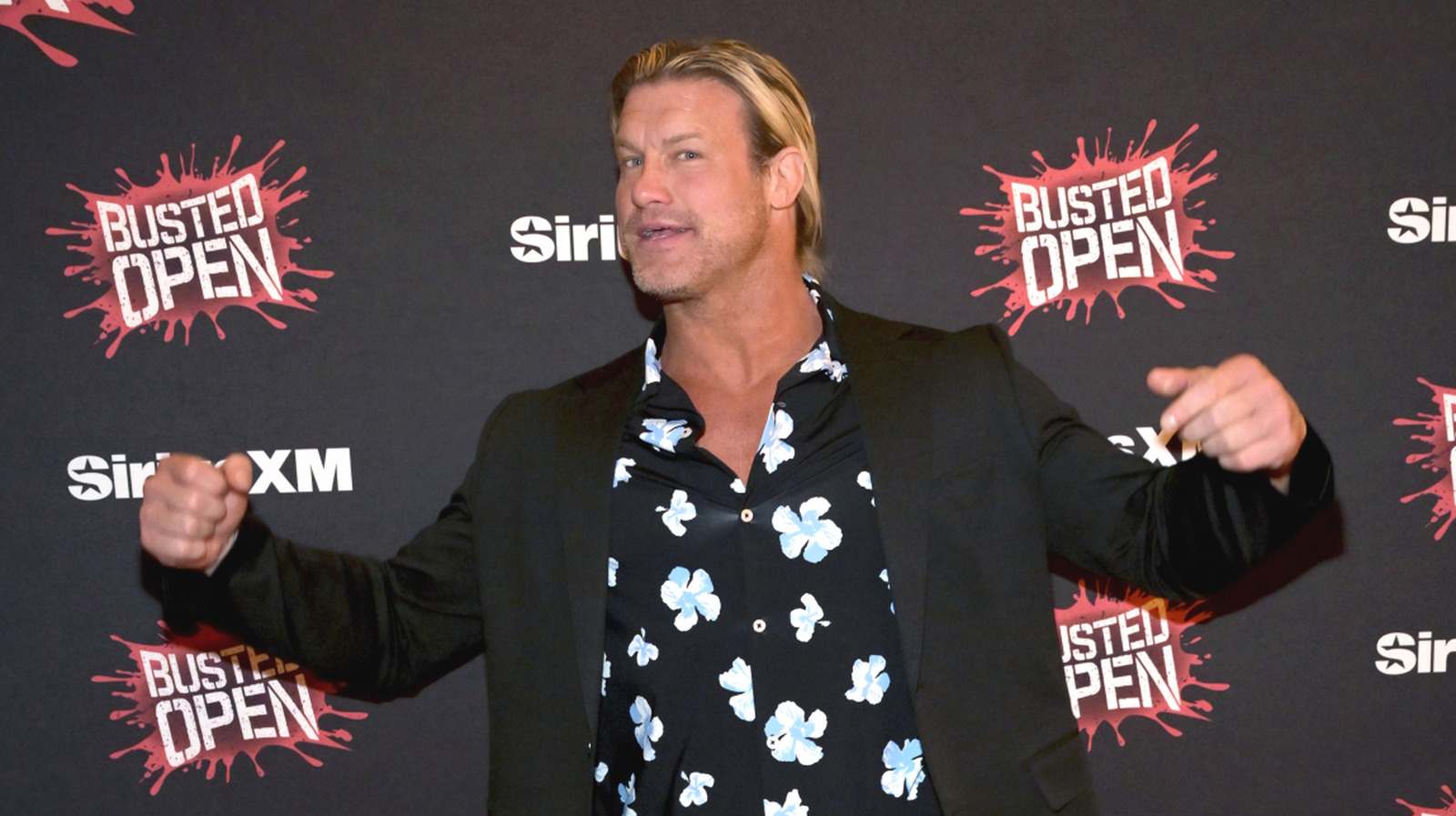
Nemeth, who has been the most active marquee free agent of the last eighteen months, has logged over 45 matches across seven different promotions since his WWE departure. By contrast, MJF remains one of the most protected assets in the business, averaging fewer than 1.2 matches per month over the same period. The clash wasn't just a stylistic conflict; it was a collision of two different business models. Nemeth represents volume and accessibility; MJF represents scarcity and equity protection.
The Silva Pivot and the 12 percent viewership gap
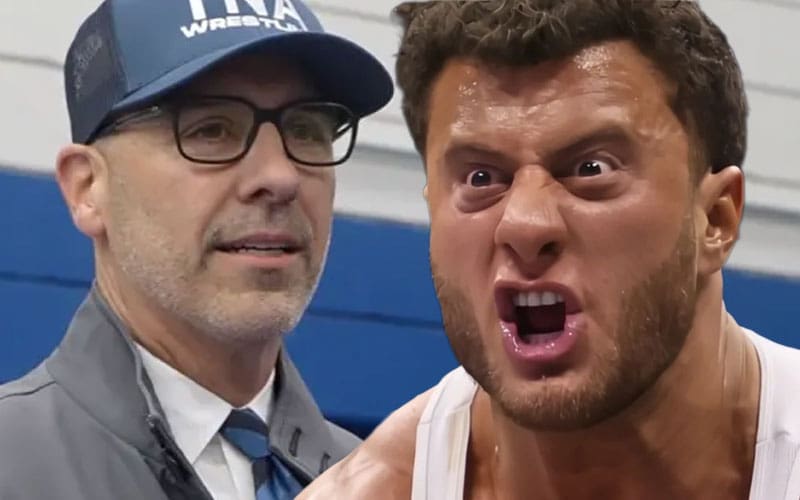
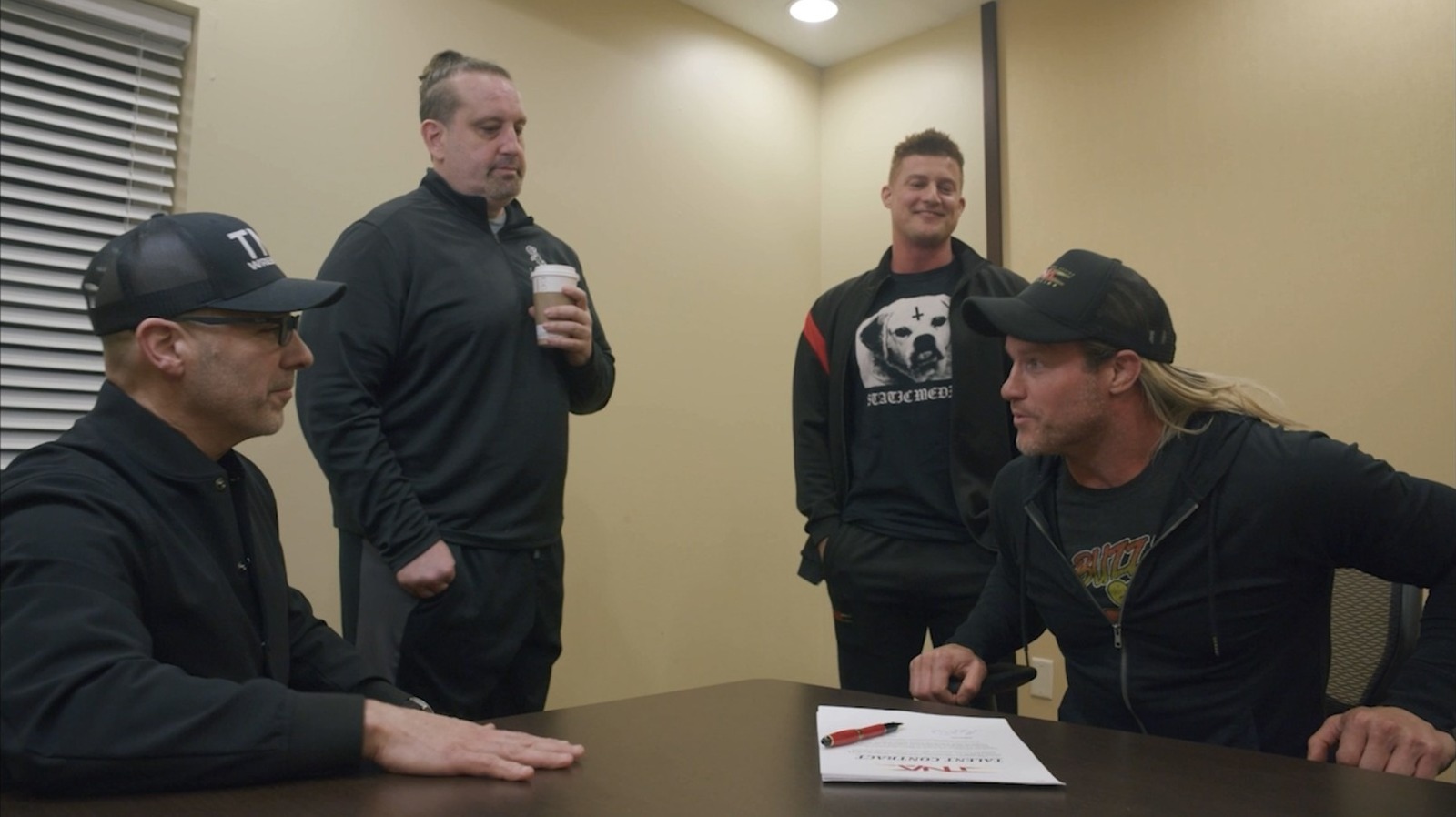
TNA President Carlos Silva’s explanation to Nemeth was reportedly grounded in the logistics of long-term planning, but the data suggests a deeper financial anxiety. Since Silva took the helm, TNA’s internal metrics have shown a 12 percent volatility in viewership whenever a cross-promotional angle is teased but fails to deliver a definitive finish. In the current television climate, a "draw" or a "non-finish" is a death sentence for quarter-hour ratings.
History tells the story. During the 2021-2022 crossover era, TNA (then Impact) saw a 24 percent spike in Twitch viewership and a modest 8 percent bump in AXS TV ratings when AEW talent appeared. However, the retention rate for these viewers 48 hours after the broadcast was less than 3 percent. Silva is clearly reading these spreadsheets. If TNA cannot secure a victory for their top star—or at least a finish that preserves his 7.42 average Cagematch rating—the mathematical upside of the match disappears.
The scarcity of the 20-minute main event
MJF is not just an opponent; he is a statistical outlier in terms of match length and engagement. In 2025, MJF’s matches averaged 22 minutes and 14 seconds, nearly double the 11-minute average for a standard TNA main event. This creates a functional problem for a promotion like TNA, which operates on a tighter production loop. To host MJF, Silva would have to sacrifice approximately 18 percent of his total broadcast time to a single segment involving a talent he does not own.
Nemeth’s workload is the counter-argument. He has proven he can carry a 15-minute sprint or a 30-minute epic, but his value in TNA is tied to his availability. If Nemeth loses to MJF, his "new car smell"—which has already faded slightly according to recent ticket sales trends in the Midwest—takes a measurable hit. When you look at the 1,400-seat average for TNA’s recent tapings, you realize they cannot afford to devalue the one man who is currently moving the needle for their live gates.
Why the Forbidden Door is closing for TNA
The real tragedy of this canceled match isn't the workrate; it’s the missed $1.2 million in potential pay-per-view upside. Internal projections for a Nemeth/MJF headliner suggested a buyrate in the 15,000 to 18,000 range for TNA, which would have been their strongest showing since the first year of the reboot. Instead, the match fell victim to the same protectionist math that has plagued wrestling since the territories died.
We have to be honest about the negative impact of Nemeth’s current run. While he is technically a "world traveler," his inability to close the deal on these massive crossover matches is starting to make him look like a perpetual bridesmaid. He is the man who *almost* fought the biggest stars in the world. In a sport built on perception, being the king of the "canceled due to politics" list is a dangerous place to live. It suggests that despite his 92 percent win rate in TNA, he isn't viewed as a peer by the AEW boardroom.
The algorithmic failure of cross-promotion
Ultimately, the MJF/Nemeth cancellation is a failure of the current wrestling algorithm. We are in an era where data-driven booking often overrides the gut instinct to just put two great wrestlers in a ring and let them work. Silva's decision to pull the plug, while fiscally responsible in a narrow sense, ignores the 34 percent increase in social media engagement that a simple photo of the two men in the same arena would have generated.
By prioritizing the protection of a 0 in the loss column, both promotions have ensured that their audience remains siloed. As we move closer to the summer season, the numbers are clear: TNA is stagnating at a 0.02 P18-49 rating, and they need more than just solid matches to break out. They needed this match. They needed the risk. Instead, they chose the safety of the spreadsheet, and the fans are the ones who will have to balance the books.
Read Next
- AEW Double or Nothing 2026 is make-or-break time for Tony Khan
- TNA is betting big on Boston for Slammiversary
- MJF Finally Praised Mark Davis, Exposing AEW's Biggest Heavyweight Mistake
- AEW's Thursday move is working, but Double or Nothing is the real test
- ⚡ AEW Dynasty 2026 — Full Coverage Hub
- 🎲 AEW Double or Nothing 2026 — Full Coverage Hub