Winning the Thursday night proxy war
The Thursday Night Wars are back, though they look quite different this time. We are no longer talking about the Monday Night Wars or the Wednesday Night Wars. On April 16, 2026, AEW Collision on its Thursday night slot went head-to-head with TNA Impact on its new home at AMC. For the analytical wrestling fan, this was a fascinating case study in programming strategy, audience retention, and tactical match layout.
Tony Khan's decision to shift Collision to Thursdays felt like a massive risk. You are asking an audience to rewrite their weekly viewing habits. Yet, the data from last week suggests AEW is finding its footing. According to recent viewership reports, Collision saw a distinct audience increase, building off the momentum from the April 11 rating report leading into the Dynasty pay-per-view.
Meanwhile, TNA Impact experienced wild swings in the 18-49 demographic. The AMC audience is notoriously fickle. When forced to choose between a standard Impact episode and a loaded Collision card, the younger viewers heavily favored AEW. Impact's demographic numbers bounced around erratically throughout their two hours, a clear sign of channel flipping. When Collision put the Bucks in the ring, TNA bled viewers. When TNA ran an angle, viewers stayed briefly before jumping back to Thursday night's real main event. AEW didn't just win the night; they dictated the viewing habits of the entire wrestling audience.
But television ratings only tell the story of who tuned in. The real question is why they stayed. What kept the audience engaged during that two-hour block? The answer lies entirely in the ring.
The spatial control of the Young Bucks
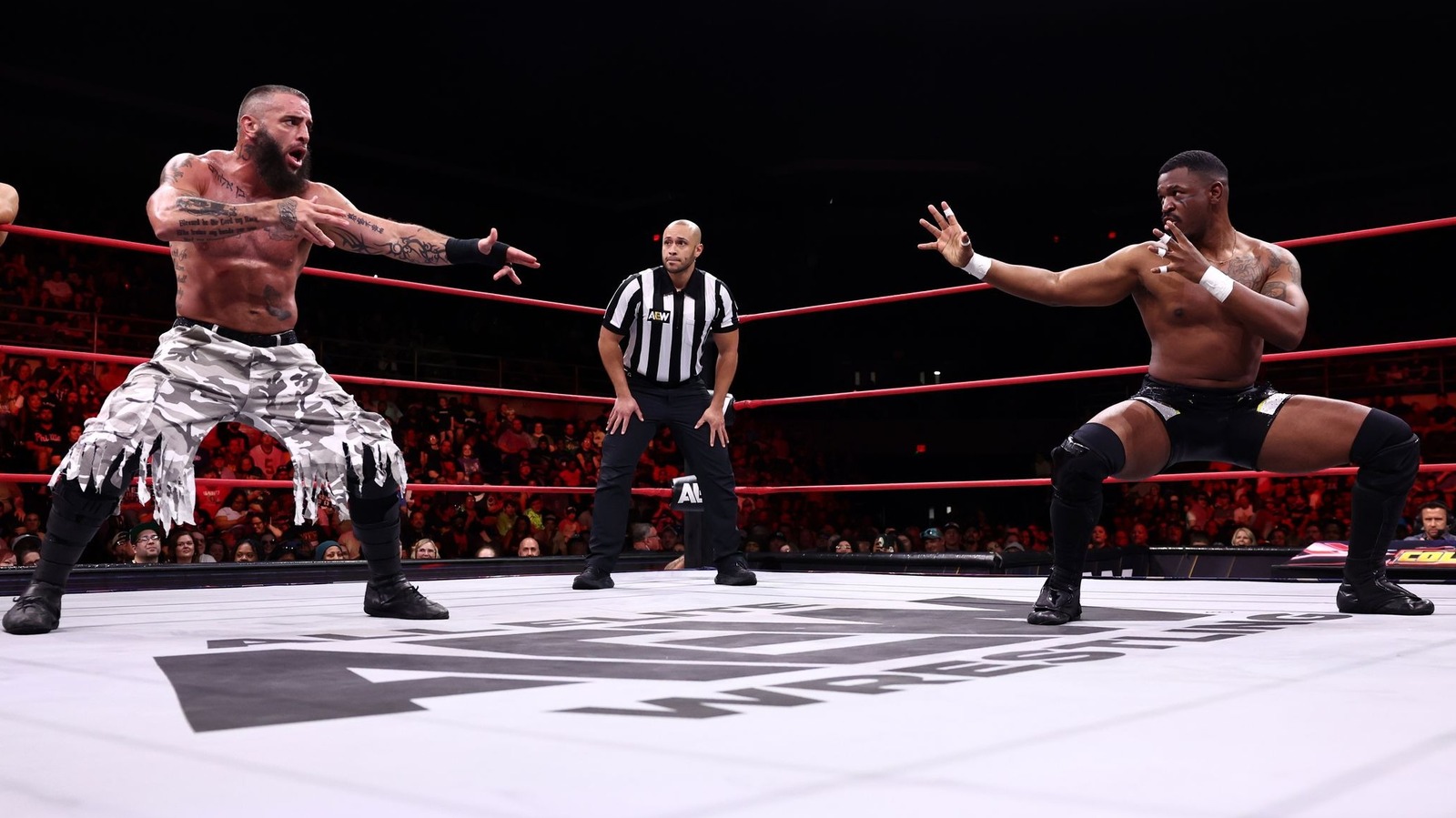
If you want to understand why Collision held its viewership, look no further than the tag team clinic put on by the Young Bucks and the Rascalz. Matthew and Nicholas Jackson have completely altered their pacing over the last year. They have aged out of the non-stop, hyper-athletic sprint and evolved into something far more dangerous. They are now ring generals who understand the spatial geometry of a professional wrestling match better than anyone else alive.
The Rascalz operate at a frantic, chaotic speed. They rely on overwhelming their opponents with tandem offense, rapid tags, and a blistering pace. The Bucks countered this by stubbornly refusing to engage in a track meet. Every time the Rascalz tried to accelerate, a Jackson was there to disrupt the rhythm. They used tactical fouls. They executed perfectly placed blind tags. They dragged the referee into the line of sight to break up momentum.
It was a masterclass in heel tag team psychology. The Bucks isolated their opponents for a punishing six-minute stretch. They cut the ring in half and physically ground down the lower back with a series of targeted strikes and holds. They didn't need to hit forty superkicks. Instead, they dictated the terms of engagement and let the Rascalz crash against their defensive wall.
When the hot tag finally came, the eruption from the crowd felt entirely earned. The incoming offense flew into the ring, hitting a beautiful rolling elbow into a Code Red for a near-fall at the 14-minute mark. But the Bucks' defensive structure held. They absorbed the flurry, found an opening, and shut down the comeback with ruthless efficiency. This is the version of the Young Bucks that will headline in New York. They are wrestling smarter, not harder.
Moxley strips it down to the bone
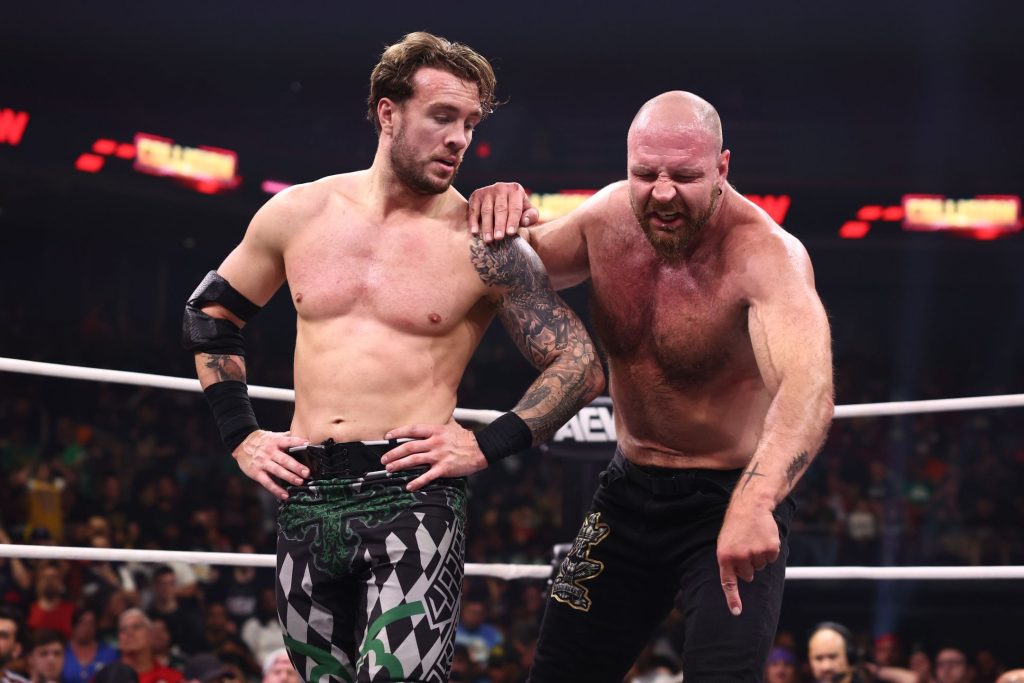
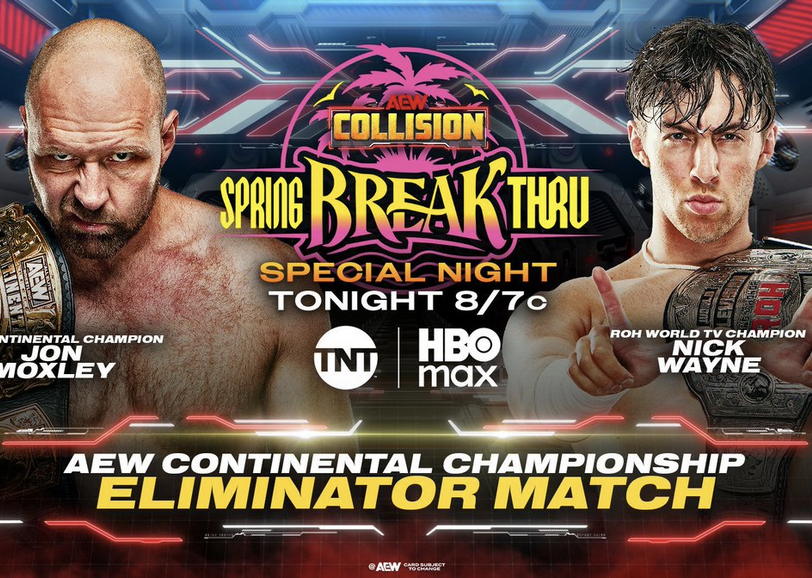
Jon Moxley's match against Nick Wayne offered a brilliant study in contrasting styles. Wayne is a prodigy. He bumps like a maniac and possesses an athletic arrogance that makes him incredibly compelling on television. He wants to fly. He wants to show off. Moxley simply refused to play along.
Instead of matching Wayne's speed, Moxley employed a brutalist approach. He stripped away all his extraneous movements. There were no wasted steps. Moxley walked through Wayne's offense, absorbing the high-flying attacks and responding with suffocating ground control. He is working a tighter, more punishing style right now.
Consider the opening sequence. Wayne tried to establish his speed with a sequence of arm drags and dropkicks. Moxley just ate the first dropkick, stepped back into the ropes, and leveled Wayne with a lariat that sounded like a car crash. The crowd gasped. Moxley didn't pose. He didn't taunt. He just went to work on the neck. That is the difference between a wrestler who wants to entertain and a wrestler who wants to win. Wayne is playing a game. Moxley is fighting a war.
At one point, Wayne attempted a springboard cutter off the second rope. Moxley didn't dodge. He caught Wayne mid-air, seamlessly transitioning into a tight sleeper hold before dragging the younger wrestler aggressively to the mat. It was a vicious, unglamorous counter. Moxley isn't interested in trading moves. He is interested in inflicting damage.
Wayne eventually found brief windows of offense, utilizing his speed to land a desperation poison rana. But the damage had been done. Moxley’s early focus on Wayne's legs and core removed the explosion from the prodigy's high spots. The finish was inevitable. Moxley looks dangerous in a way he hasn't in years, and whoever he faces in New York is going to be in for a miserable night.
The Joshi division heats up
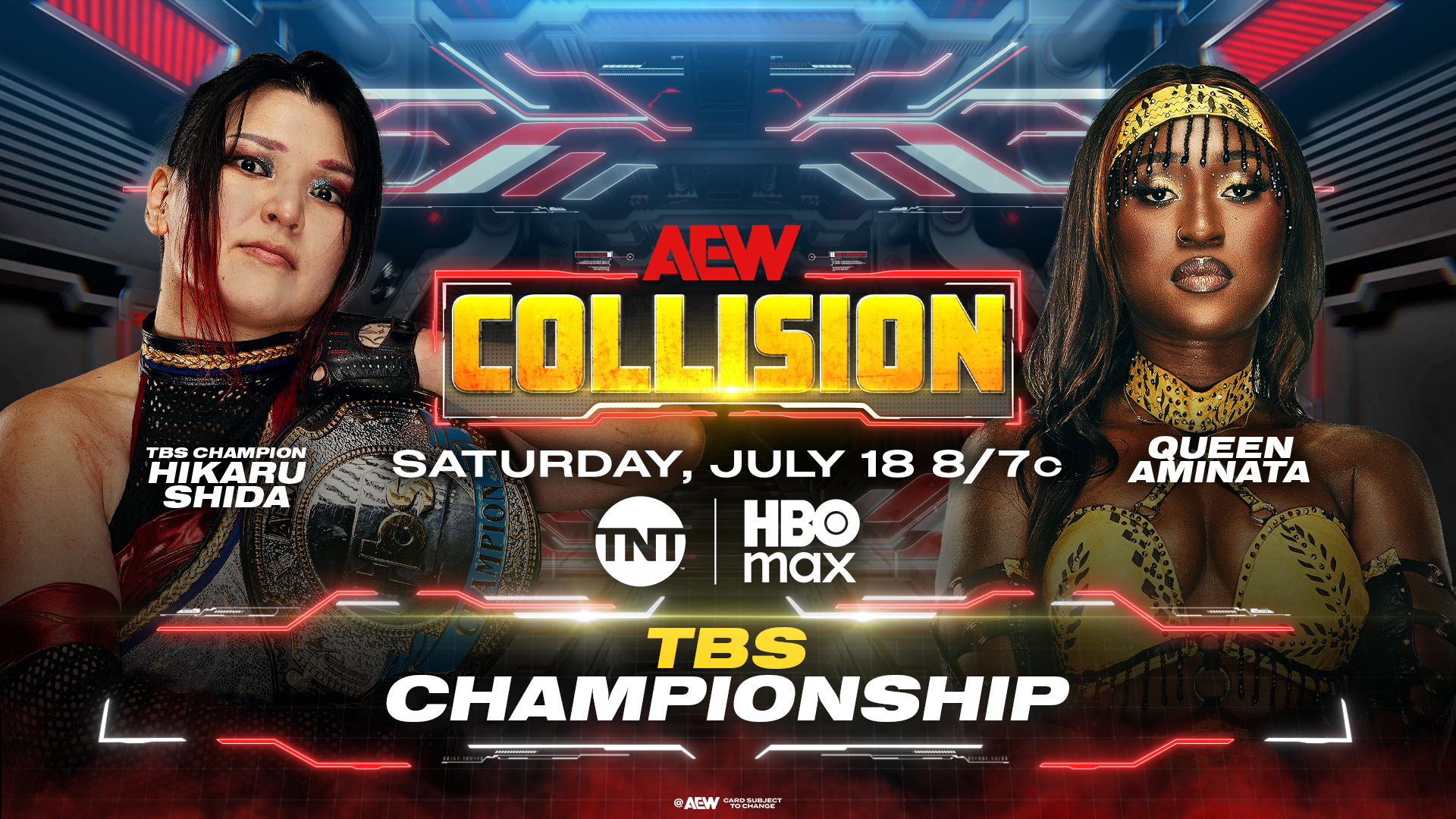
The other major development from Thursday was Mina Shirakawa officially challenging Hikaru Shida. This is exactly the kind of match AEW needs for their upcoming pay-per-view. Shirakawa’s striking precision provides a fascinating contrast to Shida's veteran pacing.
Shida has been the anchor of the women's division for a long time. She knows exactly when to peak a match, how to milk a submission spot, and when to fire up the crowd. Shirakawa, however, wrestles with a desperate urgency. Her elbows are lethal. Her submission game is highly underrated. The brief confrontation between them on Collision was electric, crackling with genuine animosity.
Shida has carried this division through its darkest periods, but Shirakawa represents a totally different stylistic threat. She doesn't just want to win; she wants to leave a mark.
This division continues to be the backbone of AEW's most compelling in-ring storytelling. The undercard matches are also delivering the goods. Thekla versus Windsor was a gritty, hard-hitting affair that showcased exactly why Tony Khan has invested heavily in international talent. Windsor brought a rigid, European grappling style that meshed perfectly with Thekla's chaotic striking. Thekla’s offensive flurries are incredibly difficult to predict. She attacks from awkward angles, utilizing an erratic footwork pattern that keeps her opponents permanently off-balance.
The unforced errors
However, it is impossible to watch Collision without getting incredibly frustrated by the persistent, unforced errors in the formatting. AEW is still making the exact same mistakes they made three years ago. The pacing of the second hour remains deeply flawed.
They consistently rush backstage segments to fit TV time, undercutting the emotional weight of their angles. You cannot build a marquee match for New York if the talent is sprinting through their promos just to hit a commercial break. Thekla and Windsor were having a fantastic match, but it was butchered by a poorly timed picture-in-picture break and a rushed finish. AEW's time management issues consistently shortchange the women who are actively beating the hell out of each other in the ring. They treat the final thirty minutes of the show like a dumping ground for whatever didn't fit in the first ninety. It is infuriating to watch a company with this much talent constantly sabotage its own pacing.
Looking toward New York
We are exactly 33 days away from Double or Nothing on May 24. The board is largely set. The Thursday experiment is paying dividends in the ratings, and the in-ring action is consistently great. But the creative execution must tighten up before they hit New York City.
The ticket sales for NYC are staggering. According to reports, the event is already outpacing last year's show. The audience is hungry for this product. They want AEW to succeed. The fans have bought in, the venue is booked, and the roster is firing on all cylinders.
My prediction for New York is simple and confident. The Young Bucks will retain their tag team titles in a bloody, overbooked classic that will anger the purists and delight the live crowd. Jon Moxley will systematically dismantle his opponent in under fifteen minutes. But the real show-stealer, the match that everyone will be talking about on Monday morning, will be Shida and Shirakawa. If Tony Khan gets out of his own way, fixes the pacing, and gives them twenty minutes, they will put on the match of the night. The pieces are all there. Now they just have to put the puzzle together.
Read Next
- AEW's Post-Dynasty Pulse: Can Collision Keep the Beat?
- AEW's Thursday ratings bump proves the Collision experiment is working
- AEW Collision: Bucks Soar, But Are Fans Still Grounded by the Numbers?
- AEW Double or Nothing 2026 is make-or-break time for Tony Khan
- 🎲 AEW Double or Nothing 2026 — Full Coverage Hub