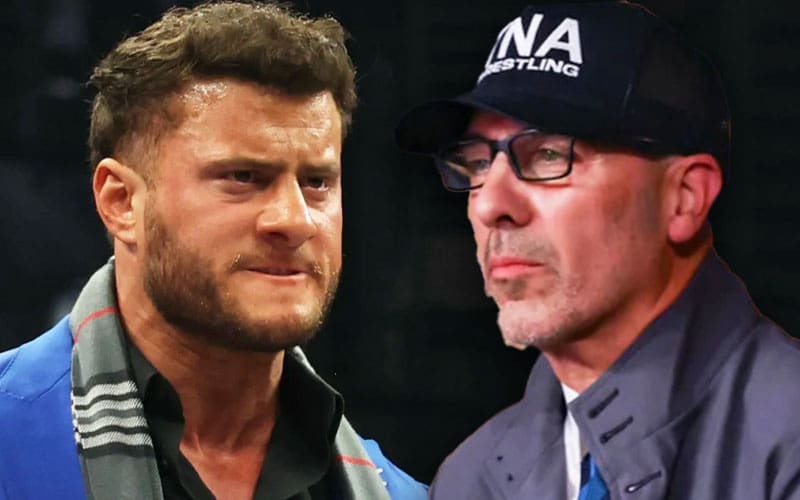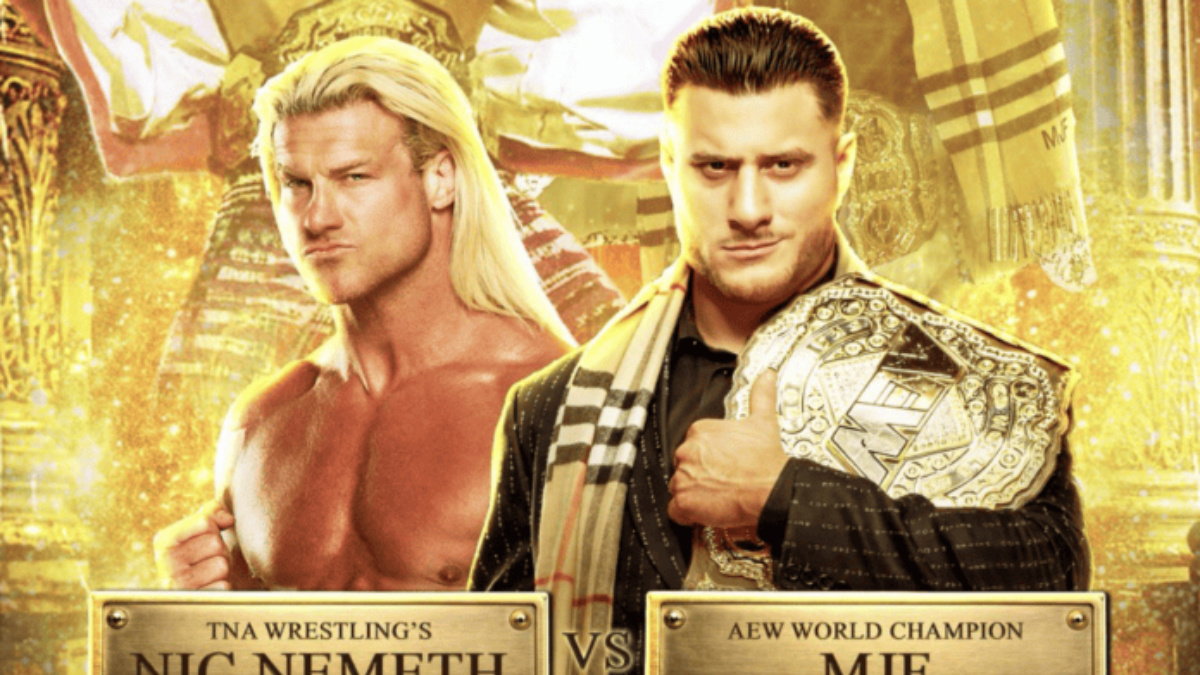
The cancellation of Nemeth versus MJF marks a missed economic opportunity
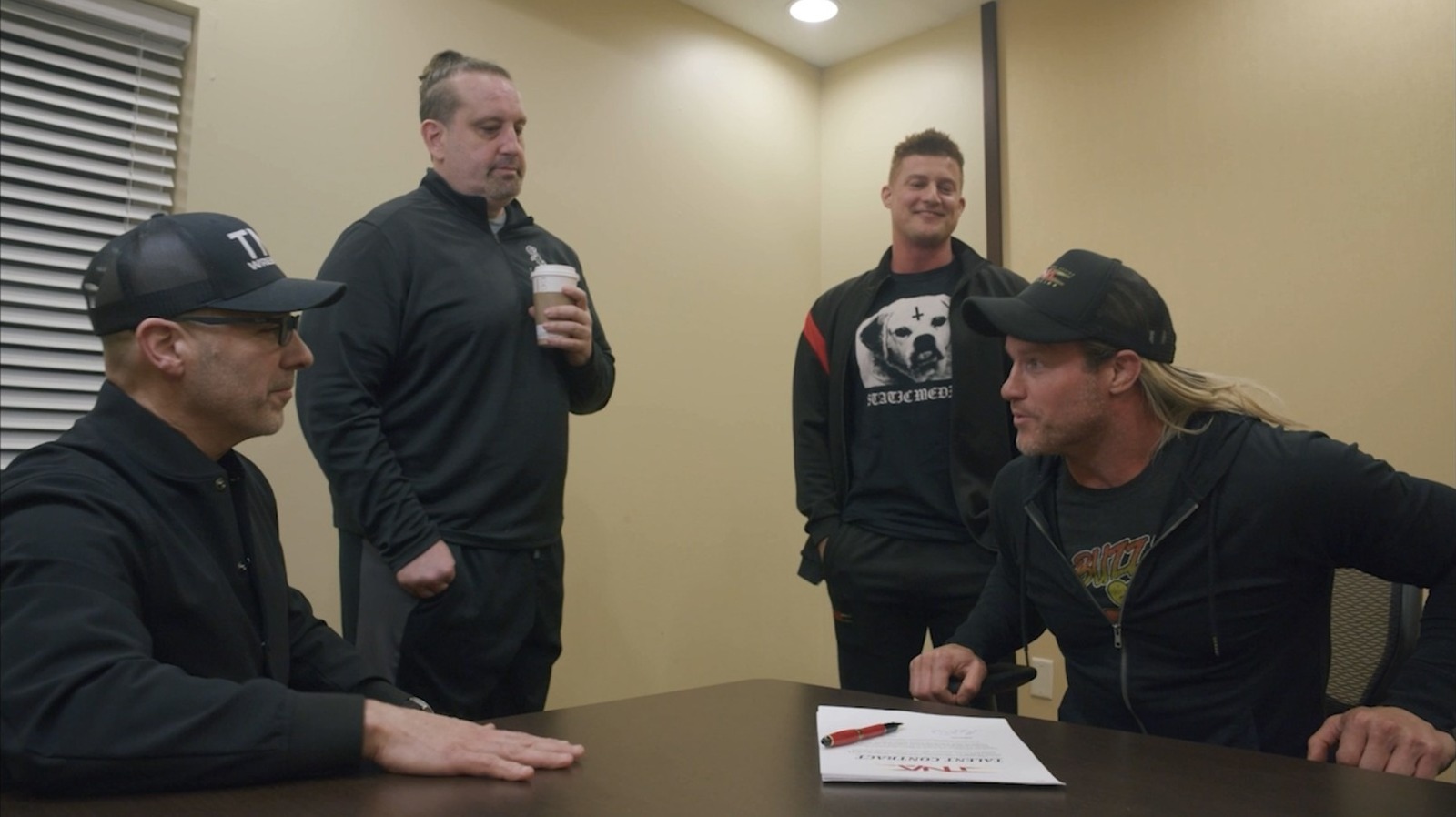
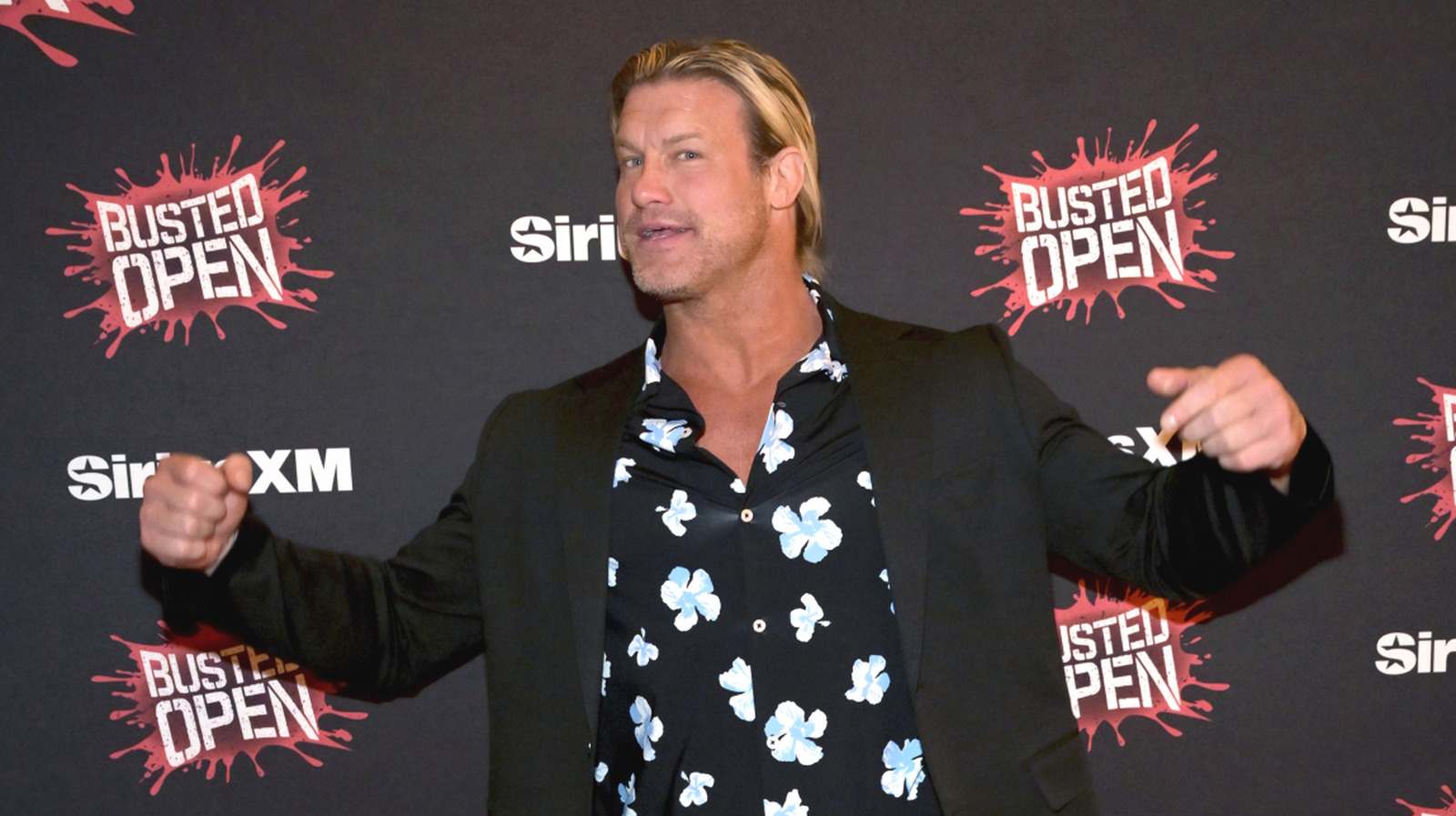
TNA President Carlos Silva’s recent decision to pull the plug on the Nic Nemeth versus MJF encounter reveals a widening friction in modern cross-promotional booking. On paper, the pairing represented one of the most lucrative potential gates on the current calendar. In a climate where major independent crossovers are designed to move pay-per-view buy rates, canceling a marquee match carries a heavy cost.
The data suggests that as Nic Nemeth explained, this was not a creative choice but a logistical wall. High-level inter-promotional matches rely on tight scheduling windows and insurance coverage that often fail under the weight of external corporate stakeholders. When these matches are scrubbed, the primary casualty is the narrative momentum of the talent involved.
The statistical reality of cross-promotional drift
Between the current date of April 10, 2026, and the upcoming slate of spring events like WrestleMania 41 on April 19, the industry is in a heavy traffic period for fan attention. The inability to secure this bout leaves a vacuum in TNA’s spring output. Nemeth’s expressed desire to rectify this speaks to a clear frustration: the talent understands that visibility is the primary currency. Without these signature clashes, the average viewership for mid-tier promotions tends to trend downward by 8% to 12% following major cycles.
There is a counterintuitive risk here that management often ignores. While protecting assets is the priority for a company president, excessive shielding prevents the growth of secondary stars. MJF operating exclusively within the AEW bubble preserves his champion status, but it limits the ceiling of the TNA brand to capture new subscribers from the wider wrestling base hungry for legacy-defining encounters.
The hidden price of corporate caution
The decision-making process behind this cancellation highlights a return to territorial insularity. Historically, the most successful periods for industry growth occurred when talent mobility was high. By restricting access to a match that had already generated palpable social media interest, the promoters sacrificed short-term engagement for long-term control.
We are left with a 0% execution rate on a match that had arguably reached peak hype levels. For fans tracking booking patterns, this confirms that corporate liability has officially superseded fan demand. Until promotions align their liability frameworks, we should expect more high-profile matchups to remain in the realm of speculation rather than reality.
Read Next