The road to Slammiversary hits a cold climate
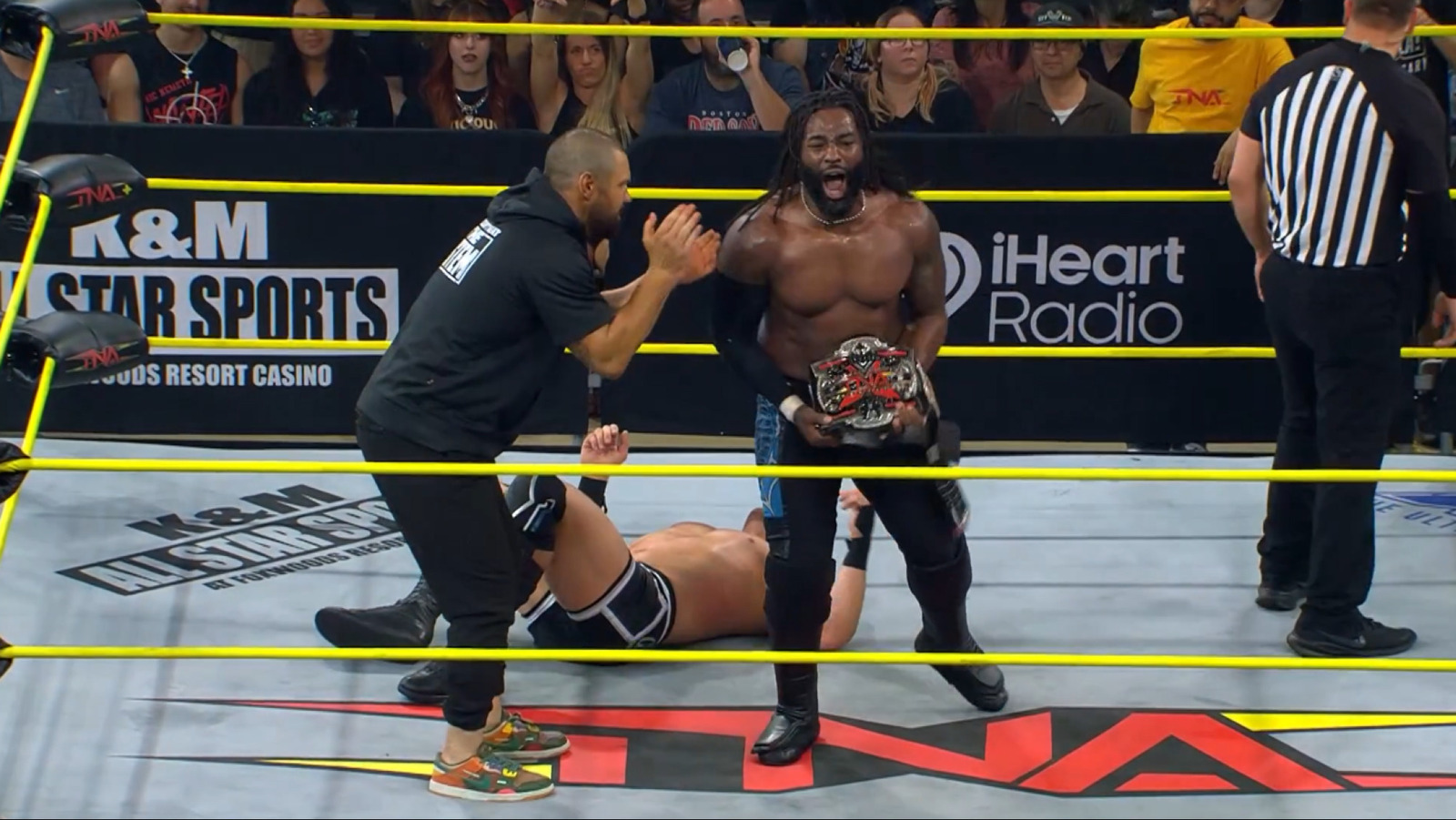
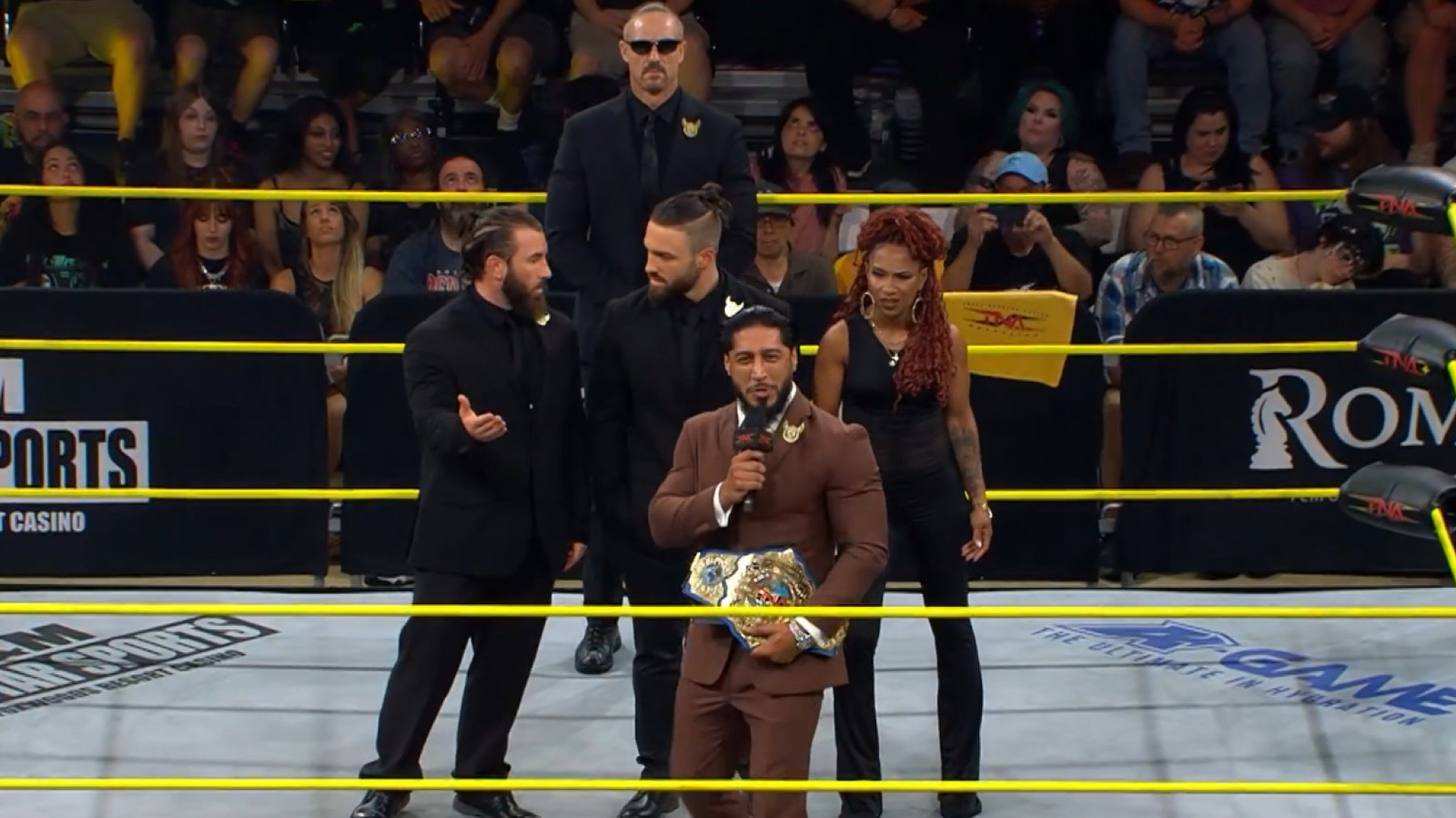
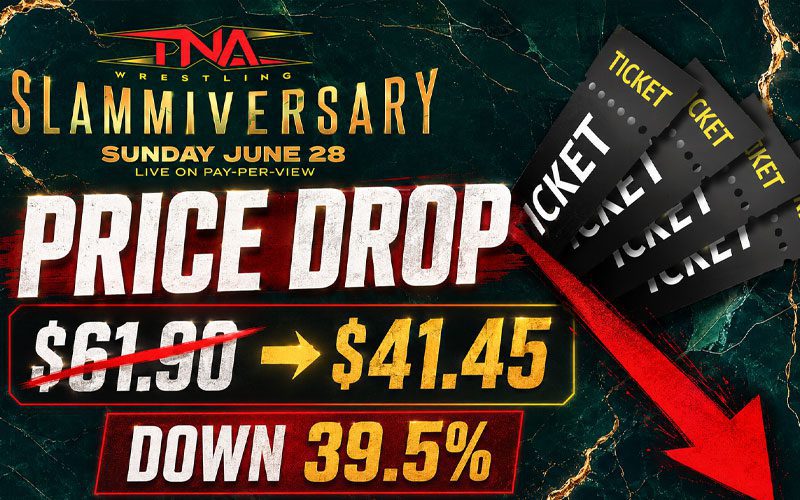
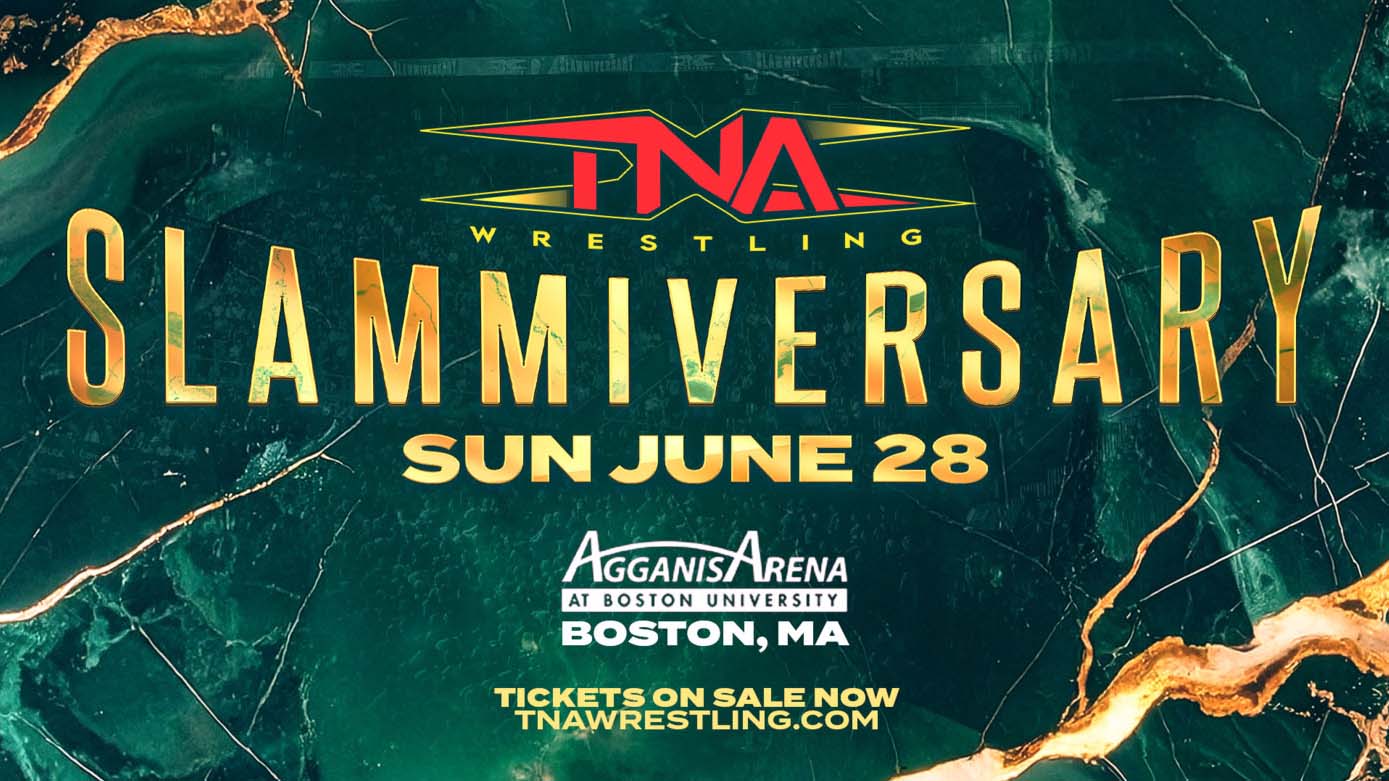
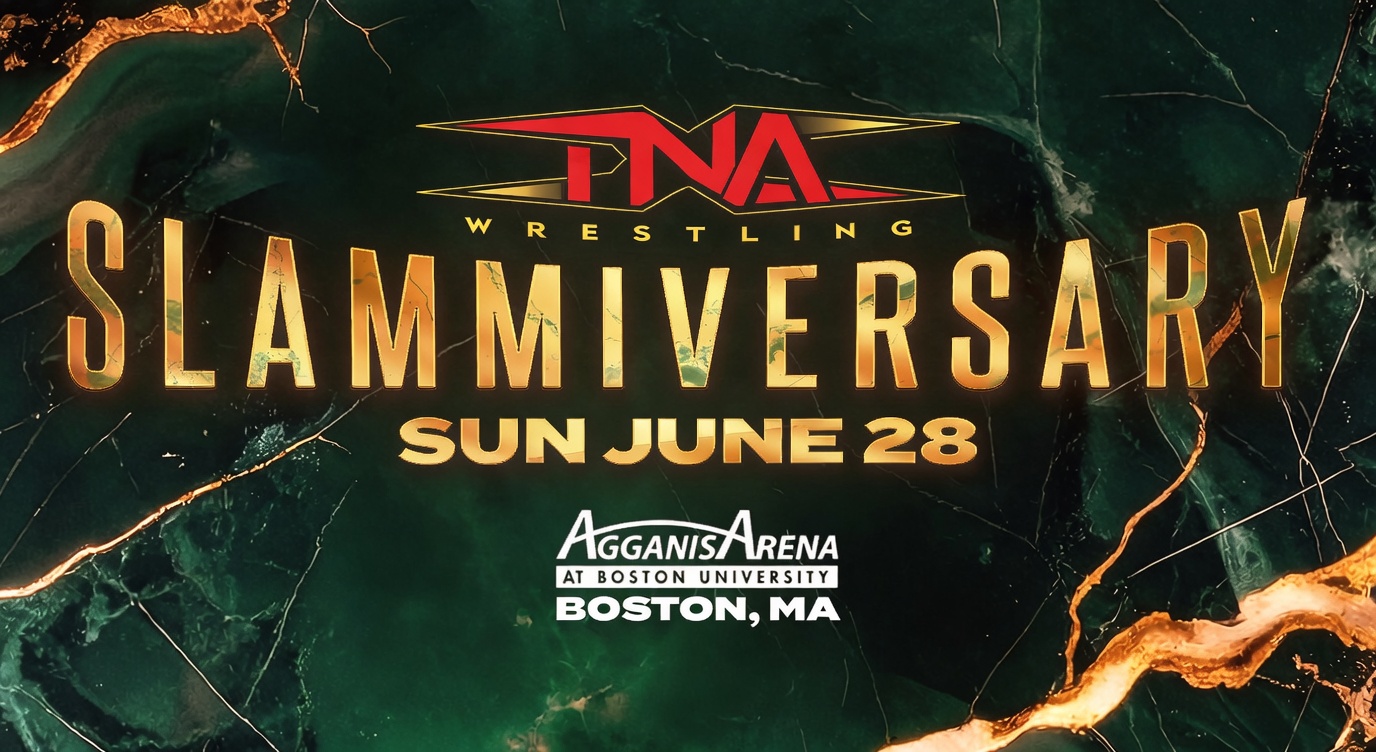
TNA Wrestling is making a calculated move into the Northeast. Tickets for Slammiversary go on sale this week, bringing the promotion to Boston for one of its marquee annual events. This marks a shift from the smaller venues that defined their recent developmental phase.
Boston fans are notoriously difficult to impress. They demand high-impact wrestling and reject half-measures. Moving a premium show here suggests a confidence in the current roster that management lacked only a year ago.
The strategic risk of the Boston date
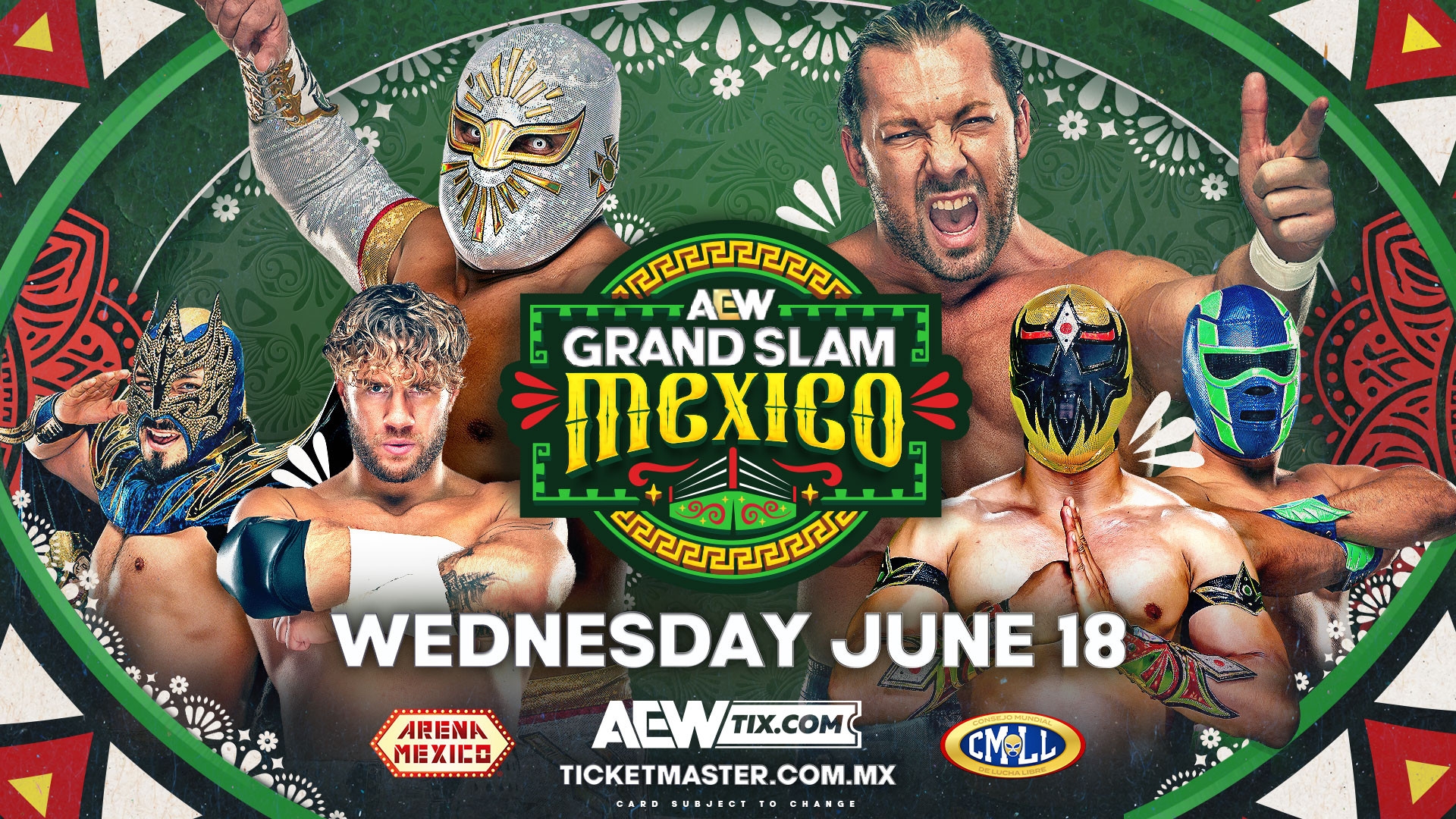
Running a major show in New England invites direct comparison to larger competitors. WWE and AEW have established a firm grip on that market. Unless TNA delivers a card with legitimate pay-per-view stakes, the arena will look hollow on camera.
We need to see how they handle the production side. The promotion has struggled with inconsistent pacing on television over the last four months. If the undercard feels like a standard broadcast taped in a warehouse, the live crowd will lose interest before the main event begins. They need to move past the recent schedule announcements and start building cohesive rivalries that merit the ticket prices.
What the move says about the locker room
The decision to target Boston is a clear signal that the front office wants to test their stars in hostile territory. A mid-tier talent might get over in a small, friendly venue. In Boston, you have to be able to dictate the pace of a match or you get eaten alive.
Pay attention to which wrestlers get the promotional push leading up to the on-sale date. If they rely solely on veterans from the 2000s, the growth strategy remains stagnant. Development only happens when the new core is handed the ball and asked to carry a major city. If they can sell out the floor seats without leaning on nostalgia, it confirms their brand equity has actually recovered.
The final verdict
I anticipate TNA will struggle to fill the upper mezzanine, but they will likely sell enough tickets to present a respectable visual on their broadcast. The real test is the quality of the match density. If the main event features a title switch or a high-stakes gimmick, they might just pull it off. Expect a card that relies on extreme spots to compensate for a lack of narrative depth. It is a bold, necessary move for a company that has spent too much time operating in its own silo.