A jarring halt to the wrestling news cycle
We are exactly three days away from AEW Double or Nothing in Las Vegas. The internet is doing exactly what the internet does best right now. Fans are arguing over Tony Khan's card placement, debating match runtimes, and complaining about weekly television ratings.
The timeline is an absolute mess of fantasy booking and tribalism. Then, the real world decides to kick the door down and silence the noise. You are scrolling through your feed expecting another rumor about a contract expiration, and instead, you get hit with a headline that completely empties your stomach.
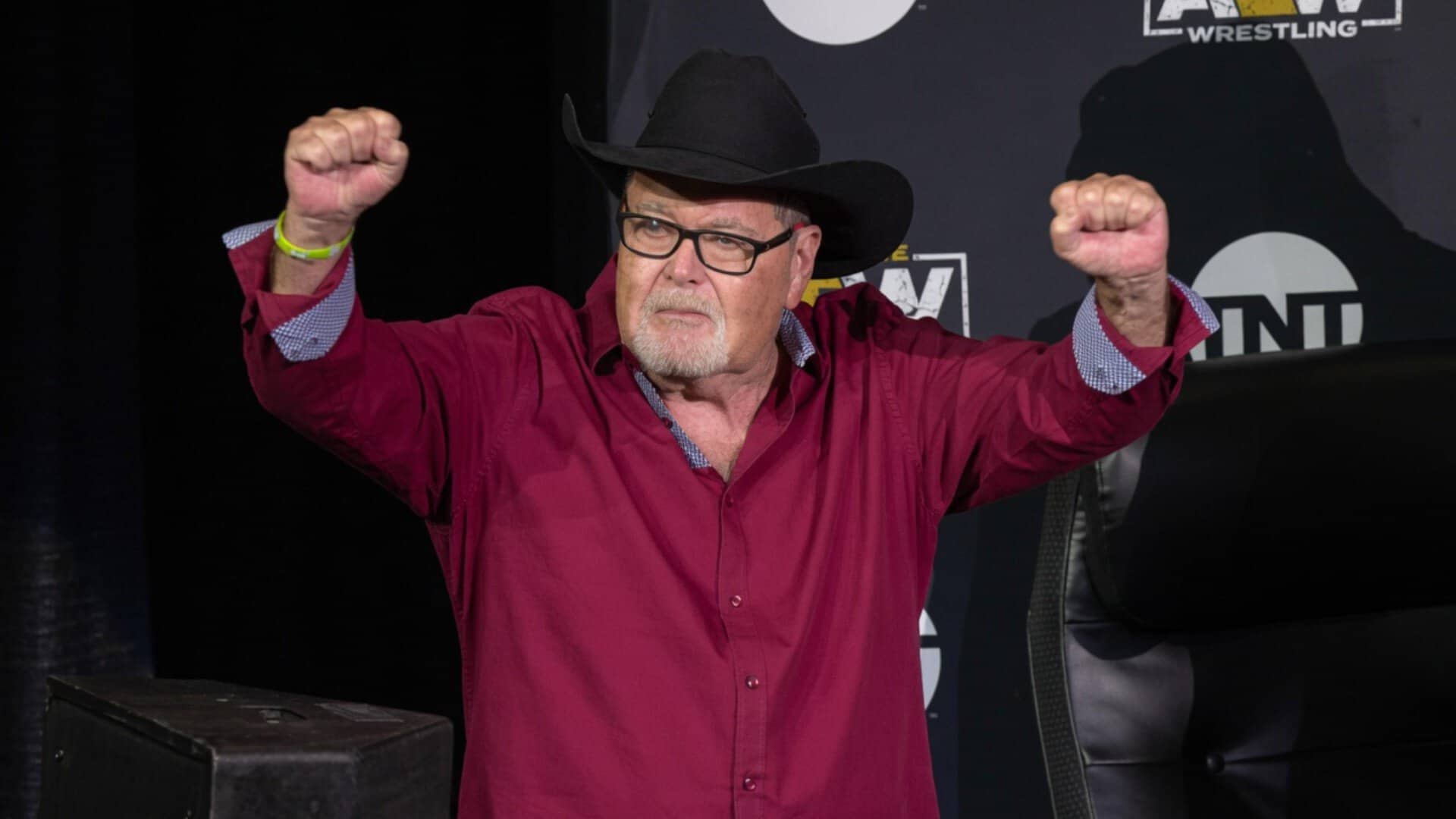
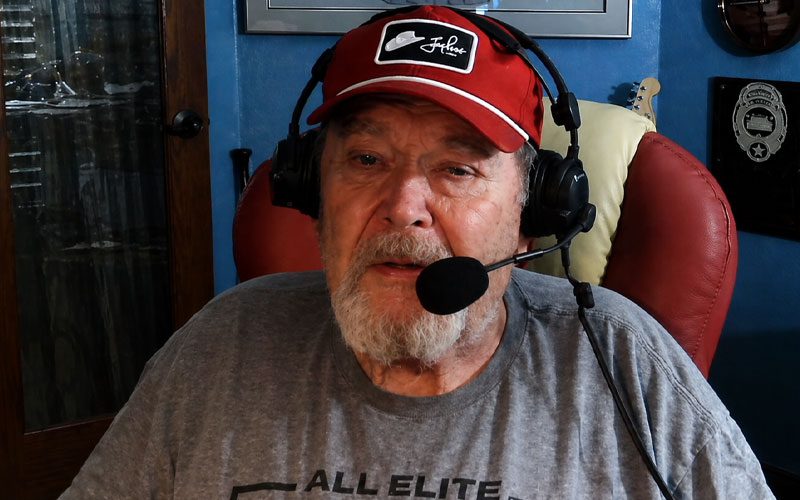
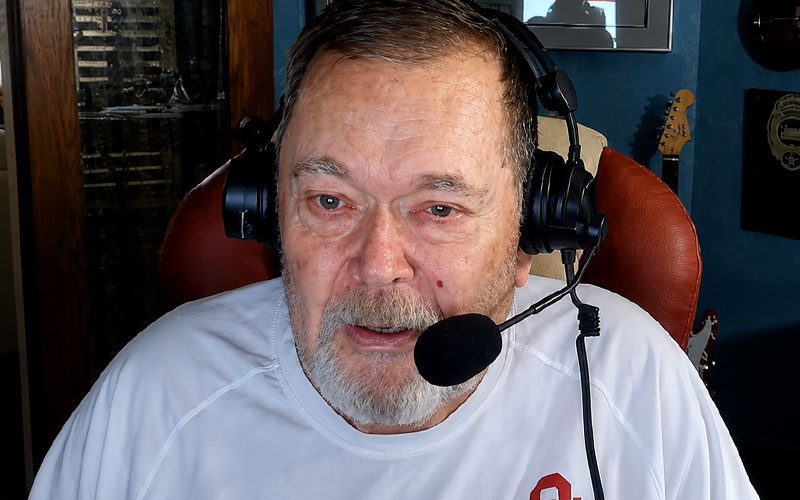
Jim Ross is currently undergoing neurological testing. As F4WOnline reported, the legendary broadcaster is being closely monitored for potential dementia and Alzheimer’s disease. It stops you dead in your tracks.
This is not a wrestling storyline, and this is certainly not a work. This is the brutal, unforgiving nature of time catching up to a man who essentially narrated our collective childhoods.
The revelation on Grilling JR
The news broke in the most straightforward way possible. During a recent episode of his Grilling JR podcast, he laid out the unvarnished facts regarding his health. He confirmed he has been undergoing rigorous medical evaluations to check for early signs of cognitive decline.
There was absolutely zero sugarcoating of the situation. For a guy who has already survived multiple bouts with skin cancer and Bell's palsy, this feels like an incredibly cruel hurdle. We have grown so accustomed to him being completely indestructible.
He sat at the WWE commentary desk with half his face paralyzed and still managed to put over the talent in the ring better than anyone else on the planet. You just naturally assume he is going to outlast all of us. Hearing that his memory and cognitive functions are under threat is deeply unsettling.
It forces every single fan to reckon with the mortality of their heroes. The wrestling machine never stops running, but moments like this force the entire industry to hit the pause button.
The absolute anchor of a generation
Try to watch any major WWE moment from the late 1990s or early 2000s with the sound completely muted. It simply does not work. The visual of Mankind being thrown off the top of Hell in a Cell is visually stunning, but the audio is what cemented it in history.
His sheer, unbridled panic when the Undertaker chokeslammed Mick Foley through the roof of that cage is etched into the DNA of professional wrestling. He sold the raw danger of the stunt. He made you believe that you were watching a man die on live television.
When Stone Cold Steve Austin marched to the ring at WrestleMania 14, his voice cracking as he declared the Austin era had begun elevated the entire presentation. He was the emotional anchor for an industry built almost entirely on smoke and mirrors. When things got absolutely ridiculous, his Southern drawl grounded the product in reality.
Think about the mechanics of professional wrestling for a second. You have two athletes in spandex pretending to fight. The only way it translates into high art is if the man calling the action treats it like a legitimate athletic contest.
JR never winked at the camera, and he never let the audience in on the joke. If someone locked in a Sharpshooter, he acted like knee ligaments were actively tearing in front of him. He yelled about the torque, explained the biomechanics of the hold, and treated the squared circle like it was an octagon.
A critical look at the AEW experiment
Let's be completely honest about his run in All Elite Wrestling, because pretending it has been entirely flawless does a disservice to objective analysis. When Tony Khan brought him in back in 2019, it was a brilliant maneuver. Having him call your matches immediately signaled to casual fans that this was a major league promotion.
But the fit has frequently been an awkward disaster. Tony Khan deserves a massive amount of blame for his initial usage of the legendary announcer. You do not hire the greatest play-by-play man in the history of the sport and force him to call matches that actively mock the rules he spent forty years enforcing.
During the early days of Dynamite, he was forced to sit through entirely choreographed routines disguised as wrestling matches. You could literally hear the disdain dripping from his voice. He would ask why the referee wasn't issuing a five-count, or openly question why a wrestler would wait outside the ring to catch a flying opponent.
It was painfully awkward television that benefited absolutely nobody. It was like hiring a classical orchestra conductor and forcing him to direct a chaotic punk rock show in a basement. The dissonance was loud, uncomfortable, and alienated the hardcore fans who just wanted a clean broadcast.
Instead of finding a middle ground, the commentary often devolved into heavy sighs while Excalibur frantically tried to cover for the obvious logic holes happening in the ring. Putting an old-school, Bill Watts-trained wrestling mind out there to call modern spot fests was a massive unforced error.
Finding magic in the grit
However, when AEW actually puts him in a position to succeed, the old magic comes roaring back immediately. You do not need him out there calling opening matches with six people diving to the concrete. You save him for the main event fights that actually tell a coherent, violent story.
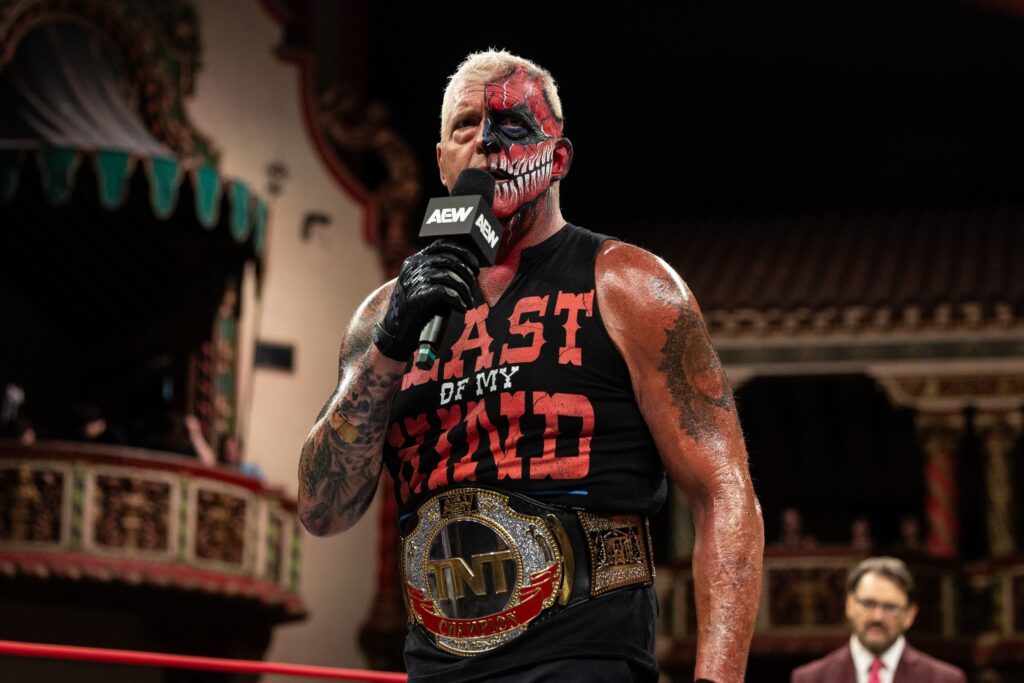
Look at his recent comments regarding the current main event scene. Wrestling Inc just covered his thoughts on Darby Allin's AEW World Championship reign, and the contrast is night and day. Listen to him break down Darby's character.
He gets it instantly. Darby Allin works the exact kind of matches that make sense to a Mid-South wrestling purist. He takes an incredible amount of punishment, sells like he is literally dying, and fights from underneath with raw desperation.
JR zeroed in on that specific psychology during his podcast analysis. He loves the fact that Darby doesn't just do moves for the sake of clipping them for Twitter. Everything has a violent purpose, and everything clearly hurts.
When he calls a Darby Allin title defense, the grumpy sighs completely disappear. He locks in and calls the action with a frantic energy that reminds you exactly why he is sitting in that chair. It proves that his mind for the business is as sharp right now as it was in 1989.
The cruelest opponent imaginable
The reality of Alzheimer's and dementia is universally terrifying for anyone who has watched a family member go through it. These are incredibly insidious diseases. They do not just attack your physical body; they actively attack your entire identity.
They rob you of your history. For a man whose entire life is inextricably linked to his ability to recall the past, this feels exceptionally cruel. Professional wrestling is a business built almost entirely on historical memory.
We rely on commentators to remind us of the bad blood between two rivals. We need them to reference a match that happened five years ago to add heavy stakes to a sequence happening right now in front of us. He has a database of wrestling history locked in his head that stretches all the way back to the territory days of the 1970s.
He remembers the smell of the locker rooms in Oklahoma. He remembers the exact gate receipts for obscure house shows in Louisiana. The terrifying thought of that mental library being slowly erased by a neurological condition is absolutely heartbreaking to process.
Appreciating the present moment
We spend way too much time in this community arguing violently about the future. We fight over impending TV rights deals, attendance figures, and hypothetical contract negotiations. We are constantly looking ahead to the next pay-per-view cycle or the next surprise debut.
This medical news demands that we stop and appreciate the present immediately. Jim Ross is still here with us. He is still getting behind the microphone, and he is still providing the gravitas that makes a world championship match feel like a life-or-death struggle.
Whatever happens with these ongoing medical tests, his legacy is absolutely bulletproof at this point. He survived the Monday Night Wars, survived Vince McMahon screaming relentlessly into his headset, and survived personal tragedies that would have broken a significantly lesser man.
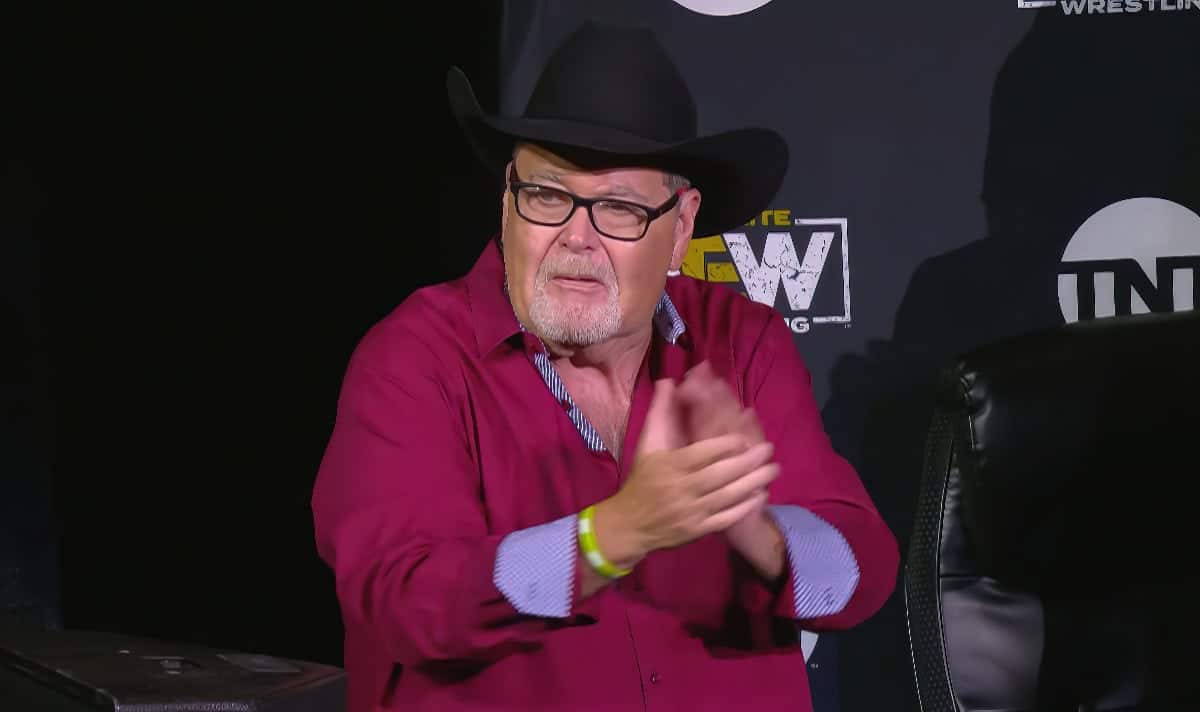
We do not know what the next few months will bring for him or his family. But as we sit down to watch Double or Nothing this Sunday, we need to take a second to respect the man under the black hat. He gave us his voice for four decades, and we owe him our absolute, undivided respect right now.