A sobering update for the voice of a generation
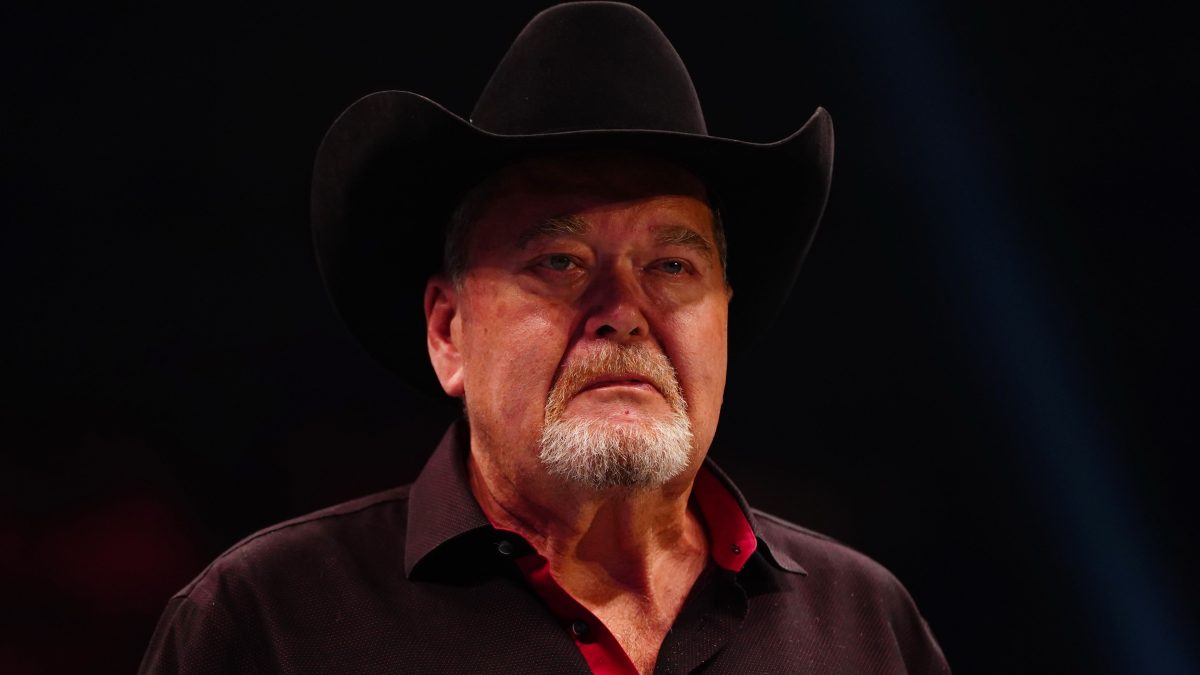
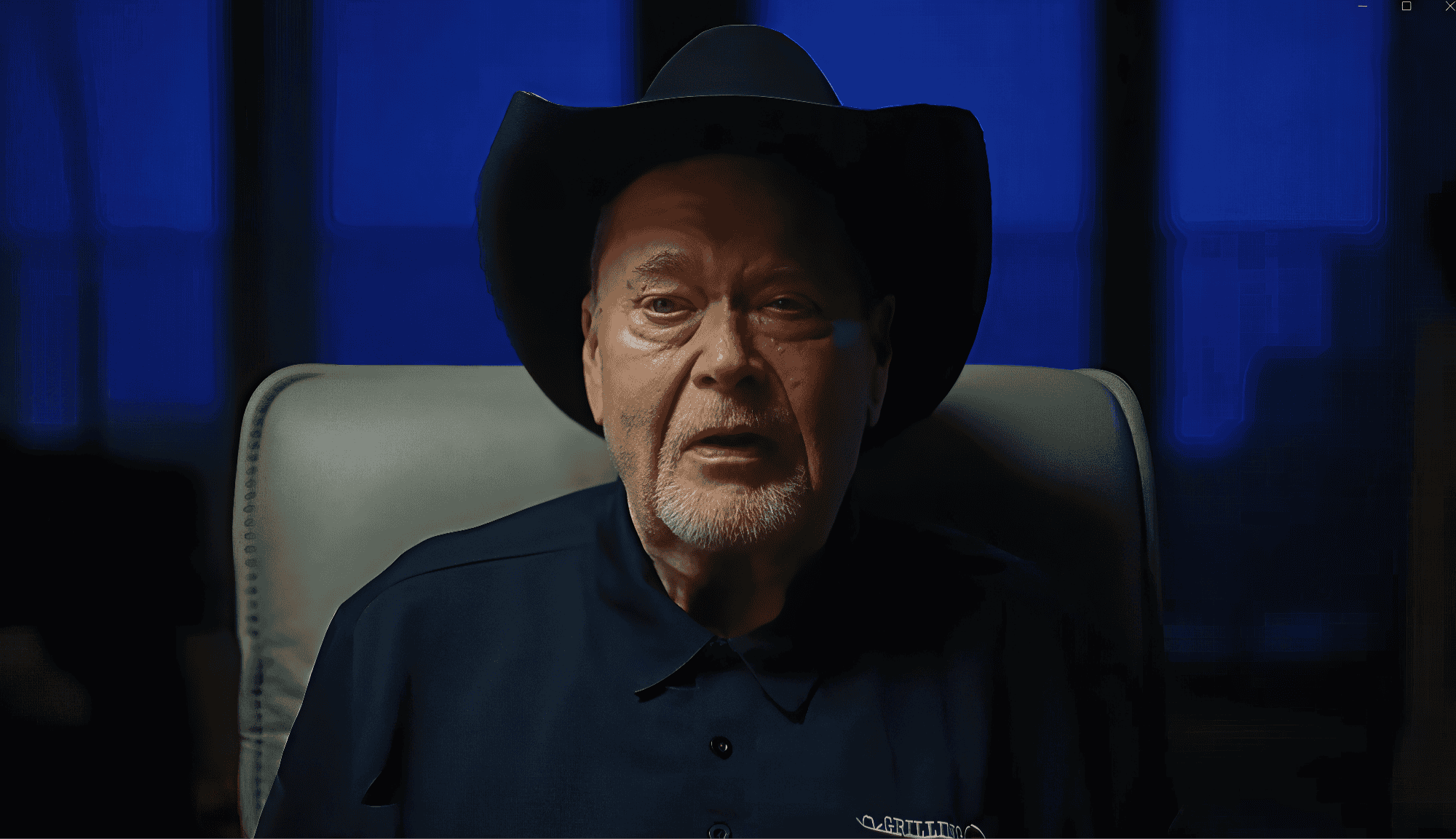
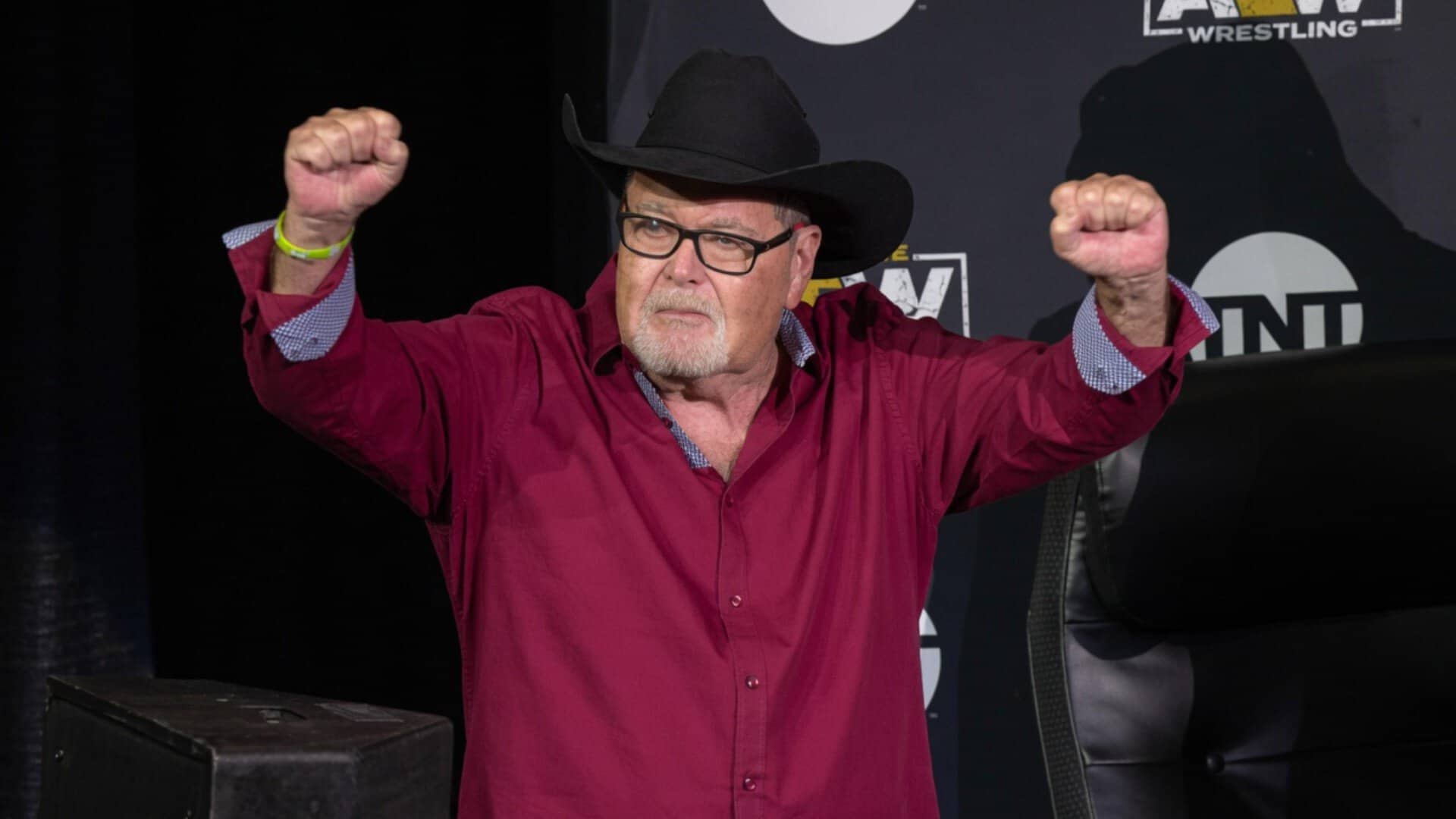
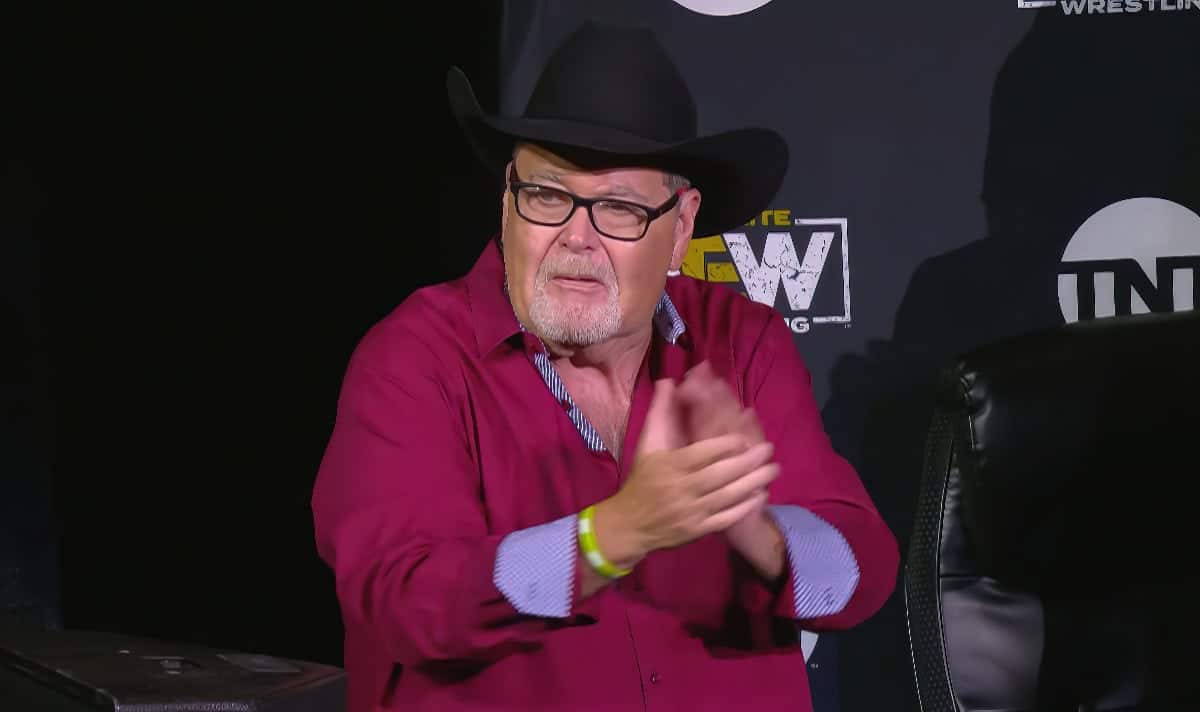
The professional wrestling world is processing a difficult update regarding the health of Jim Ross. Reports indicate that the legendary broadcaster is currently being monitored for potential dementia and Alzheimer’s disease following a series of neurological tests. This development marks a significant shift from his previous physical health battles, moving the focus toward long-term cognitive health for the 74-year-old Hall of Famer.
Ross has been the definitive voice of the industry for over four decades. From Mid-South to the peaks of the Attitude Era and his current tenure in AEW, his voice has provided the soundtrack to the biggest moments in history. Now, that voice may be facing its most daunting challenge yet as medical professionals evaluate the cumulative impact of his long career and recent health scares.
The monitoring process is reportedly in its early stages. Specialists are looking at how various factors—including past concussions, recurring Bell's Palsy bouts, and the stress of a lifelong travel schedule—may be contributing to current symptoms. While no definitive diagnosis has been made, the decision to begin monitoring for neurodegenerative conditions suggests that his medical team is taking a proactive, serious approach to his neurological baseline.
The timeline of testing and monitoring
Sources close to the situation suggest the testing began after a series of minor incidents that raised flags for those working closely with the veteran announcer. While Ross has remained active on his Grilling JR podcast and has made semi-regular appearances on AEW pay-per-views, his schedule has been heavily reduced over the last year. The decision to step back was initially attributed to his ongoing recovery from skin cancer treatments and hip issues, but the scope of concern has clearly widened.
Neurological monitoring for dementia and Alzheimer’s often involves a battery of cognitive assessments, brain imaging, and longitudinal observation. This isn't a 24-hour diagnostic process. It is a slow, methodical look at cognitive decline versus normal aging. For Ross, the goal is to determine if recent lapses in memory or verbal fluency are symptomatic of a deeper underlying condition or simply the result of exhaustion and physical strain.
The news comes just as the wrestling world prepares for a major weekend. With AEW Double or Nothing 2026 scheduled for this Sunday, the status of Ross for the broadcast is now highly uncertain. While fans have grown accustomed to hearing him call the main events, the priority has shifted entirely to his health and long-term well-being.
A career defined by resilience and setbacks
Jim Ross is no stranger to the medical table. His history of health issues is well-documented, making his longevity in the business even more remarkable. He has survived multiple bouts of Bell's Palsy, a condition that causes temporary facial paralysis. Each time, Ross fought through the physical and emotional toll to return to the broadcast booth, even when his appearance was used as a cruel punchline in televised storylines during his WWE tenure.
In late 2021, Ross revealed a diagnosis of skin cancer on his leg. He underwent a grueling course of 22 radiation treatments while continuing to work, a testament to his work ethic but also a point of concern for those who felt he should have rested. The healing process for those radiation burns was slow and painful, complicated by his age and the demands of travel. Even as the cancer went into remission, the physical toll on his body was evident.
Falls have also played a role in his recent health narrative. In June 2023, just before the launch of AEW Collision, Ross suffered a heavy fall that resulted in a severe black eye and a concussion. He attempted to call the show that night, but his voice was noticeably strained and he later apologized to fans for his performance. Looking back, that concussion may have been a more significant turning point than anyone realized at the time.
The weight of the road
The wrestling business is notoriously hard on the body, and not just for those taking the bumps inside the ring. For broadcasters like Ross, the schedule involves constant flights, late nights, and the mental tax of live television. Ross has lived this life since the late 1970s. The cumulative effect of thousands of nights in hotels and the pressure of being the lead voice for billion-dollar companies cannot be ignored when discussing his current cognitive health.
Recent years have seen him transition into a "special attraction" role in AEW. This was a strategic move by Tony Khan to preserve Ross while still utilizing his gravitas for major matches. However, even this reduced schedule requires travel and intense focus. The shift to neurological monitoring suggests that even this limited role may now be too much for his system to handle safely.
There is also the matter of his personal life and the losses he has endured. The passing of his wife, Jan, in 2017 was a devastating blow that many believe took a permanent toll on his spirit. Ross has often said that wrestling is his therapy, the one thing that keeps him going. But when the thing that keeps you going starts to demand more than your health can provide, the situation becomes precarious.
Strategic implications for AEW and the broadcast booth
From a production standpoint, AEW now faces the reality of life without Jim Ross as a safety net. The current booth, led by Excalibur, Tony Schiavone, and Taz, has found its rhythm, but the "JR factor" remains a massive part of the company's brand identity. His presence lends an air of legitimacy and history that is impossible to replicate. Losing him, even temporarily, changes the texture of the broadcast.
If the monitoring leads to a formal diagnosis or a recommendation to retire from the road, AEW will have to decide how to honor his legacy without putting his health at risk. There has been talk of a more permanent studio-based role or increased involvement in sit-down interviews, similar to the legendary work he did with Mankind or Goldust in the 90s. This would allow him to contribute without the three-hour live television grind.
Competitively, WWE has also moved away from its legacy voices, with Michael Cole now leading a younger generation of announcers. The industry is in a period of transition where the voices of the 80s and 90s are stepping away. For AEW, the challenge is maintaining its connection to wrestling history while building a future that doesn't rely on the health of a man who has already given everything to the business.
The Double or Nothing dilemma
With Double or Nothing just three days away, the immediate question is whether Ross will be in Las Vegas. Usually, his presence is confirmed weeks in advance for a show of this magnitude. The silence from the AEW camp regarding his participation is telling. If he is absent, it will be a glaring omission that confirms the severity of the neurological testing reports.
The matches on the card, including the anticipated main event for the AEW World Championship, are exactly the kind of high-stakes encounters where Ross excels. His ability to convey the emotional weight of a story is unmatched. Without him, the show will still be technically proficient, but it may lack that specific resonance that only he can provide. It is a difficult spot for Tony Khan, who has always treated Ross with immense respect.
It’s worth noting that Ross himself has been open about his desire to finish his career on his own terms. He has often spoken about wanting to "go out with his boots on." But as medical science advances and our understanding of brain health improves, the industry has a responsibility to protect its legends from their own competitive drive.
The human cost of the wrestling business
There is a critical observation to be made about how the wrestling industry treats its veterans. For decades, the culture has been one of "working through it." Whether it's a torn ligament or a concussion, the pressure to show up is immense. While AEW has a better track record than previous organizations, the fact remains that a 74-year-old man with a history of skin cancer and neurological issues was still being sent on cross-country flights until very recently.
We have seen this play out before with other legends who stayed too long. The decline is often visible on screen before it is acknowledged off-screen. In the case of Ross, there have been nights where he seemed disconnected or struggled with names, moments that were often mocked by fans on social media. In hindsight, those moments feel less like a lack of preparation and more like early warning signs that were ignored in favor of the show going on.
The industry must move away from the idea that these legends are indestructible. The toll is real, and it is often invisible until it reaches a crisis point. If Ross is indeed facing a neurodegenerative condition, the conversation needs to shift from "when will he be back?" to "how can we support him in his life after the booth?"
Assessing the legacy vs. the current reality
Jim Ross doesn't owe the wrestling business anything else. He has called more matches, traveled more miles, and mentored more talent than almost anyone in history. His legacy is secure regardless of how this health situation unfolds. The concern now is for the man, Jim Whitehead, not the character, Good Ol' JR.
As the monitoring continues, the hope is for a manageable outcome. Modern medicine has made strides in slowing the progression of cognitive decline, but it requires rest and a reduction in stress—two things that are in short supply in the world of professional wrestling. The best-case scenario is that this is a false alarm or a minor setback. The worst-case scenario is the beginning of a long goodbye.
Regardless of the results, this is a wake-up call for the industry. The voices we love are human, and they are fragile. As we head into Double or Nothing, the thoughts of the entire community are with Ross. We have spent decades listening to him tell us why these matches matter; now, it’s time to show him why his health matters even more. The one-man show and the podcast can wait. The booth can wait. The focus must be on the man behind the microphone.