The health outlook for wrestling's voice
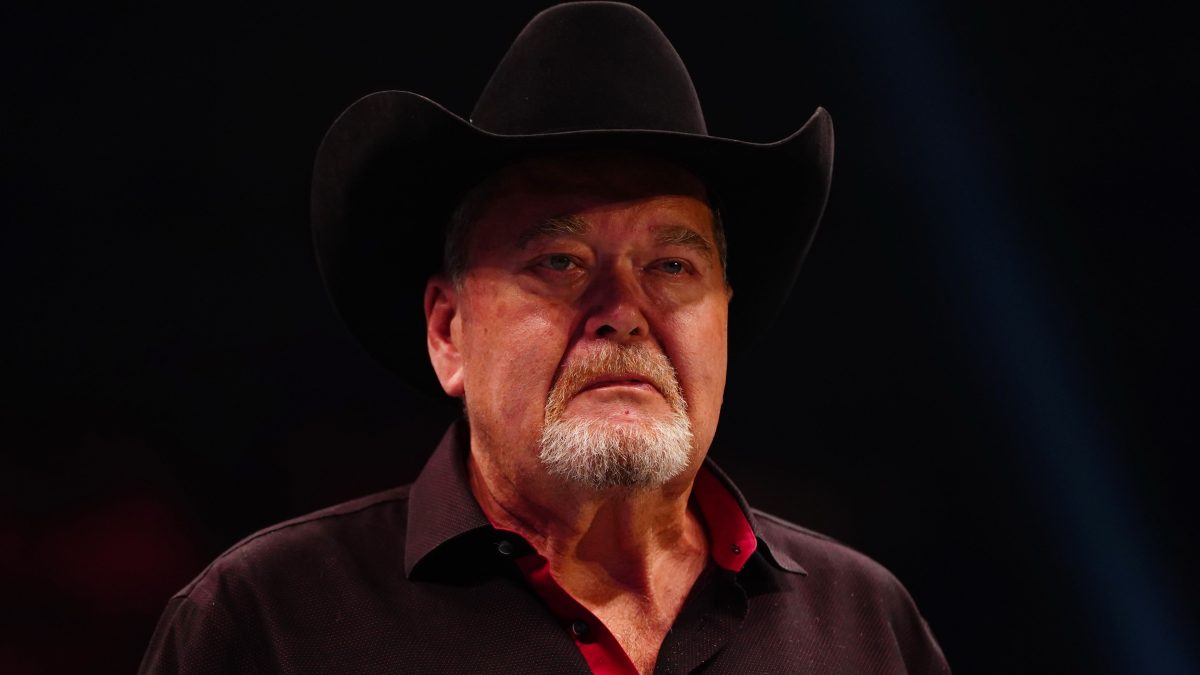
Jim Ross, the veteran AEW commentator and industry staple, recently shared that he has undergone rigorous neurological testing to assess potential signs of Alzheimer’s and dementia. The disclosure came during the latest episode of his podcast, "Grilling JR," amid concerns regarding cognitive health during his current tenure with All Elite Wrestling.
As reported by Wrestling Inc, the 74-year-old broadcaster is actively working with medical professionals to monitor the progression of his symptoms. This follows a high-profile stretch where health issues have frequently forced the Hall of Famer off the commentary desk.
A career defined by endurance
Ross has spent over four decades in the booth, famously anchoring the professional wrestling boom of the late 90s. His recent health path has been turbulent. He has faced numerous battles, including skin cancer treatments which significantly hindered his ability to call matches at various points since 2021.
The announcement underscores the physical and mental toll of a lifetime on the road. For the industry, this is not a new narrative. The wrestling business has long grappled with the long-term cognitive consequences faced by those who spent decades in the ring, though hearing a veteran broadcaster undergo such specific testing marks a departure from how talent usually approaches public transparency.
Strategic ripples in AEW and beyond
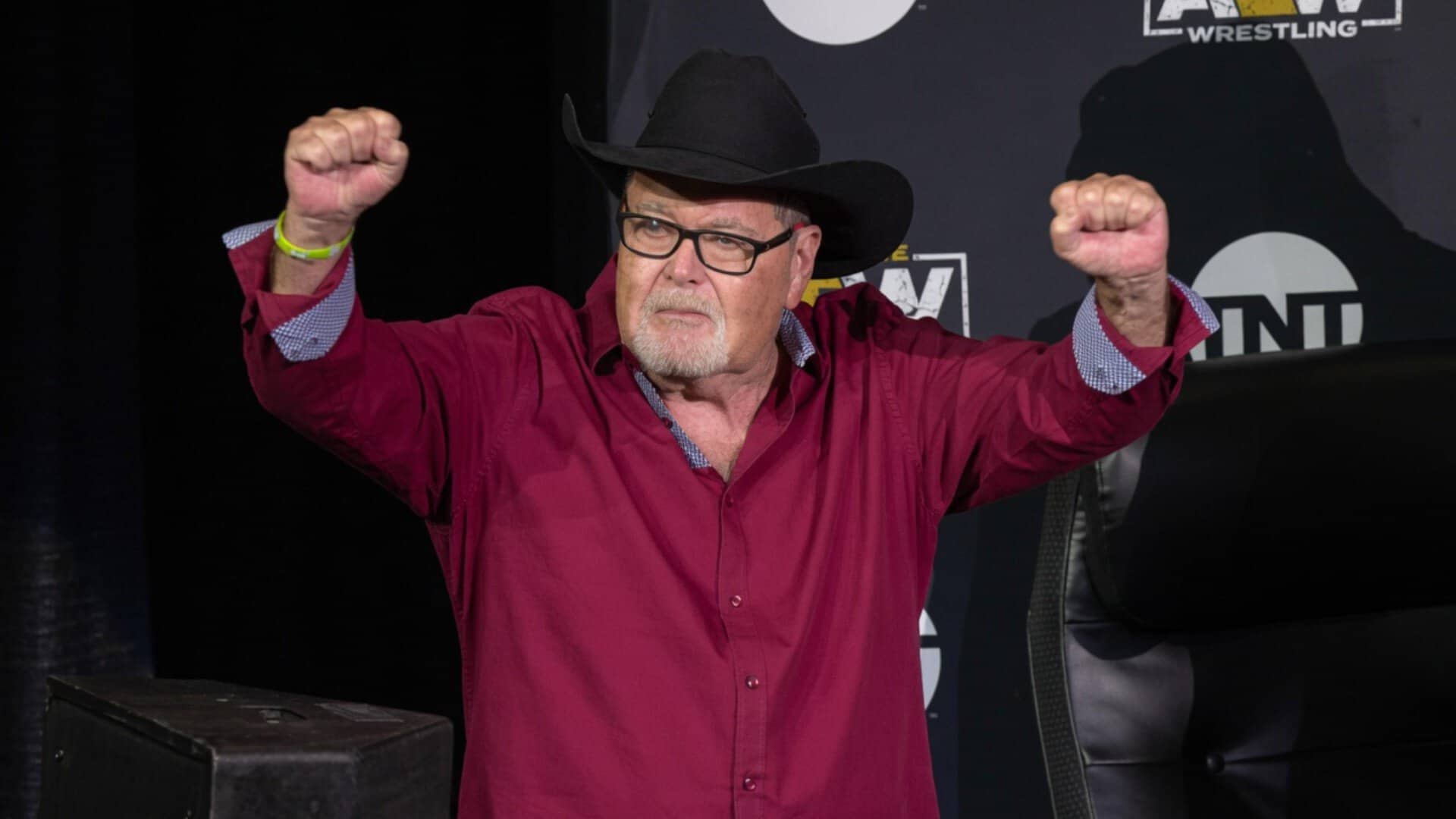
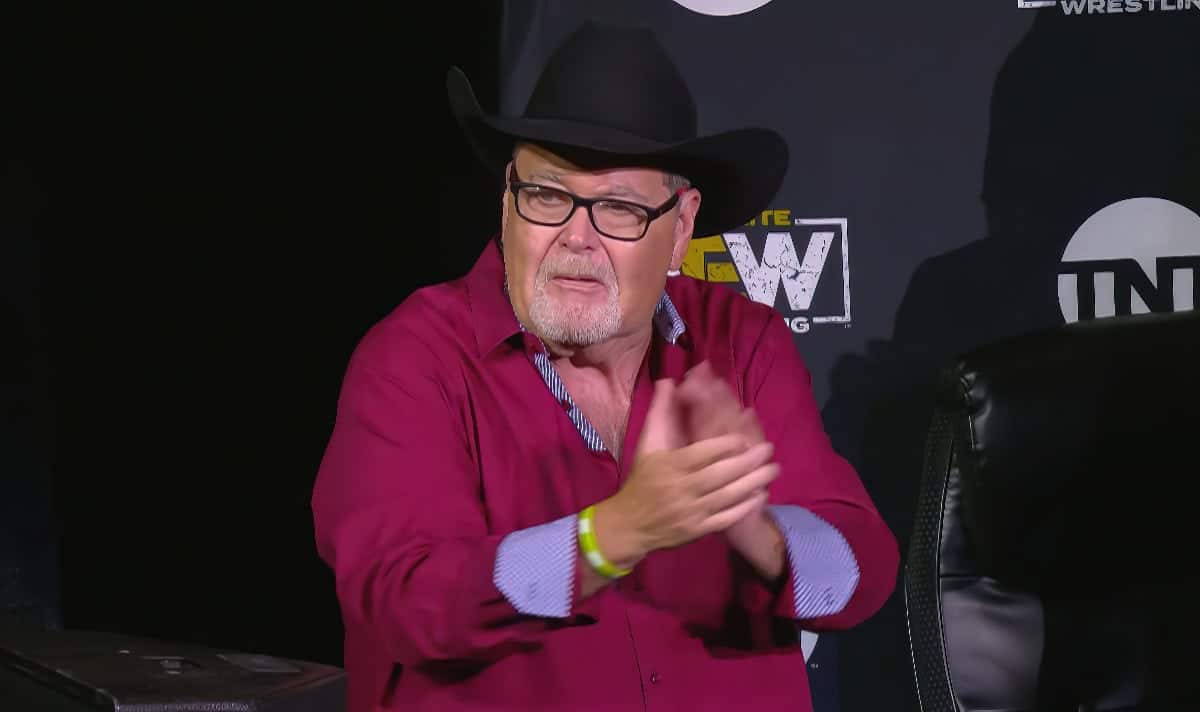
Ross remains an active voice on AEW programming, but his availability has become unpredictable. His absence places a heavy burden on the promotion’s broadcast rotation, forcing Tony Khan to lean on younger voices like Excalibur and Tony Schiavone to carry the load during marquee events like the upcoming Double or Nothing 2026.
Beyond AEW, Ross continues to weigh in on wider industry headlines. He recently made headlines for his comments on the Ludwig Kaiser situation, where he labeled developments in the recent legal matter involving the WWE star as "good news." That critique of the ongoing mess in Stamford shows he is still processing the industry at large, despite his personal medical obstacles.
The professional scrutiny
Watching a legend move into this phase of his career is a sobering reality for fans who grew up with his call. However, critical observers have noted that his work rate on commentary has suffered during recent bouts of health-related fatigue, leading to occasional lapses in memory during airtime. Whether these lapses are purely performance-based or linked to his current health check remains a question of concern among hardcore listeners.
There is limited historical precedent for a play-by-play announcer of his stature managing a degenerative cognitive condition while actively working on live national television. Most commentators in similar positions would have been retired by corporate stakeholders well before this stage. AEW’s decision to keep him in the chair seems rooted in both his historical significance and his own desire to remain in the booth as long as his physical state permits.
The medical team evaluating Ross has yet to release an updated timeline regarding his ability to call long-form matches. For now, the cadence of the broadcast team remains at the mercy of his day-to-day health status. The stakes are high for AEW as they head into the summer, necessitating a reliable commentary lineup to support the upcoming transition into the next production cycles.