
Ricky Saints is heading to SmackDown but the hard part starts now
The Performance Center bubble bursts
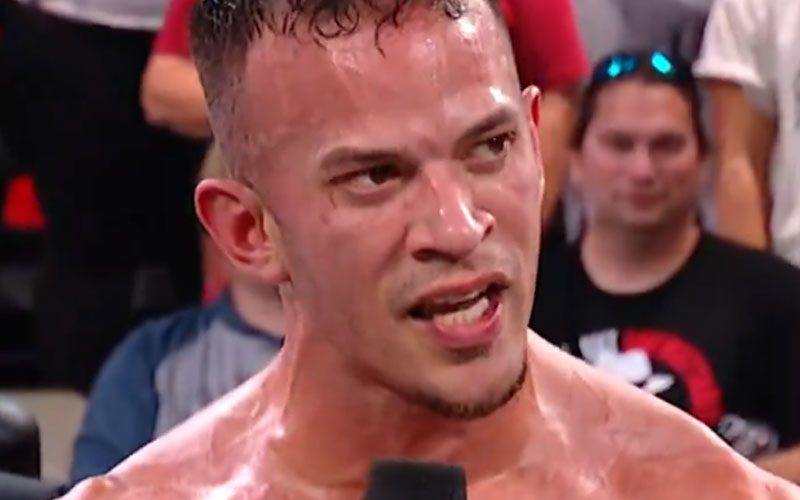
Ricky Saints grabbed the microphone on Tuesday night and looked around the Capitol Wrestling Center. The farewell speech hit all the expected notes. He thanked Shawn Michaels. He thanked the fans who sat in those bleachers for the last two years. He promised to make them proud on Fridays.
It was a nice moment. It was also the last time things will be that easy for him. Moving from NXT to the main roster is not a promotion. It is a completely different sport. The controlled environment of Florida is gone, replaced by the relentless churn of live television and the unforgiving reality of the Nielsen ratings.
Saints leaves NXT with a stellar track record. He spent the last eighteen months anchoring the midcard, putting together a string of matches that won over the hardcore fanbase. But SmackDown does not need work-rate exhibitions. Nick Aldis needs segments that pop a rating in the 9:15 PM quarter-hour. He needs characters who can hold viewer attention across a commercial break.
The jump to the main roster is littered with the careers of guys who thought their technical ability would save them. The Performance Center teaches you how to wrestle safely. It does not teach you how to survive when the script is torn up at 7:30 PM on a Friday. Saints is walking into a meat grinder, and the safety net has been officially removed.
The pacing problem on Friday nights
If you watch Saints' tape from the last year, a distinct pattern emerges. He is a slow starter. He uses the first five minutes of his matches to establish distance, working headlocks and testing the waters with basic grappling. It is traditional, methodical, and completely unsuited for Friday Night SmackDown.
Consider his recent program with Oba Femi. The matches were highly praised, but they required immense patience. Saints took his time selling the size difference. He let the crowd breathe. He worked the joints and slowly built to his comebacks. On main roster television, commercial breaks dictate the flow. You do not get five minutes to establish distance when the production truck is screaming for a transition.
The contrast between Shawn Michaels' vision of NXT and Paul Levesque's vision of the main roster is stark. Michaels allows his talent to lean heavily into pure wrestling. He books matches that appeal to a purist sensibility. Levesque, while appreciative of good grappling, prioritizes narrative structure. The main roster is built on cinematic beats, not chain wrestling.
Saints thrived under Michaels because the system was designed to protect him. If he needed fifteen minutes to tell a story, Michaels gave him fifteen. If he wanted to bleed time into a minor feud with a midcarder, the television minutes were allocated. That luxury simply does not exist on a show that regularly cuts entrances due to time constraints.
You can see this clash of philosophies whenever an NXT star attempts to run their usual sequences on SmackDown. The pacing feels sluggish. The spots feel overly choreographed. Saints is going to hit this wall hard. He will find out very quickly that running the ropes with precision matters less than hitting your mark for the camera sweep.
This is where the jump usually breaks down for technical standouts. Look at how long it took Ilja Dragunov to adjust his internal clock when he moved up. Saints will be asked to compress his 20-minute NXT main event style into an 8-minute TV sprint. The margins for error shrink drastically when the clock is ticking.
When you only have eight minutes, every offensive transition has to mean something. You cannot waste two minutes on a sequence that ends in a standoff. The crowd in Omaha or Memphis will go dead. Saints has a bad habit of running complex counter-wrestling spots that look beautiful but drain the energy from an arena.
Finding a place in a crowded hierarchy
SmackDown is currently built around top-heavy star power. Cody Rhodes is holding the WWE Championship after defending it successfully at WrestleMania 41. The Bloodline drama continues to consume massive chunks of television time. The middle of the card is a scrap heap where talented guys fight for scraps of screen time.
Where does Saints fit? He is not big enough to immediately challenge the heavyweights. He lacks the bombastic character work to jump into a high-profile non-title feud. His bread and butter is between the ropes, which points him directly toward the United States Championship picture.
That division is currently a shark tank. You have Andrade, Carmelo Hayes, and LA Knight constantly jockeying for position. Throwing Saints into that mix is trial by fire. He cannot afford to have a quiet first month. If he goes out and wrestles a technically sound but quiet match against a guy like Santos Escobar, he will be shuffled down the card immediately.
WWE management is notoriously impatient with call-ups who fail to connect right away. Saints needs an immediate hook. His in-ring work is smooth. His striking is crisp. But crisp striking does not sell t-shirts or keep viewers from changing the channel. He needs a defining character trait that translates to a stadium.
He needs to look at what worked for Carmelo Hayes. Hayes didn't just rely on his athleticism; he brought an arrogance that translated immediately to the main roster cameras. Saints needs to find his equivalent of that swagger. The respectful, hard-working grappler is a dead-end gimmick on the main roster.
The glaring flaw in his presentation
Let’s be brutally honest about his NXT run. For all the praise regarding his matches, his promo work remains wildly inconsistent. When he is allowed to talk quietly in backstage pretapes, he sounds authentic. Put a microphone in his hand in the middle of the ring, and his cadence falters entirely.
He relies heavily on generic underdog tropes. He talks about how hard he worked to get here. He talks about respecting the business and loving the fans. That material works in front of four hundred diehards in Orlando. It dies a quick death in front of casual fans waiting for the main event.
This is the fatal flaw in his current presentation. He speaks like a guy reciting lines rather than a prize fighter demanding a bigger purse. If he walks onto SmackDown and delivers the same 'happy to be here' promo he gave on Tuesday, the experiment will fail.
He needs an edge. He needs to ditch the respectful technician routine and lean into the arrogance that occasionally flashed during his heel run on the indies. The main roster does not reward polite wrestlers. It rewards people who demand attention and refuse to apologize for taking up space.
We saw a glimpse of this during a brief feud with Trick Williams last winter. Saints dropped the smile and delivered a sharp, biting promo about Williams lacking technical fundamentals. It was the best talking segment of his career. He needs to find that gear again, and he needs to live in it permanently on Friday nights.
The mechanical adjustments required
Inside the ring, Saints has to modify his offensive arsenal. His signature sequences are too cooperative. He uses a series of rolling waist-locks to transition into his German suplex. It looks fantastic when he is working with a fellow technician who knows the steps.
What happens when he tries that on a 280-pound opponent who misses his cue? Main roster wrestling requires offensive moves that can be executed on anybody, at any time, from any angle. His finisher requires the opponent to base out perfectly. He needs a strike or a submission that he can pull out of nowhere.
His defensive selling also needs a tweak. In NXT, he sells exhaustion. He drags himself around the ring, clutching ribs and limping. It builds drama over twenty minutes. On SmackDown, you have to sell the immediate impact. You need to snap your head back and make the casual viewer wince. Nuanced selling gets lost on the hard cam.
There are positive signs. His footwork is elite. He rarely finds himself out of position, which means he can cover for mistakes. If an opponent drops a spot, Saints knows how to seamlessly transition into a hold to buy time. That level of ring awareness is rare for someone with his experience level.
He also possesses a rare ability to feed a comeback. When he is on defense, he throws punches that look desperate but safely guide his opponent into the next spot. This is a skill that main event guys appreciate. If he can get in the ring with a top star and make their offense look devastating, he will guarantee himself future bookings.
There is also the question of stamina. Wrestling a grueling twenty-minute match every three weeks at an NXT Premium Live Event is taxing. But the main roster schedule is a different beast entirely. He will be doing four shows a week. He will be performing the same match over and over on the house show loop.
Can his body hold up to that physical wear and tear? His offense involves a lot of high-impact bumps. Taking a flat back bump off a top-rope counter on a Sunday night in Kalamazoo is a lot different than doing it on a padded ring in Orlando. The travel alone has ruined better athletes than him.
The first month strategy
How should WWE book his first four weeks? Keep the microphone away from him. Let his actions establish his personality. Pair him with a veteran who can bump around and make his offense look lethal. A short, violent program with someone like Chad Gable would be ideal.
Gable knows how to lead a match. He understands television pacing. He can force Saints to work faster. A seven-minute TV match where Saints counters the Chaos Theory into a flash submission would immediately establish him as a dangerous presence.
The worst thing they could do is throw him into a multi-man tag match. He will disappear in the chaos. He needs isolated moments to show the audience why he matters. A backstage segment where he interrupts a prominent heel, followed by a physical confrontation, does more than a month of competitive losses.
They also need to protect his presentation. Give him a distinct entrance theme. Give him unique lighting. The production values on SmackDown are a massive upgrade from NXT. If he walks out to generic rock music with standard arena lighting, he is already fighting an uphill battle.
The post-WrestleMania reality
We are just ten days removed from WrestleMania 41. The rosters are settling. The post-Mania reset is the perfect time to introduce a new variable. The front office clearly sees something in him, or they wouldn’t have expedited this call-up.
But potential is a dangerous word in WWE. It buys you exactly one opportunity. If you fumble the ball, the machine simply moves on to the next guy in line. Saints is walking into a locker room full of people who also had great NXT runs. The graveyard of NXT standouts who do nothing on the main roster is vastly overcrowded.
The recent WWE draft reshuffled the deck, but it also exposed how crowded the midcard truly is. Every single week, there are guys sitting in catering who were absolute stars on the independent scene. The machine does not care about your star rating in Reseda or your run in Japan. It only cares about what you can do on live television tonight.
Nick Aldis runs SmackDown with a very specific structural logic. He likes his roster to feel like legitimate athletes competing in a sporting environment. This actually works in Saints' favor. If Aldis presents him as a serious, no-nonsense grappler rather than a goofy character, it covers some of his microphone deficiencies.
Look at the upcoming schedule. WWE Backlash is just nine days away. The European tour follows shortly after. The grind is about to hit him. He will be wrestling four days a week, sleeping in rental cars, and trying to stay physically healthy while figuring out his character.
The travel schedule also impacts how a wrestler interacts with the locker room. In Orlando, you drive home to your own bed every night. You train at the same facility with the same coaches. The main roster is a traveling circus. The locker room hierarchy is real, and it is strictly enforced by the veterans.
Saints has a reputation for being quiet and keeping to himself backstage. That demeanor can be misinterpreted as aloofness when you are the new guy on the tour bus. He needs to actively build relationships with the established stars. The guys who succeed on the main roster are the ones who understand the backstage politics just as well as the wrist-locks.
If Roman Reigns or Seth Rollins do not see the value in working with you, your ceiling is capped. Saints needs to earn the respect of the locker room leaders immediately. The easiest way to do that is to make your opponent look like a million bucks while ensuring the match stays perfectly on time.
He has to realize that the wrestling is secondary. The character is everything. He needs to master three distinct television skills:
- The hard cam adjustment: Learning to play entirely to the red light instead of the front row.
- The commercial break pacing: Knowing exactly when to slow down for the picture-in-picture transition.
- The microphone cadence: Dropping the rapid delivery and letting the crowd react to his words.
The reports from Ringside News noted how emotional his farewell was. It was a fitting end to a great chapter. But the nostalgia ends today. Friday nights are unforgiving, chaotic, and completely intolerant of mediocrity.
Ricky Saints is about to find out exactly who he is, and more importantly, whether his particular set of skills actually translates to the big leagues. We will know within a month if he sinks or swims. My bet is on a rough first few weeks followed by a sharp adjustment. He is too smart to fail, but he is going to take some heavy lumps while he unlearns the habits that made him a star in Florida.
Blood and Guts: The History of Wrestling's Most Dangerous Matches by Scott E. Williams
A deep dive into the hardcore history that influenced modern AEW and extreme wre
Frequently Asked Questions
What brand is Ricky Saints moving to from NXT?
Why might Ricky Saints struggle to adapt on SmackDown?
How does the wrestling environment on SmackDown differ from NXT?
How do Shawn Michaels and Paul Levesque's booking styles differ?
What was Ricky Saints doing in NXT before his call-up?
More Coverage
John Cena’s final act is becoming a masterclass in nostalgia
31 minutes ago
Is Tommaso Ciampa eyeing an AEW jump after the Jericho feud?
40 minutes agoSummerSlam's digital buildup misses the physical mark
42 minutes ago
Why WWE's corporate booking machine keeps fumbling its best faction ideas
an hour ago
WWE Stacked Card for Detroit RAW Sets Up Crucial Mid-Summer Pacing
an hour ago
The backstage fallout of WWE's rotating roster and injury management
an hour agoMore Analysis
Ricky Saints is finally heading to SmackDown and it is about damn time
2 months, 2 weeks ago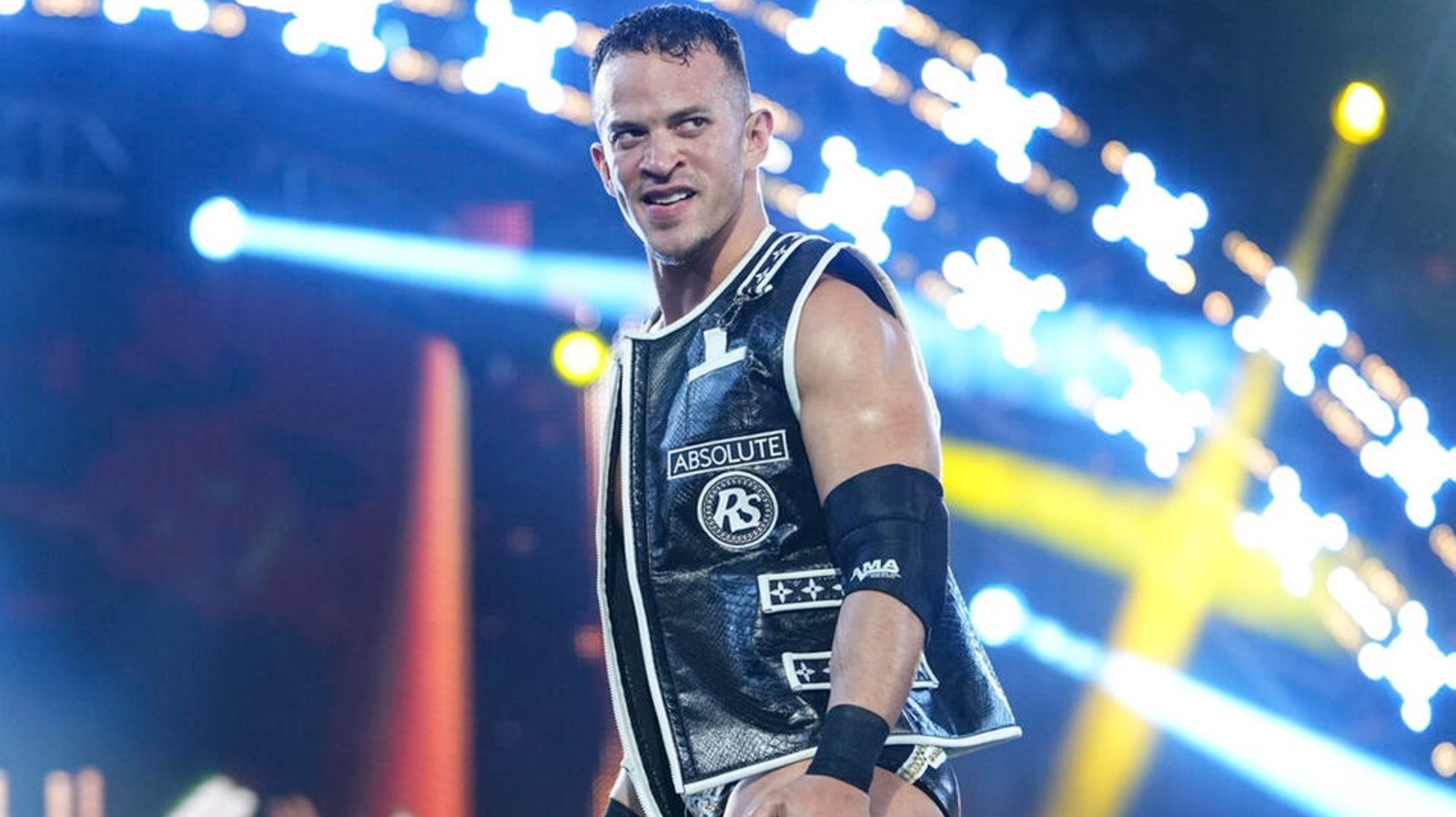
Ricky Saints is finally heading to SmackDown and his NXT goodbye was actually good
2 months, 2 weeks ago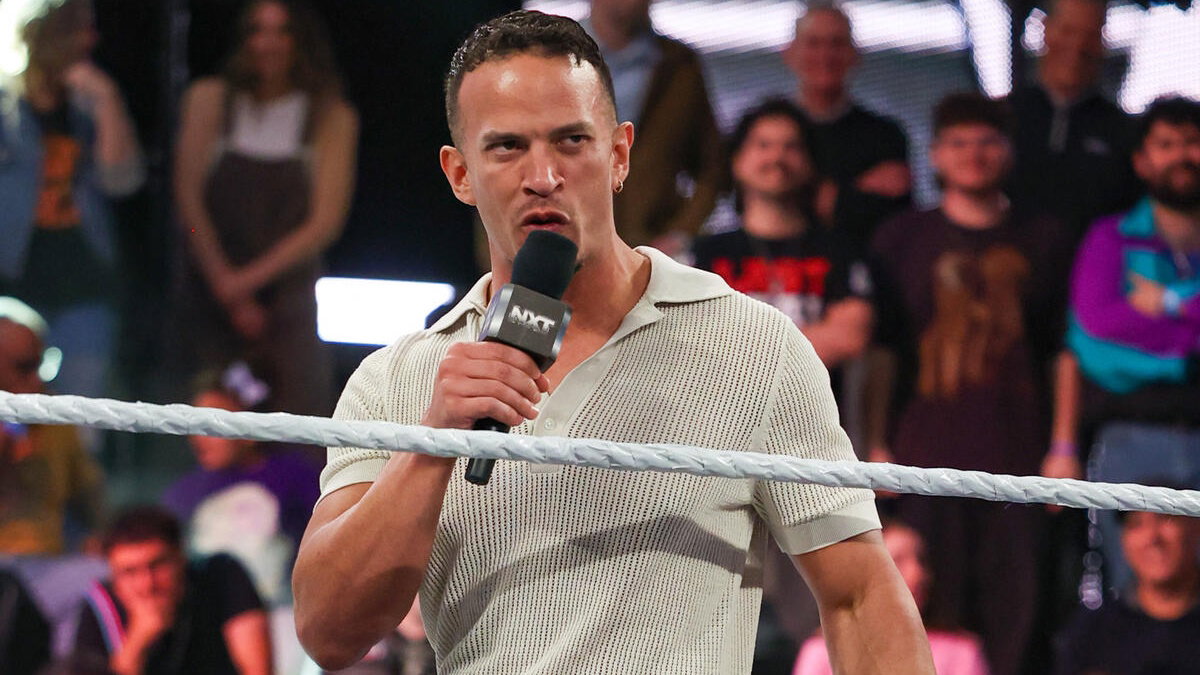
Ricky Saints heads to SmackDown as the post-WrestleMania shuffle begins
2 months, 2 weeks ago
Ricky Saints moving to SmackDown has NXT fans losing their minds
2 months, 2 weeks ago
The brutal math behind Ricky Saints' rushed SmackDown debut
2 months, 3 weeks ago