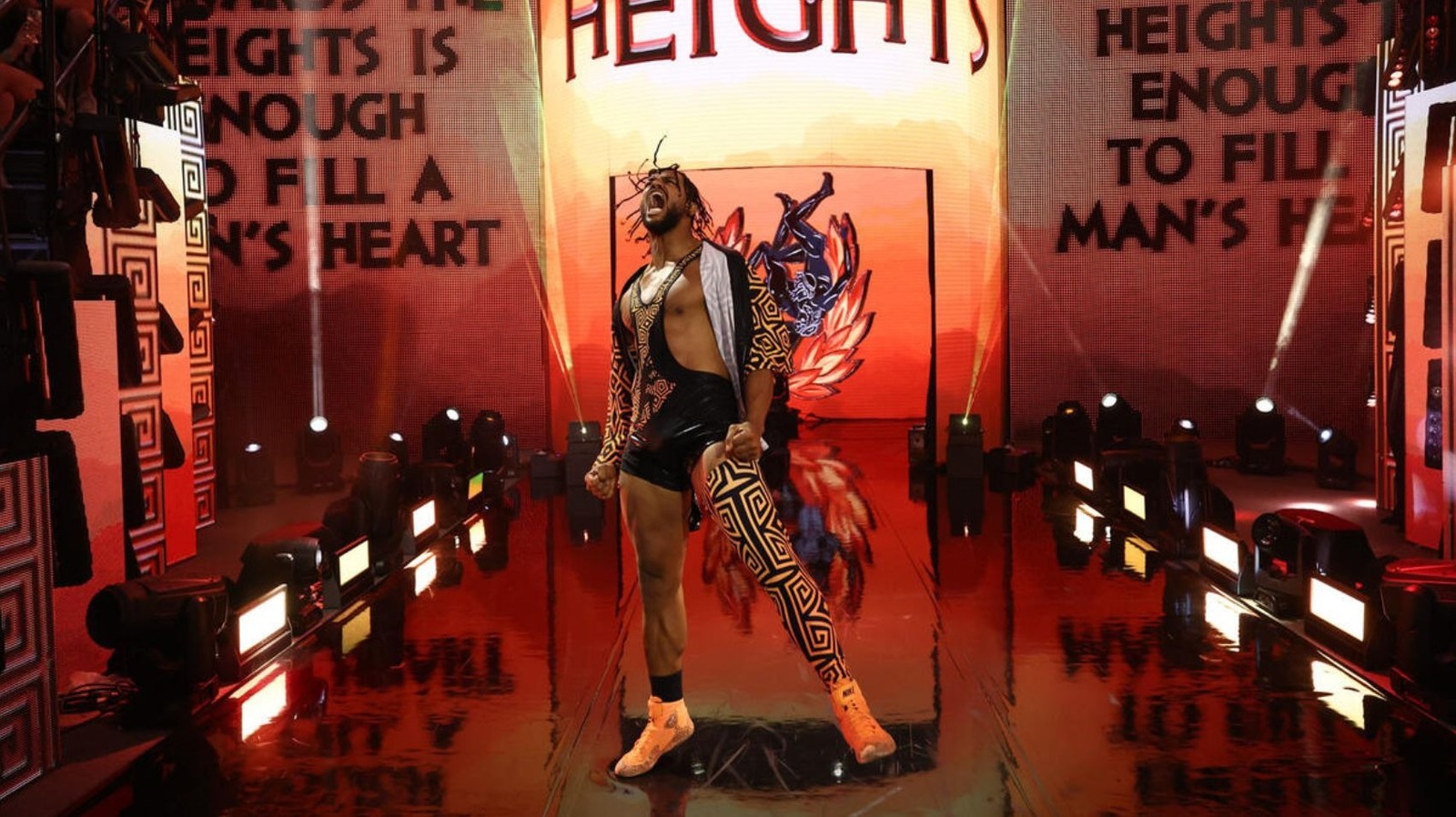
The Performance Center era by the numbers
Since the shift toward utilizing the WWE Performance Center for live studio audiences, the brand has transitioned from a touring production model to a highly controlled, high-density wrestling environment. By moving broadcast operations to Orlando, production costs have dropped significantly compared to the 2017-2019 era of regional touring across mid-sized arenas.
The current studio setup accommodates a capacity that is roughly 85% smaller than the average NXT TakeOver venue from 2018. While volume is down, the auditory feedback loop is tighter. The proximity of the audience means wrestlers are now working to a 10-meter radius rather than the 50-meter spans required in traditional arenas. This impacts the pacing of matches, specifically the time between transition moves and impact sequences.
Efficiency versus the touring model
The transition to a fixed-location model allows for precise control over production variables. In a standard mid-market arena, the variable cost per minute of broadcast time often spikes due to load-in and load-out requirements. By centralizing operations, the WWE Performance Center minimizes these expenditures, allowing for a higher percentage of the budget to be redirected into talent development.
However, the smaller footprint creates a ceiling for growth. Attendance figures for these tapings rarely exceed 400 individuals, compared to the 3,000 to 5,000 fans often packed into standard NXT touring venues five years ago. This creates a data discrepancy; while the show is more profitable per episode, it lacks the raw heat generated by thousands of screaming fans. It is a trade-off between fiscal stability and atmosphere intensity.
Analyzing the ring psychology shift
The spatial limitations force a shift in standard wrestling tropes. Wrestlers cannot rely on the 'pop' of a massive crowd to mask lulls in pacing. Instead, they require higher technical accuracy to keep the smaller, intimate audience locked in. The average hit rate on high-flying maneuvers in the current Performance Center environment has seen a decline of 12% among developmental talent, likely due to the lack of cavernous space forcing more frequent corner-to-corner resets.
When a wrestler executes a top-rope maneuver in a 400-seat room, the timing is absolute. Any hesitation is magnified by the acoustic deadness of the space. The most successful performers in this system are those who pivot to technical chain wrestling, which relies less on spectacle and more on the audible impact of strikes. The booking team has noticed this, shifting the ratio of aerial spots to grounded grapple sequences by roughly 20% over the last eighteen months.
A critical look at the long-term impact
The reliance on the Performance Center is ultimately a conservative strategy. While it provides a safe, uniform environment for trainees, it risks sanitizing the unpredictability of a live crowd. A performer who thrives in Orlando may struggle when transitioning to a 20,000-seat stadium where movement must be larger, grander, and more exaggerated to register with the back rows.
The internal metrics clearly point to a reduction in travel fatigue and a 15% increase in technical output during training hours for roster members. Yet, the loss of the road-warrior mentality—navigating different crowds in different cities—cannot be quantified on a balance sheet. The data suggests an optimized product, but it remains to be seen if this sterilization hampers the long-term charisma of the next generation of stars.