A fractured tag team identity
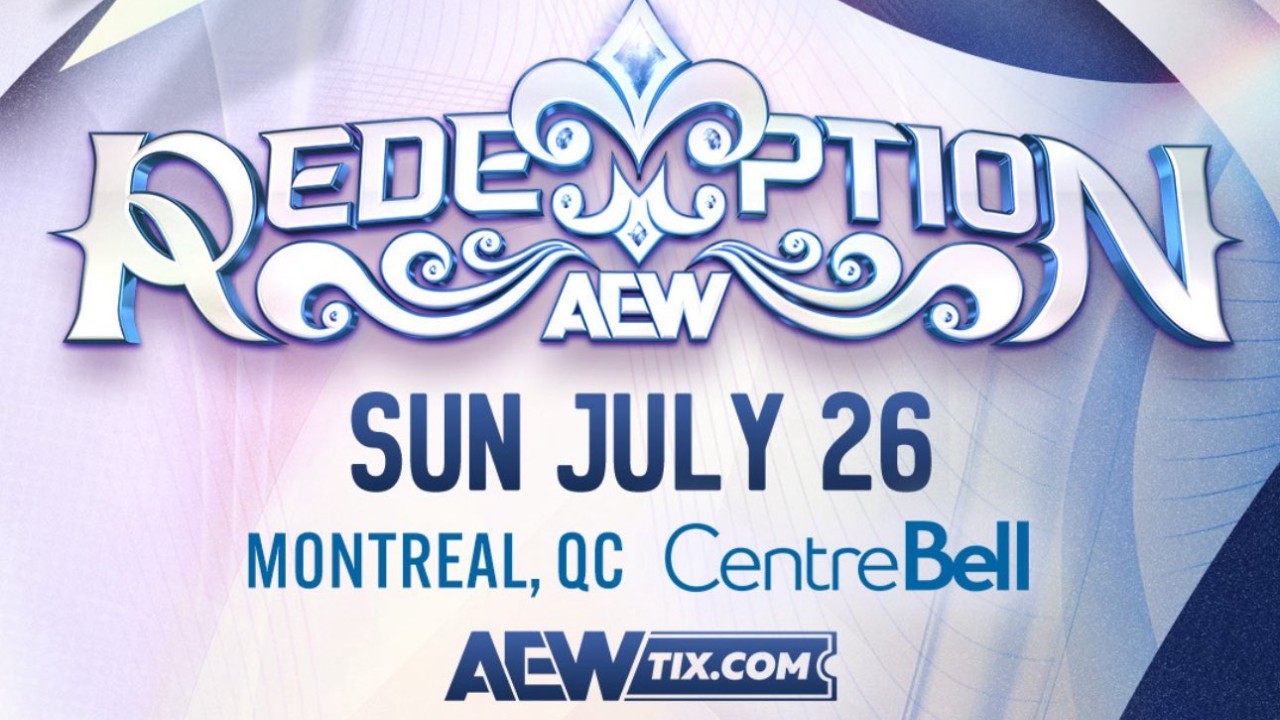
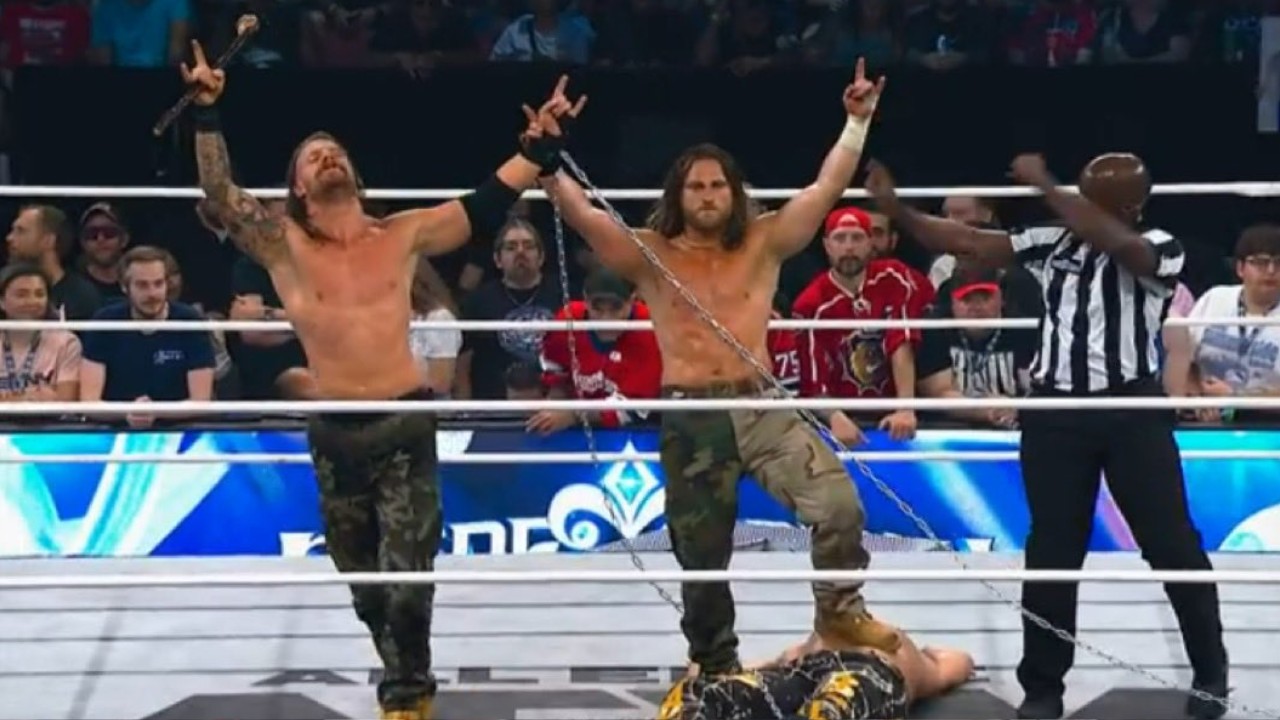
The conclusion of AEW Redemption on July 26, 2026, left more questions than answers. The Double Chain match between the Bang Bang Gang and the Dogs of War was a bizarre tactical choice for a main event. While the intensity was high, the hardware itself acted as a anchor, dragging down the fluidity expected from rosters of this caliber.
We spent 22 minutes watching four talented workers struggle with literal tethering. Technical wrestling flourishes were sacrificed for the sake of a gimmick that ultimately forced a sluggish pace. As recent coverage noted, the structural limitations of the chain made the match feel like a grind rather than a crowning achievement. Wrestling at this level demands space; chaining participants together serves only to restrict the verticality of their work.
The Fletcher factor and the path forward
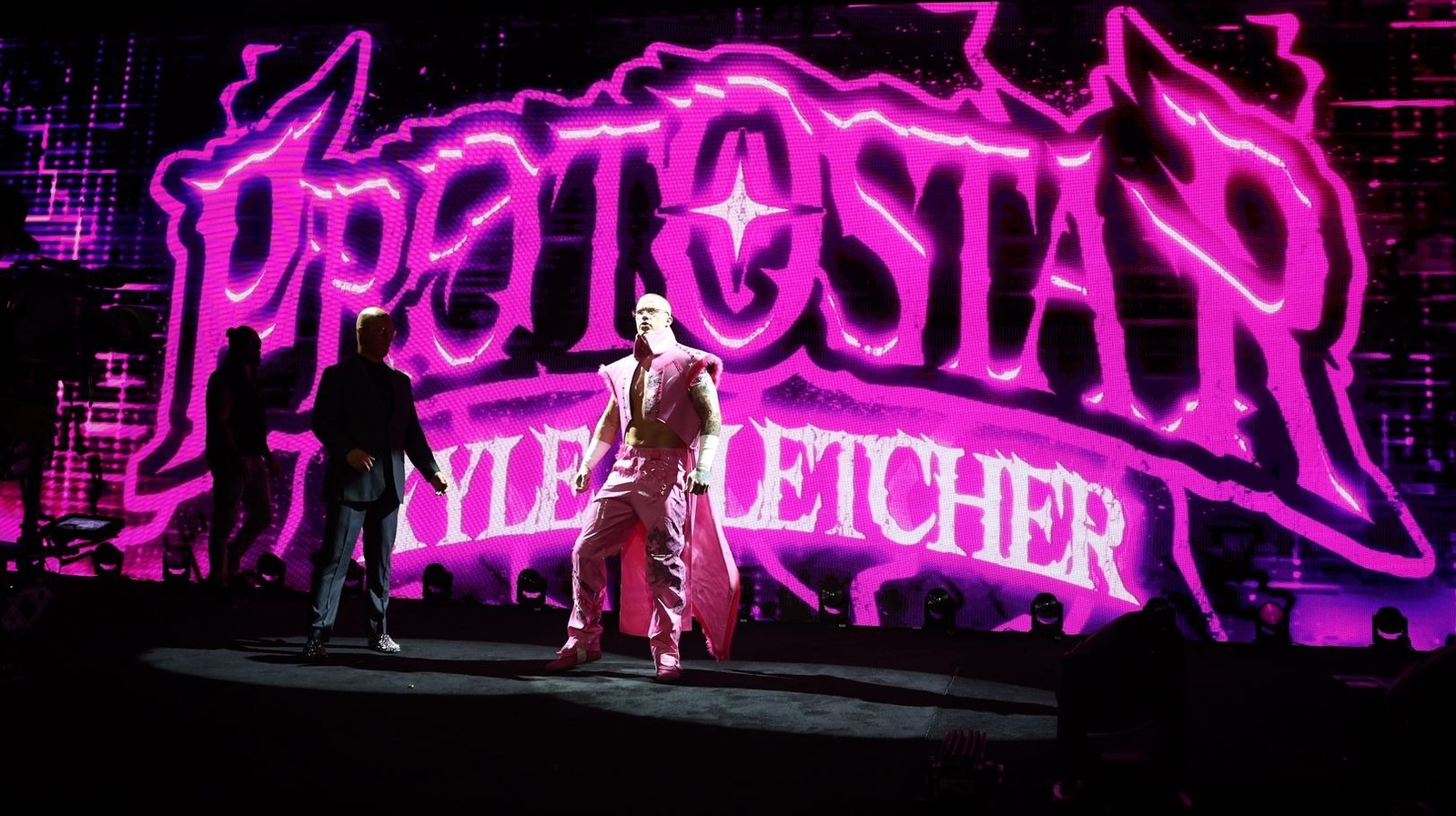
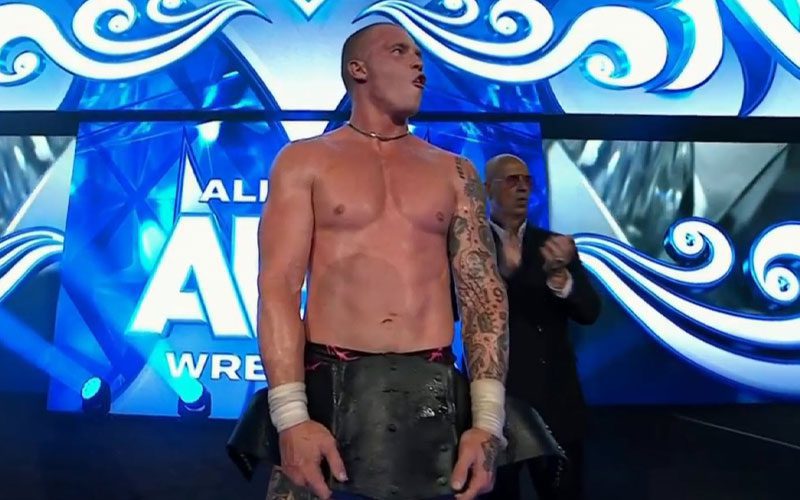
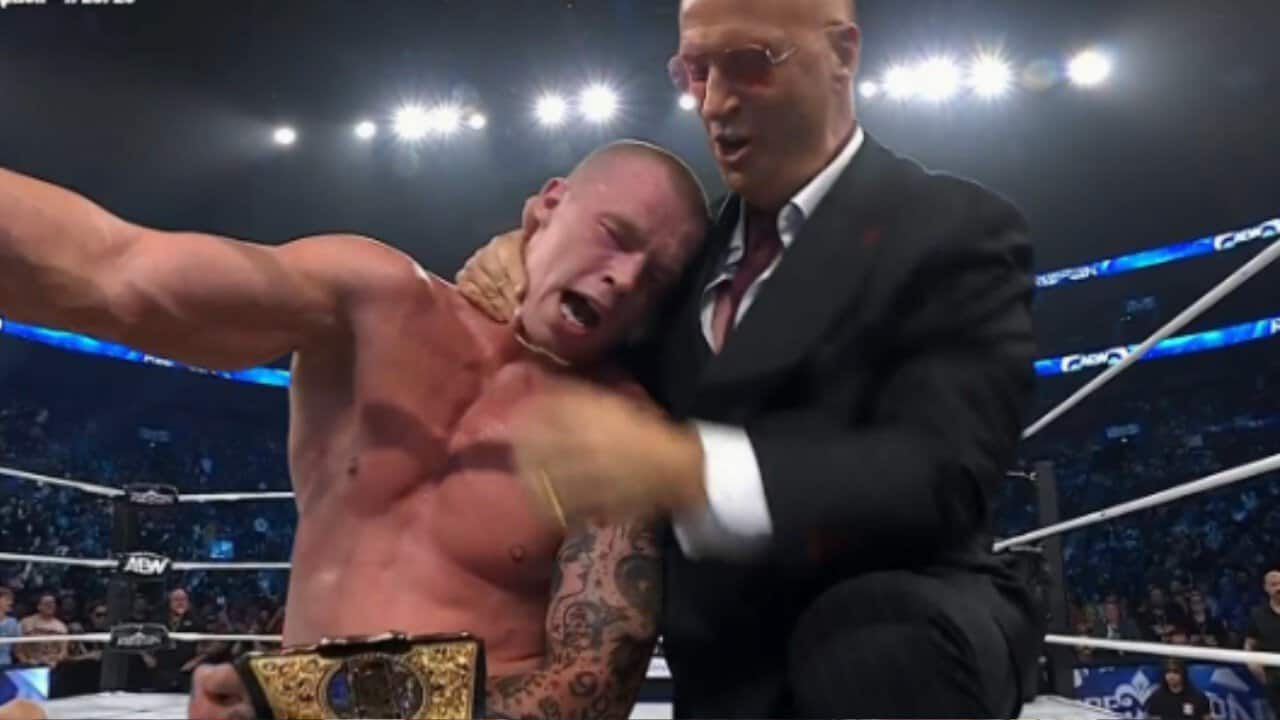
While the tag division continues to experiment with high-risk stip-matches, the singles scene has stabilized thanks to the rise of Kyle Fletcher. His defense of the International Title in Montreal was a masterclass in pacing, providing a necessary contrast to the chaotic, hardware-heavy scenes elsewhere on the card. Unlike the main event, the Fletcher match utilized the full square footage of the ring.
Fletcher has effectively transitioned from a supporting player to a primary attraction. The way he maintained momentum through 18 minutes of high-intensity exchanges suggests he is currently the most reliable worker on the roster. It is a sharp pivot from his previous role in factions. He is no longer orbiting stars; he is creating his own gravitational pull.
The booking disconnect
There is a recurring friction between the tactical potential of the roster and the booking office's desire for spectacle. We see athletes capable of technical precision constrained by stipulations that favor attrition over execution. The decision to run the Double Chain match speaks to a creative department that prioritizes visual impact over the logical progression of a feud.
If the promotion wants to retain a discerning audience, they need to trust their talent to tell stories without relying on gimmicks that actively hamper the action. The Montreal breakthrough is proof that fans will respond to pure technical excellence when given the chance. Every match that forces workers into a confined, awkward geometry risks alienating viewers who value the finer details of the sport. We saw what happens when you prioritize the spectacle of the chain; the narrative flow suffers instantly.
Prediction: A necessary recalibration
The promotion is currently at a junction where it must choose between the gimmick-driven chaos witnessed this past weekend and the disciplined, athlete-first approach displayed by Fletcher. My prediction is that we see a move away from the extreme stipulations by the late summer. The internal pressure to return to a more standard, work-rate-heavy product will become the dominant conversation in the locker room. The recent data suggests the crowd is already losing patience for the hardware-heavy approach. Expect a tighter focus on singles competition as they clean up the fallout from Redemption.