The status of the high-flyer
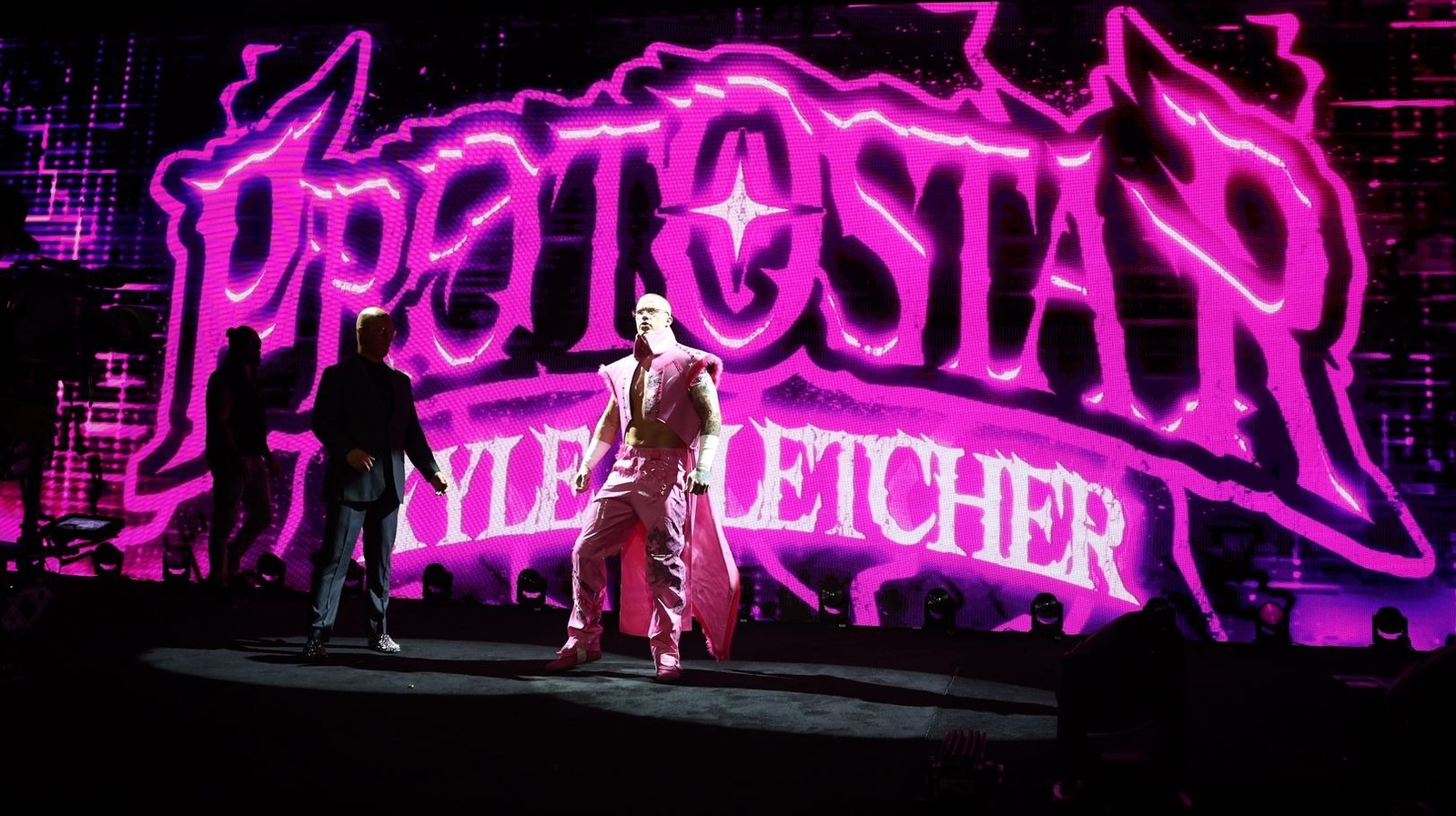
Bandido is sidelined again. Following his loss to Kyle Fletcher at AEW Redemption 2026 on July 26, the luchador is dealing with a re-aggravation of his previous wrist injury. This marks a significant turn for the former Ring of Honor champion who had only recently found his footing after a long recovery period that kept him off television for most of 2025.
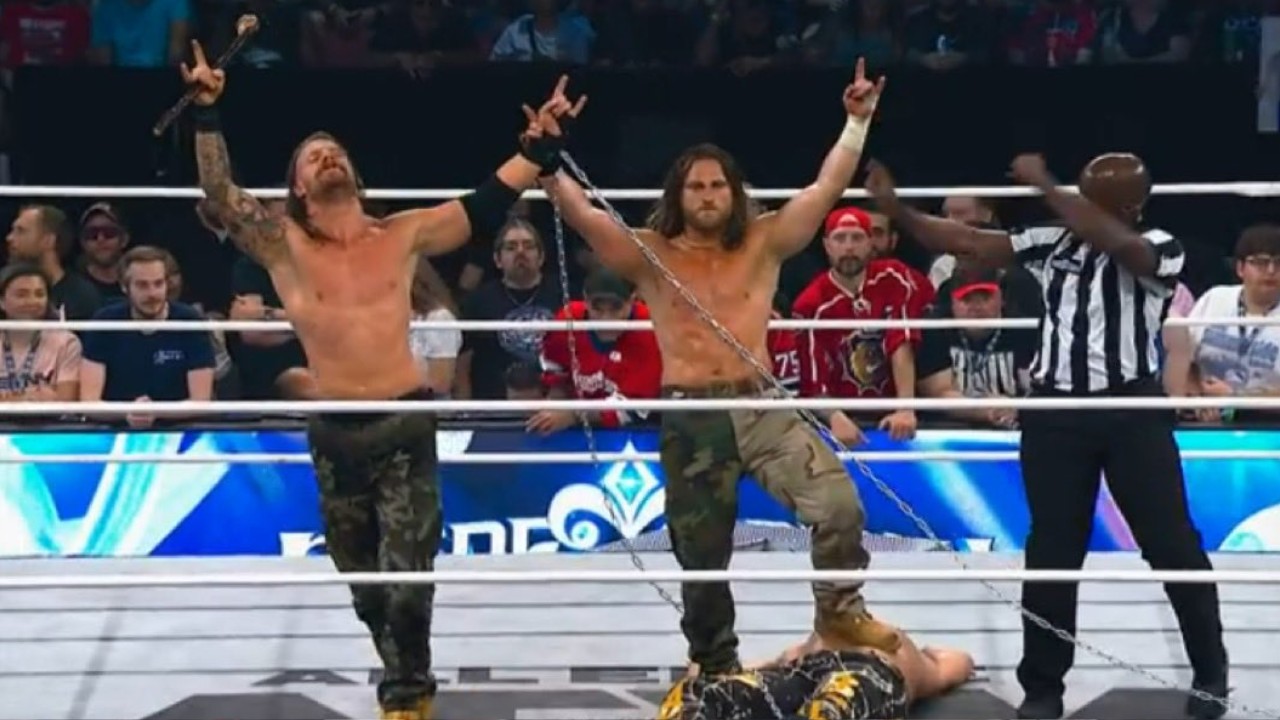
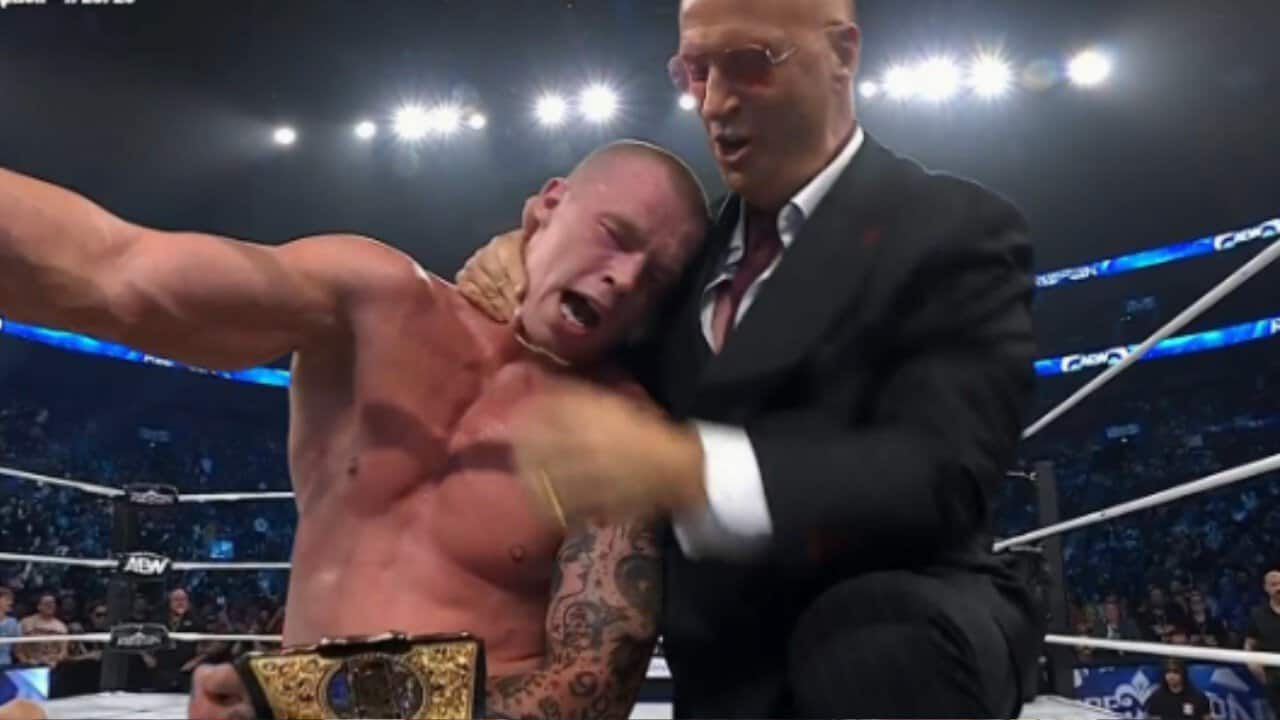
Official confirmation from AEW confirms the injury occurred during the closing sequences of the match. While Wrestling Inc reported that the bout concluded with Fletcher retaining his International Title, observers noticed Bandido favoring his left arm immediately following the final pinfall. The match had a high-stakes, "everyone banned from ringside" stipulation, which theoretically protected him from interference but forced a more grueling athletic pace.
Timeline and recovery path
Medical staff are currently evaluating the extent of ligament damage. Preliminary estimates suggest a return to active competition remains 4-6 months away, provided surgery is not required. If surgeons determine that pins or specialized hardware are necessary to stabilize the joint, that window resets to a minimum of 9 months.
This is a brutal trend for a performer whose style relies heavily on high-impact power moves like the 21-plex. The recurring nature of this specific injury suggests that the initial rehabilitation protocols may not have fully accounted for the torque involved in his signature Lucha Libre offense. It is a cautionary tale regarding the durability of independent stars transitioning into high-frequency television schedules.
Strategic damage to the division
Bandido occupied a specific, reliable slot in the mid-card as an explosive babyface. His absence leaves the AEW International Title scene missing its most credible challenger for a post-Redemption pivot. Managing a roster where talent cycles in and out of the IR is a constant headache, but this injury hits a performer who struggled to maintain momentum due to previous medical leaves.
The promotion now faces a booking vacuum. While Kyle Fletcher solidified his current run by clearing his biggest hurdle, the lack of immediate, high-level threats to push him forward creates a bottleneck. The choice to utilize a high-stakes stipulation match during an already punishing tour schedule for both men invited a level of volatility that did not pay off.
Historical context and risk
Physical burnout in professional wrestling is not new, but the 2026 schedule has increased the per-match impact threshold. Wrestlers are performing with higher frequency in front of larger crowds, leading to shorter recovery turnarounds. We saw similar attrition rates in 2024 when several top-tier athletes were sidelined simultaneously due to a lack of proper rotation.
The current medical team must decide between a conservative rest-and-rehab approach or the more aggressive surgical path. Both options result in missing at least 120 days of television. The risk of rushing back is no longer an option for a performer who has already tested the limits of his physiology during this calendar year.
A critical observation remains: the booking of extreme stipulations for matches featuring wrestlers with documented injury histories is a persistent oversight. Sending a talent directly from long-term rehab into a match designed to demand maximum physical exertion is a questionable decision. Until the medical and creative departments share a more unified vision for return-to-play protocols, these short-term fixes will lead to long-term liabilities.