The Montreal breakthrough
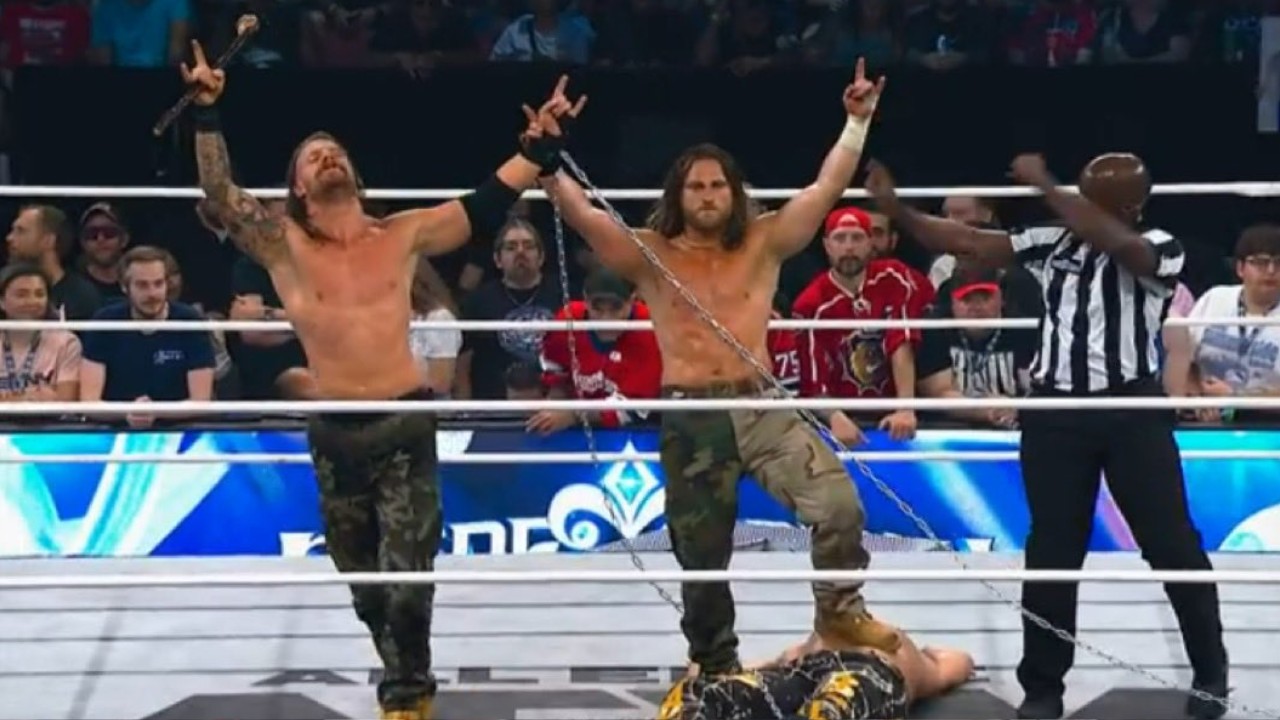
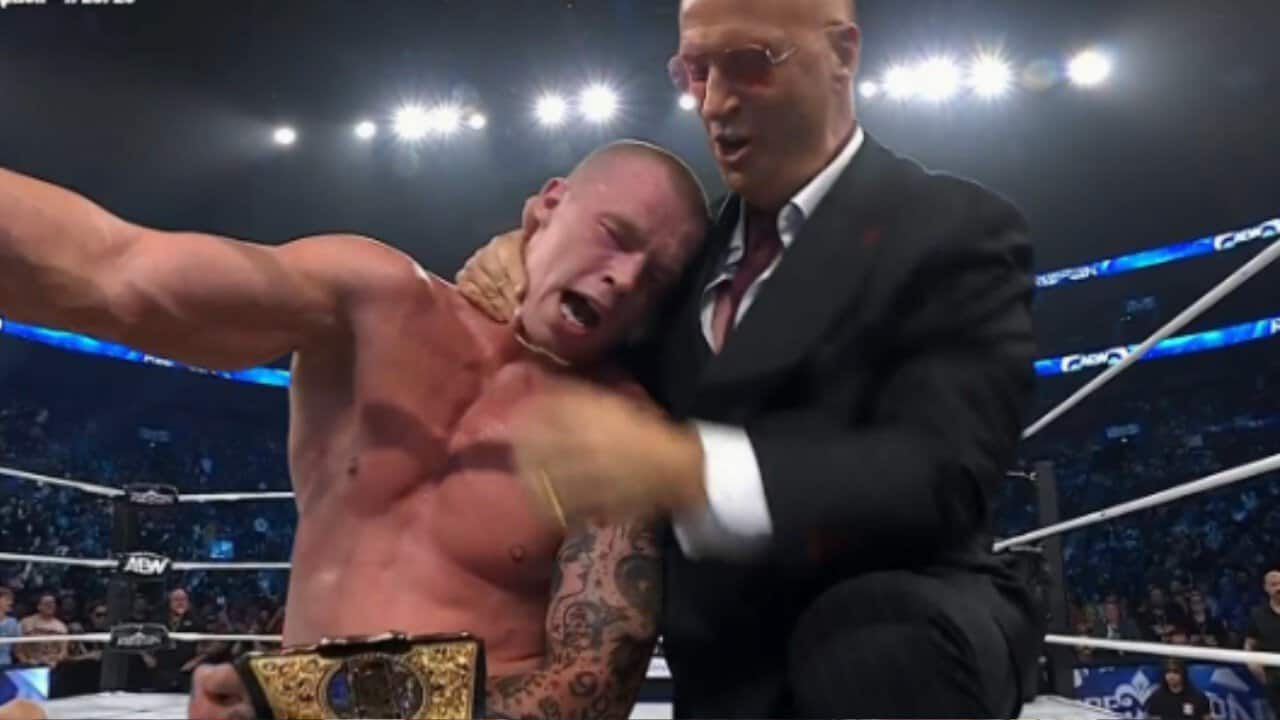
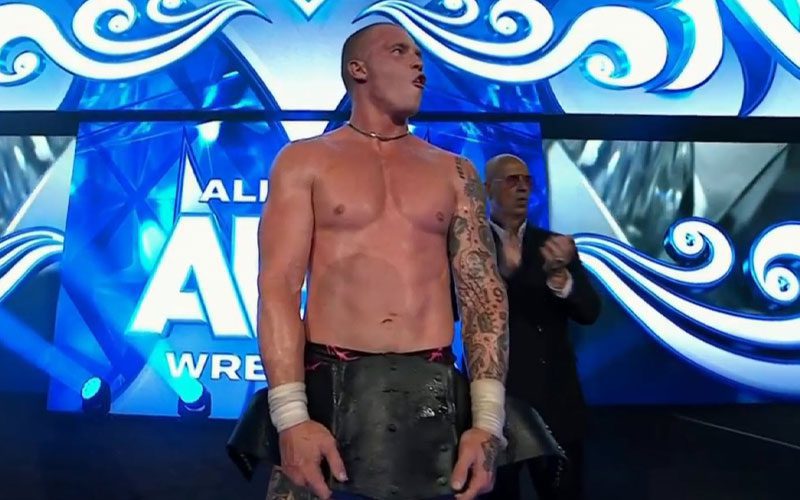
The dust has barely settled inside the Bell Centre, and the professional wrestling landscape feels fundamentally different following the conclusion of the inaugural AEW Redemption pay-per-view. We watched Kyle Fletcher carry the International Title through a grueling defense on July 26, 2026, marking a turning point in his trajectory.
Fletcher has spent the better part of the last two years operating in the secondary space. While his technical proficiency was never in question, his ability to headline a major card without the safety net of a tag team partner was the primary variable in the equation. In Montreal, he finally supplied the answer.
Tactical analysis of the finish
Watching Fletcher dismantle his opposition, the shift in his approach was evident. He moved away from the high-octane, move-for-move sequences that defined his earlier ROH tenure, opting instead for a more methodical, limb-targeting game plan. Specifically, his focus on the opponent's lower lumbar region limited the challenger's explosive capacity by the 14-minute mark of the bout.
The pacing of this match showed a clear understanding of space. Fletcher used the ropes as a weapon, stretching his opponent with a series of precision strikes before transitioning into a high-impact finish. It was a mature display of ring generalship. His control of the match tempo forced the challenger into a defensive posture, preventing the type of fast-break maneuvers that have previously plagued Fletcher in single-competitor environments.
The lingering cracks in the facade
Despite the victory, the performance was not without flaws. His reliance on slow-to-start sequences early in the match allowed for three distinct momentum swings that almost cost him the title. Had his opponent been more clinical with their strike timing, the result would have been different.
Furthermore, the physical toll of this title defense suggests that Fletcher is working through a nagging injury. His left knee brace was visible throughout the final sequence, a detail that cannot be ignored if he expects to maintain this championship level through the fall. The promotion has leaned heavily on his technical gifts, but his durability remains the most significant threat to his current position on the roster.
Looking toward the next defense
With this win in the books, the target on his back has effectively doubled. The International Title has a history of high-velocity turnover, and Fletcher's challenge is to buck that trend. As reported by Ringside News, the victory in Montreal cements his status as a singles force, but he has yet to prove he can operate at this intensity for back-to-back monthly cycles.
He needs to streamline his entrance into the high-spot sequences if he wants to survive the next challenger. If he continues to leave windows of opportunity open by favoring flashy setups over tactical efficiency, he will eventually be exposed by someone with a more clinical submission game. I predict Fletcher drops this title within 60 days during the upcoming autumn tour.