The Statement That Silenced the Jokes
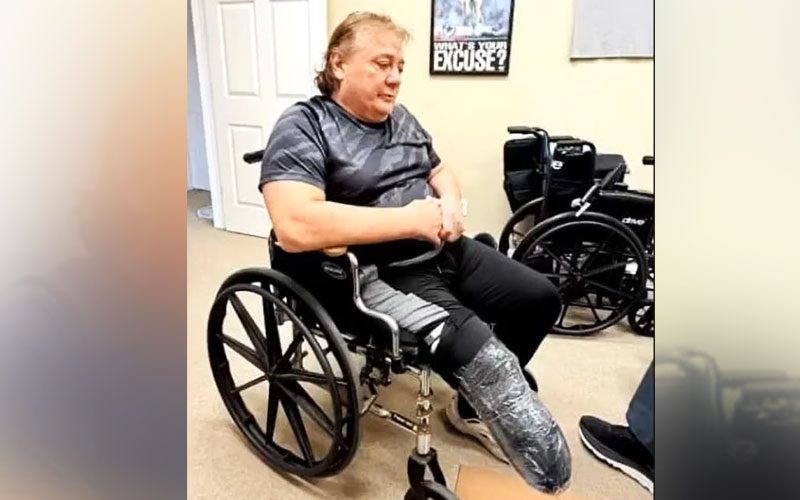
A sobering statement was issued this week regarding the health of Marty Jannetty. For a figure so often relegated to the punchline of a three-decade-old story, the news cut through the noise with grim reality. Representatives for the former WWE Intercontinental Champion confirmed he is facing significant, long-overdue surgery on his ankles, the very tools that once made him one of the most dynamic high-flyers of his generation.
The announcement was brief and devoid of the chaos that often surrounds Jannetty's public life. It noted the procedure was essential to combat chronic pain and mobility issues that have plagued him for years—a direct consequence of a career spent hitting the canvas from incredible heights. It asked for privacy and support, a simple request that underscores the severity of the situation.
For wrestling fans, news like this triggers a complex response. It's not just about a retired star's health. It’s a stark reminder of the physical cost of the business and the precarious reality of a man whose life has been a public spectacle of triumph and tragedy, often in equal measure.
The Price of Flight
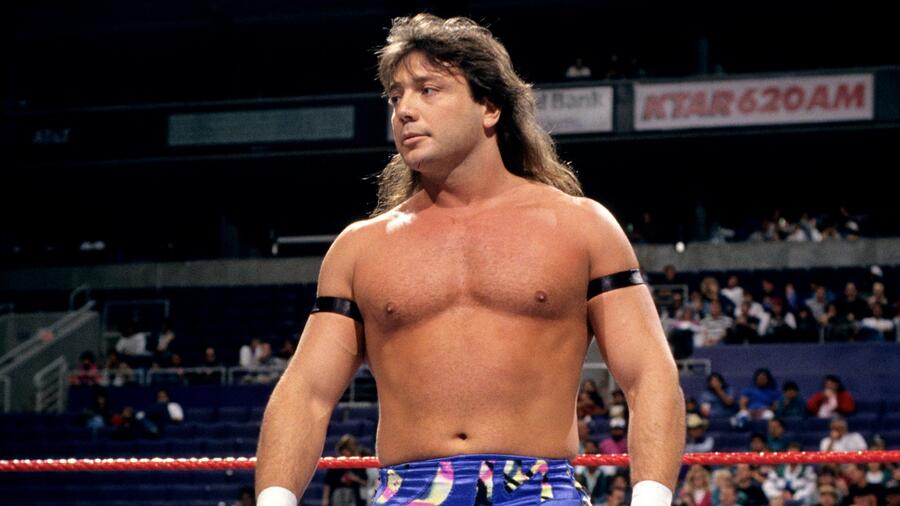
Jannetty's ankle problems are not a recent development. They are the cumulative receipt for a career built on innovation and risk. As one half of The Rockers, he and Shawn Michaels redefined tag team wrestling in the late 1980s and early 90s. Their tandem offense, breakneck speed, and rock-and-roll presentation were years ahead of their time, directly influencing teams like The Hardy Boyz and The Young Bucks.
That style, however, came at a steep price. The high-impact dropkicks, the dives to the outside, the frantic pace—it all put immense strain on their bodies. In an era before the highly choreographed safety protocols of modern wrestling, The Rockers were working a relentlessly physical schedule, taking brutal bumps nightly. The issues with his ankles are a story that began in 1989, not 2024.
"The statement noted that Jannetty has been dealing with severe pain and mobility issues stemming from old injuries, and the procedure is necessary to hopefully restore function and alleviate the pain."
This surgery isn't just a medical procedure; it's an attempt to settle a debt that has been accruing for over 35 years. The concern among fans is palpable because they know this isn't an isolated incident. It's another chapter in a long book of physical and personal struggles.
The Ghost in the Barber Shop
It is impossible to discuss Marty Jannetty without visiting a long-closed Barber Shop. The January 1992 segment where Shawn Michaels threw him through a plate-glass window remains one of the most effective and violent heel turns in WWE history. It was a shocking act that launched Michaels into the stratosphere and shackled Jannetty to a narrative he has never escaped. From that moment on, he was the "other guy."
The term "the Jannetty of the group" has become a permanent fixture in the pop culture lexicon, a cruel shorthand for the less successful member of a famous duo. It's a label that has overshadowed his legitimate accomplishments and talent.
Herein lies the critical flaw in the narrative. While Michaels undoubtedly had the once-in-a-generation charisma and drive, Jannetty was far from a passenger. He was an exceptional worker in his own right, a fact proven when he returned to the WWF and defeated Michaels for the Intercontinental Championship on Monday Night Raw in a fantastic match on May 17, 1993. The talent was there. The crowd was behind him. He had the victory over his now-ascendant rival.
But the support from management was fleeting. His title reign was short, and he was never positioned as a sustained main-event player. The Barber Shop window didn't just break glass; it created a booking ceiling that WWE seemed unwilling to let him shatter. The "Jannetty" label became a self-fulfilling prophecy, reinforced by the company's own creative decisions.
A Life Lived on the Edge
Jannetty’s post-Rockers career was a scattered collection of what-ifs. He had brief, promising runs in WWE and a forgettable stint in WCW. He remained a respected veteran on the independent circuit for years, capable of showing flashes of the old brilliance that reminded everyone just how good he was.
However, in the age of social media, his personal life has often become the main event. His Facebook posts have become legendary for the wrong reasons, veering from incomprehensible rants to genuinely alarming confessions. These public cries for help or attention have created a persona of a man perpetually in crisis, making it difficult for fans to separate the performer from the person. It is this context that frames the current health situation with such gravity. Every piece of news is filtered through the lens of his past instability.
The online behavior, combined with his physical decline, paints a picture of a man failed by the system and, at times, by himself. The industry that profited from his body now watches from a distance as he deals with the consequences. There are no pensions, no company-provided healthcare plans for the pioneers of his era. There is only the support of fans and the hope that he has the personal support system to navigate this latest, and most serious, challenge.
The wrestling world isn't holding its breath for the return of a high-flyer. It's hoping a man who gave his body to the business can find a measure of peace and health on the other side of the surgeon's knife. The jokes have stopped. For now, everyone is just hoping for a good outcome for Marty.