A Glitch in the Wrestling Matrix
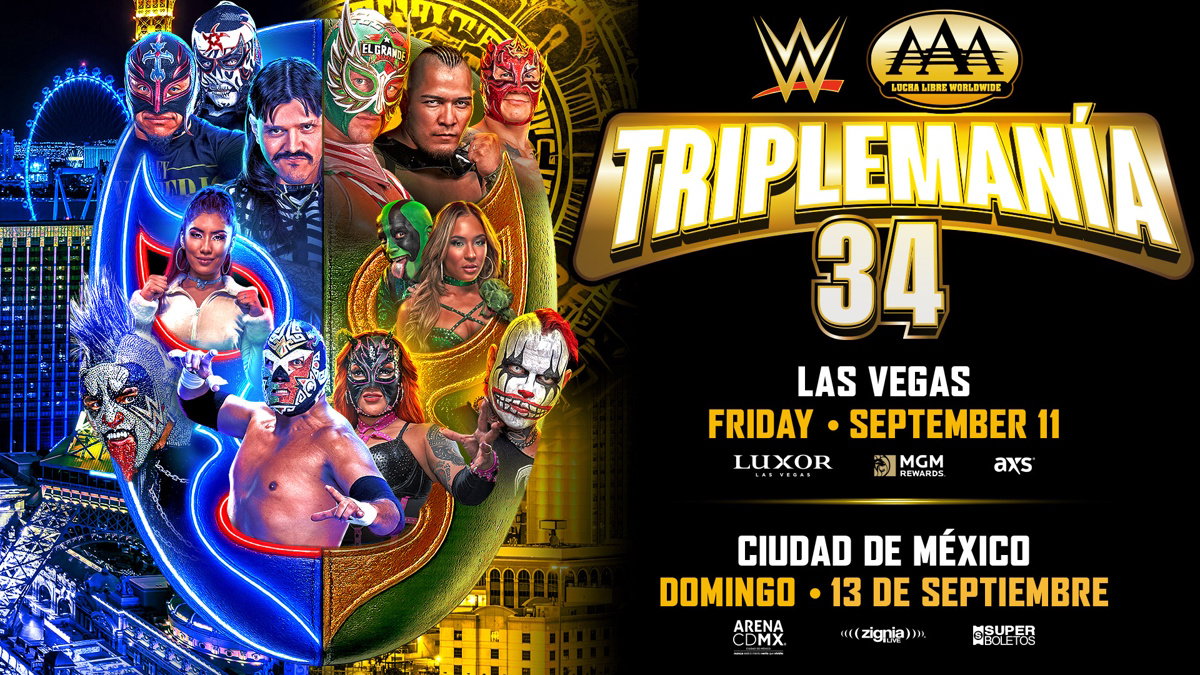
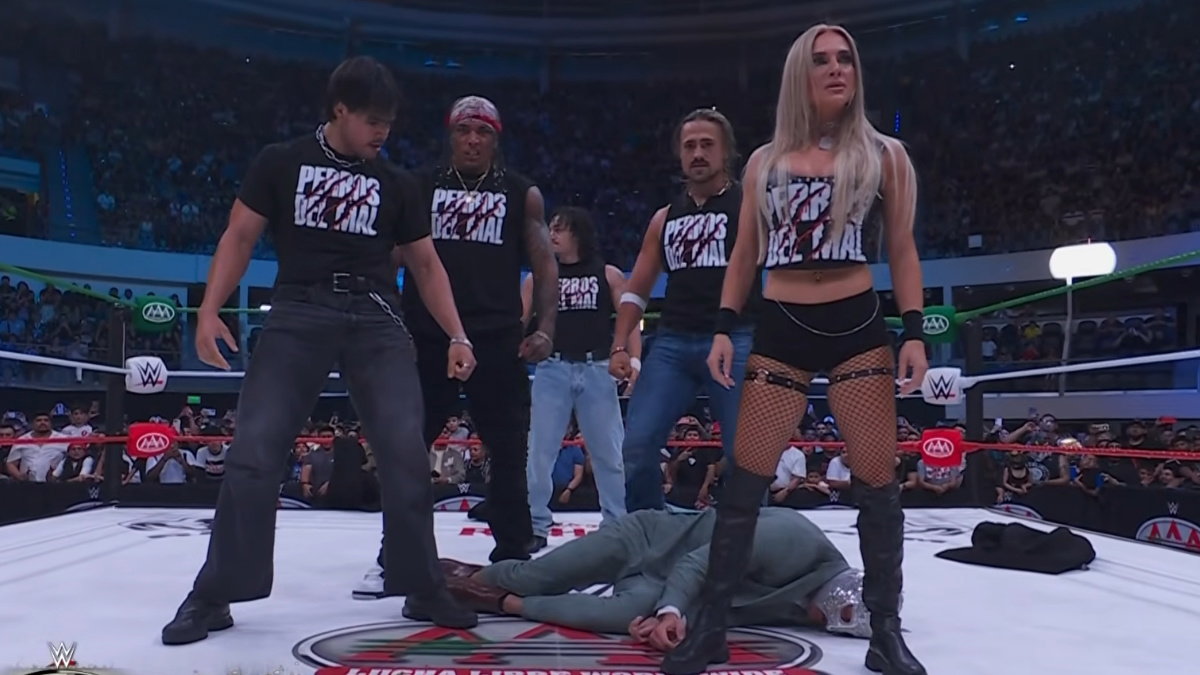
If you were doomscrolling YouTube on Saturday night, you probably thought your algorithm finally had a catastrophic meltdown. There, nestled between a seven-year-old clip of John Cena hitting an Attitude Adjustment and a compilation of Roman Reigns looking stoic, was a live feed for 'AAA On Fox #18'. You read that right. Lucha Libre AAA Worldwide. Streaming for free, live, on WWE’s official YouTube channel.
It was one of those moments where you had to rub your eyes and check the URL. This wasn't a pirated stream. This wasn't a fan upload. This was the real deal, broadcast from the belly of the beast. It felt like turning on ESPN and seeing a live cricket match from India in the middle of SportsCenter. It was bizarre, it was unannounced, and it was utterly fascinating.
For years, we’ve been talking about the 'Forbidden Door.' This wasn't it. This was something else entirely. This felt like TKO Holdings, the new corporate overlord, simply walking over to AAA's house, taking their stuff, and putting it on their own front lawn for everyone to see.
This Isn't Your Dad's Wrestling War
Let's get one thing straight: this isn't some benevolent act of cross-promotional goodwill. This isn't Paul Heyman and Eric Bischoff swapping talent in 1996. This is the cold, hard calculus of a modern media conglomerate. Endeavor and TKO don't see wrestling promotions; they see content libraries. They see intellectual property. They see hours of engagement to feed the insatiable YouTube algorithm.
Seeing the hexagonal ring, hearing the legendary commentary of Hugo Savinovich and Carlos Cabrera, and witnessing the sheer beautiful chaos of a AAA show on a WWE platform was jarring. One minute you're conditioned to the slick, high-gloss production of Raw or SmackDown, the next you're watching Psycho Clown and a handful of other maniacs perform feats of athletic insanity that would give a WWE Wellness Policy administrator a full-blown panic attack. It’s a completely different rhythm, a different philosophy of what professional wrestling even is.
This is the new reality. In the 90s, Vince McMahon wanted to put WCW out of business. In the 2020s, Nick Khan and Ari Emanuel want to put their content on the WWE Network. It's not a war; it's an acquisition strategy. Every promotion is just a potential folder in the TKO content library, waiting to be licensed, absorbed, or partnered with.
The Good, The Bad, and The Utterly Disrespectful
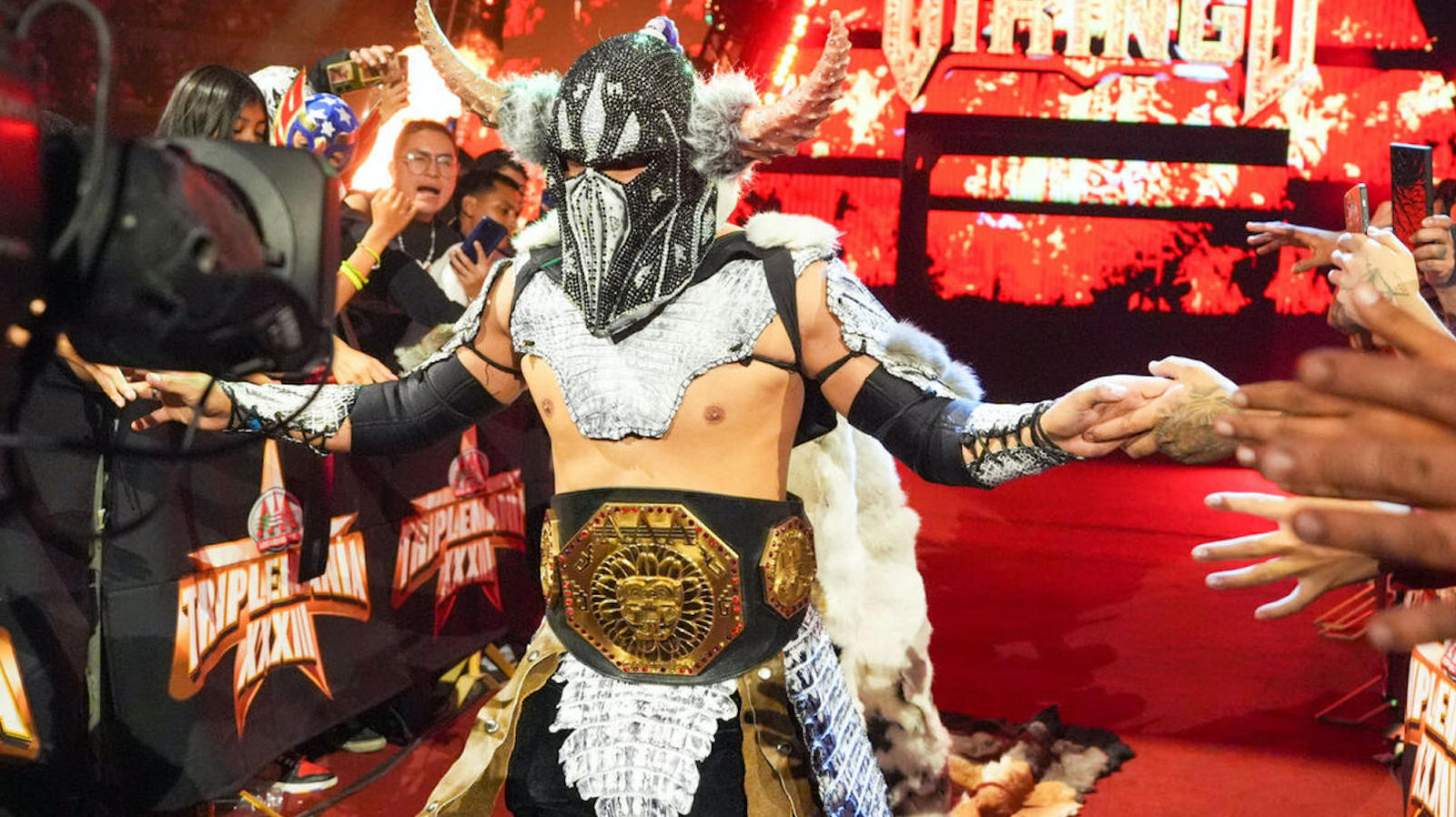
Okay, so is this a good thing? For the wrestlers in AAA, getting that kind of exposure is undeniably huge. A whole new audience, one that might have never sought out lucha libre on their own, just got a taste of a different world. It’s a chance for stars like Komander or El Hijo del Vikingo to get their name buzzing in circles that were previously closed off. That’s a win.
For fans, it's a shot of adrenaline. It’s something *new*. After years of the WWE vs. AEW duopoly, seeing a third, completely distinct flavor dropped into the mix for free is fantastic. It challenges the palate and reminds us that there's a whole universe of wrestling outside of North America.
But here’s the bad part. The part that feels… gross. WWE, or TKO, or whoever made this call, did it with zero fanfare. No announcement. No social media hype. No 'Coming this Saturday!' graphic. The show just appeared, live, as if by accident. It was a content dump. It was the strategic equivalent of a record store tossing a bunch of used CDs into the dollar bin by the door. It felt profoundly disrespectful to a promotion with the lineage and importance of AAA.
This wasn't a celebration of lucha libre; it was an experiment. It was TKO A/B testing a new content vertical. They treated an entire wrestling company like a piece of programmatic advertising. That’s the dark side of this new era. It’s not about respect for the art form; it’s about maximizing viewer retention metrics on a Saturday night. The final viewership number was likely the only 'result' that mattered to the suits in Stamford.
Welcome to the Content Wars
So where do we go from here? The TNA partnership, which saw Jordynne Grace show up in the Royal Rumble, felt like a polite handshake between neighbors. This feels different. This feels like the first, quiet shot in a new kind of war—not a wrestling war, but a content war. A war where every promotion is up for grabs, and the biggest platform wins.
It’s exciting, sure. The potential for dream matches and unexpected crossovers is higher than ever. But it's also deeply unsettling. Wrestling has always had a soul, a carnival-barker spirit that thrived on competition and identity. What happens when all those identities are just sub-brands under one massive corporate umbrella? What happens when Psycho Clown is just another character in the WWE 2K28 roster, his legacy reduced to a DLC pack?
For now, it was a wild, unforgettable Saturday night. It was a peek into a very weird, very corporate wrestling future. What’s next, Stardom on the Peacock free tier with ads for prescription drugs? Honestly, in this new world, don't be surprised if it happens. Nothing feels sacred anymore.