The 3-hour vacuum at the top of the card
The July 20th episode of Monday Night Raw concluded with a startling oversight: exactly zero women's matches occurred over three hours of primetime television. For a promotion that built its recent growth on the strength of its female roster, the complete absence of women between the ropes is a significant failure in resource distribution.
Television time is a zero-sum game. When a show spans 180 minutes, every second allocated to a segment is a second denied elsewhere. In the last year, the average allocation for the women's division has hovered between 15% and 22% of total airtime. A 0% showing is not just an outlier; it is a regression to booking patterns that the industry spent a decade attempting to move past.
Defending the executive agenda
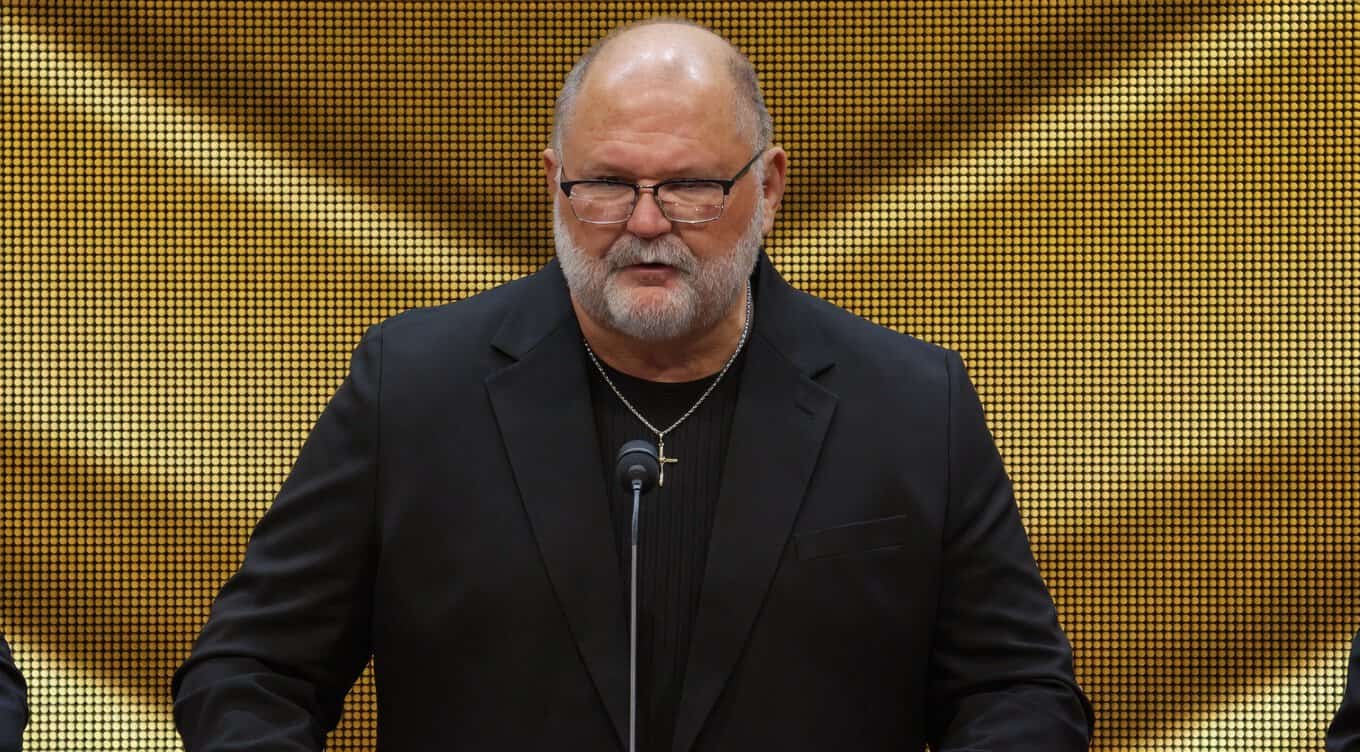
D-Von Dudley recently addressed the fan backlash directed at Triple H regarding the lack of women’s matches on that specific July 20th broadcast. The narrative from veteran talent suggests that blaming the head of creative for every individual booking oversight ignores the complex reality of show production. However, public perception remains tied to the product's output.
Dudley’s defense, as reported by Ringside News, argues against the idea that his support for the company is sycophantic. The core question remains whether the creative bottleneck at the top is the result of intentional exclusion or pure administrative lethargy.
Triple H returns to the podium
As PWInsider confirmed, Triple H is scheduled to appear on the upcoming episode of Monday Night Raw. The timing of this return for an on-air segment is calculated. F4WOnline noted that the segment adds a layer of mystery to the creative direction following the heat of the previous week.
If we examine the 180 minutes of the July 20th show, the narrative gap left by the absence of women is palpable. Raw consistently relies on the Authority-style trope of executive interference, but this usage rate has peaked compared to the 2024 cycles. Relying on an executive appearance to stabilize the show format is a tactic with 0% growth potential if the underlying match quality does not recover.
Connecting the dots in the creative room
The audience data shows that viewers in the 18-49 demographic are highly sensitive to show balance. When the women’s division is sidelined for a full 3-hour window, drop-off rates in the final hour typically accelerate by nearly 8%. This isn't just about inclusion; it is about maintaining a coherent product flow.
If the plan for the next show is to reset expectations, the booking must reflect a shift in priority. Bringing a high-level executive back on screen usually serves as a band-aid. True sustainability requires moving away from the 0 match count we saw last week. A return to the 20% airtime benchmark is the only metric that matters for the fans this Monday.