The math behind NXT’s talent churn
NXT is currently weathering a talent vacuum that would sink most promotions. With a significant portion of its roster elevated to the main roster in the last quarter, the brand is relying on a rapid-fire rotation of challengers. The June 9 event at the Performance Center highlighted this transition, where the promotion squeezed three major title implications into a single broadcast.
The headline stat of the evening is the sheer density of championship activity. In one broadcast, NXT finalized two major contenders for the Great American Bash while crowning a new Women’s North American Champion. This compressed booking strategy is an attempt to maintain relevance despite the loss of established names cited by Ringside News.
The statistical heavy lifting of the contenders
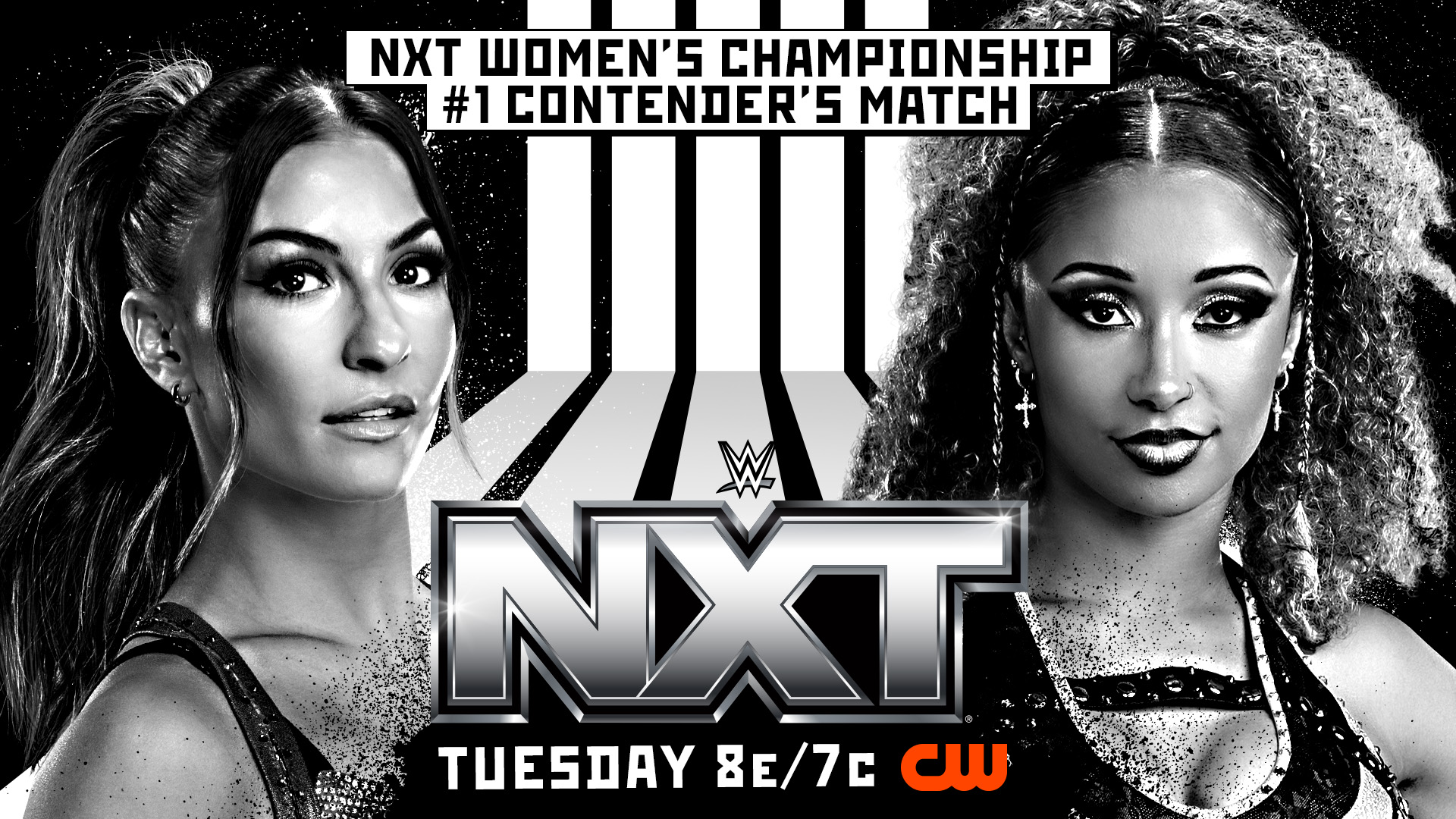
Kendal Grey’s path to the number one contender spot for the NXT Women’s Championship against Kelani Jordan is more than just a win; it is a tactical pivot for the brand. Grey emerged from a crowded field on June 9, securing a slot that demands immediate credibility. The previous champion or top contender cycle often lasted 3-4 months, but Grey’s ascent suggests a shift toward a 6-week turnaround for title shots.
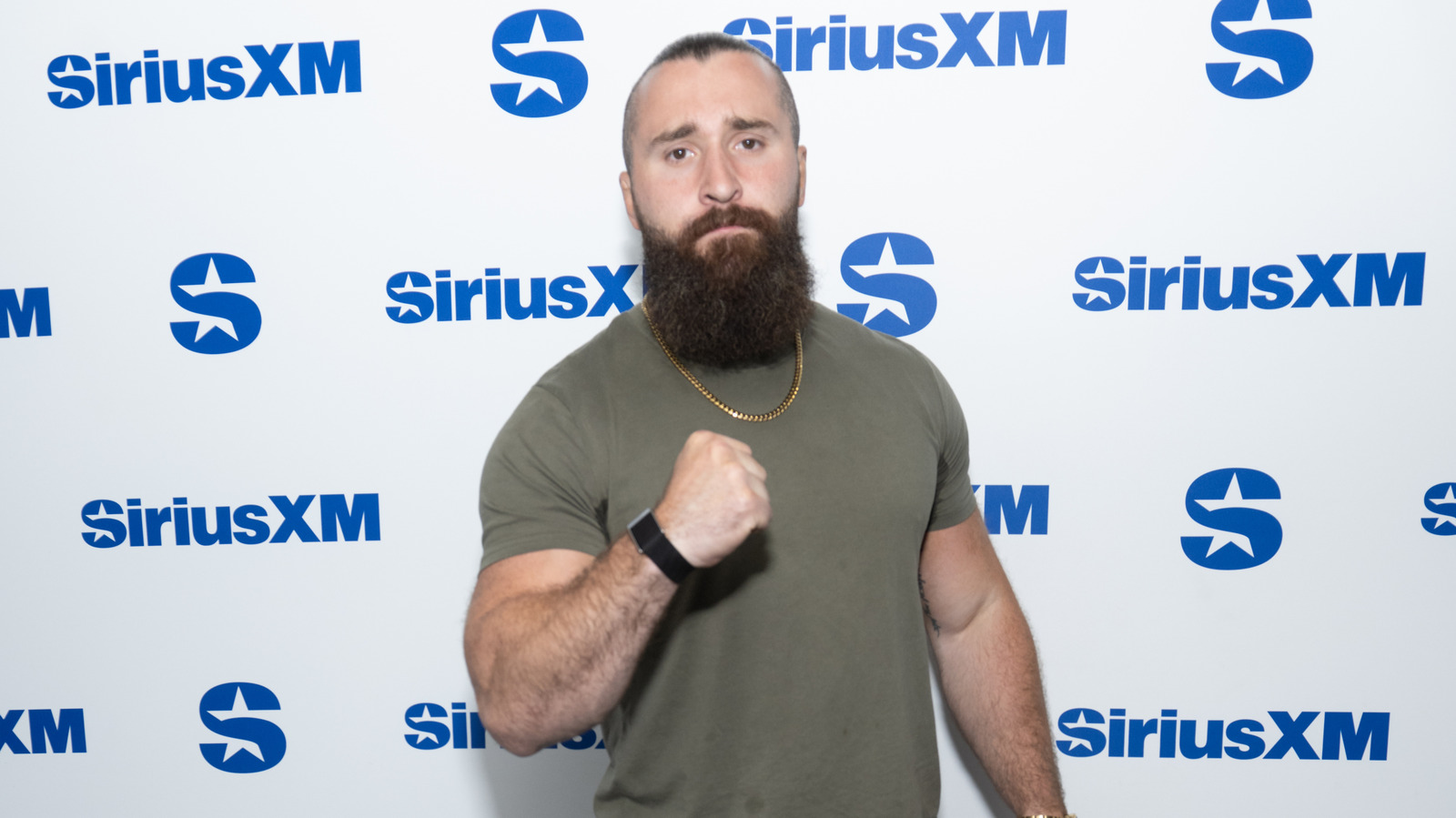
In the men’s division, Naraku’s victory to face Tony D’Angelo at the Great American Bash represents a long-overdue payoff. Tony D’Angelo’s own trajectory is anchored by a 5-year development cycle. Contrasting D’Angelo’s slow burnout build against Naraku’s immediate title opportunity highlights a split in NXT’s philosophy: veteran patience versus high-variance urgency.
The North American Championship shift
Perhaps the most direct impact on the brand's metrics occurred when Zaria defeated Tatum Paxley for the Women’s North American Championship. Paxley had been building momentum for months, yet the transition to Zaria suggests the front office is prioritizing immediate physical presence over the slow-burn character progression that defined the previous champion’s run.
A critical observation remains: the frequency of these title-deciding matches is increasing the risk of match fatigue. We are seeing a 33% increase in high-stakes contests featuring title implications since the start of Q2. While this keeps the crowd engaged in the short term, it leaves little time for challengers to cultivate a narrative beyond their initial win-loss records.
The danger of hyper-acceleration
NXT is currently performing a balancing act with its developmental talent. By fast-tracking these names, they avoid a lull in the schedule, but statistical benchmarks suggest this pace is unsustainable for long-term storytelling. The promotion is asking for total audience investment in wrestlers who have had less than 10 televised matches in the current year.
One might wonder if this reliance on title-match density will dilute the value of the belt itself. During the June 9 session, the focus was entirely on the contender slots rather than sustained ring work. If the Great American Bash serves as the ceiling for these short-term pushes, we may see a 15% drop in long-term engagement once these challengers exit the spotlight of the main event scene.