A legacy beyond the camera
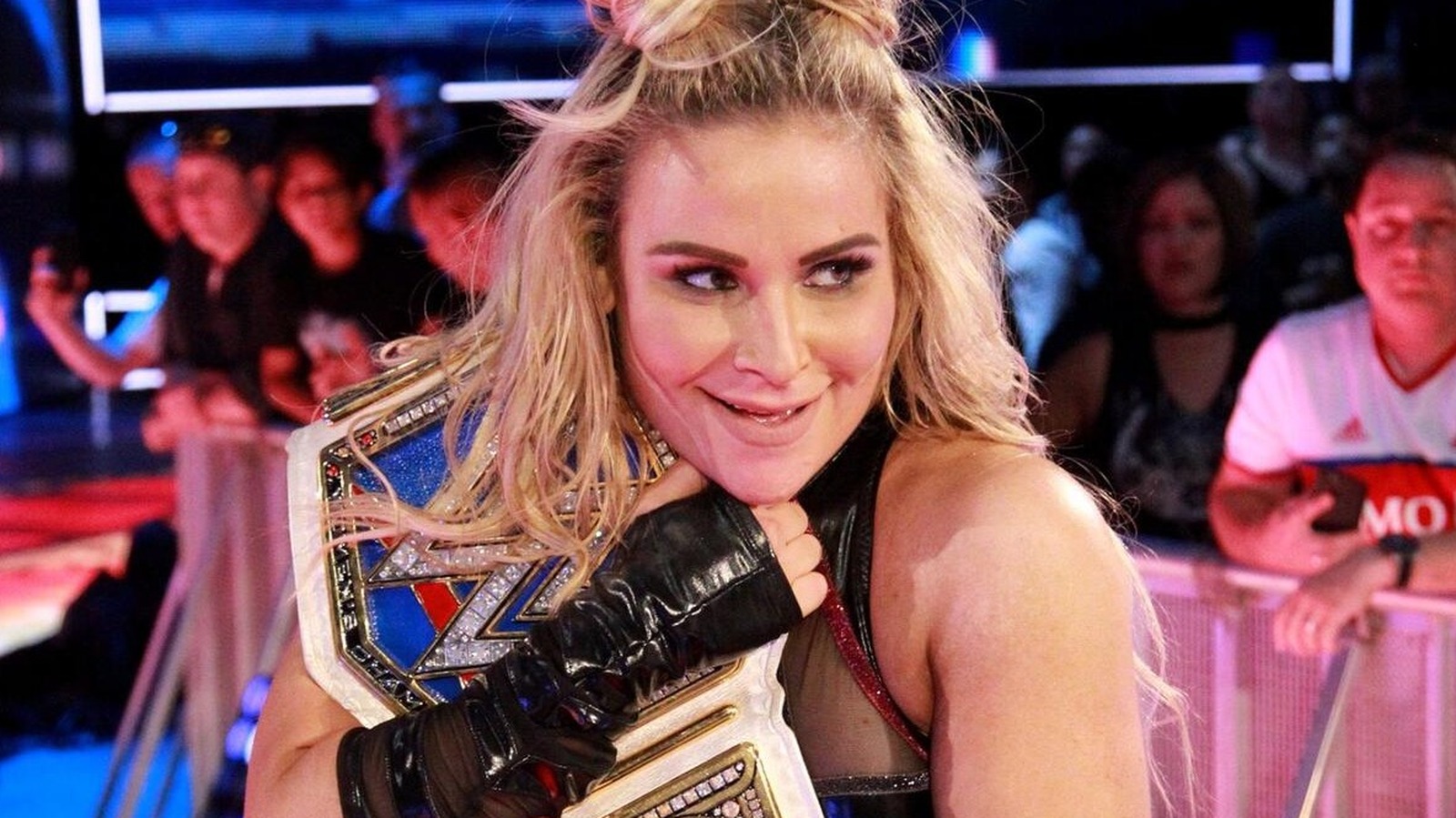
Today marks what would have been Owen Hart's 61st birthday, prompting a heartfelt video tribute from his niece, Natalya Neidhart. The WWE veteran took to social media to celebrate the life of her late uncle, reminding a younger generation of fans of his impact. Even decades after his passing, Hart remains a touchstone for technical excellence in the ring. Natalya's message, which appeared across multiple outlets including F4WOnline, highlighted the singular nature of his charisma and his unteachable grasp of wrestling psychology.
There was no one like him.
This sentiment resonates because Hart occupied a rare space in the industry. He was a perennial worker who could thrive in comedic relief or intense, main-event programs without losing credibility. His in-ring work, characterized by crisp, high-impact maneuvers, stands in contrast to the bloated spectacle often seen in modern weekly television. Watching his catalog back reveals why peers consistently categorize him among the greatest pure performers in the industry's history.
The weight of wrestling history
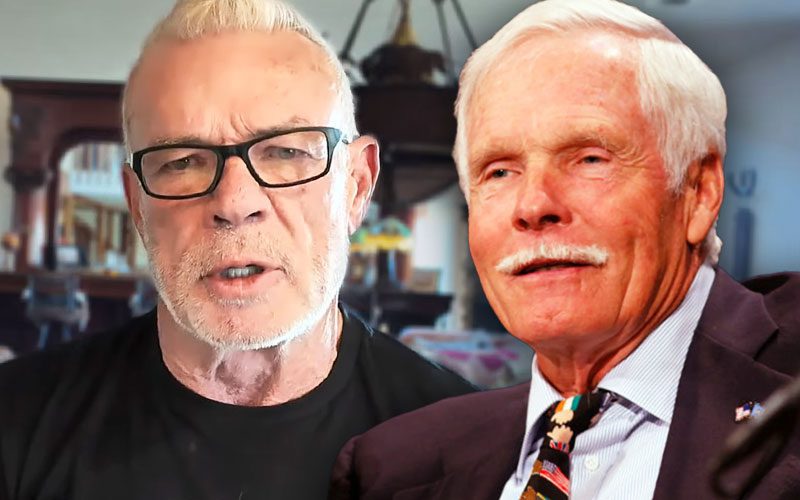
While Natalya serves as the torchbearer for the Hart family legacy within WWE, the broader professional wrestling industry has spent this week looking backward. The passing of Ted Turner has triggered a wave of reflections from figures like Eric Bischoff, who worked directly under the media mogul. As noted by Ringside News, the absence of someone like Turner, who was willing to pump serious capital into the sport, feels like a distinct era closing for good. Wrestling often struggles to preserve its own history, relying on fragmented fan archives rather than institutional memory.
When veterans talk about these figures, they are often implicitly critiquing the current environment. The contrast between an era defined by Turner's wild financial bets and today's corporate-tight budgets is stark. Bischoff’s commentary suggests that the recklessness of the 1990s gave talent a platform that is simply not available in the sanitized, metrics-driven world of modern media rights deals. For fans, it creates a recurring tension: do we want the risk that leads to evolution, or the safety that prevents collapse?
The disconnect between nostalgia and product
Despite the warmth of these tributes, there is an uncomfortable reality in how wrestling brands handle their past. Organizations often trot out legacy names for social media engagement, yet fail to meaningfully integrate the lessons those legends taught. Natalya is a master at keeping the Hart name relevant, but the actual television product WWE broadcasts frequently moves too fast to honor the gravity of the people who built the foundation. It makes the tributes feel like polite interludes rather than integrated parts of the show.
The NWA also recently joined the chorus of organizations offering official tributes to Ted Turner, as reported via PWInsider. Seeing such different tiers of the sport acknowledge someone who essentially enabled the biggest boom period in history proves his significance cannot be overstated. However, simply acknowledging a titan via a press release is the bare minimum. The industry is currently valued at a record $20 billion across various global entities, yet it frequently fails to articulate how the past actually fuels these massive financial returns.
Missing the chance for real tribute
If we are to be critical, the current landscape of wrestling memorialization feels disjointed. When Natalya shares a video, it is a personal, human moment, but it exists in a bubble that the corporate booking offices rarely acknowledge in a substantive way. Owen Hart was an elite performer who could chain-wrestle, bump, and work an audience into a frenzy. Yet, the current product prioritizes short-term angles and cliffhanger endings over the kind of slow, methodical character development Hart specialized in.
The criticism isn't that they don't care, but rather that the machine is too big to stop for genuine sentimentality. When a company produces hundreds of hours of content annually, a tribute to an icon is just another segment wedged between commercial breaks. There is a missed opportunity to truly analyze why someone like Owen Hart still matters in 2026. Instead, we get static posts and short-form video clips that vanish into the timeline within 48 hours.
Perhaps the most honest tribute would be to change how the current generation works. By pushing for more technical substance over high-spot-heavy sequences, promoters could actually honor the style that Hart, Bret, and others perfected. As it stands, the tributes to people like Owen Hart serve as a reminder of what has been lost as the industry moved from the squared circle to the content output era. We are left with the memories of the legends rather than the presence of their craft.