The shortcut generation
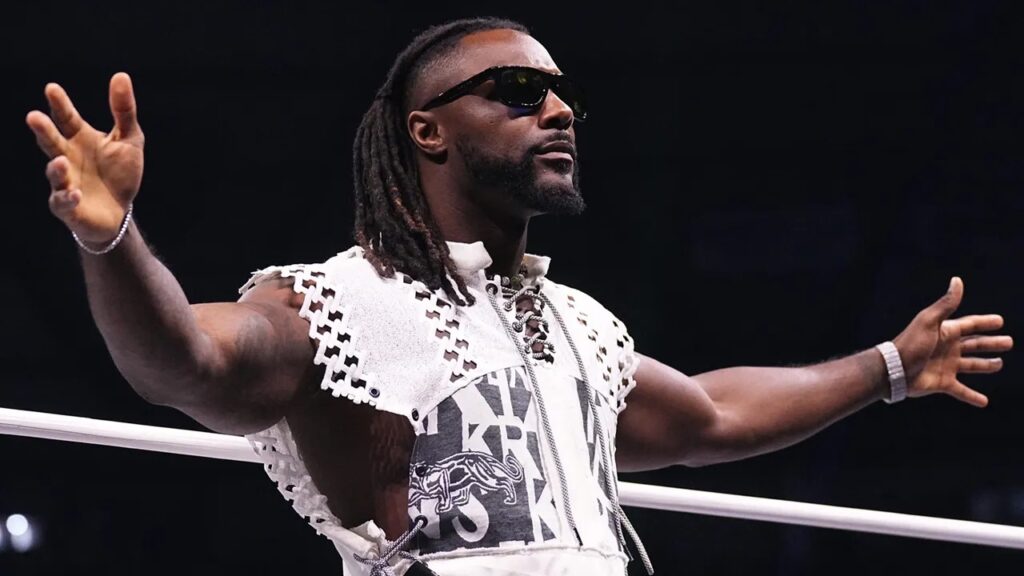
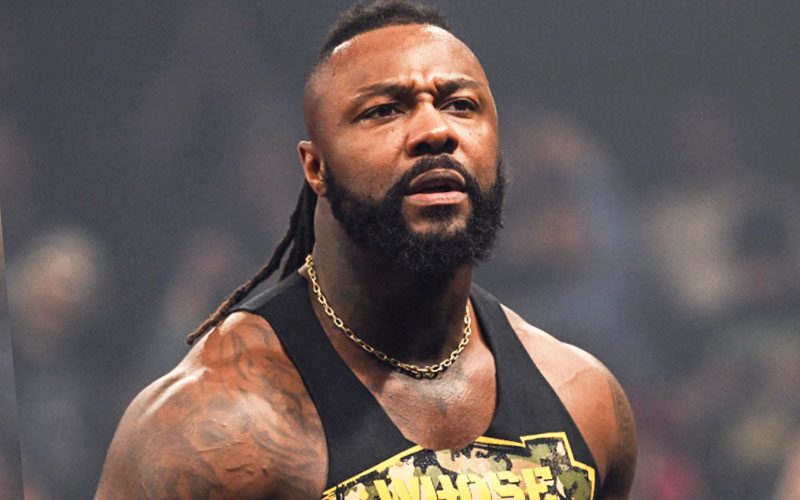
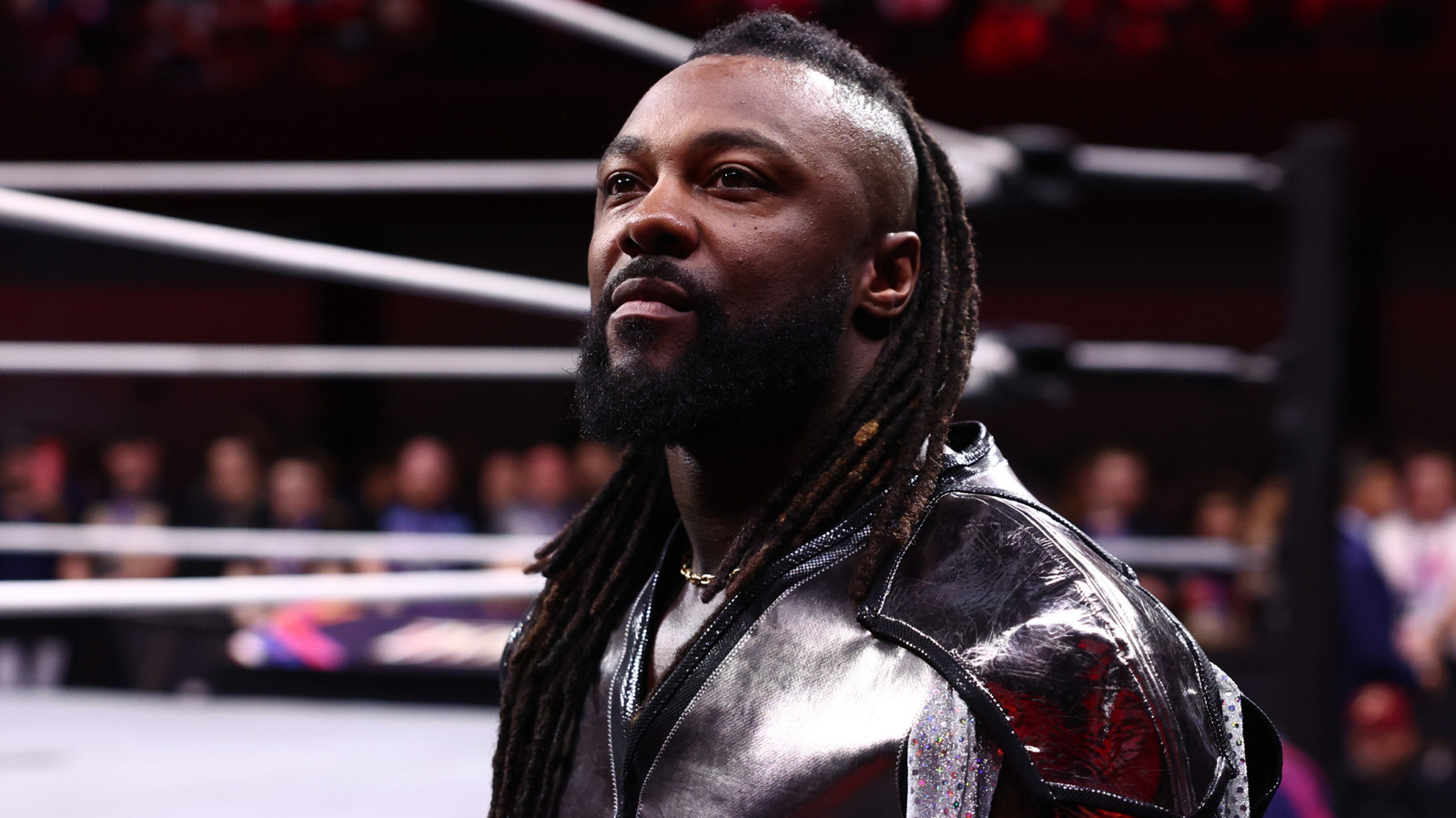
Swerve Strickland isn't interested in your fifteen-second highlight reel. He isn't impressed by a perfectly choreographed sequence designed specifically for the social media timeline. As reported by Ringside News, the former AEW World Champion has called out what he identifies as a systemic issue in modern professional wrestling. He sees talent going viral, securing lucrative television contracts, and arriving on national television without fundamentally mastering the craft.
He is entirely right to point it out.
We are watching an era where the barrier to entry for national television has fundamentally shifted. The traditional pipeline required years of grinding through miserable drives and wrestling in armories. You learned how to call a match in the ring. You learned how to sell.
Now? A hyper-athletic sequence involving three Canadian Destroyers and a springboard cutter can hit three million views on TikTok by Tuesday morning. By Wednesday, a major promotion is making a phone call. It is a dangerous shortcut that bypasses the essential developmental years of a professional wrestler's career.
This isn't just an old-man-yelling-at-clouds complaint. It is a sharp, tactical observation about the structural integrity of modern matches. When you sign a wrestler based on a ten-second GIF, you are hiring a stuntman, not a storyteller.
The anatomy of a viral match
We see the symptoms of this shortcut every week on television. A wrestler can execute a flawless springboard 450 splash, but they look completely lost during a basic rest hold. They don't know where the hard camera is. They rush their comeback sequence because they haven't learned the art of milking a crowd for a reaction.
The viral match is built on cooperation rather than conflict. You can spot it immediately. Opponents stand completely still outside the ring, waiting for fifteen seconds while the high-flyer climbs the turnbuckle and balances themselves for a dive.
It shatters the suspension of disbelief. The urgency is gone. The struggle is gone. It becomes a gymnastics floor routine where both participants are just trying to hit their marks.
Consider the basic act of taking a bump. In a viral clip, a bump is just a sudden impact, quickly brushed off to set up the next offensive maneuver. In a well-structured match, a heavy bump dictates the next five minutes of action. It forces the wrestler to change their strategy.
If you take a heavy suplex on your neck, you shouldn't be sprinting into the ropes thirty seconds later. The failure to register damage is the most glaring tell of a wrestler who skipped the foundational learning process. They are so eager to get to their next spot that they completely ignore the narrative being told.
Contrast this with how Strickland operates. Think back to his brutal Texas Death Match against 'Hangman' Adam Page. That match wasn't celebrated because of a neat, cooperative sequence. It was celebrated because it felt genuinely dangerous.
The pacing was deliberate. Every violent act had a consequence. Strickland understands that a move only matters if the audience believes in the malice behind it. You cannot learn that kind of psychology by practicing tumbling routines in an empty warehouse.
Strickland is pointing out a negative reality. The industry is currently rewarding the wrong metrics. Getting a cheap pop from a dangerous spot is relatively easy.
Making the crowd genuinely care when you are simply standing in the center of the ring, staring at your opponent, is incredibly difficult. That requires an innate understanding of pacing and presence.
The 10,000 hour deficit
Strickland’s frustration clearly stems from his own path. He is the complete antithesis of the overnight sensation. He earned his television spot the hard way, and his career is a blueprint for how to actually build a lasting foundation in this business.
Look at his resume. He spent years in CZW working grueling matches that tested his physical limits. He went to Germany to work for wXw, adapting to the rigid, hard-hitting European style.
He became Killshot in Lucha Underground. He worked under a mask and learned how to perform within a heavily produced, cinematic television environment. Then came the WWE Performance Center.
Working as Isaiah 'Swerve' Scott in NXT forced him to learn the meticulous details of WWE's television production. He learned how to time his matches to commercial breaks. He learned how to project his character to the back of an arena while simultaneously playing to a camera lens three feet from his face.
Furthermore, his time in WWE's Hit Row faction forced him to prioritize character work over pure workrate. He had to learn how to command a television segment with just a microphone and his body language. He wasn't relying on Canadian Destroyers to get a reaction; he was relying on charisma and timing.
That specific skill set is exactly what the viral generation lacks. The ability to hold an audience in the palm of your hand without taking a single bump takes years to master.
By the time he arrived in All Elite Wrestling, he wasn't just a guy with a cool moveset. He was a fully formed, bulletproof professional. He understood pacing, psychology, and character work.
That foundation is exactly why he was able to carry the company as World Champion. He didn't skip the queue. He took the stairs, and now he is looking down at the talent trying to take the elevator.
The AEW locker room dynamic
AEW is perhaps the most interesting environment for this debate to play out. The locker room is a massive collision of different wrestling philosophies. You have grizzled veterans like Jon Moxley and Bryan Danielson who demand physical, logical matches.
Then you have an influx of incredible young athletes who grew up studying YouTube highlight reels. Swerve sits directly in the middle of this divide. He is athletic enough to keep up with the high-flyers, but he possesses the psychological grounding of a twenty-year veteran.
He can hit the spectacular moves, but he uses them selectively. They are exclamation points, not the entire sentence. His recent comments should be read as a warning shot to that locker room.
He is essentially stating that flashy moves are no longer enough to impress him, and they shouldn't be enough to impress the audience. If you want to share the ring with the top tier of talent, you need to know how to actually work.
Heading into Double or Nothing
This mindset makes Swerve the most dangerous and compelling figure in the company right now. We are just 11 days away from AEW Double or Nothing on May 24. While the full card dynamics are still shifting, Strickland is positioning himself as the grim reaper for the viral generation.
He isn't just cutting promos; he is laying out a manifesto. He wants to drag inexperienced, clip-hungry wrestlers into deep waters. He wants to expose the glaring gaps in their game.
When you step into the ring with someone who has mastered the craft, all the flashy moves in the world won't save you when the match crosses the twenty-minute mark. There is a stark difference between executing a move and working a match. Swerve works a match.
He targets limbs. He slows the pace down when the crowd expects him to speed up. He uses subtle facial expressions to tell the story. He is forcing his opponents to play his game, on his terms.
The verdict
Professional wrestling desperately needs this kind of internal policing. The influx of incredible athletes into the business is a net positive, but only if those athletes are forced to learn the actual mechanics of storytelling. Swerve is holding the line.
He is demanding that the younger talent put in the hours rather than just chasing the algorithm. My prediction for Double or Nothing is simple, but absolute. Whoever stands across the ring from Swerve Strickland is going to receive a very public, very painful lesson in ring psychology.
Strickland will not accommodate a highlight reel match. He is going to systematically dismantle his opponent, not with flashy spots, but with a grinding, deliberate pace that forces them out of their comfort zone.
He will show exactly why mastering the craft still matters more than mastering the algorithm. Expect a masterclass in violence, and expect Swerve to walk out of Las Vegas having made his point perfectly clear.
Las Vegas is a city built on quick payouts and flashy distractions. It is the perfect setting for Swerve to deliver his message. He is the house, and the house always wins when the game goes long.
Read Next
- Double or Nothing 2026: The Stakes Just Got Real
- AEW is leaning into chaos as the road to Las Vegas hits a fever pitch
- Swerve Strickland's deleted tweet exposes AEW's biggest booking problem
- The data behind Swerve Strickland's deleted AEW television tweet
- ⚡ AEW Dynasty 2026 — Full Coverage Hub
- 🎲 AEW Double or Nothing 2026 — Full Coverage Hub