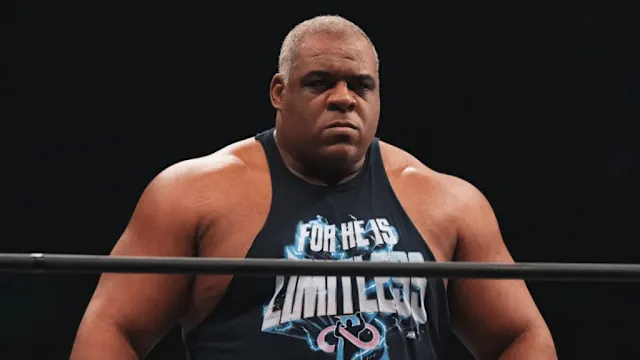
The locker room hierarchy is a ghost town without Brock Lesnar
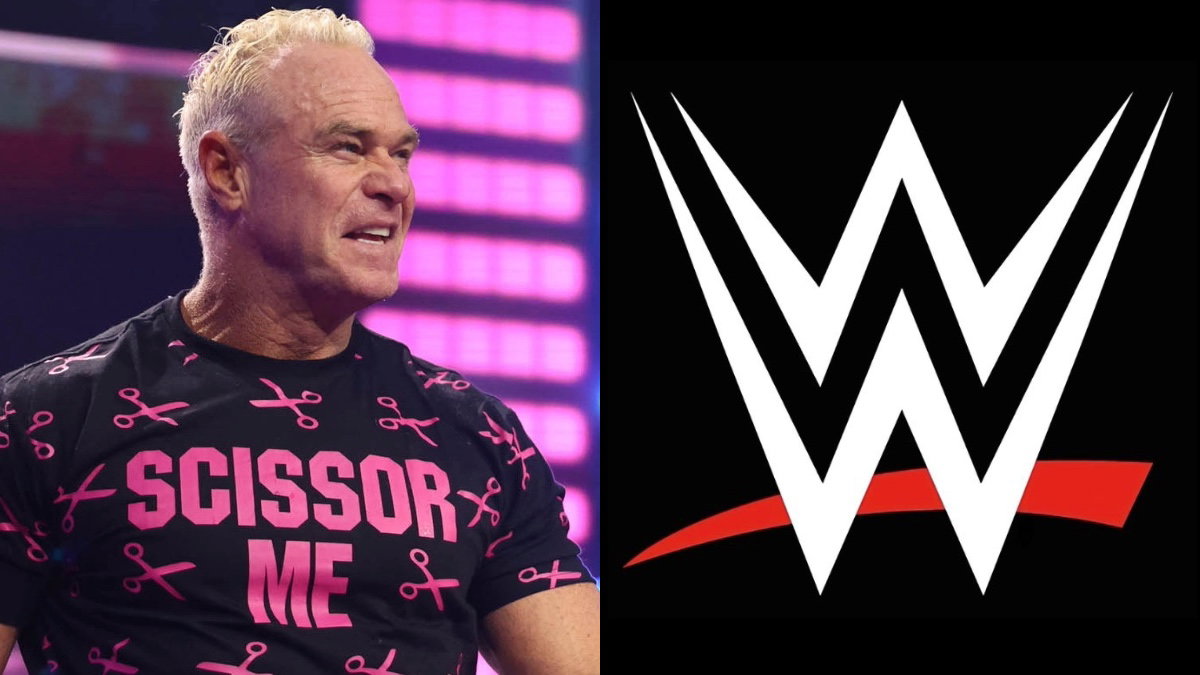
The shadow of the Beast Incarnate looms large
Professional wrestling often gets lost in the noise of theatrical promos and carefully choreographed spots. We spend hours obsessing over work rate, strike exchanges, and the technical merit of a spinning backfist. Yet, the industry relies on a foundation of genuine menace. Billy Gunn, a man who has stood in rings since the mid-eighties and navigated the most volatile locker rooms in history, recently cut through the artifice with a stark admission. As WrestleTalk reported, Gunn identified Brock Lesnar as the most intimidating individual he ever encountered.
This is not a casual observation from a novice. Gunn has been in the trenches with icons who defined the intensity of the Attitude Era. When a veteran of that caliber identifies a singular figure as a biological anomaly who could, in his words, eat him if he wanted to, the weight of the statement is impossible to ignore. It reminds us that professional wrestling is not just about the sequence of moves. It is about the credible threat that a performer brings to the space between the ropes.
The decline of genuine consequence
Modern booking frequently prioritizes the outcome over the aura. We see talent exchanges that look pristine on paper, yet struggle to connect because the danger feels manufactured. Lesnar occupies a space where his legitimacy as a former NCAA heavyweight champion and UFC heavyweight champion bridges the gap between showmanship and sport. His presence acts as a stabilizer for the entire broadcast.
When Lesnar is on the roster, every segment he touches undergoes a transformation. The tension ramps up not because the script demands it, but because the performers genuinely respond to the threat level he possesses. It is a form of gravity. Look at the way opponents shift their center of gravity when he executes a simple German suplex. There is no recovery time, no theatrical selling of a slow-rising sequence. It is a direct collision that reminds the audience why the sport matters in the first place.
The danger of a sanitized roster
We are currently witnessing a shift toward a more polished, safer brand of wrestling. While the athleticism displayed today is arguably at an all-time high, the grit often feels filtered. Without figures like Lesnar acting as the apex predator, the locker room hierarchy risks becoming flattened. If everyone is viewed as roughly equal in the eyes of the audience, then the significance of a championship victory is diminished. It becomes a matter of narrative convenience rather than a conquest of the most feared individual in the room.
The absence of such figures leaves a massive void. Bookers try to fill these holes with complex rivalries and multi-man stipulations, but no amount of interference or high-flying drama replaces the visceral reaction to a confrontation that feels like a fight. We see matches that reach a four-star rating according to popular fan metrics, yet they fail to evoke the silent, suffocating tension of a Lesnar ring walk.
Refining the booking of intensity
One of the more frustrating aspects of contemporary creative direction is the reliance on repetition. When threats are constant, they cease to be threats. We have seen instances where the mystique of a dominant character is eroded through excessive interactions with the rest of the roster. A monster is only effective if the spacing of their appearances is managed with surgical precision.
The business needs the contrast. It needs the light and the dark. Without the high-stakes, intimidating aura that a performer like Lesnar provided, the product trends toward a repetitive loop of exhibition matches. Fans are intelligent; they recognize when a confrontation lacks consequence. Bringing the threat level back to the forefront of the storytelling is the only way to prevent the product from becoming a series of disconnected, high-paced athletic displays.
Ultimately, the locker room needs someone to look up to—and occasionally, someone to be genuinely afraid of. Billy Gunn knows this better than anyone. The industry should focus less on the quantity of content and more on the quality of aura. If they fail to cultivate new figures who possess that innate, unscripted intensity, the sport risks losing the gravity that once made it feel like the most important show on television.
WWE Elite Collection Series 114 Jey Uso Action Figure
Bring the 'Yeet' energy home with this highly detailed Main Event Jey Uso figure
Frequently Asked Questions
Which wrestler does Billy Gunn consider the most intimidating he has faced?
Why is Brock Lesnar's presence important for wrestling credibility?
How does Brock Lesnar change the pace of a wrestling match?
What happens when a wrestling roster lacks an apex predator?
What is the primary critique of modern professional wrestling booking?
More Coverage
Why NXT's latest dark match injury is actually a genius booking move
9 hours agoFrom Ring-Ready Conditioning to PLE Shelf Displays: Essential Picks for the Modern Mark
10 hours ago
Santos Escobar is leaving the wrestling loop entirely
11 hours agoSantos Escobar hits the indie circuit and the internet is losing its mind
13 hours ago
Big E's nod to Lio Rush highlights a missing creative spark in modern wrestling
14 hours ago
Why the internet is losing the plot over ReelShort
15 hours agoMore Analysis
Does Baron Corbin's SmackDown return actually salvage his career?
an hour ago
The ongoing medical strain on WWE's main event roster
an hour agoMLP Mayhem brings AEW intensity to a new platform
an hour ago
Shota Umino’s G1 exit forces a brutal reality check for NJPW
an hour ago
When WWE let The New Day go hunting for The Elite
2 hours ago