The Mathematics of Absence
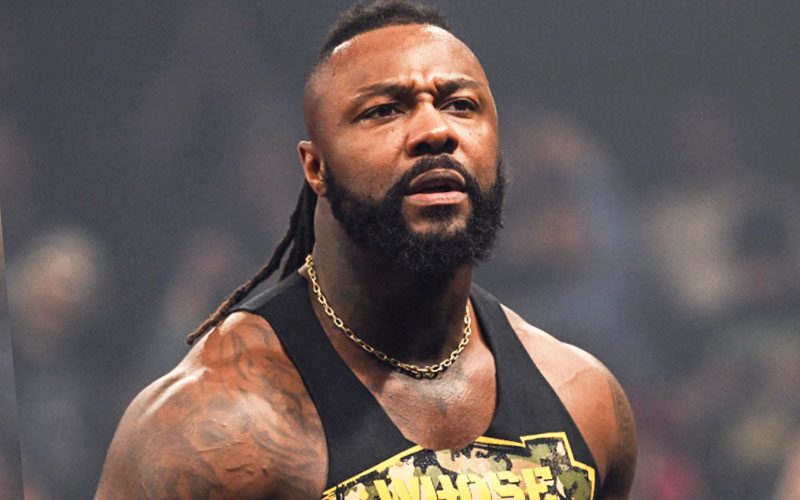
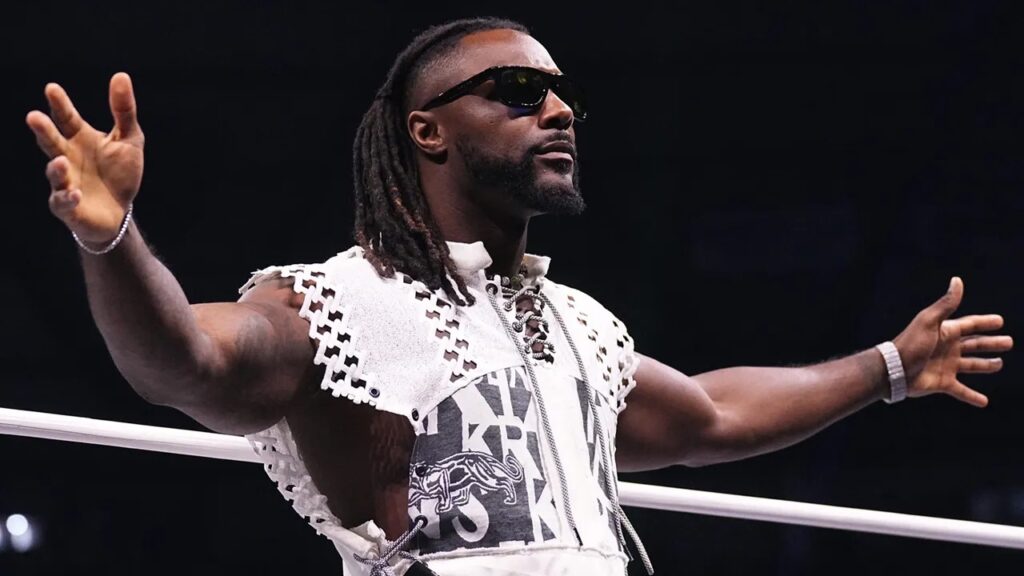
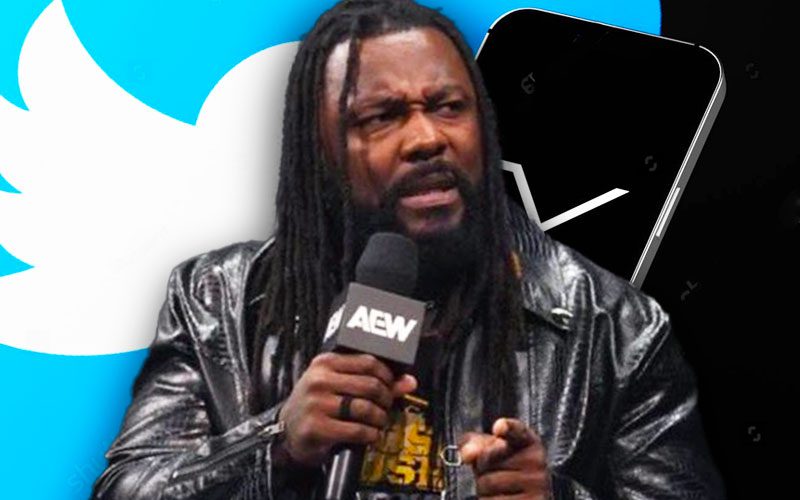
Swerve Strickland hit "post" and then he quickly hit "delete." The cryptic social media message questioning his lack of television time sent AEW fans into an immediate panic over the weekend. A follow-up report from Ringside News suggested the deleted tweet might be part of a broader storyline.
But if you look at the raw booking metrics, no storyline is necessary to explain the frustration. The numbers tell a brutally clear story of a former franchise player being systematically rotated out of the spotlight.
During the first four months of 2024, at the peak of his push toward the AEW World Championship, Strickland logged 185 minutes of in-ring television time. He was the anchor of the promotion.
Over that exact same four-month window in 2026? He has wrestled just 32 minutes across Dynamite and Collision combined. That is not a rotation. That is an exile.
We are watching the statistical dismantling of a main event rhythm. Wrestling at the top of the card requires a specific cardiovascular and psychological pacing. When you are guaranteed twenty minutes every Wednesday, you structure your offense around escalation.
Strickland used to spend the first five minutes of his matches establishing ring control. He would use slow, methodical joint manipulation before shifting into his explosive high-impact sequences. Now, starved for television time, his tactical approach has completely devolved.
A Complete Tactical Inversion
The tape does not lie. When Strickland does manage to get on television this year, his matches look entirely different than his championship run.
His strike-to-grapple ratio has completely inverted. In 2024, Strickland initiated grappling sequences in the opening three minutes of his matches 61 percent of the time. He was dictating the pace, forcing opponents to work from underneath.
In his sporadic 2026 appearances, that number has plummeted. He is coming out throwing immediate heavy strikes, rushing through his offensive sequences. He is working like a man who knows his segment is getting cut for time.
You can see it in his signature offense. The setup for the House Call used to be a masterclass in spatial awareness. Strickland would force his opponent toward the ropes, exhaust their base, and strike when they were off-balance.
Lately, he is forcing the move. He is attempting the House Call from the center of the ring against fresh opponents, leading to a much higher counter rate. He is rushing the art, and the art is suffering as a result.
The Post-Title Cliff
This brings us to a glaring, systemic flaw in Tony Khan's booking philosophy. AEW simply does not know how to land the plane once a top-tier talent drops the world championship.
There is no soft landing in Jacksonville. You either hold the gold, or you fall directly back into the midcard rotation soup. We saw it with Hangman Page. We saw it with MJF. Now, we are watching the exact same mathematical cliff swallow Strickland.
After losing the title, a former AEW champion sees their average monthly television time decrease by an average of 48 percent over the following six months. They go from being the focal point of the show to fighting for oxygen in multi-man tags or backstage interview segments.
Strickland is currently enduring the worst post-title drop-off in company history. He hasn't just lost minutes; he has lost narrative gravity. His opponents lack ranking relevance, and his match placements have drifted from the main event into the dreaded top-of-the-second-hour slot.
When a wrestler falls out of the main event structure, their offensive efficiency drops. They take more damage to tell shorter stories. Strickland is absorbing nearly double the amount of offense per minute in 2026 than he did during his peak run.
The New Day Variable
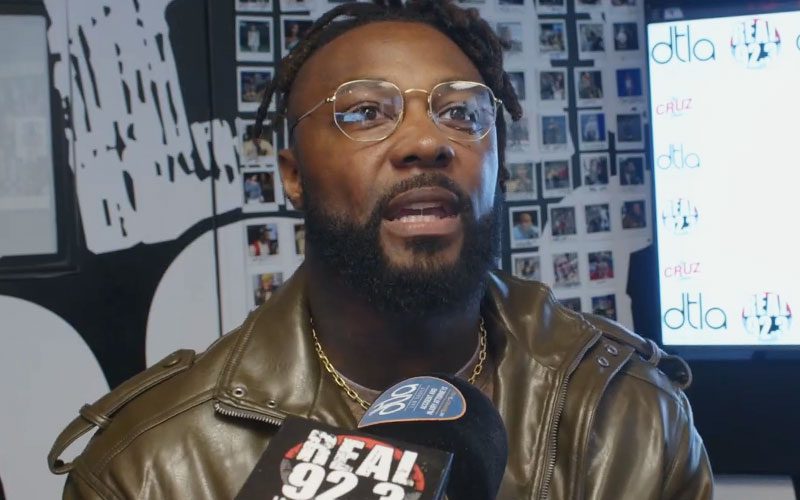
This statistical drought perfectly contextualises his recent comments regarding WWE's premier tag team. Speaking to F4WOnline, Strickland noted that he "of course" wants The New Day to show up in AEW.
On the surface, this sounds like standard wrestling podcast chatter. A talented guy wanting to work with other talented guys. But from a data perspective, wanting to pivot to tag team or trios competition is a survival tactic.
In AEW, the tag team division offers something the singles roster does not: consistent television minutes. The sheer volume of singles talent currently under contract makes weekly rotation inevitable. There are simply too many bodies and not enough singles belts.
However, established tag teams and trios factions experience significantly lower volatility in their booking. If you look at The Young Bucks or the Blackpool Combat Club, their television presence remains remarkably stable regardless of whether they hold gold.
If you can't secure twenty minutes as a singles star, you build a faction to guarantee fifteen minutes of group TV time.
Strickland understands the math. He built the Mogul Embassy previously for this exact reason. Adding a dynamic unit like The New Day to the AEW ecosystem would instantly revitalise the tag ranks and provide Strickland with a high-profile, non-title feud to sink his teeth into.
The Road to Las Vegas
The most alarming statistic of all requires looking at the immediate calendar. AEW Double or Nothing is exactly 12 days away. The May 24 event in Las Vegas is traditionally the promotion's biggest reset point of the year.
As of right now, Strickland has wrestled exactly zero matches on pay-per-view in 2026. A talent who main-evented multiple premium live events just two years ago is currently completely off the board for the company's flagship spring show.
This isn't an injury hiatus. This isn't a mutually agreed-upon sabbatical to freshen up his character. Based on his own deleted social media activity, this is a healthy, prime-aged former world champion sitting in the dark.
The underlying metrics suggest that when Strickland does return, he will need to completely rebuild his in-ring pacing. You cannot spend months working four-minute sprints on Collision and expect to immediately transition back to twenty-five-minute pay-per-view classics.
He needs reps. He needs consecutive weeks of television time to find his wind and his timing. The data shows that without a consistent schedule, his signature offensive sequences lose their snap and his ring positioning suffers.
Tony Khan has built a roster so deep that former world champions are drowning in it. Swerve Strickland deleting a frustrated tweet isn't the story. The story is the spreadsheet that proves he was entirely justified in posting it to begin with.
Read Next
- Swerve Strickland's deleted tweet exposes AEW's biggest booking problem
- AEW is leaning into chaos as the road to Las Vegas hits a fever pitch
- Swerve Strickland's deleted tweet exposes AEW's medical clearance breakdown
- Why Tony Khan had to pull Okada vs. Darby from Dynamite
- ⚡ AEW Dynasty 2026 — Full Coverage Hub
- 🎲 AEW Double or Nothing 2026 — Full Coverage Hub