The Reinforcements Arrive in Asheville
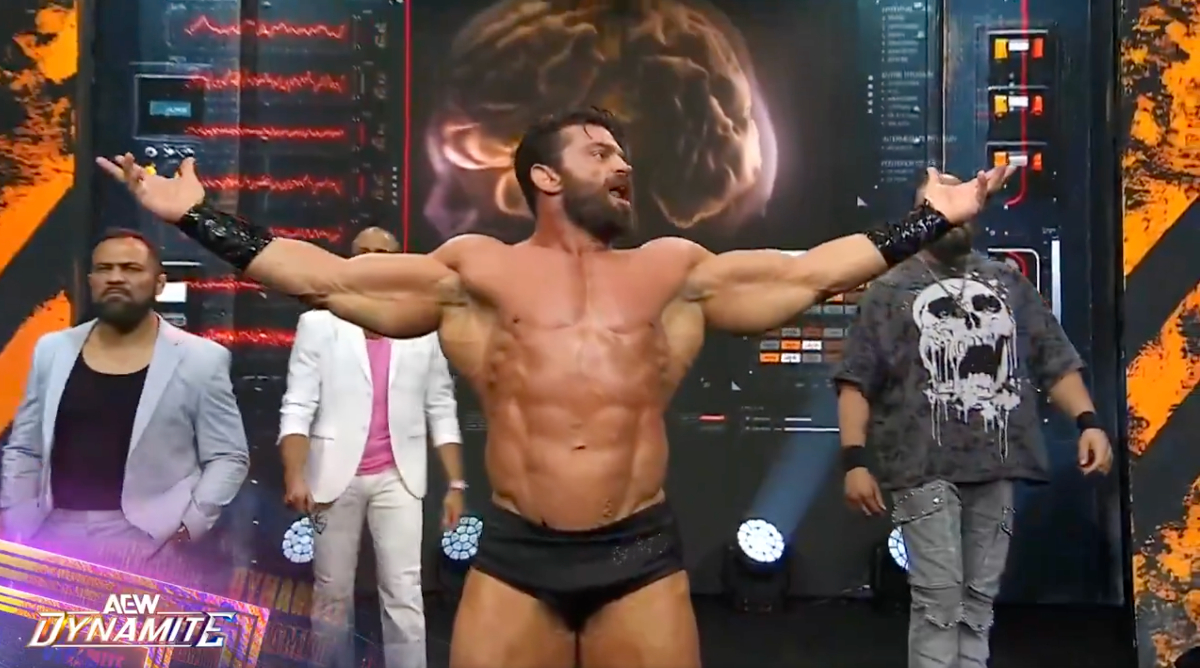
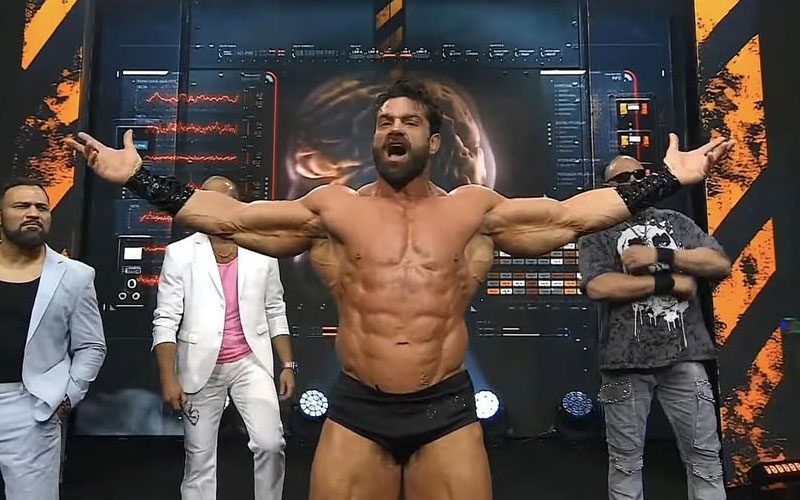
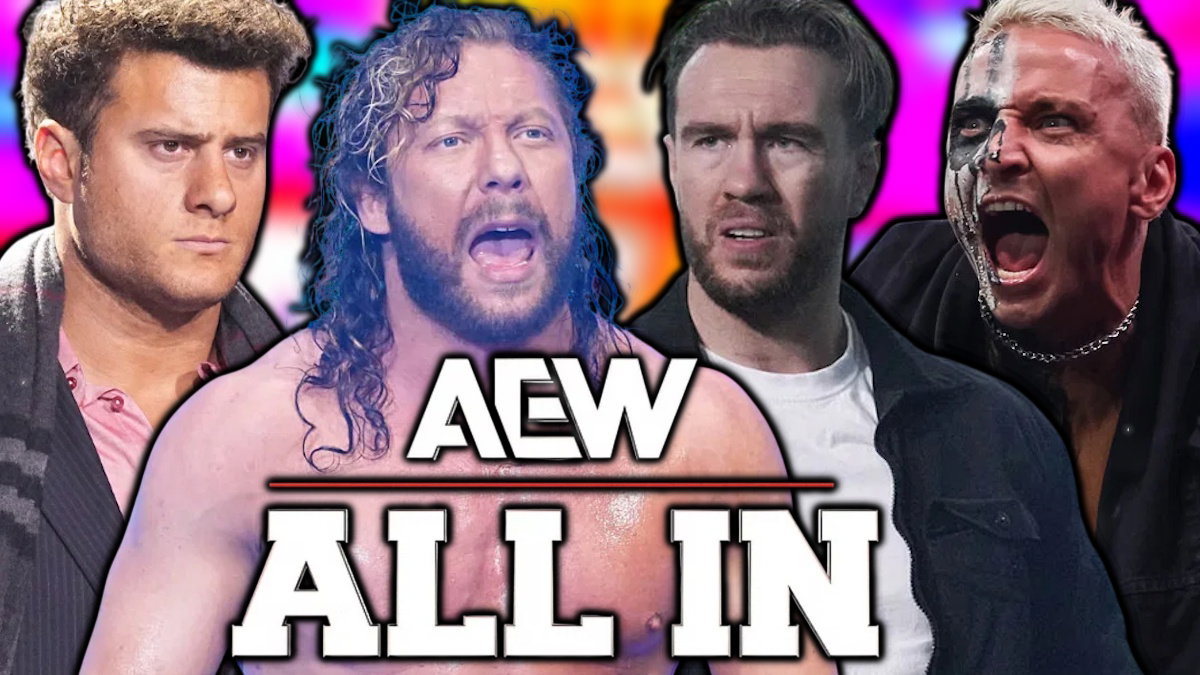
The injury bug has been feasting on the wrestling world throughout May, but AEW finally caught a much-needed break this week. On the May 13 edition of Dynamite in Asheville, both Mark Briscoe and Brian Cage made their returns to the ring, immediately shifting the power dynamics of the roster. With Double or Nothing scheduled for May 24 in Las Vegas, their presence provides a safety net for a card that was beginning to look dangerously thin.
Briscoe's return is the shot of adrenaline the promotion required heading into the summer. He brings a chaotic, unscripted energy that has been missing from the upper-midcard. Sources indicate that Briscoe was dealing with a nagging knee issue that required several weeks of total rest to avoid surgery. His performance in Asheville showed zero signs of hesitation, as he executed a rolling elbow into a Code Red that looked as crisp as his pre-injury work. He is now expected to be a centerpiece of the Owen Hart Cup brackets, which were a primary topic of discussion on the PWTorch Dailycast this week.
Brian Cage's return serves a different strategic purpose. "The Machine" provides the physical mass needed to balance out the high-flyers currently dominating the title scene. Cage is reportedly being fast-tracked into the build for the World Title vs Hair match, a stipulation that has divided the fanbase. While some see it as a classic throwback, others view it as a desperate pivot for a creative team struggling to find compelling narratives without their full deck of stars. Cage’s involvement adds a layer of unpredictability to a match where the stakes are literally attached to a stylist's chair.
The Kevin Owens Crisis and WWE’s Mounting Problems
While AEW finds its footing, the mood in the WWE locker room has turned somber following a severe update on Kevin Owens. Reports from the medical team suggest Owens is dealing with a significant neck injury, with doctors officially recommending a period of complete immobilization. This is a devastating blow for a performer who has built his career on a high-impact, high-risk style that involves frequent bumps on the apron and the concrete floor. The timing is particularly brutal, as Owens was reportedly slated for a major program heading into the summer stadium shows.
Neck injuries in this industry are rarely simple. We have seen the long-term effects of spinal stenosis on legends like Edge and Stone Cold Steve Austin, and the fear is that Owens might be facing a similar diagnosis. If the rest period does not yield significant improvement, surgery could be the only option, which would sideline the former Universal Champion until at least early 2027. This leaves a massive void in the Monday Night Raw roster, forcing the creative team to rely even more heavily on a few overextended top stars.
Chelsea Green is also currently missing from action, sidelined with a confirmed ankle injury. Green had been enjoying the most consistent run of her career, finding a niche as a character who could bridge the gap between comedy and serious competition. Ankle ligament damage is notorious for being unpredictable; one bad step during a return match can reset the recovery clock. WWE is being cautious, likely keeping her off television until the June tour to ensure she is at 100 percent for the next premium live event cycle.
Blood and Burnout on the International Circuit
The physical toll of the modern schedule isn't limited to the major US promotions. Dominik Mysterio recently made headlines following his appearance at AAA Rey de Reyes 2026, where he sustained a gruesome head injury. Mysterio shared photos of the aftermath, showing a deep laceration that required several stitches to close. While head cuts are often dismissed as "part of the job" in wrestling, the sheer frequency of Dominik’s travel and his high-intensity match style are starting to raise concerns about burnout.
Mysterio has been an iron man for WWE, working a schedule that involves international flights, house shows, and weekly television. A head injury like the one sustained in Mexico is a reminder that the margin for error is razor-thin. When a performer is tired, their timing slips by a fraction of a second, and that is when the most dangerous accidents occur. WWE management will likely have to look at scaling back his dates if they want to preserve him for the long haul, especially given how vital he has become to the company’s digital growth.
The industry is currently trapped in a cycle where the demand for "work rate" and five-star matches is at an all-time high, but the human body hasn't evolved to match the pace. We are seeing more muscular injuries, more concussions, and more spinal issues than in previous decades. The athletes are faster and stronger, but the rings are just as hard and the schedules are just as demanding. This "next man up" mentality is a necessity for the business, but it often leads to stars returning before they are fully healed.
Historical Context and the Physical Toll
Looking at the history of the business provides a sobering perspective on these current injuries. Today marks exactly 30 years since the death of Ray Stevens, a legend of the territory era who passed away at only 61 years old. Stevens was a master of the "bump," but the long-term effects of that style contributed to his early departure. In the 1990s, the medical infrastructure for wrestlers was almost non-existent compared to today, yet the fundamental risks of the ring remain unchanged.
Even looking back five years to this day in 2021, we see the shift in how health is managed. When Bronson Reed won the North American Championship, the NXT system was just beginning to implement more advanced sports science protocols. Reed was a powerhouse who managed to avoid the major injury pitfalls that plagued many of his peers during that transition era. However, as discussed in the PWTorch NXT Flashback, momentum can be lost just as easily through creative apathy as it can through physical trauma. Sarray’s run is a prime example of a talent who stayed healthy but lost her spot because the office didn't know how to use her.
The modern era is different because the fans are more attuned to the health of the performers. We track recovery timelines like we track box office receipts. When a writer like Alex Greenfield spoke about the WWE creative room in a classic interview from 174 minutes of podcasting a decade ago, he highlighted how Vince McMahon’s whims often clashed with the reality of the medical report. Today, the creative teams are more professional, but they are still at the mercy of the trainer's room. A single awkward landing can derail a six-month storyline involving millions of dollars in merchandise and ticket sales.
Strategic Implications for the Summer Season
The immediate impact of these injuries will be felt at Double or Nothing. AEW is gambling that the returns of Cage and Briscoe will be enough to distract from the absence of other major names. The "World Title vs Hair" match is a high-risk strategy; if the match doesn't deliver a classic performance, the stipulation will look like a gimmick designed to hide a lack of depth. It is a critical moment for the promotion to prove that their roster is resilient enough to survive the inevitable attrition of a major tour.
WWE faces a more complex challenge with Kevin Owens. They cannot simply replace his personality or his connection with the audience. His injury will likely force a reshuffling of the top tier, perhaps giving a younger talent a chance to step into a main event role sooner than expected. The risk, of course, is that the audience may reject a replacement who hasn't been properly seasoned in the midcard. In wrestling, you can't just plug in a new player and expect the same chemistry.
Ultimately, the May 18 injury report is a mixed bag. The returns of Mark Briscoe and Brian Cage are huge wins for AEW’s short-term prospects, but the looming uncertainty surrounding Kevin Owens’ neck and Chelsea Green’s ankle serves as a reminder of the fragility of the sport. As we head into the high-stakes environment of the summer stadium shows and the Owen Hart Cup, the ability of both companies to manage their medical rosters will be just as important as the quality of the wrestling itself.
The wrestling business is a war of attrition where the winners are often just the ones who managed to stay out of the operating room.
For now, all eyes are on Las Vegas and the return of "The Machine" and the "Sussex County Chicken." Whether they can carry the load left by the sidelined stars remains the biggest question of the month. Fans will be refreshing their feeds for every update on Owens, hoping that the "doctor recommendation" doesn't turn into a retirement announcement.