The strategic timing behind Sunday Night's Main Event
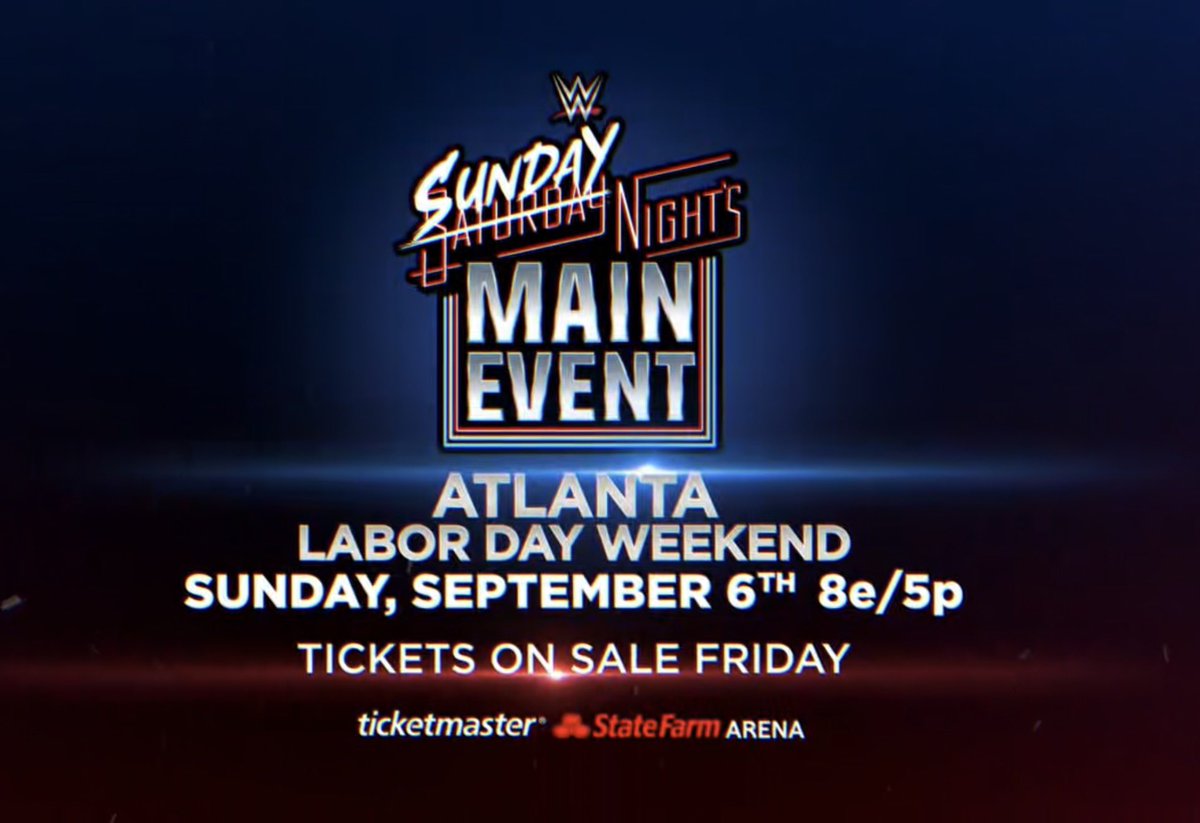
The return of Sunday Night's Main Event to Atlanta is more than a nostalgia play. By positioning this special on the date originally reserved for Money in the Bank, WWE is signaling a shift in their premium live event strategy. We are looking at a move designed to maintain momentum during the post-summer lull, specifically targeting a secondary market that historically delivers high engagement.
As reported by PWInsider, the event will carry the weight of a major broadcast rather than a standard house show. WWE is betting that the branding itself can generate ratings parity with their mid-tier premium live events. This isn't just about clearing a calendar slot; it is about establishing a recurring tentpole that doesn't require the massive budgetary commitments of a 'Big Five' show.
The structural risks of the Atlanta card
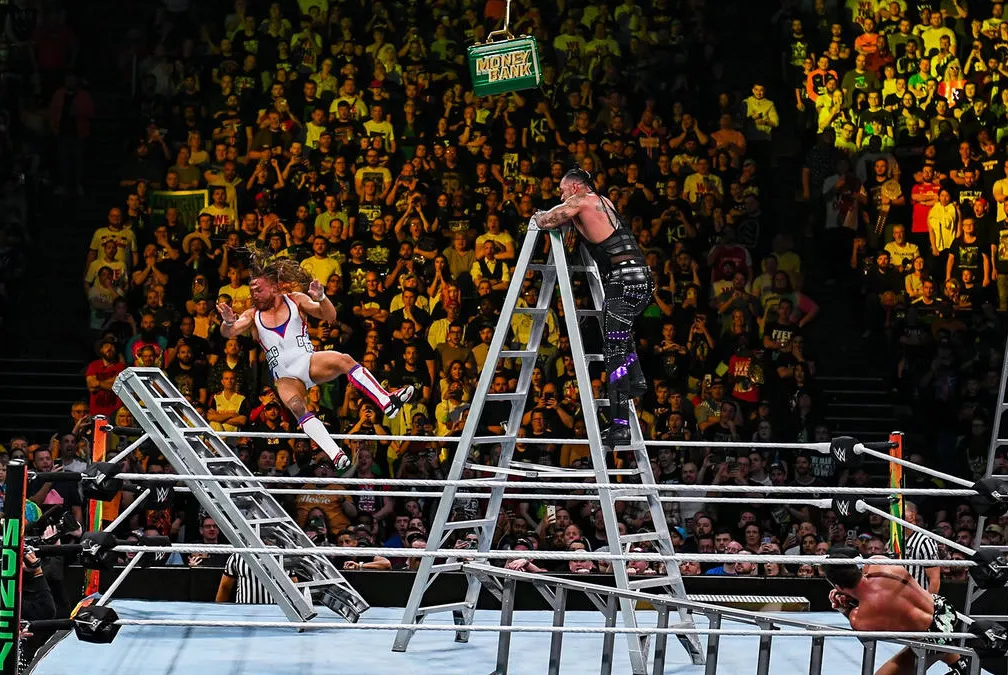
While the business case for this event is clear, the execution faces legitimate hurdles. Replacing a staple like Money in the Bank—which inherently provides built-in narrative stakes through the ladder matches—leaves a distinct gap in the calendar. Without the ladder matches, the creative team needs to manufacture high-stakes drama to keep the audience invested.
History suggests that standalone specials without a tournament hook or a title change often suffer from pacing issues. If the mid-card talent isn't utilized to flesh out the ninety-minute window, we run the risk of a filler-heavy card. The reliance on legacy branding, while effective for ticket sales as noted by F4WOnline, cannot compensate for a lack of narrative momentum.
Data-driven expectations for the special
Historically, non-PPV specials airing on Sunday nights capture a different demographic than the standard Monday or Friday windows. The shorter runtime forces a faster pace, which usually results in 15 to 20 percent less downtime between segments. This is a positive for the viewer at home but creates immense pressure on the production team to balance in-ring pacing with commercial breaks.
I expect the main event to feature a high-leverage title defense to justify the broadcast window. If they choose to slot anything else in the closing position, they will lose the casual viewers who expect a definitive outcome to the broadcast. The decision to host this in Atlanta suggests they are banking on an electrified home-field crowd to carry the energy through a shorter broadcast window.
The hidden cost of the schedule change
Moving away from the original Money in the Bank date poses a massive risk for the company's Q3 metrics. By delaying or reformatting their summer anchor, they are gambling that the interest in this new iteration will hold steady at around 1.5 million average viewers. If the creative output fails to drive social media engagement in the days following the event, this might be a one-off experiment rather than a permanent fixture.
Furthermore, the focus on these high-profile production specials sometimes distracts from the talent development needed at the local level. Events like the Cannonbalooza benefit remind us that the heart of the industry often beats away from the corporate spotlight. WWE's challenge is to ensure the polish of Sunday Night's Main Event doesn't sacrifice the grit that makes professional wrestling compelling to long-term fans.