Setting the Stage for Sports Entertainment
The modern era of WWE has been defined by quick pivots and a willingness to break established structures. We are seeing constant shifting in authority roles and roster dynamics as the schedule turns toward major arena events.
The Critical Hierarchy of Impact
10. The Return of the Wyatt Sicks. The debut of this group brought a layer of psychological tension that had been missing from the mid-card. Their initial attack sequence was calculated, though the reliance on pre-taped segments often slows the momentum of their live appearances.
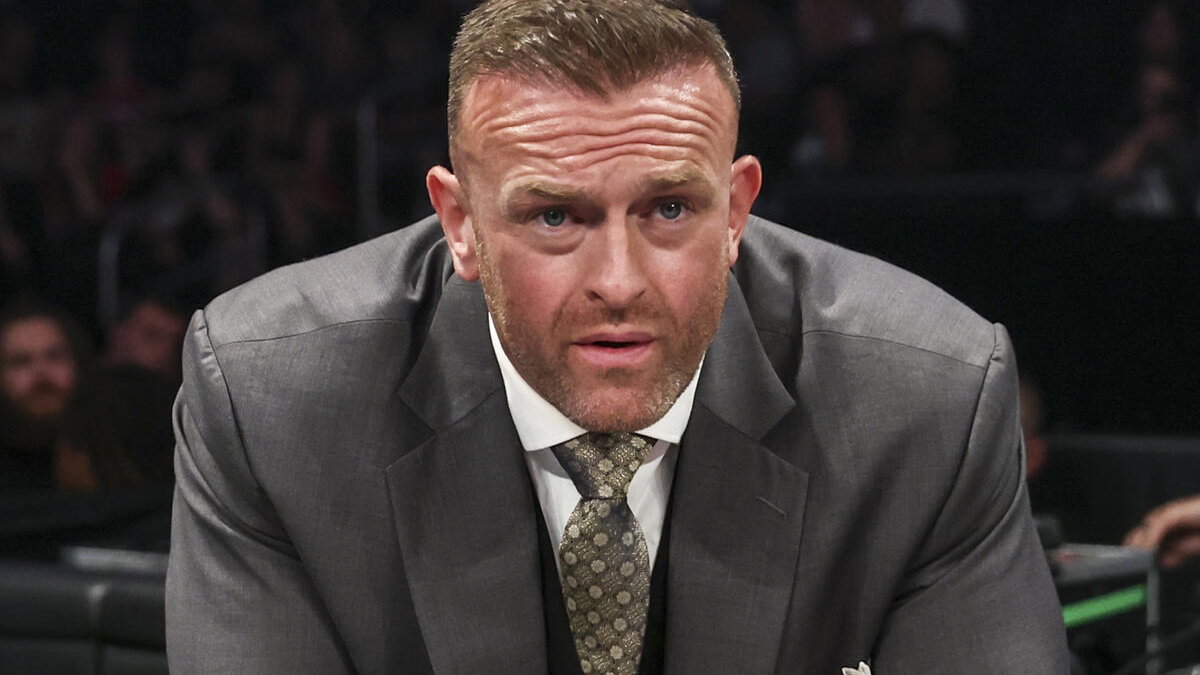
9. Nick Aldis Steps Down. As reported by WrestleTalk, the formal departure of Aldis from the General Manager chair to pursue an in-ring path at SummerSlam marks a rare pivot from suit to boots. It remains a high-stakes bet, as losing an authoritative onscreen foil weakens the weekly structure of the blue brand.
8. The Tag Team Title Resurgence. Expanding the focus on the tag division has provided a necessary buffer for the main event scene. While some matches suffer from disjointed booking, the quality of ring work has seen an uptick compared to the previous two fiscal years.
7. The Mid-Card Title Unified Stakes. Treating secondary championships as legitimate main event obstacles has elevated the roster depth. Fans now engage with opening matches that actually dictate the direction of the weekly show, rather than just serving as filler between interviews.
6. The Women’s Division Main Event Push. WWE has transitioned from treating women’s matches as exhibition pieces to booking them as legitimate draws. The technical proficiency in recent bouts shows that management is finally trusting these performers to carry the entire broadcast load during peak hours.
5. The Commentary Team Shakeup. Replacing traditional color analysts with former competitors has shifted the tone of the broadcast. The shift allows for more granular analysis of move sets, though the excessive banter periodically undermines the gravity of the finishing sequences.
4. The SummerSlam Card Elevation. Management has opted for a leaner, more concise card design this season. By narrowing the focus to fewer, deeper storylines, they have avoided the burnout that plagued previous high-profile events which dragged past the four-hour mark.
3. The Rise of the Heavyweight Specialists. The focus on raw power dynamics has corrected a period where the division felt lacking in believable threats. With potential signings like those discussed regarding the heavyweight depth of the blue brand, the company is doubling down on size as a primary visual asset.
2. The Production Value Reset. Moving away from excessive camera cuts and rapid-fire zoom effects has made the product feel more visceral. The audience can finally follow a technical reversal without getting motion sickness, suggesting a return to sports-first presentation.
1. The Authority Power Struggle. The constant shuffling of corporate roles provides the central conflict that fuels every other segment on the card. Without a consistent antagonist in the front office, the individual rivalries lack the narrative glue needed to sustain interest over a three-hour television window.
The Big Picture
We are currently witnessing a push toward hyper-specialization in the WWE roster. By leaning into clear character archetypes and reducing extraneous production elements, the product is sharper, though it occasionally lacks the spontaneous chaos that defined previous decades.
Honorable Mentions
- The surprise involvement of NXT talent on the main roster, which adds unpredictability.
- The increased emphasis on international markets, forcing the primary talent to maintain a grueling pace.
- The return of long-form promos, which provides depth but occasionally stretches the runtime of the opening act.