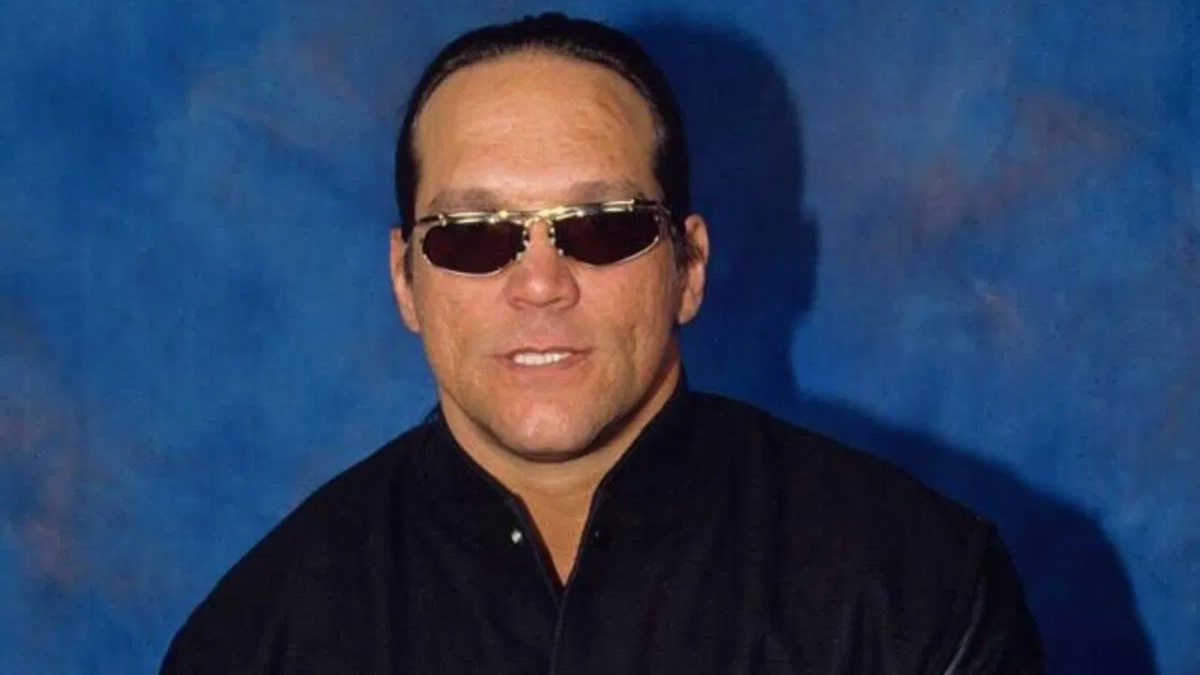
The pathology of 191 consecutive Sundays
The diagnosis of Stage 3 Chronic Traumatic Encephalopathy (CTE) in Steve "Mongo" McMichael is the final, clinical validation of a career defined by absolute physical disregard. Data from the Boston University CTE Center consistently shows that the severity of the disease correlates most strongly with the duration of play rather than the number of documented concussions. McMichael played 15 seasons in the NFL, a staggering tenure for a defensive tackle who lived in the trenches.
Between 1981 and 1993, McMichael set a Chicago Bears franchise record by appearing in 191 consecutive games. For a player at his position, those 191 games represent approximately 11,000 defensive snaps, each involving a high-velocity collision at the line of scrimmage. This isn't just a record of durability; it is a ledger of sub-concussive accumulation that the brain was never designed to process.
Stage 3 CTE is characterized by extensive tau protein accumulation in the frontal and temporal lobes. This is the stage where the clinical symptoms shift from mood swings and irritability into profound cognitive loss and executive dysfunction. When we look at McMichael's 13 seasons in Chicago, we aren't just looking at 95 career sacks; we are looking at the foundational architecture of his neurodegeneration.
The sub-concussive accumulation at the line of scrimmage
Research into offensive and defensive linemen suggests they are at the highest risk for CTE due to the sheer volume of hits. Unlike a wide receiver who might take one massive hit per game, a tackle like McMichael engaged in 60 to 70 head-to-head collisions every Sunday. Over 15 seasons, that totals over 15,000 documented impacts when factoring in training camps and practices.
The force of these hits often exceeds 20g, which is enough to cause the brain to rotate within the skull. While McMichael was celebrated for his "Mongo" persona and his ability to play through pain, the pathology shows that the brain has no mechanism for building a callous. Every snap during that 191-game streak added another layer of tau protein that would eventually choke off healthy neurons.
The WCW years and the secondary trauma window
The analysis of McMichael’s health usually stops at the NFL sidelines, but his 5 years in World Championship Wrestling (WCW) provided a secondary window of trauma. Transitioning to professional wrestling in 1995 meant moving from one collision sport to another without a recovery period. In WCW, McMichael was a power wrestler, frequently taking high-impact bumps and delivering maneuvers that required significant spinal and cranial stability.
During his stint with the Four Horsemen, McMichael was involved in approximately 300 televised matches and hundreds of untelevised house show loops. While wrestling is choreographed, the physical impact of a 270-pound man hitting a plywood-and-steel ring is a measurable metric of trauma. For a brain already compromised by 15 years of NFL trench warfare, these 300 matches likely served as an accelerant for the existing pathology.
The wrestling industry in the late 1990s lacked the concussion protocols we see in 2026. If McMichael felt dazed after a botched spot or a stiff clothesline, there was no independent neurologist to pull him from the card. He was rewarded for his toughness, a trait that the Stage 3 diagnosis now reveals was his greatest long-term liability.
The overlap between ALS and CTE
McMichael’s death in August 2024 followed a grueling 3.5-year battle with Amyotrophic Lateral Sclerosis (ALS). The medical community has increasingly noted a correlation between repeated head trauma and the development of motor neuron diseases. In cases like McMichael’s, the Stage 3 CTE diagnosis likely functioned as a co-pathology that worsened his physical decline.
When the brain is overwhelmed by tau tangles, its ability to regulate the nervous system degrades. For McMichael, the transition from the NFL Hall of Fame ballot to a wheelchair was a rapid, 42-month collapse. The data suggests that athletes with high-stage CTE are significantly more likely to develop neuromuscular complications than the general population, with some studies indicating a 4-fold increase in risk for former collision athletes.
The price of the Mongo persona
There is a harsh irony in the fact that McMichael was inducted into the Pro Football Hall of Fame just weeks before his death. The "Mongo" character—the indestructible, wild-eyed brawler—was the very thing that the NFL and WCW marketed to fans. We cheered for the 95 sacks and the 191-game streak because we value availability and aggression above all else in sports.
The critical failure of both industries was the normalization of this destruction. McMichael wasn't just tough; he was symptomatic for years while still being pushed into the spotlight. By the time he was 66, the age of his passing, his brain had likely been in a state of advanced decay for over a decade. The industry celebrated the legend while the man was disappearing in real-time.
This Stage 3 diagnosis should serve as a cold metric for the cost of "iron man" legacies. Every time we celebrate a player for never missing a start or for being a "throwback" who ignores medical advice, we are incentivizing the neurofibrillary tangles found in McMichael’s brain. The numbers don't lie: 15 seasons and 5 years of wrestling equals zero chance of a healthy retirement.
A failed system of oversight
The NFL concussion settlement has paid out over $1 billion to date, but money cannot reverse Stage 3 pathology. The failure here is systemic. McMichael's transition into wrestling should have been a red flag for any medical professional, yet the lucrative nature of his crossover appeal silenced the safety concerns. WCW didn't care about his NFL mileage, and the NFL didn't care about his post-career bumps.
As of April 7, 2026, we have more data than ever on the dangers of multi-sport collision careers. The diagnosis of Steve McMichael is not a surprise; it is a statistical certainty. If a player spends 20 years in the collision business, the brain will eventually present the bill. For Mongo, that bill was a Stage 3 diagnosis that arrived two years too late to change anything for the man himself.