The Big Picture: Grappling with the name Steve
Wrestling history is defined by those who bridge the gap between amateur athleticism and professional showmanship. Across various promotions, the name Steve has occupied distinct tiers, ranging from accidental tragedy to genuine technical innovation. This ranking evaluates their total career output, impact on the industry, and the long-term weight of their professional legacies.
1. Steve ‘Mongo’ McMichael
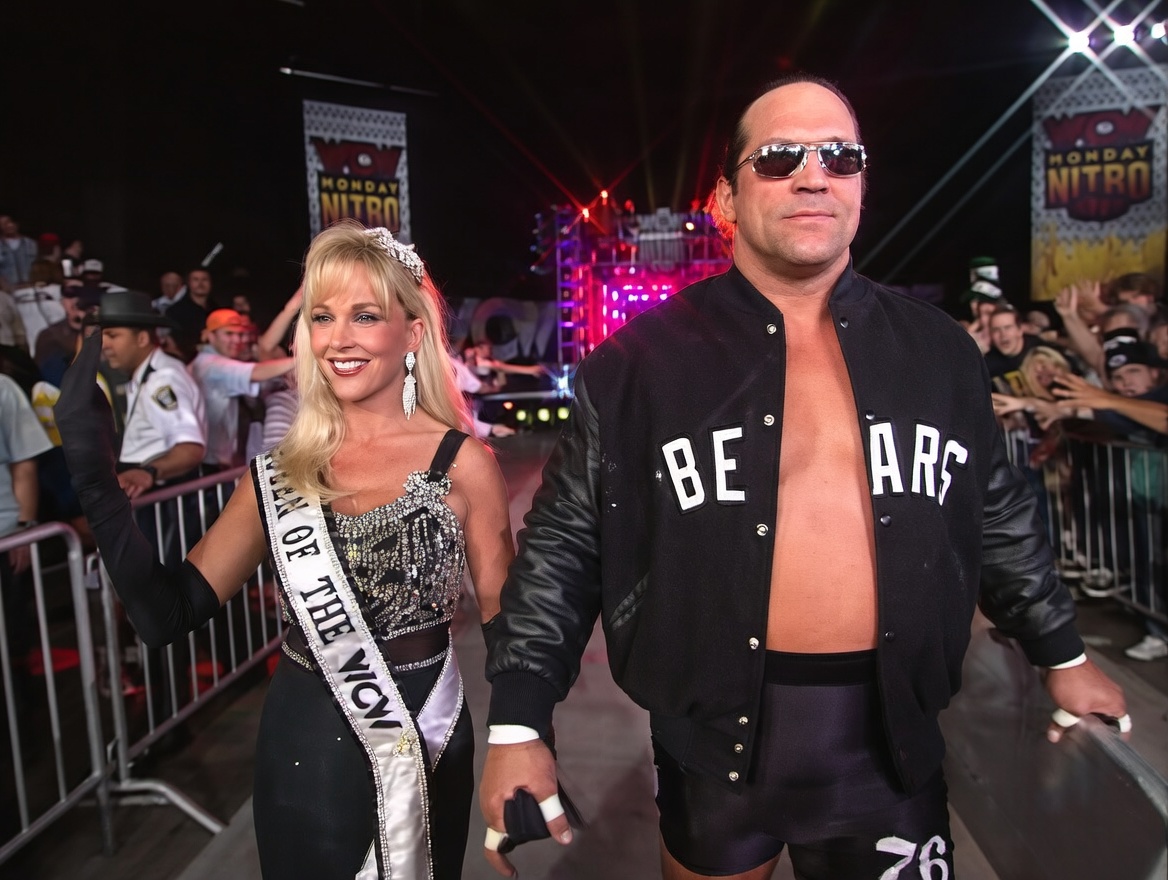
McMichael remains the gold standard for crossover success, transitioning directly from an NFL Super Bowl champion to a central WCW figure. His tenure with the Four Horsemen cemented his status as a legitimate threat, offering a grit that few wrestlers could replicate. The recent confirmed diagnosis of Stage 3 CTE highlights the hidden cost he paid for his physical aggression. Losing him to ALS complications after a five-year struggle was a gut punch to the sport. He ranks first because he survived both rings, a feat that defines his permanent status in the history books.
2. Steve Austin
Austin is the primary reason the Attitude Era scaled to global dominance. His work rate in 1997 and 1998 set a speed that modern performers struggle to match. While his persona was iconic, his decision to carry the company during the peak of the Monday Night War cannot be overlooked. He falls to second only because his career was defined by a single specific peak, whereas McMichael’s trajectory across two major sports leagues feels more singular.
3. Steve Corino
Corino is a master of the heel promo and earned his reputation in ECW through sheer brutality. His work in the ring was often overshadowed by his sharp tongue and ability to manipulate a crowd into genuine resentment. The King of Old School gimmick was more than just nostalgia; it worked because he refused to break character. He ranks third for maintaining relevance across multiple decades and independent promotions.
4. Steve Blackman
The Lethal Weapon represents the ultimate utility player for the late 90s era. Blackman brought legitimate martial arts expertise to the mid-card, turning the Hardcore Championship into a showcase for stiff, realistic striking. He was never going to headline WrestleMania, but he provided the reliable, high-quality work that held the show together. His commitment to the bit—especially his stoic, no-nonsense persona—made him a fan favorite.
5. Steve Williams
Doctor Death was a powerhouse who translated elite collegiate wrestling skill into a dominating career in Japan and the US. Most American fans missed his prime in All Japan Pro Wrestling, which explains his mid-tier placement here. His work against Misawa and Kawada is legendary to anyone who values high-stakes stiff wrestling. He was the prototype for the modern heavy hitter.
6. Steve Regal
While often conflated with his namesake William Regal, Steve provided a technical foundation that benefited countless peers. His work in the mid-80s was defined by a focus on holds and counters that modern wrestling has largely abandoned. He ranks sixth due to his role as a connector between the pure catch-wrestling era and the more cinematic product that followed. He was a pure wrestler in a business increasingly driven by spectacle.
7. Steve Keirn
Known best as one half of The Fabulous Ones, Keirn was a pioneer of the high-energy, image-heavy wrestling style. He understood the visual appeal required for the early 80s television market, which boosted his stock substantially. He ranks seventh because his influence was regional rather than global, though his contribution to tag team structure remains undervalued. He was consistently reliable but lacked the main-event gravity of the names above him.
8. Steve Bradley
Bradley was a high-potential talent during the developmental era who never quite found the footing to maintain momentum on the main roster. His technical aptitude was undeniable, but the booking often failed to translate his skills into a compelling narrative. He represents a common tragedy in wrestling: the missed opportunity. We rank him here as a reminder that pure talent often dies in the mid-card machine.
9. Steve O
The Jackass connection provided a surge of mainstream eyes during a sluggish period for the industry, yet his impact was purely spectacle-based. While he took bumps that would hospitalize a trained wrestler, his lack of technical grounding limits his placement. He belongs on the list, but not for the craft of wrestling itself. He served a purpose for the casual fan, nothing more.
10. Steve Anthony
Rounding out the list is a figure who represents the grit of the independent scene. He is a testament to the grind, working regional circuits and focusing on the fundamentals of the sport. He lacks the national brand name of the others, but his output demonstrates a commitment to the craft. He is exactly where he belongs: at the bottom, looking up at the legends.
Honorable Mentions
Recent developments in independent circuit movements have introduced a few new prospects named Steve to the scene, though their impact remains untested. We excluded several local promotions' names that lacked the historical data to warrant an objective comparison against the giants listed above.
The Final Word
This list reflects the disparity between historical impact and individual talent. McMichael reigns, as his posthumous analysis proves his physical contributions to wrestling were as dangerous as they were significant. Other names on this list provided the engine room for the industry to keep moving. Whether through legitimate injury or accidental hilarity, the Steve contingent has shaped the industry in ways that only a retrospective analysis can clarify.