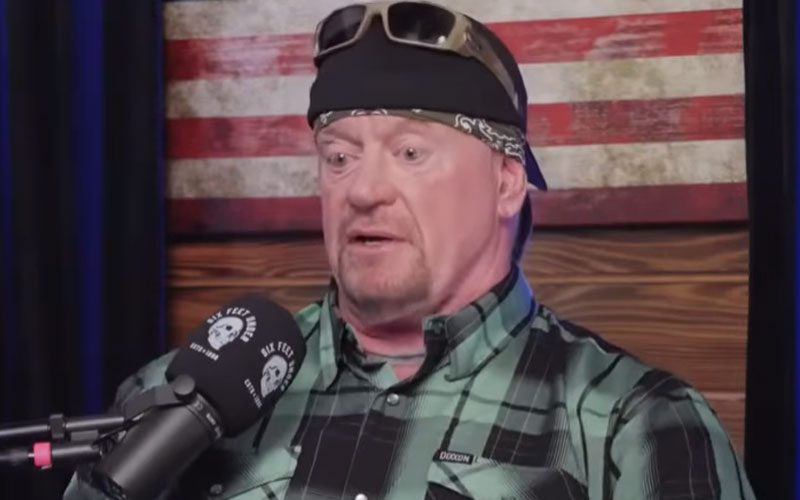
Why the five-second wrestling clip is destroying the match as an art form
The Rise of the Five-Second Moment
The speed of the modern wrestling cycle is exhausting. On this Tuesday, April 7, 2026, as we sit twelve days out from WrestleMania 41 in Las Vegas, the way we consume the sport has fundamentally broken. It is no longer about the twenty-minute epic; it is about the five-second clip optimized for a vertical feed. The highlight has become the product itself rather than a marketing tool for the full match.
We have moved from the era of tape trading to a high-definition clipping economy. Fans now act as amateur broadcast directors, using tools like OBS and AI-driven automated clipping services to isolate single moves before the referee's hand even hits the mat for a two-count. This isn't just a shift in viewing habits; it is a tactical reconfiguration of how wrestlers work in the ring.
Watch the way Cody Rhodes or Roman Reigns structures a segment now. Every major beat is punctuated by a pause specifically designed to let the social media teams and fan accounts capture the 'money shot.' They aren't wrestling for the live crowd in the rafters; they are wrestling for the algorithm that prioritizes 60 frames per second high-bitrate uploads.
The Technical Mechanics of the Modern Clip
The process starts with the capture. Most high-level fan accounts are pulling direct 4K feeds from streaming platforms, bypassing traditional broadcast delays. They aren't just hitting record; they are using specialized software to crop the standard 16:9 broadcast into a 9:16 vertical frame. This requires a sharp eye for framing, often losing the context of the opponent's selling to focus entirely on the execution of the move.
This 'vertical revolution' has forced a change in camera work. Notice how WWE production has started centering the action more tightly. They know that if a wrestler is too far to the left or right of the frame, the clip becomes useless for TikTok or Instagram Reels. The 'WWE House Style' has become a 'Social Media Style,' where the center of the ring is the only territory that matters for the final product.
The technical quality has improved, but the storytelling has thinned. A clip of John Cena hitting an AA on his farewell tour looks spectacular in isolation. It captures the power, the roar of the crowd, and the iconic pose. What it misses is the three minutes of 'hope spots' and the psychological build that made that specific AA meaningful within the narrative of the night.
The Death of the Transition
The most worrying trend in 2026 is the disappearance of the transition. In a world where only the 'big spots' get engagement, the 'boring' parts of a match—the headlocks, the mat work, the subtle positioning—are being treated as filler. This is a tactical disaster for the sport. Wrestling is about the peaks and valleys, but the clipping economy demands only the peaks.
Look at the work of younger talent on the indie circuit who are vying for a spot at WrestleMania 42 or beyond. They are working at a frantic pace, stringing together high-risk maneuvers with zero downtime. They know that a headlock won't get them a thousand retweets, but a 450-splash into a Canadian Destroyer will. The result is a match that feels like a series of disconnected stunts rather than a cohesive athletic contest.
This creates a disconnect for the viewer. When you see a wrestler take a 'shattering' powerbomb through a table and then stand up ten seconds later to set up the next spot, the internal logic of the match collapses. The 'clip-bait' style prioritizes the visual impact over the physical consequence. We are teaching fans to look for the 'pop' instead of the 'payoff,' which is a dangerous path for long-term engagement.
The Myth of the WrestleMania Moment
WrestleMania 41 is being marketed as a collection of 'moments.' The John Cena farewell is the centerpiece, and every promo is designed to be clipped into a thirty-second hype video. The match quality itself almost feels secondary to the imagery. We are looking at a card where the iconic visual—Cody holding the gold, Cena's final salute—is more important than the tactical execution of the matches.
The data backs this up. Most engagement on social media platforms for wrestling content peaks within the first 48 hours after an event. The 'dwell time' for a full match on a streaming service is plummeting, while the view counts for individual clips are in the millions. Fans are choosing to watch the 'Greatest Hits' rather than the full album, and the industry is responding by producing more singles and fewer symphonies.
There is also the issue of the 'Out of Context' account. These accounts thrive by stripping the story away from the action. A clip of a wrestler falling off a ladder is funny or shocking without knowing why they were on the ladder in the first place. This reduces professional wrestlers to the status of stunt performers, devaluing the incredible character work and promo ability that used to be the bedrock of the business.
The Legal Gray Zone and the Fan Creator
WWE and AEW have taken different approaches to this clipping culture. For a long time, the strategy was to issue copyright strikes and shut down fan accounts. In 2026, that has changed. They realized that these fans are doing their marketing for free. An account with 500,000 followers posting 4K clips of RAW highlights is a more effective promotional tool than a billboard in Times Square.
However, this comes with a cost. The companies are losing control of their own narrative. If a fan clips a botched move and it goes viral, that becomes the story of the show. The technical errors that used to be forgotten by the next morning are now archived and looped forever in 1080p. The pressure on wrestlers to be perfect has never been higher, leading to a stifling environment where no one wants to take a risk that might look bad in a five-second loop.
The copyright situation remains a mess. While the major promotions are leaning into the 'fair use' defense for promotional purposes, the platforms themselves are still inconsistent. A creator might spend hours color-grading and editing a tribute video only to have it pulled because of a three-second audio clip of a theme song. It is a fragile relationship that could collapse the moment a legal department decides to change its mind.
The Aesthetic of the Over-Edited Highlight
We must also address the 'aesthetic' of the modern highlight. There is a trend toward over-editing that is genuinely distracting. Excessive motion blur, heavy color filters, and aggressive 'shake' effects are being used to make simple moves look more impactful than they are. It is the wrestling equivalent of 'clickbait,' promising a level of intensity that the actual footage doesn't support.
This over-editing is often a mask for poor technical execution. If a kick doesn't land flush, a clever editor can hide the gap with a well-timed camera shake or a flash of white light. This creates a false standard for what wrestling should look like. When a fan goes to a live show and sees the moves without the 'Instagram filter,' they often feel disappointed. The reality can't compete with the digital enhancement.
The best wrestling has always been about the raw physicality. Think of the way a chop sounds in a quiet arena, or the way the mat vibrates when a heavy wrestler hits a suplex. These are sensory experiences that don't translate to a muted clip on a smartphone. By focusing so heavily on the visual 'pop,' we are losing the tactile nature of the sport that makes it unique.
The Critical Failure of the Modern Style
Here is the hard truth: wrestling that is designed to be clipped is rarely good wrestling. Good wrestling requires patience. It requires a referee who actually enforces the rules and a wrestler who knows how to sell a limb for ten minutes. The clipping economy has no room for a ten-minute leg-work sequence. It wants the springboard cutter into the mid-air spear.
The result is a generation of wrestlers who are incredibly athletic but struggle to tell a story that lasts longer than a commercial break. They are 'spot-monkeys' in the most literal sense, performing for the camera rather than the opponent. When everything is a highlight, nothing is a highlight. The impact of a big move is diluted when it is preceded by six other big moves that were only done to ensure there was enough 'content' for the post-match social media dump.
The booking of WrestleMania 41 reflects this. We have several 'spectacle' matches that are almost certainly going to be short, high-impact affairs. They are designed to provide the visuals for the 2026 year-end highlight reels. While that might sell subscriptions in the short term, it does nothing to build the next generation of 'workhorse' champions who can carry a promotion through the lean months between the major stadium shows.
Looking Ahead to the Post-Clip Era
Where does this go? Eventually, the bubble has to burst. Fans will grow tired of the same recycled spots and the same over-edited aesthetic. We are already seeing a small 'retro' movement on the independent scene, where promotions are banning filming from the front row to encourage fans to actually watch the show with their own eyes rather than through a five-inch screen.
The promotions that will survive and thrive in the late 2020s are the ones that can bridge the gap. They need to provide the 'clip-able' moments to satisfy the algorithm, but they must also provide the deep, rewarding storytelling that keeps a fan invested for the full three hours. It is a delicate tactical balance that few have mastered.
As we head into WrestleMania 41 Night 1 on April 19, the focus will be on the stars and the spectacle. But as an analyst, I’ll be looking at the gaps between the moves. I’ll be looking for the wrestlers who aren't playing to the 'TikTok crop' and are instead trying to make their opponent look like they’ve actually been in a fight. That is the real art of wrestling, and it’s something that no five-second clip can ever truly capture.
The highlight is a snapshot, but the match is a story. If we lose the story, we lose the soul of the business.
We are currently at a point where the snapshot is winning. The engagement metrics for individual clips are at an all-time high, up by 42 percent compared to the same period in 2024. But those numbers are hollow if they don't translate to a deep, emotional connection with the characters. A fan who likes a clip of a flip is not the same as a fan who buys a ticket to see a hero win a title.
The industry needs to stop chasing the viral dragon and start refocusing on the fundamentals. The technical ability to create highlights is a tool, not a goal. Until we realize that, we are just watching a very expensive series of stunts, devoid of the grit and the nuance that made professional wrestling a global phenomenon in the first place.
Read Next
- WrestleMania 41: Stakes Are Higher Than Just Championship Gold
- WrestleMania 41 heads to Allegiant Stadium with too many loose threads
- WrestleMania 41: A Crossroads of Legacy, Redemption, and Creative Turmoil
- The Scottish Resurrection: Ranking the 10 Defining Eras of Drew McIntyre
- 🏆 WrestleMania 41 — Full Coverage Hub
WWE Elite Collection Series 114 Jey Uso Action Figure
Bring the 'Yeet' energy home with this highly detailed Main Event Jey Uso figure
More Coverage
Why WWE's corporate booking machine keeps fumbling its best faction ideas
a minute ago
WWE Stacked Card for Detroit RAW Sets Up Crucial Mid-Summer Pacing
2 minutes ago
The backstage fallout of WWE's rotating roster and injury management
3 minutes ago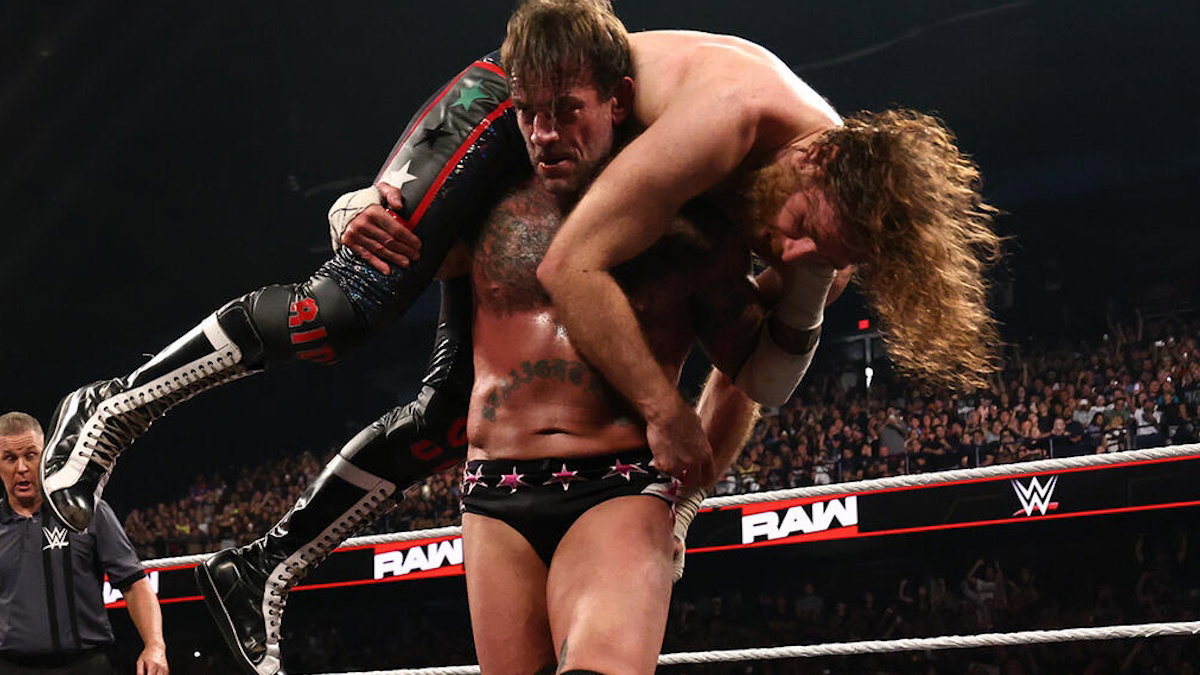
Why Triple H is gambling on Nick Aldis in the ring
4 minutes ago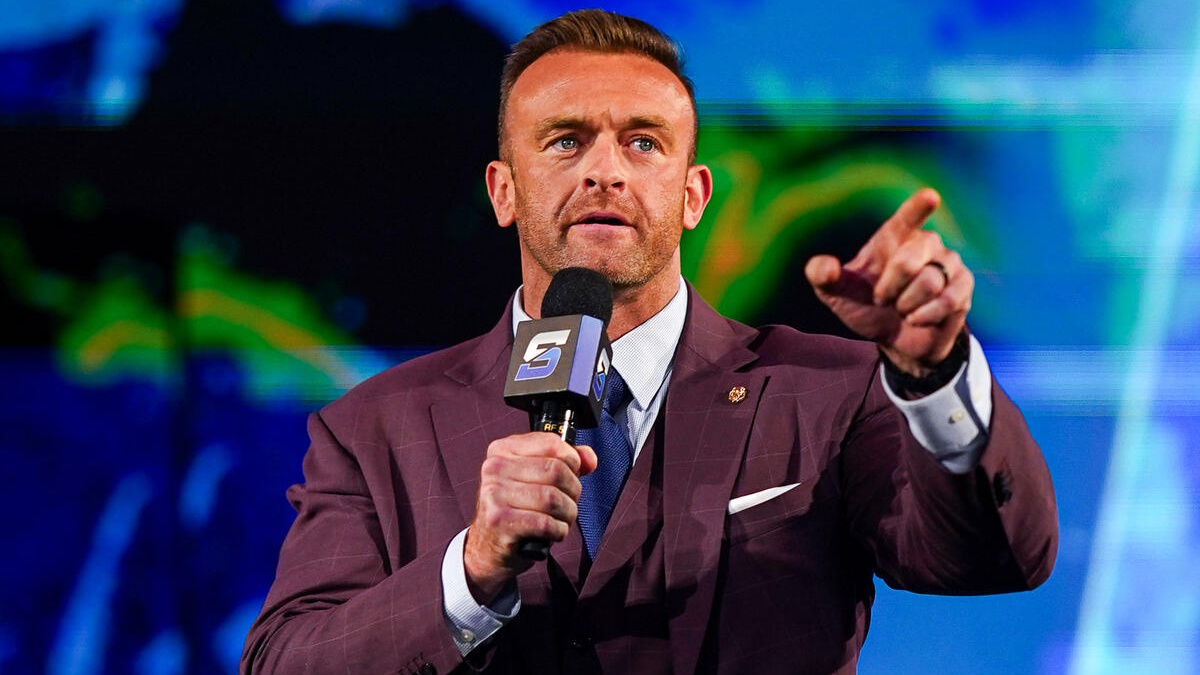
Nick Aldis walking into an impossible SummerSlam corner
30 minutes ago
Booking Nick Aldis at SummerSlam is a colossal misfire
31 minutes agoMore Analysis
WrestleMania 41 is the turning point WWE needed
3 months ago
NXT's obsession with viral clips is starting to cannibalize the product
3 months, 2 weeks agoWhy the TikTok era of wrestling hasn't fixed the local show problem
1 month ago
WrestleMania 41 ignores the digital void for a physical spectacle
3 months ago
WWE’s data-first booking strategy is hitting a wall
2 days, 5 hours ago