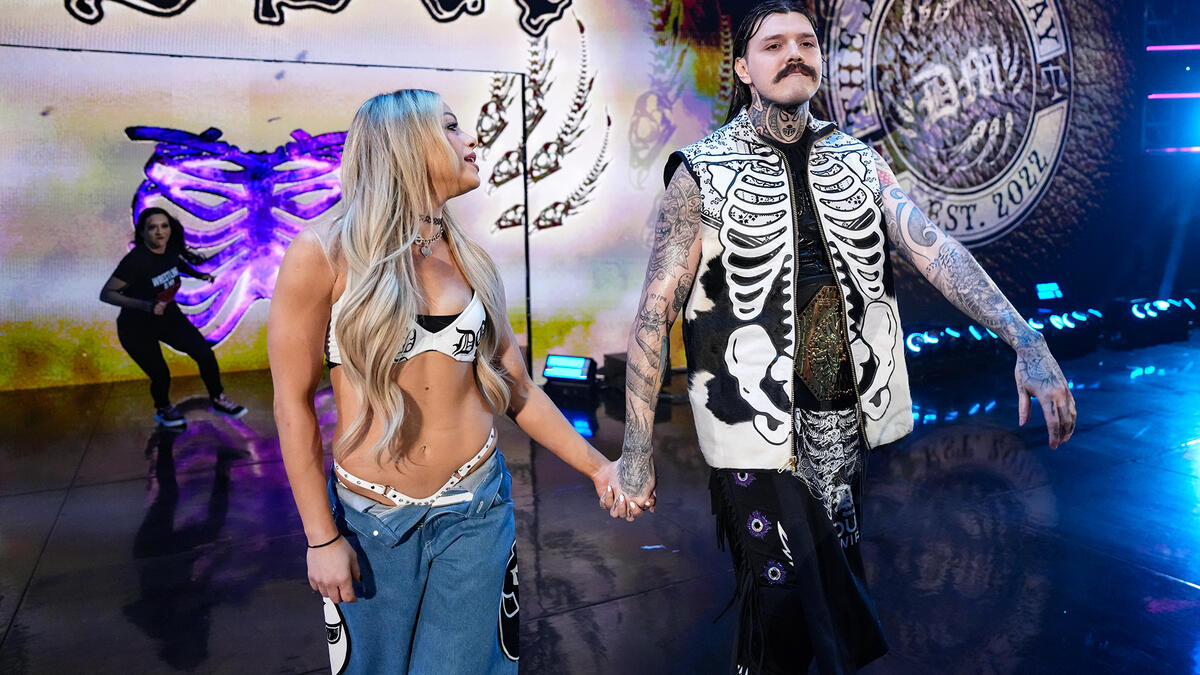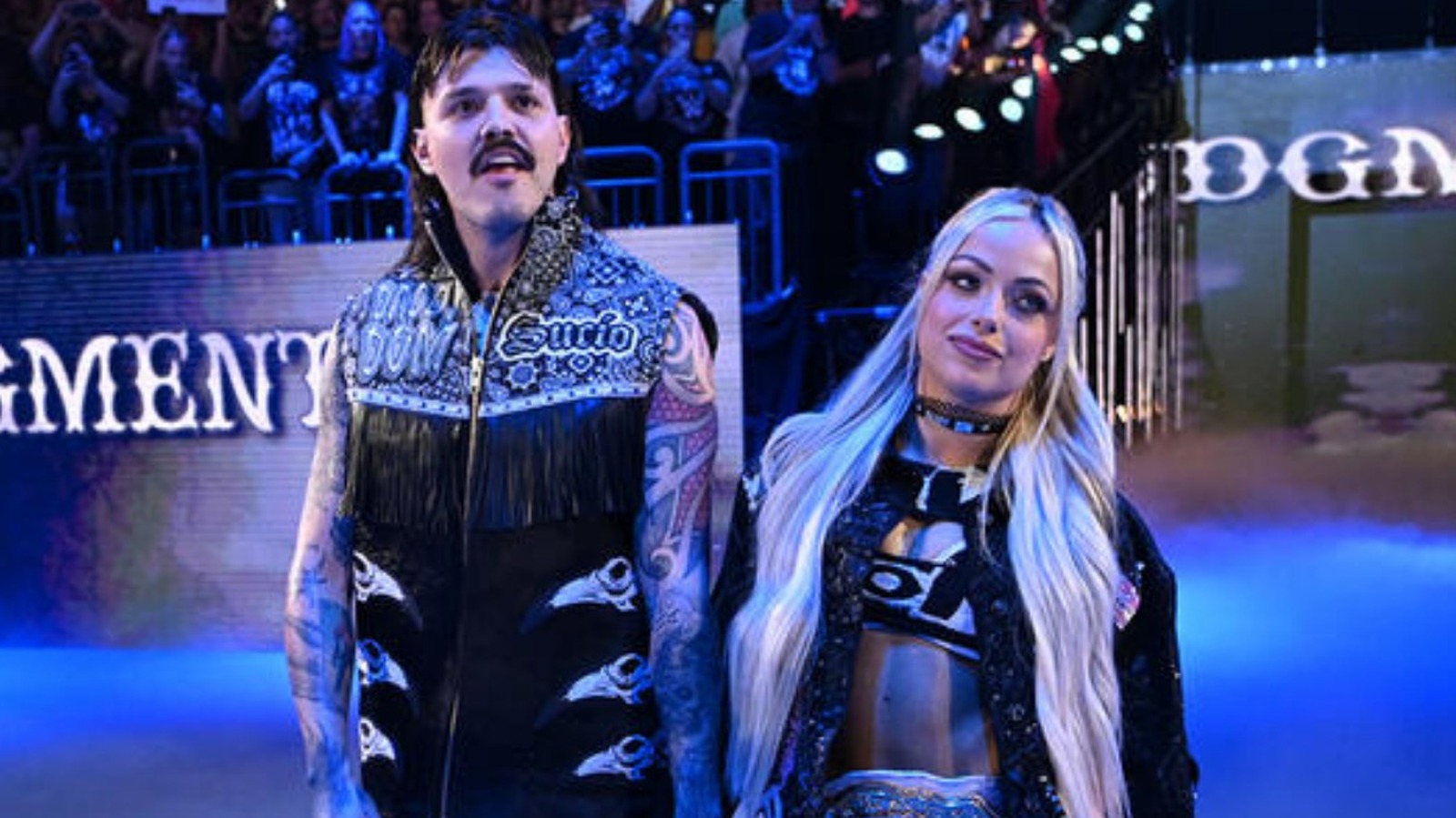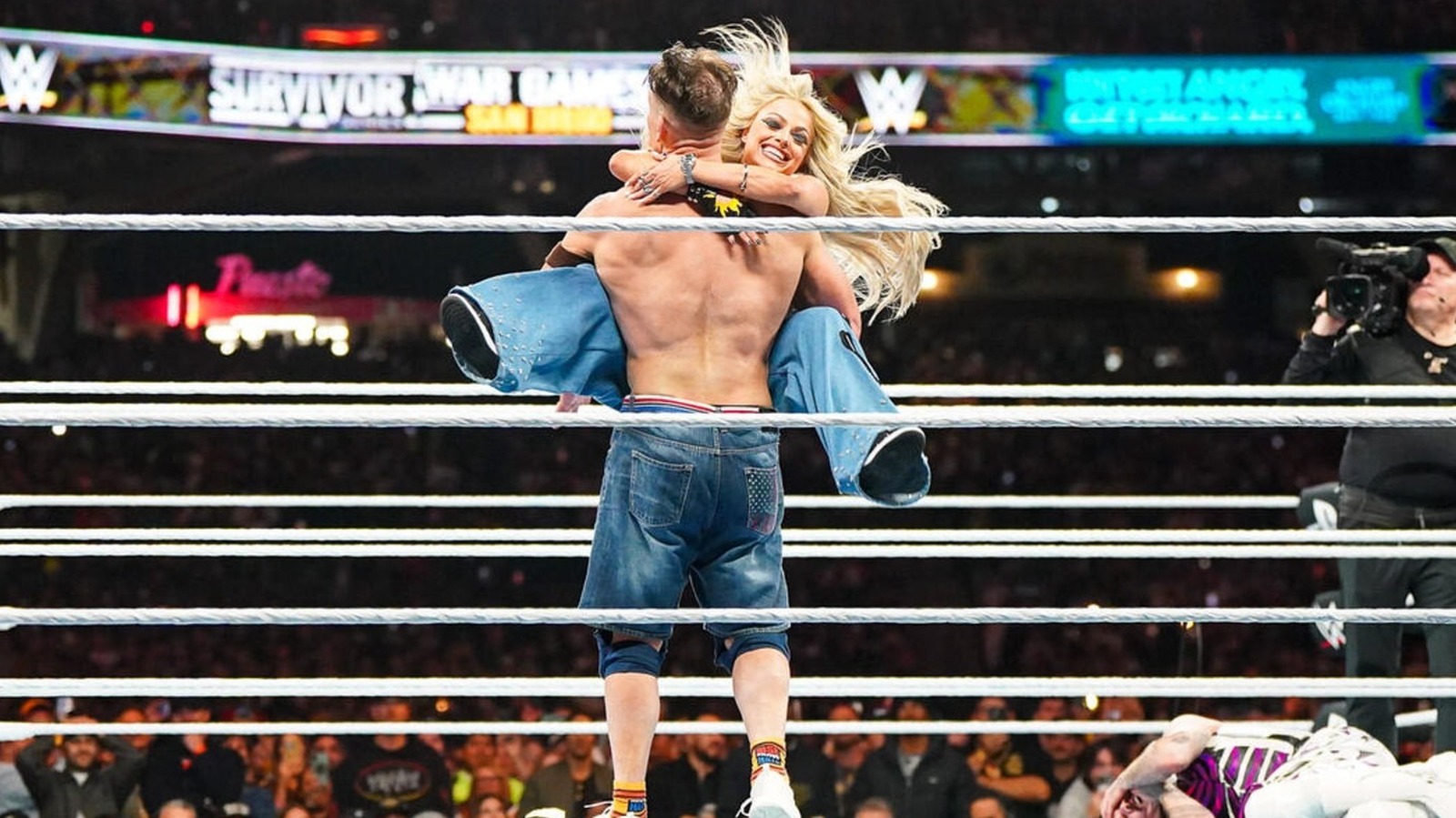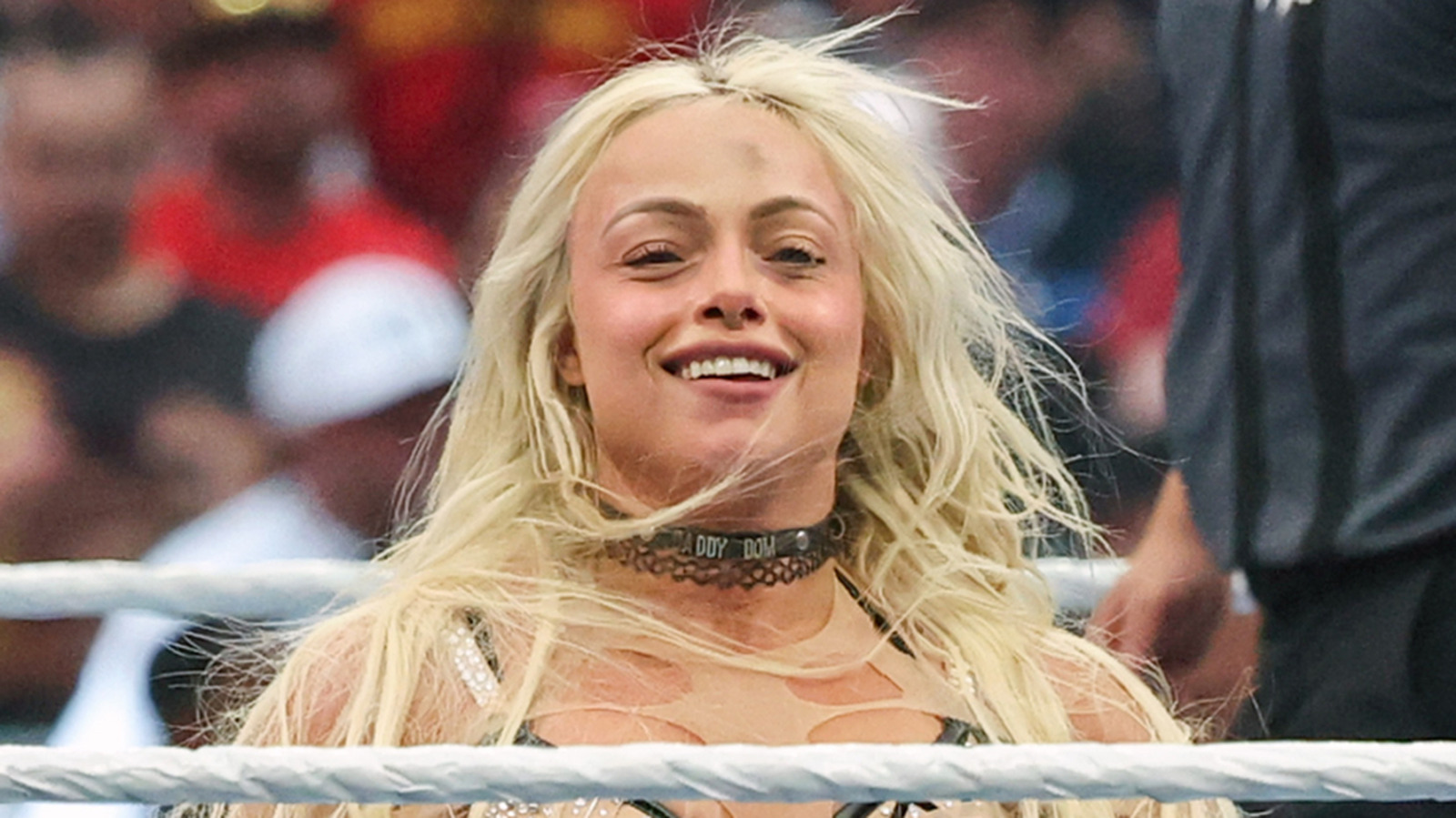
Creative friction defines the current Liv Morgan and Dominik Mysterio arc
The internal atmosphere surrounding the current storyline involving Liv Morgan and Dominik Mysterio has shifted from promising to problematic. Sources confirm that talent and staff share growing frustration regarding the creative direction of this pairing. The disconnect centers on pacing and character development.
This friction has become a focal point backstage as the program moves out of the post-WrestleMania spring period. Producers have reportedly struggled to balance the long-term narrative objectives with the week-to-week television requirements. The lack of a cohesive through-line has left key contributors questioning the ultimate goal of the segments.
Defining the roadblocks
Specific concerns involve the repetitive nature of the vignettes and the lack of physical stakes in the booking. Matches have often relied on interference rather than providing a clean resolution that moves either character forward in the standings. Fans have observed a lack of momentum in recent televised segments.
The creative process for these characters has become a bottleneck for other performers who share television time. The reliance on external drama has overshadowed the in-ring work that previously defined these wrestlers. It is a misalignment between high-level creative vision and the tangible output presented on air.
The broader impact on storylines
When creative frustration spills into the locker room, it creates a trickle-down effect. Other Superstars, as reported by Wrestling Inc, are now reacting to the shifts in production priority. The intensity of the show has dipped while management recalibrates its strategy toward the summer months.
History shows that extended narratives requiring complex character motivations often fail when there is a disconnect between the writing room and the performers. When the logic of the story isn't clear to the talent, the audience notices instantly. This situation resembles, in many ways, the mid-card creative struggles of 2024, where booking loops hindered character growth.
Strategic concerns for the road ahead
Management now faces a choice. They can attempt to salvage the existing arc by pivoting to a more high-stakes rivalry, or they can reset the characters entirely. Both options carry significant risk as the company prepares for the packed summer schedule.
The current lack of clear direction has resulted in diminishing returns for the television ratings of the Tuesday and Monday segments. If the core of the drama does not transition into active competition soon, the investment from the viewer base will likely continue to wane. There is no benefit to overextending a story that has already reached its narrative peak.
Observers point to the missed opportunities in recent encounters where a definitive match outcome could have provided a clear exit strategy for both parties. Instead, the focus has remained on verbal sparring and predictable run-ins. Improving the execution will rely on tighter script editing and a shift back toward athletic stakes.
The current creative trajectory remains a hurdle that leadership seems hesitant to clear. Until a decision is made to alter the fundamental tone of the performances, this frustration will persist among the roster. The bottom line: the segments are not connecting at the level expected for talent of their current status.
Performance quality remains consistent, yet the lack of strategic purpose is noticeable. The wrestlers are fulfilling the script, but the foundation of the script is clearly failing them. Adjustments are required immediately to prevent further stagnation as the calendar advances toward mid-summer.