
Sean Strickland Is the UFC's Uncomfortable Bottom Line
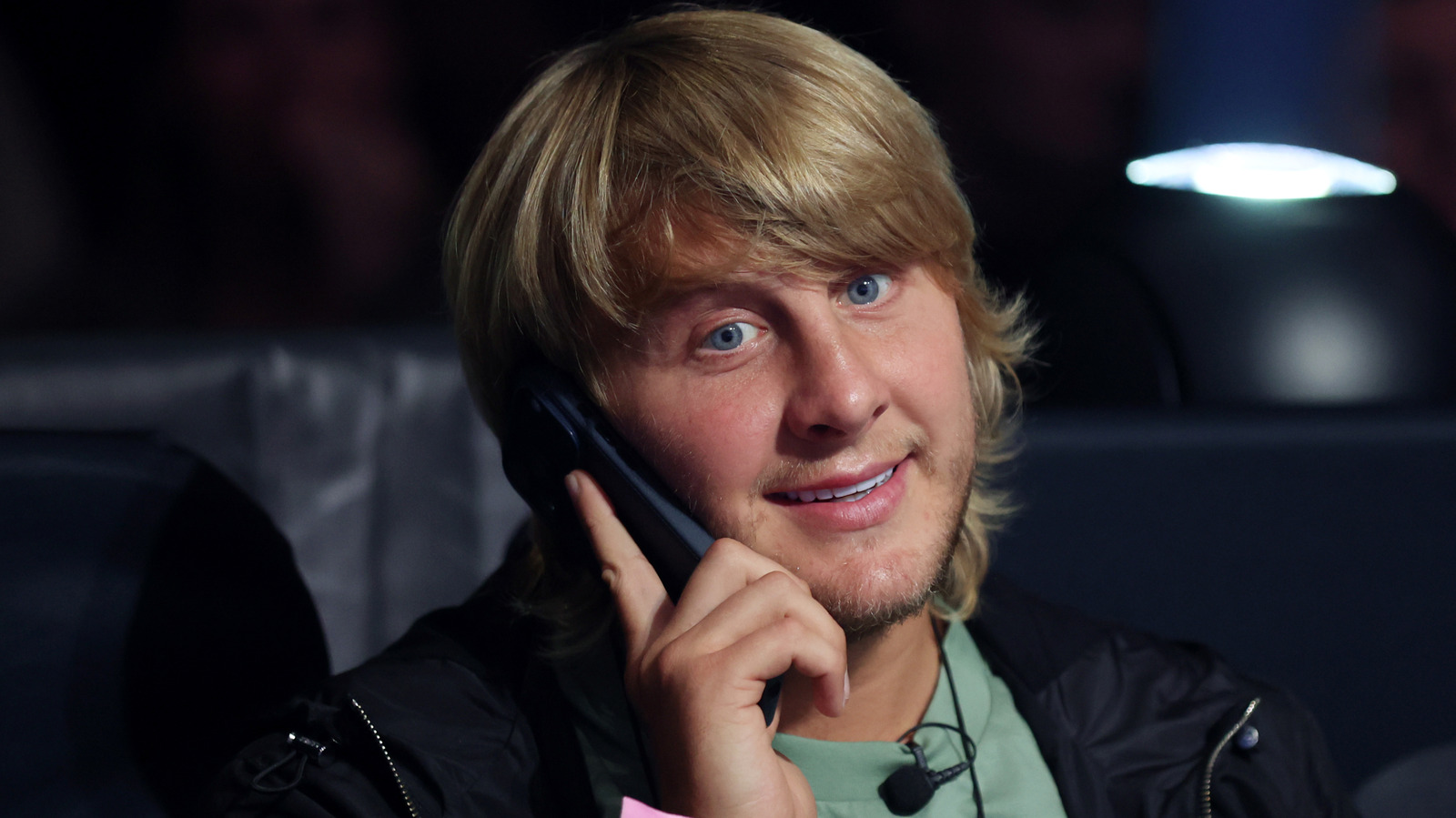
The Price of a Soundbite
When Sean Strickland speaks, the UFC holds its breath. The seconds before his words land are thick with a unique tension, a mix of morbid curiosity and genuine corporate anxiety. His recent hateful and racist tirade aimed at upcoming opponent Khamzat Chimaev was not a shock, but rather a grimly predictable escalation. This wasn't the usual pre-fight banter. It was another entry in the sprawling, chaotic ledger of a fighter who has become the promotion's most volatile asset.
As the two men barrel towards their Middleweight Championship clash at UFC 328, the narrative is no longer just about sport. It has been dragged, by Strickland, into the sewers of personal and ethnic animosity. For the UFC, this presents a familiar and deeply uncomfortable question: how do you market a man you cannot control? The more pressing question, however, might be whether they even want to.
A Doctrine of Deliberate Chaos
To understand Strickland is to accept that there is no filter, no public relations strategy, and seemingly no fear of reprisal. This is a man who, just recently, casually labeled his boss, UFC President Dana White, a 'sociopath'. He delivered the line not with the theatrical fury of a disgruntled employee, but with the flat, unblinking conviction of a man stating what he believes to be a simple fact. The comment, which would be a fireable offense in almost any other professional organization, barely registered as a blip. It was just another Tuesday for Sean Strickland.
This is the Strickland doctrine. It's a strategy of constant, low-grade chaos that keeps his name in headlines between fights. He doesn't just build heat with his opponents; he scorches the earth around him, hitting targets from the UFC's business practices to the personal lives of other fighters. It is a brand of authenticity so raw it borders on nihilistic. While other fighters meticulously craft their images, Strickland appears to be on a one-man mission to dismantle the very idea of a polished professional athlete. He is a walking, talking embodiment of the id, and in the attention economy of modern sports, that has become a valuable, if dangerous, commodity.
This isn't an act put on for the cameras. The consistency of his behavior, from press conferences to personal social media, points to a worldview that the UFC has, through its inaction, decided it can tolerate. Every controversial statement that goes unpunished sends a clear message: the potential pay-per-view buys generated by the outrage outweigh the damage done to the brand. Strickland has tested the limits of what a UFC-contracted fighter can say, and he has found that those limits are remarkably elastic, especially when a championship belt is on the line.
The Chimaev Fight: Promotion or Poison?
The build-up to the UFC 328 main event has become the most acute test of this tolerance. By launching into what Wrestling Inc described as a 'racist rant' and a 'hateful tirade', Strickland has moved beyond the established lines of fight promotion. This is no longer about selling a rivalry based on athletic competition. It has become a platform for vitriol that puts the UFC in a precarious position. The promotion, which has spent years and millions of dollars trying to position itself as a global, mainstream sport on par with the NFL or NBA, now finds one of its title fights being promoted through base-level bigotry.
The unspoken truth is that this ugliness sells. The Strickland-Chimaev fight now has a narrative depth charge that a purely athletic contest would have lacked. It has a villain and a hero, depending on your perspective. It has stakes that feel personal, primal, and, for a segment of the audience, deeply compelling. The UFC is not merely an innocent bystander in this process. By placing this fight in a main event slot, by using Strickland's soundbites in promotional packages, they are making a calculated business decision. They are betting that the revenue from the outrage will exceed the cost of the controversy.
It is a Faustian bargain. The promotion gets its headline-grabbing rivalry, but at the cost of sanctioning a style of promotion that is fundamentally toxic. It cheapens the championship belt he's fighting for and puts his opponent, Khamzat Chimaev, in the position of having to represent an entire people against a barrage of hate. It is a heavy burden to place on any athlete. This isn't the sharp-witted trash talk of a Conor McGregor or the stoic intensity of a Georges St-Pierre. It is something far uglier, and the UFC is putting it front and center.
The Uncomfortable Bottom Line
As UFC 328 approaches, the outcome of the fight feels almost secondary to the questions it raises about the state of the promotion itself. If Strickland wins, the UFC will have a champion who is fundamentally unmarketable through traditional channels, a walking embodiment of every negative stereotype about cage fighting. He would be a champion who called his own boss a sociopath and used racist language to promote a title fight. The public relations challenge would be immense.
But if he loses, does anything really change? The model has been validated. Strickland's path to the title fight was paved with incendiary comments and controversy. His behavior was not a barrier to entry; it was his ticket to the dance. The message to the rest of the roster is a dangerous one: the surest way to the top is not just to be a great fighter, but to be a loud, controversial, and offensive personality. The quiet professionals are left fighting for undercard slots while the purveyors of chaos get the main events.
Ultimately, Sean Strickland represents the uncomfortable bottom line of the Ultimate Fighting Championship. He is the logical conclusion of a business model that prioritizes engagement above all else. In an era of algorithm-driven content, his unfiltered, often vile, commentary is a guaranteed driver of clicks, comments, and shares. He is a human soundbite machine, and the currency he deals in is outrage. The UFC, for its part, has shown a remarkable willingness to cash the checks, no matter how they are earned. The fight against Chimaev isn't just a contest for the middleweight title; it's a stark look into the soul of a sport grappling with the monster it helped create.
WWE Elite Collection Series 111 Action Figure - Rhea Ripley
Highly articulated action figure of WWE's most dominant Women's World Champion.
More Coverage

John Cena is just trolling us now at Fanatics Fest
10 hours ago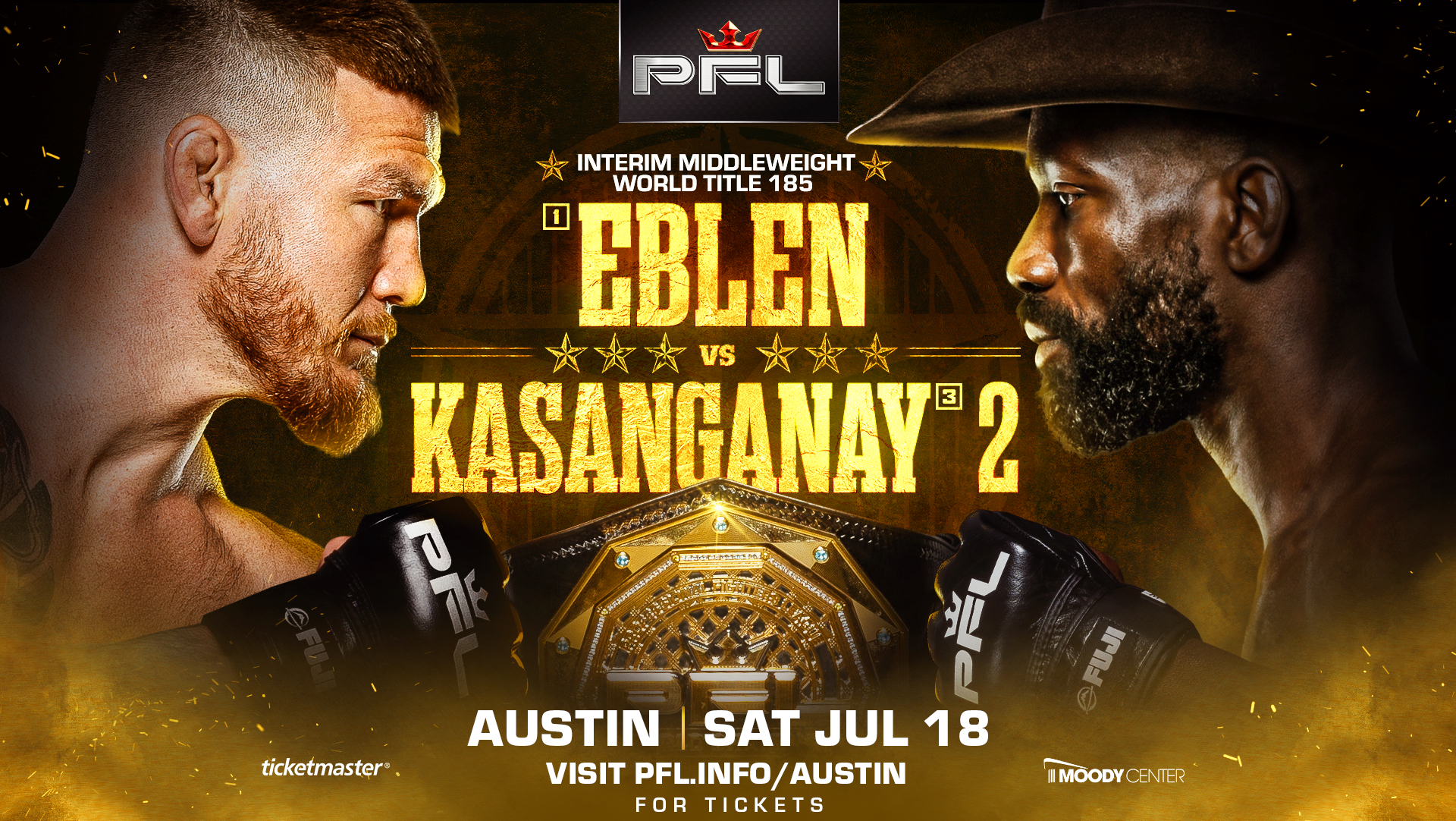
Why the middleweight rematch at PFL Austin comes down to small tactical margins
13 hours ago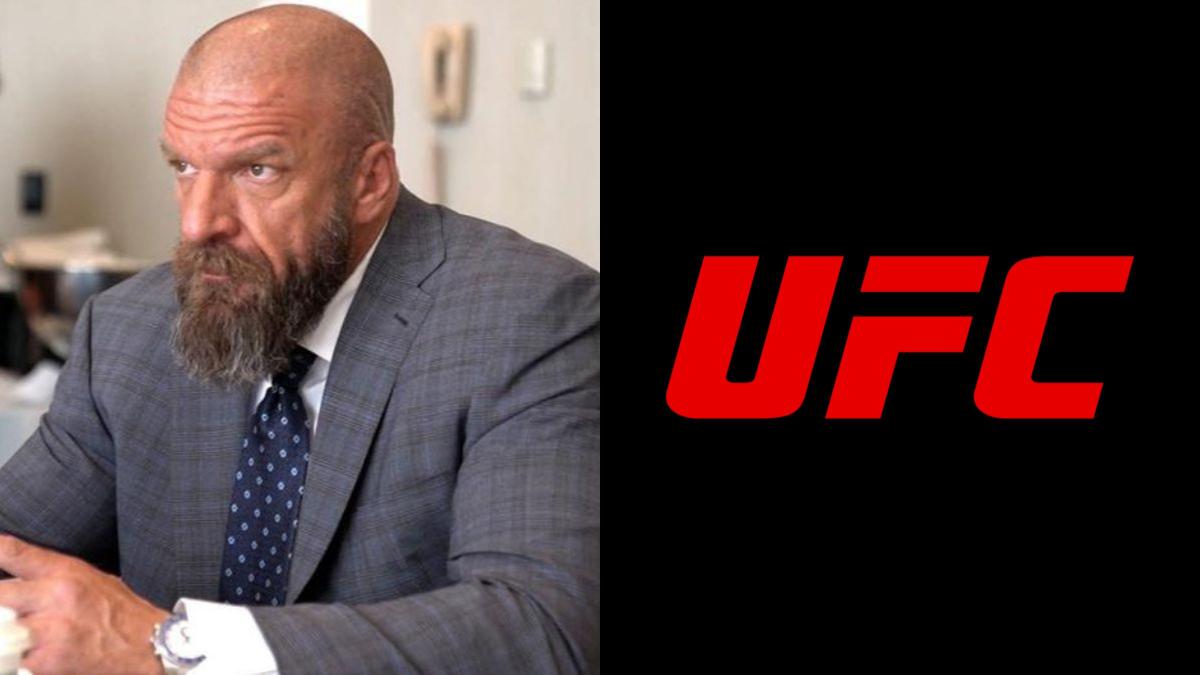
Colby Covington in a wrestling ring is a disaster waiting to happen
3 days, 22 hours ago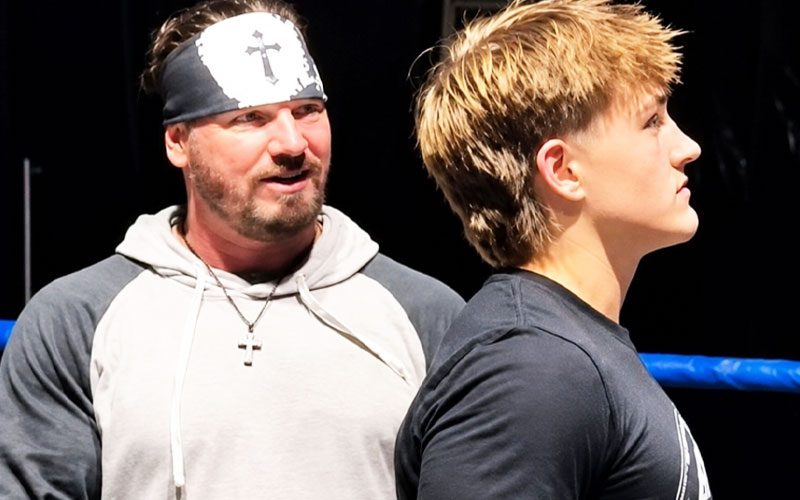
Conor McGregor’s career at a crossroads after UFC 329 injury
5 days, 8 hours ago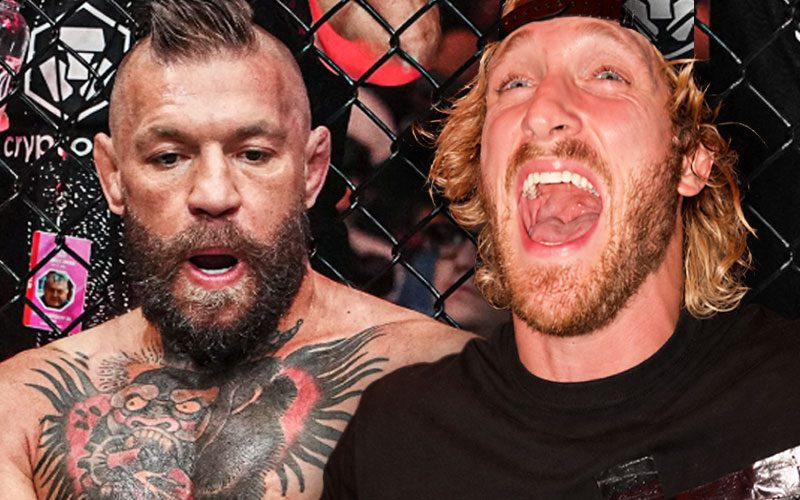
Conor McGregor facing surgery after UFC 329 comeback disaster
5 days, 10 hours ago
Conor McGregor faces surgery after disastrous UFC 329 return
5 days, 10 hours agoMore Analysis

Sean Strickland is the middleweight division’s most infuriating kingpin
1 month, 3 weeks ago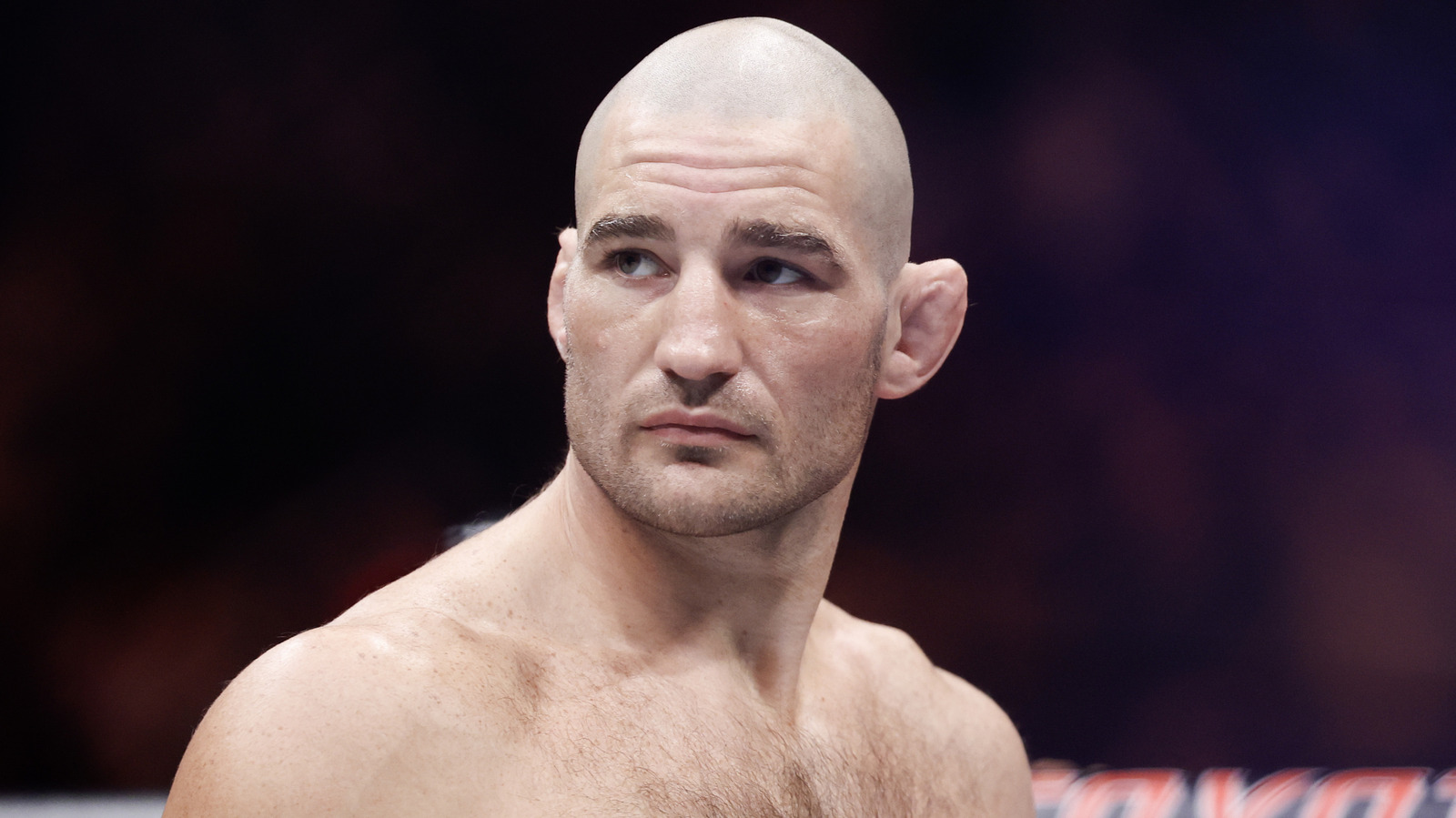
Sean Strickland vs. Khamzat Chimaev is a powder keg waiting for a match
2 months, 3 weeks ago
Sean Strickland is turning the Octagon into a political battlefield
1 month, 2 weeks ago
Sean Strickland is the most dangerous reality check in the UFC right now
1 month, 3 weeks ago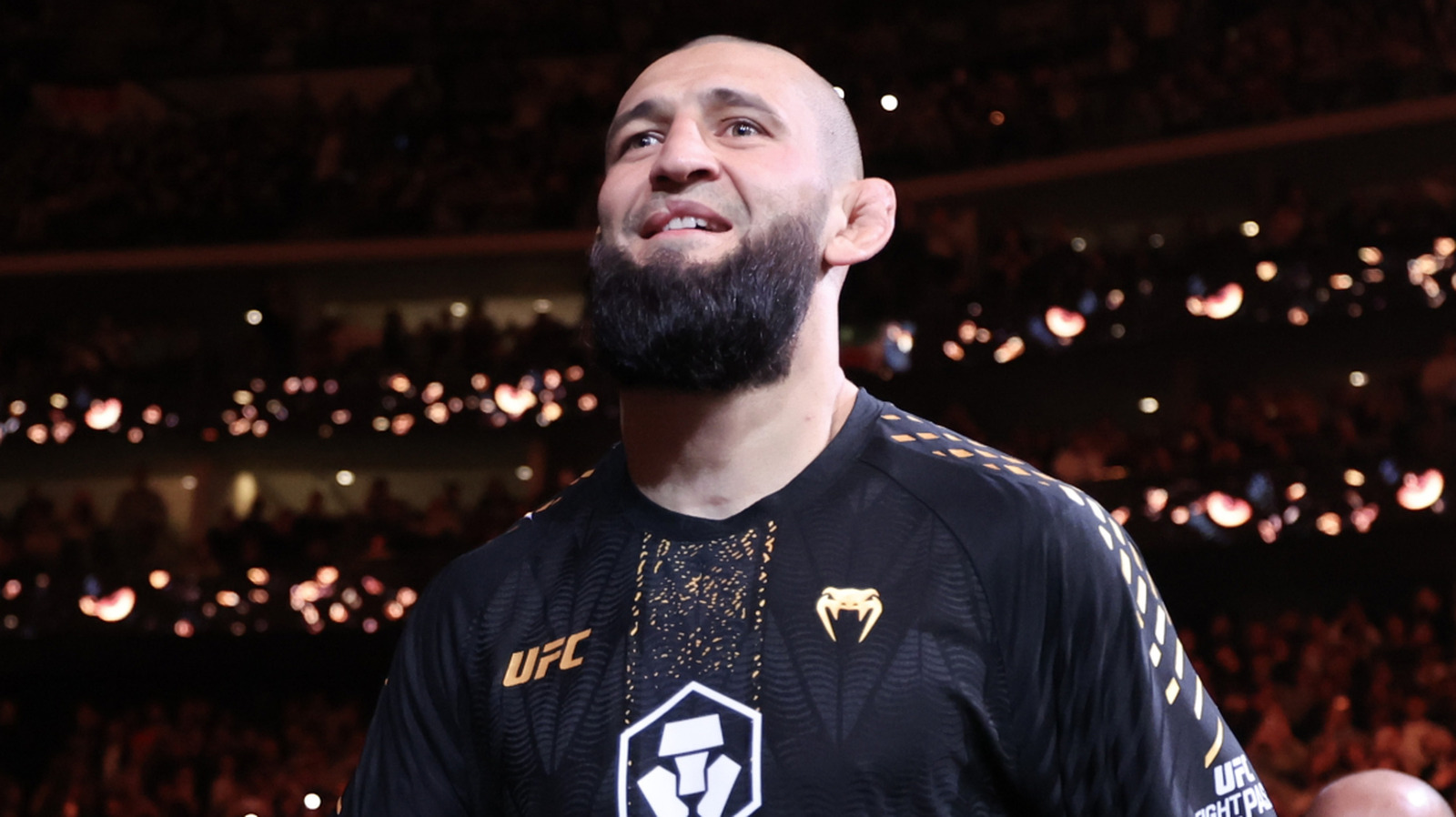
Sean Strickland and Khamzat Chimaev are actually friends now
2 months, 1 week ago