The economics of staying home
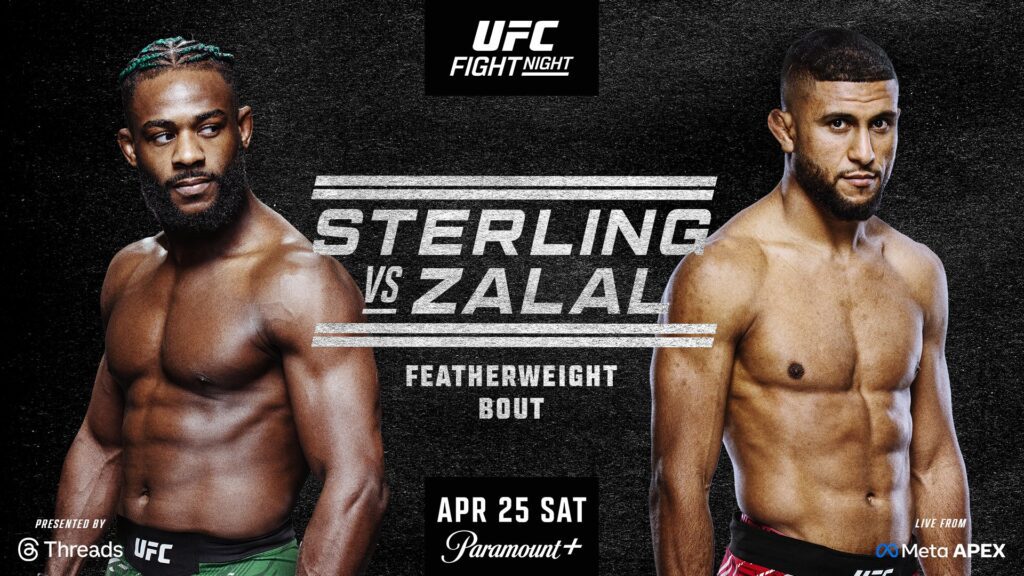
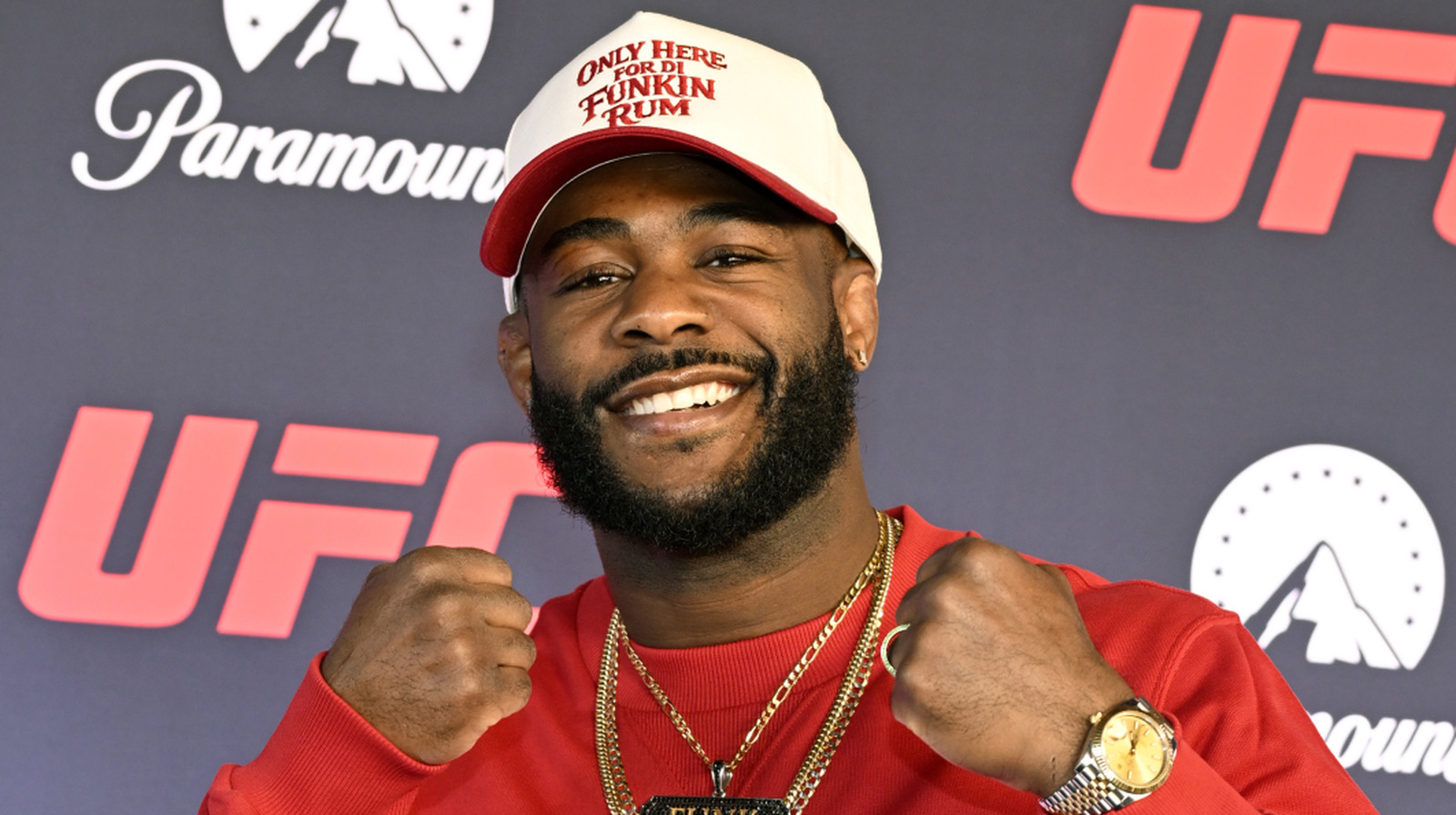
Aljamain Sterling is officially off the open market. The former bantamweight champion has signed a new contract with the UFC, cementing his intention to close out his combat sports career inside the Octagon.
In a modern fight economy where veteran competitors are increasingly looking outward—eyeing crossover spectacles, bare-knuckle paydays, or tournament formats in rival promotions—Sterling's decision to stay put is highly significant. It tells us exactly how he views his current physical window and his competitive ceiling.
Fighters at his stage, having already worn UFC gold and taken their share of damage, usually only re-sign if the guaranteed money is substantial or if they genuinely believe the championship door remains propped open. Sterling clearly believes the latter.
He is currently flying high in his new division, putting his bantamweight past behind him. He hopes that form continues, aiming for a second title run. But the reality of competing at 145 pounds is far more complicated than simply avoiding a brutal Friday morning weight cut.
The UFC matchmakers are not handing out legacy contracts out of charity or sentimentality. They see immediate utility in Sterling. They see a fighter who can headline Fight Night cards, test rising contenders, and provide a massive stylistic headache for anyone in the top ten.
The question isn't whether Sterling belongs in the UFC. He obviously does. The question is whether he belongs at the absolute pinnacle of the featherweight division.
The tactical reality of the weight jump
When Sterling announced his move up to 145 pounds, the tactical analysis community was sharply divided.
Half of the observers argued that his suffocating, chain-wrestling style was entirely dependent on a massive strength advantage he manufactured by cutting dangerous amounts of weight. The theory was straightforward: against naturally larger, wider men, his grappling would fail, and he would be forced into an extended striking battle he couldn't win.
The other half looked at the tape and saw a brilliant fighter whose gas tank was constantly compromised by the scale. At bantamweight, Sterling often looked technically flawless for two rounds before severely fading in the championship frames.
His divisional debut at 145 pounds answered the immediate physical questions. He looked incredibly healthy. He looked strong in the clinch. Most importantly, his offensive grappling translated perfectly to the heavier weight class.
Without the brutal physical depletion required to hit the 135-pound limit, his cardio held up under pressure. He didn't just survive against a ranked opponent; he dictated the offensive cycles from the opening bell.
He secured his takedowns, controlled the hips of his opponent, and established the heavy back-takes that defined his bantamweight championship run. He proved he isn't undersized for the division.
But proving you can physically compete at featherweight is a very different task from proving you can solve the complex tactical puzzles presented by the division's absolute elite.
The striking flaws that refuse to fade
This is where we have to be brutally honest about Sterling's technical limitations. For all his undisputed brilliance on the mat, his striking defense has always possessed glaring, fundamental flaws.
He operates with a highly chaotic, rhythm-breaking striking style designed primarily to mask his takedown entries. He throws awkward kicks and looping overhands, relying on constant forward pressure and volume to confuse his opponents and force them backward.
But when he is forced to retreat, or when a disciplined opponent refuses to bite on his feints, his defensive structure falls apart rapidly.
Sterling has a deeply ingrained, almost reflexive habit of dipping his head straight down when exiting pocket exchanges. He over-commits his weight on his front foot, leaving his chin entirely exposed to intercepting strikes.
We saw exactly what happens when elite timing meets that specific defensive flaw. Sean O'Malley didn't need twenty-five minutes to figure it out; he needed one perfectly placed counter right hand. Marlon Moraes exploited a very similar tendency years earlier with a devastating knee up the middle.
At featherweight, the punishment for these mechanical errors increases exponentially.
The power discrepancy between bantamweight and featherweight is not just theoretical; it alters the fundamental physics of a fight. Bantamweights sting you and accumulate damage; top-tier featherweights detach you from your consciousness with a single shot.
If Sterling leaves his chin hanging against the current crop of elite featherweights, the fight will not go to the judges.
The stylistic nightmares waiting at the top
Let's look at the actual path to the title. The top of the 145-pound division is currently defined by surgical, devastating boxing and elite anti-grappling.
Ilia Topuria represents the worst possible stylistic matchup for Sterling on paper. Topuria possesses elite defensive wrestling, meaning he can easily force the fight to remain on the feet. Once there, his tight pocket boxing and sheer concussive power would turn Sterling's defensive lapses into a violent highlight reel knockout.
Alexander Volkanovski has spent an entire career dismantling specialists. His elite understanding of distance management and his ability to punish reactive takedowns make him a complete nightmare for a chain-wrestler who needs to close the gap cleanly without taking damage.
Even Max Holloway, whose volume-heavy approach differs significantly from Topuria's single-shot power, presents an unsolvable puzzle. Holloway's legendary takedown defense and infinite cardio mean Sterling would have to wade through absolute fire for twenty-five minutes just to attempt a takedown.
Sterling's entire game plan relies heavily on securing takedowns early, establishing suffocating top control, and threatening submissions to force his opponents into a permanent defensive shell.
If he runs into a fighter who completely denies his initial entries—someone who forces him to strike exclusively on the back foot—this new contract might look like a very long, very painful exercise in futility.
What to watch for on this new deal
The matchmakers know exactly what they are doing. They are not going to hand him a stylized grappler just to pad his stats and build a fake winning streak.
They will intentionally book him against violent strikers to see if he sinks or swims in deep waters.
Sterling has secured his financial future, and he hopes to retire with the UFC. He deserves immense credit for that achievement alone. He dragged himself from the regional scene to a world championship through sheer willpower and constant tactical evolution.
But fighters rarely step into the Octagon just to protect their legacy or kill time. He wants that second belt.
To get there, he has to win at least two more high-profile fights against top-tier opposition. The margins for error at this late stage of his career are entirely nonexistent.
Every single fight on this new contract is an existential threat to his title hopes. One severe knockout loss against a rising contender likely ends his championship window permanently.
If that happens, he would be instantly relegated to the role of a highly paid gatekeeper—a recognizable former champion used specifically to legitimize the next generation of featherweight contenders.
The final prediction
So, how does the Aljamain Sterling featherweight experiment actually end?
He is going to win his next fight. The UFC matchmakers will likely pair him with an opponent ranked between fifth and tenth—someone with a recognizable name but highly questionable defensive grappling.
Sterling is simply too smart, too experienced, and too technically sound on the mat to lose to a mid-tier featherweight who makes mistakes in scrambles or transition states.
He will secure a takedown, seamlessly take the back, sink in a choke, and remind everyone watching why he was a dominant champion holding the bantamweight belt for three consecutive title defenses.
But that specific victory is where the ceiling solidifies.
When he is eventually booked in a massive number-one contender match against a truly elite striker—someone who can manage distance flawlessly and counter his naked entry attempts with heavy hands—the structural flaws in his stand-up game will be exposed once again.
He will retire in the UFC, fulfilling the exact hope outlined in his new contract extension.
He will leave the sport as a legendary bantamweight, a brilliant submission grappler, and a fighter who maximized every ounce of his athletic potential. But he will not leave the sport as a featherweight champion.