The ghost of the Attitude Era
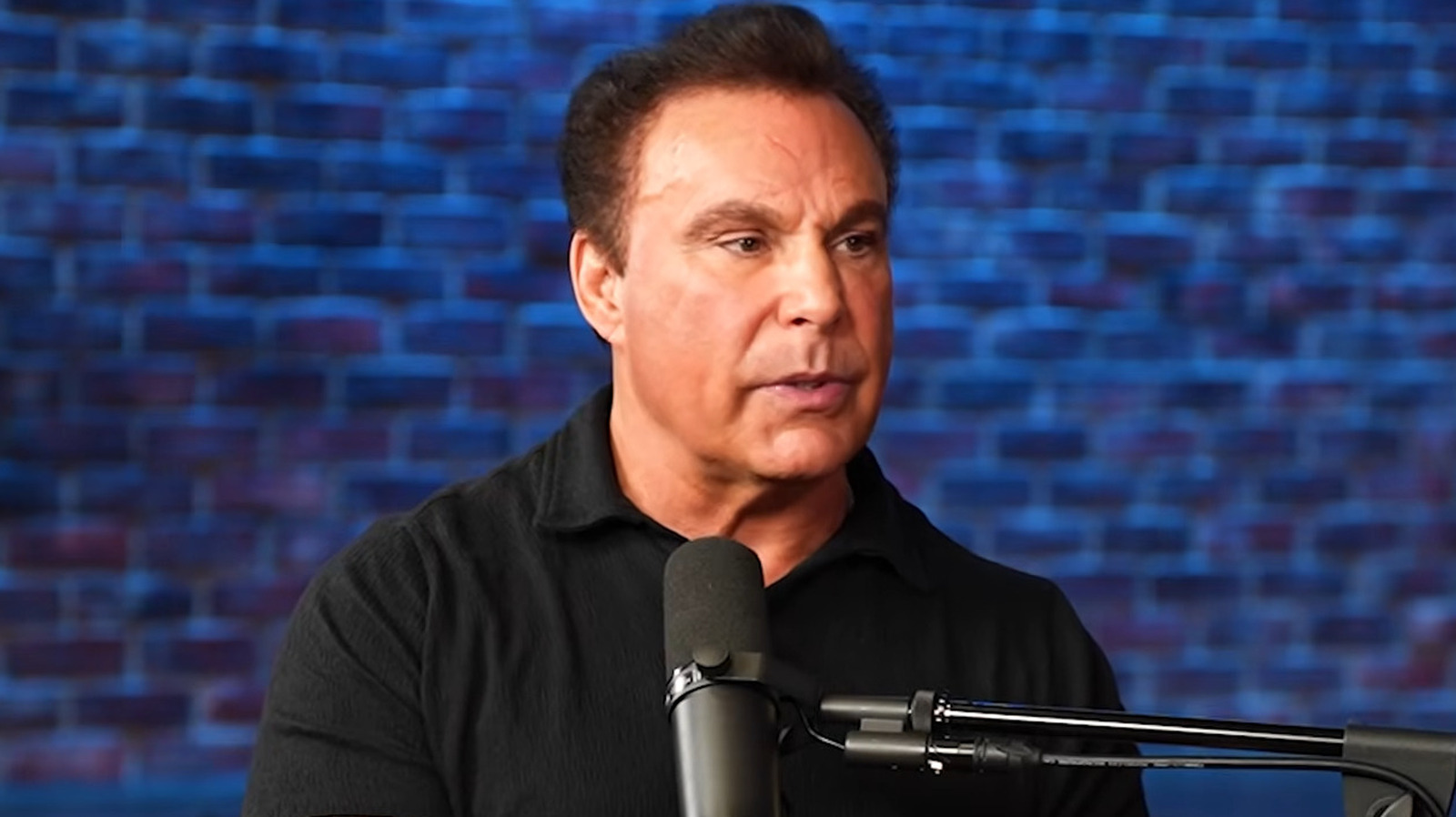
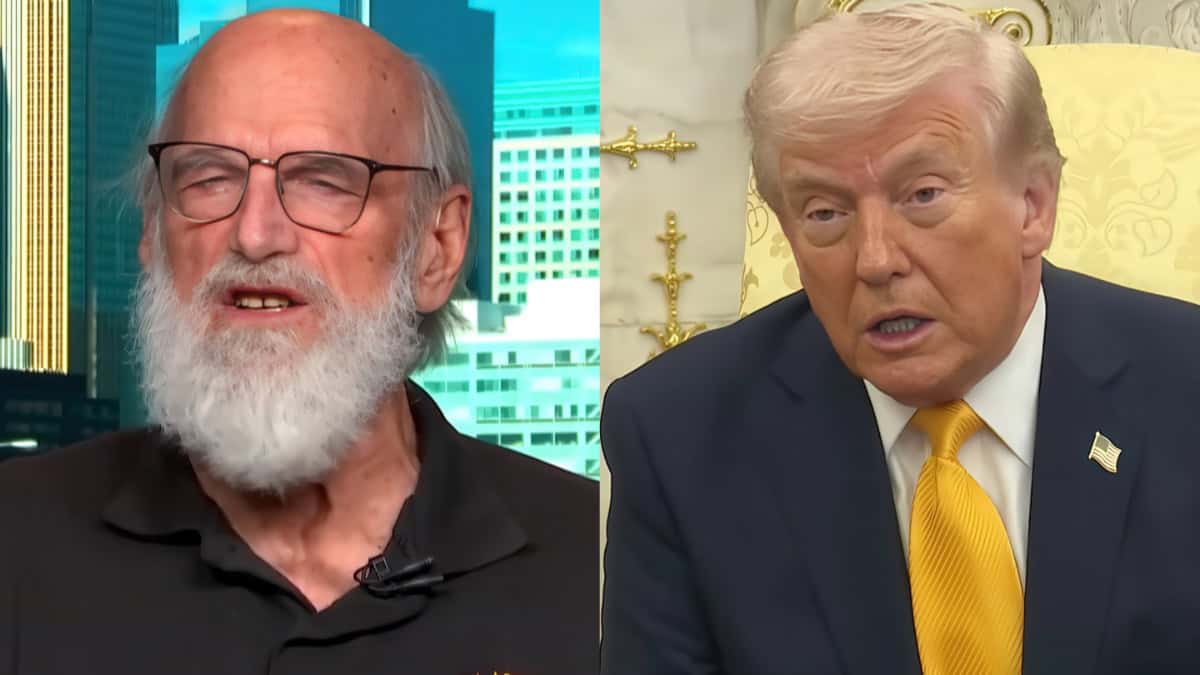
We are exactly 21 days out from WrestleMania 41 in Las Vegas. The WWE Hall of Fame class is slowly taking shape, dominated by the usual mix of undeniable legends and politically convenient mid-carders. Every year around this time, the same phantom names hover over the discourse. This week, former Intercontinental Champion Marc Mero dragged one of the biggest ghosts back into the light.
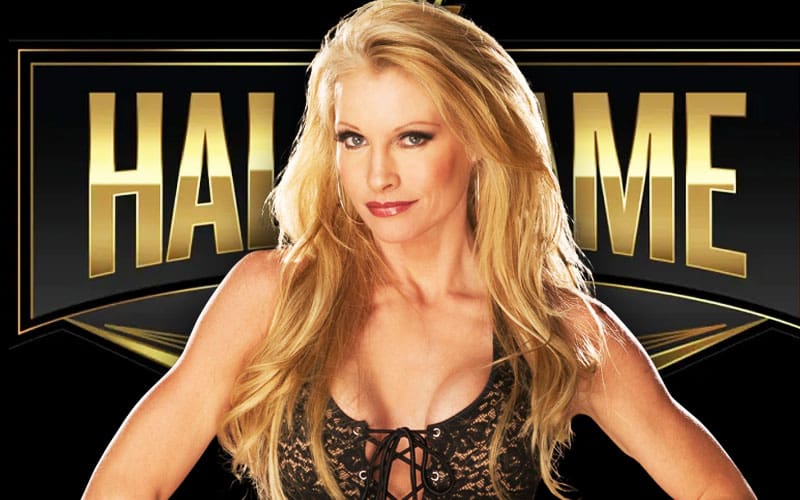
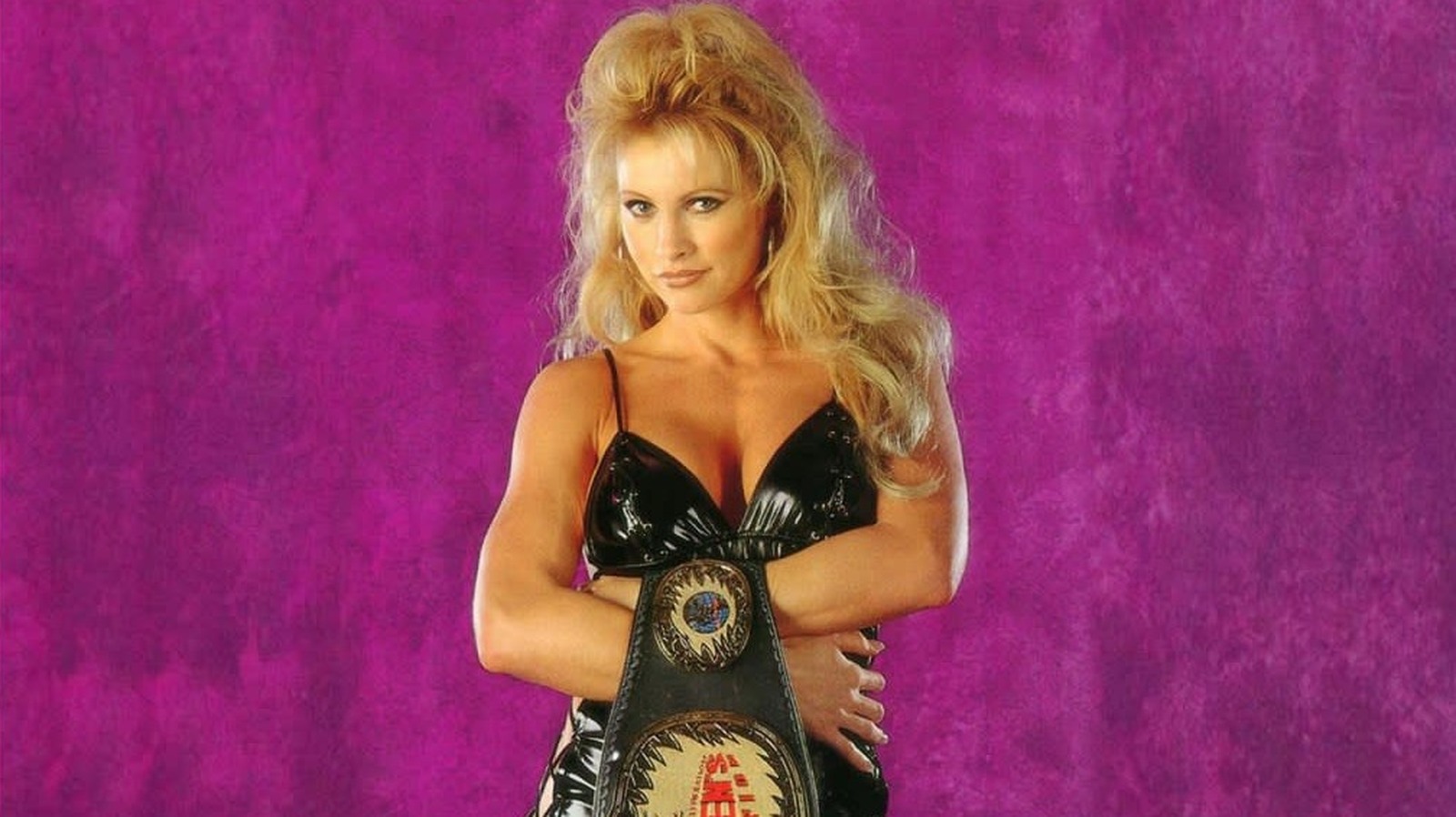
Speaking recently about his ex-wife, Mero openly reflected on Sable's contributions to the industry and weighed in on her Hall of Fame credentials. His comments immediately ignited the usual tribal debates. You either view Sable as a trailblazing megastar who defined a generation, or a severely limited performer who exploited a sleazy era before suing the company.
The truth, as always with late-90s WWE booking, sits uncomfortably in the middle. Sable presents a unique historical problem for a modern WWE that desperately wants to sanitize its own history. She was arguably the second biggest merchandise mover in the company behind Stone Cold Steve Austin at her peak. Yet, she is entirely scrubbed from the video packages.
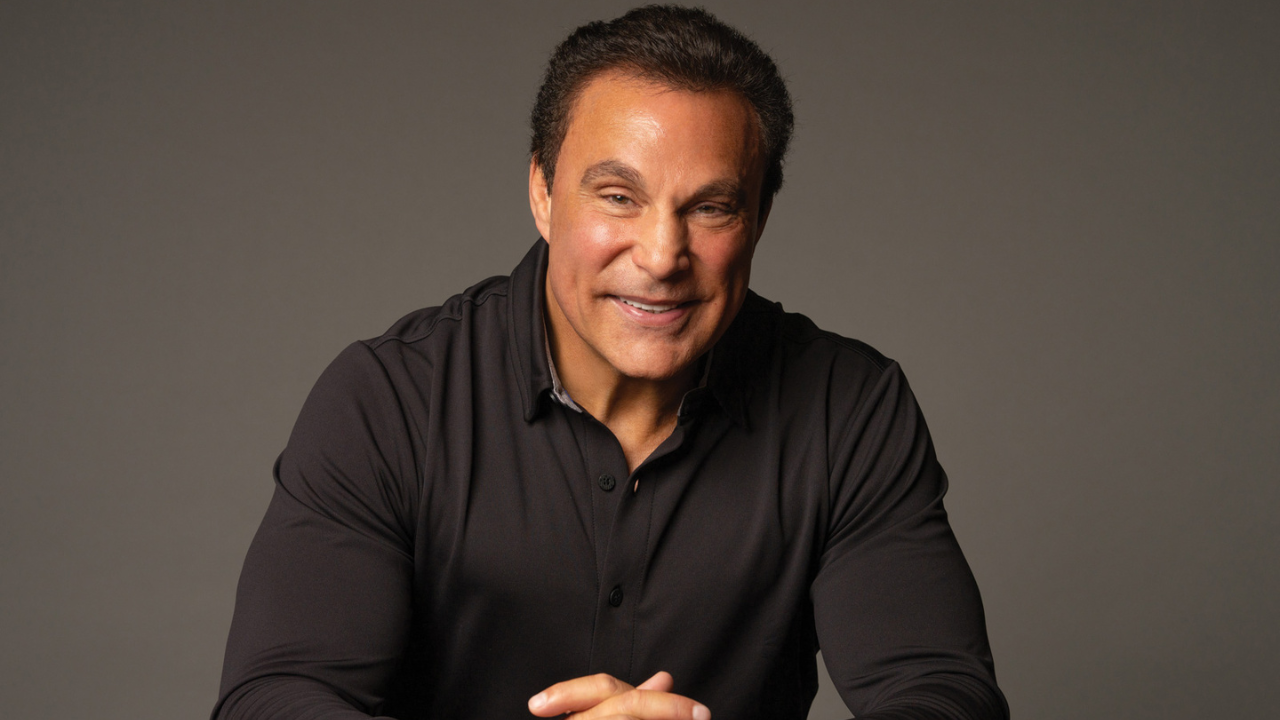
Mero's perspective is fascinating because his own career was effectively cannibalized to create her aura. He was a highly touted free agent signing from WCW. But within two years, he was reduced to playing the insecure, jealous boyfriend. He became a foil designed entirely to get his manager cheered. It worked perfectly, but it permanently derailed his own trajectory as a main event worker.
The tactical brilliance of the Mero split
To understand Sable’s peak, you have to look at the raw booking mechanics. In 1998, she wasn't just over. She was a genuine television draw. When WWE was clawing its way back against WCW in the Monday Night Wars, her segments were reliable quarter-hour ratings spikes. She moved merchandise at a terrifying clip.
But tactically, her presentation was entirely smoke and mirrors. She arrived as Mero's valet, a quiet, stoic figure at ringside. The genius of her early booking was the restraint. Vince Russo and Vince McMahon treated her presence like a situational blitz package. They made the audience beg to see more of her. They contrasted her eventual explosions of offense against Mero's increasingly insecure, overbearing heel character.
Look at the build to WrestleMania XIV. Mero was furious that Sable was stealing his spotlight. He tried to cover her up, forcing her to wear potato sacks to the ring. He demanded she stay in the back. Every time he yelled at her, the crowd heat grew exponential. It was textbook slow-burn storytelling.
When the payoff finally happened in the mixed tag team match against Goldust and Luna Vachon, the building shook. Sable taking down Luna with a barrage of sloppy but intense strikes generated a reaction that rivaled the main event. She didn't need to chain wrestle. She just needed to hit the designated spots at the exact right millisecond.
The glaring in-ring limitations
When the bell actually rang for singles competition, the limitations were glaring. Sable was not a worker. She was a fitness model thrust into a highly volatile environment. Her matches were meticulously choreographed stunts designed to hide her lack of fundamental bumping skills. Luna Vachon effectively sacrificed her own physical well-being to drag Sable through passable pay-per-view spectacles.
This is where the critical evaluation of her legacy gets incredibly messy. Today's audience expects women to deliver 25-minute technical masterclasses. We are accustomed to seeing Bianca Belair deadlift opponents or Iyo Sky hit moonsaults to the floor. Sable's entire offensive repertoire consisted of a martial arts kick, a poorly executed powerbomb, and a tremendous amount of stalling.
She relied entirely on crowd investment rather than physical execution. Her matches against Jacqueline for the reinstated Women's Championship were often chaotic brawls that lasted barely three minutes. They were designed for shock value, not athletic merit. She was a product of a specific television era where match quality was secondary to shock television.
Her initial run burned incredibly bright and flamed out just as violently. By early 1999, the ego had reportedly matched the star power. The locker room turned on her completely. The booking became increasingly detached from reality, culminating in that bizarre, heatless heel turn where she demanded everyone refer to her as the queen of the company.
The lawsuit and the doomed return
She left the company in a cloud of real-life animosity. She filed a $110 million lawsuit against WWE, citing unsafe working conditions and sexual harassment. The lawsuit was eventually settled out of court, but it severed her relationship with the core fanbase for years. She was viewed as a traitor by the tribal loyalists of the era.
When she shockingly returned in 2003, the magic was completely gone. The audience had moved on to Trish Stratus and Lita, women who could actually run the ropes and take flat back bumps. Sable was slotted into a generic heel role on SmackDown. She found herself embroiled in terrible, regressive angles with Torrie Wilson and Stephanie McMahon.
Her match with Stephanie at Vengeance 2003 was a masterclass in overbooking. It relied entirely on run-ins and cheap heat to cover for the fact that neither woman could work a coherent ten-minute match. Her second run was largely forgettable, existing primarily as a backdrop to her real-life relationship with Brock Lesnar.
Once she quietly departed again in 2004, WWE essentially erased her from the tape libraries and video packages. She became a non-person. The company chose to highlight Trish Stratus as the defining female star of the era, completely ignoring the fact that Sable laid the mainstream groundwork years earlier.
The Hall of Fame calculus
Does Sable belong in the Hall of Fame? From a purely historical perspective, the answer is a resounding yes. You cannot accurately tell the story of the Monday Night Wars without her. She was the focal point of the company's shift toward edgy, adult-oriented programming. Her Playboy cover cross-promotion was a massive mainstream coup that brought fresh eyes to the product.
But the WWE Hall of Fame is not a legitimate historical archive. It is a political television show. Induction requires a willingness to play the corporate game. You have to sit in the crowd, smile for the cameras, and pretend the bad times never happened. By all accounts, Sable has zero interest in returning to the public eye. She has lived completely off the grid for two decades, raising her family far away from the wrestling bubble.
Then there is the Brock Lesnar problem. Lesnar's own status within WWE is currently radioactive due to his peripheral involvement in the Janel Grant lawsuit against Vince McMahon. The idea of WWE inviting his wife to a premium live event in Las Vegas is genuinely laughable. The public relations department would have a collective stroke trying to manage the press conference.
Mero is right to highlight her impact, even if it brings up painful memories of his own stalled career. It is very easy to dismiss her because of how the women's division eventually evolved. It is easy to look at the modern product and laugh at Sable's lack of mobility. But in 1998, she was undeniably the biggest female star on the planet, drawing money hand over fist.
Prediction for Las Vegas
Do not expect a surprise induction in three weeks. The timing is completely wrong. The political climate within TKO makes any association with the Lesnar family a non-starter right now. WWE will likely opt for a safer, less controversial female induction this year — perhaps someone like Victoria or Mickie James, who can work a microphone and play the corporate game.
The Hall of Fame will continue to ignore Sable, and she will likely continue to not care. She will remain exactly where she has been since 2004: a massive, undeniable draw who has been permanently redacted from the history books. Mero can praise her all he wants, but the ghost of the Attitude Era is staying buried. And maybe, given the toxic nature of the era she represented, that is exactly where she belongs.
Read Next
- Why booking a title match on Raw right before WrestleMania is a massive risk
- Penta's MSG open challenge is a tactical disaster waiting to happen
- Kofi vs. Penta for the IC Title is the WrestleMania match we actually need
- Brock Lesnar vs Oba Femi is the meat-slapping feud WWE desperately needs
- 🏆 WrestleMania 41 — Full Coverage Hub