The night the checkbook replaced the handshake
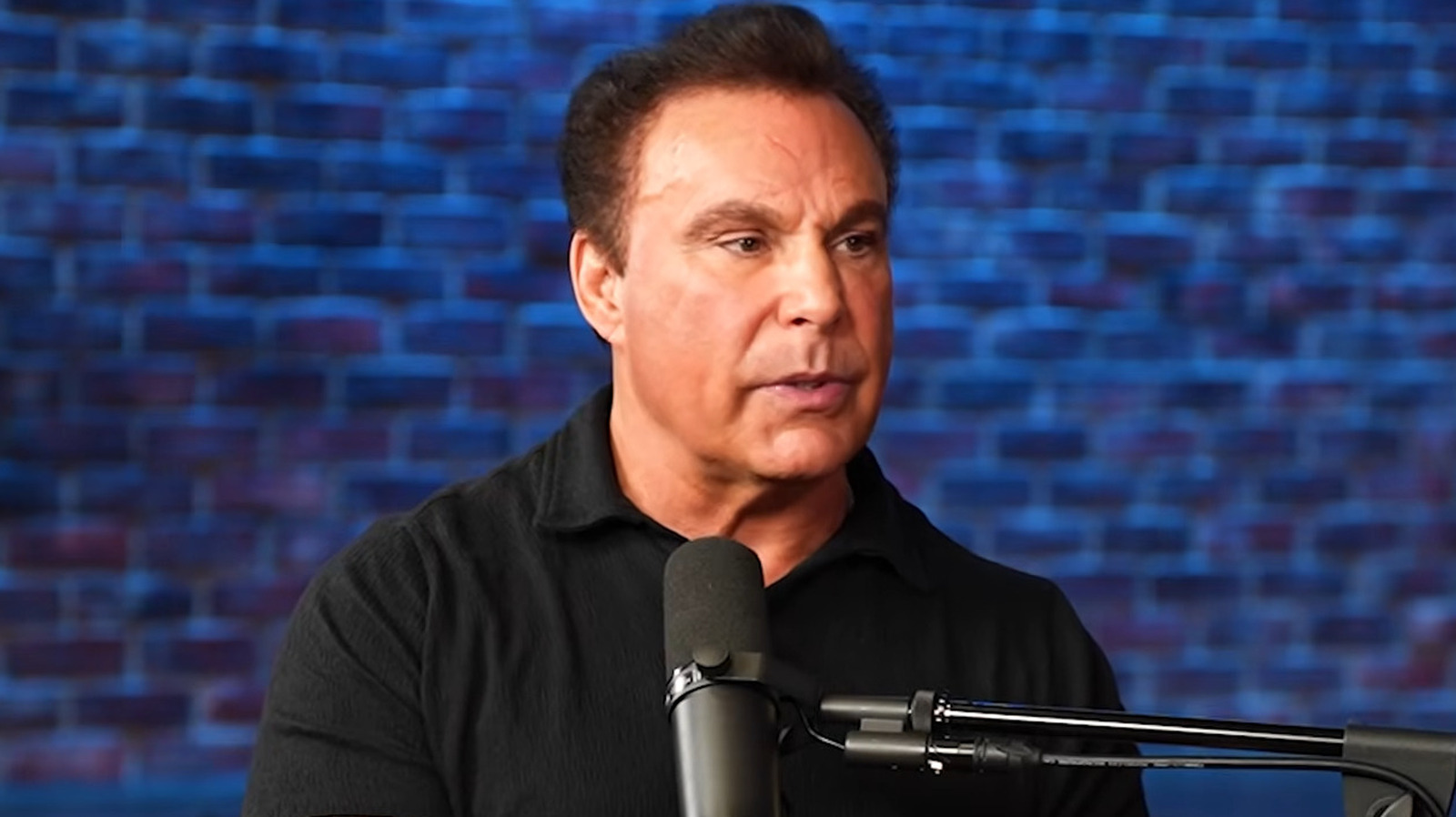
Look, if you were sitting in the San Bernardino arena thirty years ago tonight, you probably thought you were watching the future of the industry. It was 1996, and the WWF was bleeding out. Hulk Hogan was busy doing bad movies and collecting WCW checks, and Vince McMahon was frantically looking for anyone with a pulse and a flashy move set. Enter Marc Mero.
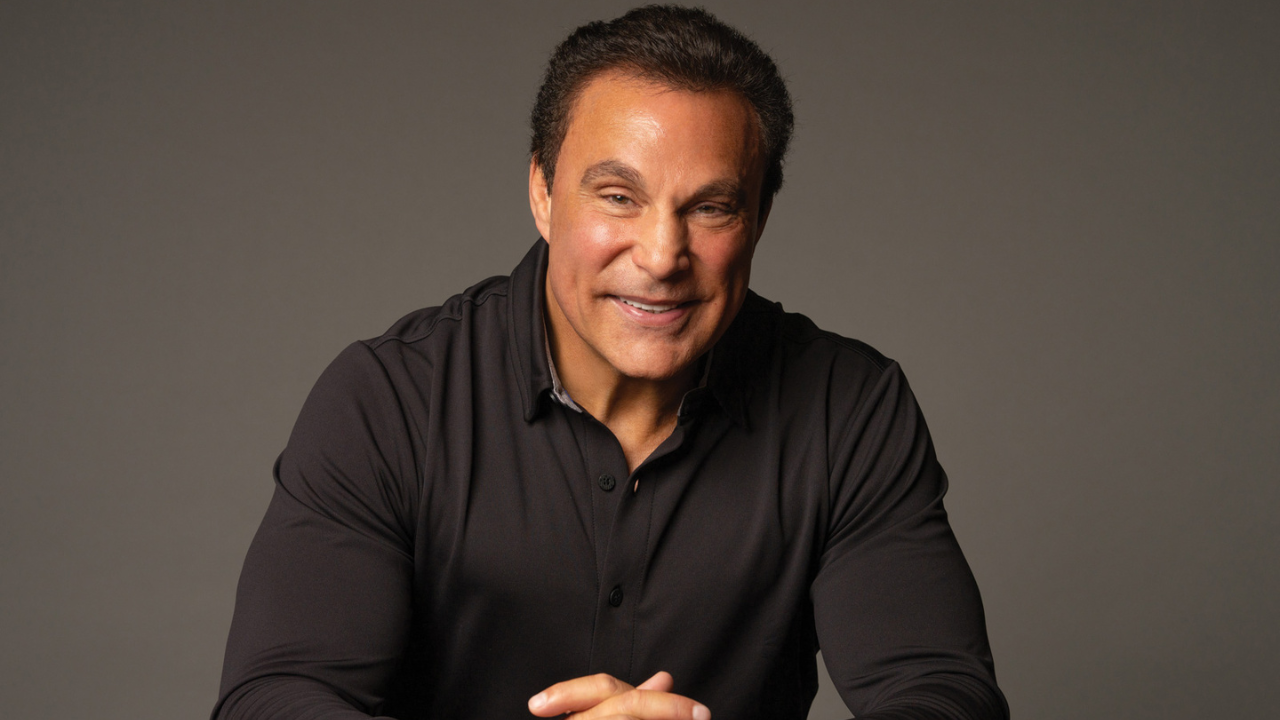
Mero’s debut on the April 2, 1996 episode of Raw is one of those weird time-capsule moments that feels like a fever dream now. He wasn't Johnny B. Badd anymore, the Little Richard impersonator who could actually go. He was 'The Wildman,' a leopard-print enthusiast with red hair and the first guaranteed downside contract in company history. That contract changed everything, and not for the better.
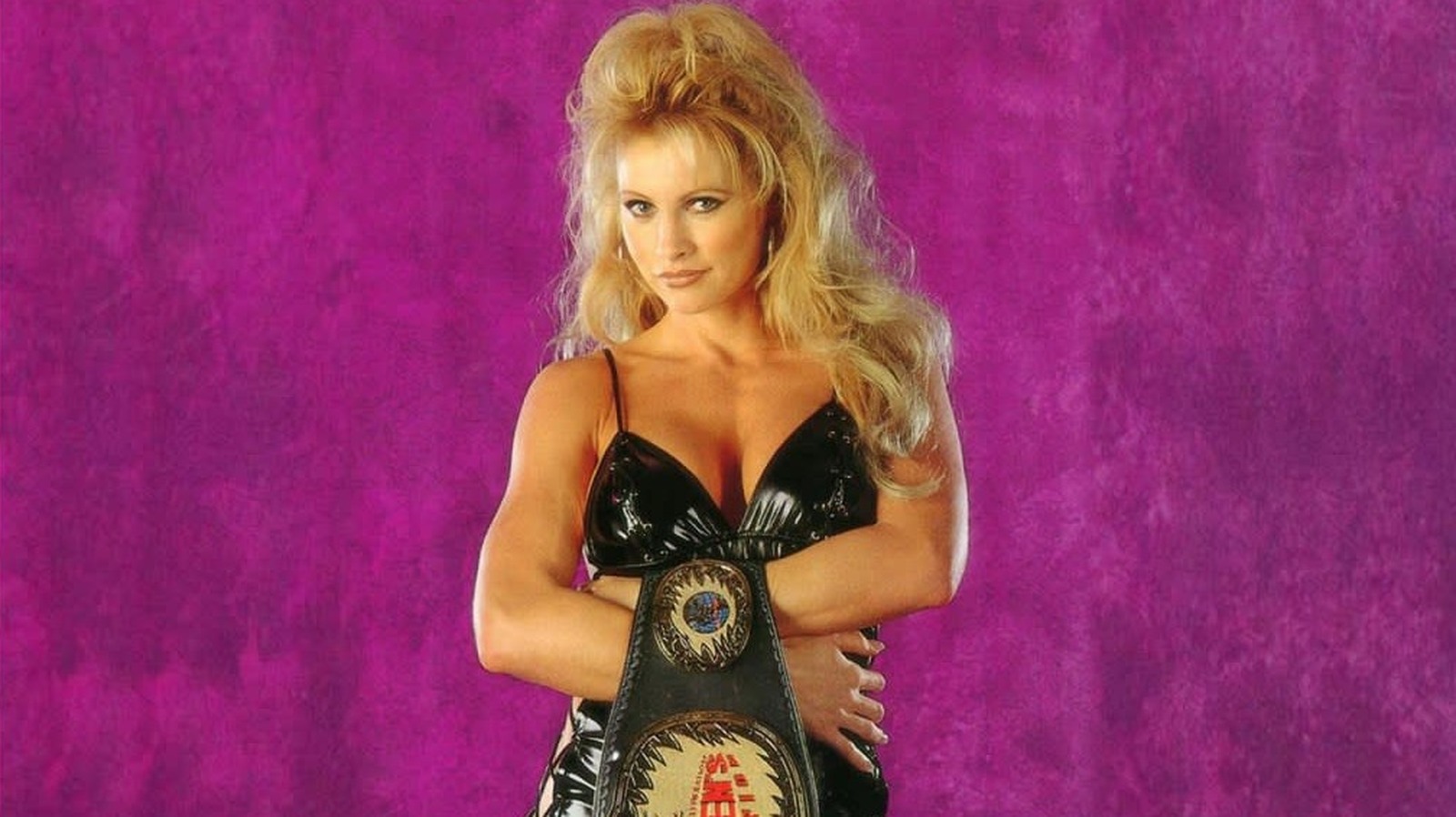
The locker room was already a powder keg. You had the Kliq running things behind the scenes, Bret Hart wondering where his company went, and then this guy from Atlanta walks in. He didn't just walk in; he brought a massive paycheck and a wife who would eventually become a bigger star than the entire roster combined. The resentment was immediate and, honestly, totally justified.
A dentist, a blueblood, and a shooting star
The actual match against Isaac Yankem, DDS, is a masterclass in how much the business has changed. Glen Jacobs, long before he was the Big Red Machine, was stuck in the worst gimmick of the decade. He was a wrestling dentist with bad teeth. Let that sink in for a second. The creative team in 1996 was so checked out they thought a tooth-pulling monster was the peak of heel psychology.
Mero, to his credit, was an incredible athlete. He hit a rolling elbow that looked like it actually disconnected Yankem’s jaw, and he was doing things like the Mero-sault that the WWF crowd hadn't seen yet. But the athleticism couldn't mask the fact that Mero was a generic babyface void. He had the moves, but he didn't have the soul that made guys like Shawn Michaels or Stone Cold pop off the screen.
The finish was fine, a flashy win for the new guy, but the real story happened at ringside. This was the era of Hunter Hearst Helmsley, the Connecticut Blueblood who spent his nights berating his valets. After losing to the Ultimate Warrior in a pathetic squash at WrestleMania just days prior, Helmsley was in full 'prick' mode. He was yelling at a young Rena Mero, and Marc played the hero. It was predictable, clean, and exactly the kind of white-bread booking that was about to get steamrolled by the NWO in a few months.
The $350,000 leopard print albatross
We need to talk about the money. Mero signed a deal worth $350,000 a year. In 1996, that was an astronomical figure for a mid-card guy coming over from the competition. It was the first time Vince buckled and offered a guaranteed downside, a move he only made because Eric Bischoff was breathing down his neck. The 'boys' in the back hated it. They were working 300 days a year for a fraction of that, and here comes 'The Wildman' with his flashy hair and his guaranteed bag.
The irony is that the WWF didn't even want Mero; they wanted Johnny B. Badd. But because of trademark issues, they got a watered-down version of the character that felt like a placeholder. Mero was a guy who could work a four-star match but couldn't cut a promo that didn't sound like it was rehearsed in a high school drama class. He was technically sound but emotionally bankrupt as a character.
The Sable factor and the slow fade
Within six months of this debut, nobody was talking about Marc Mero. They were talking about Sable. The camera loved her, the fans loved her, and Marc became the guy who held her coat. It’s the ultimate wrestling tragedy: you sign the biggest contract of your life, you jump to the biggest stage, and you end up being the second-most important person in your own marriage. By the time 1997 rolled around, the 'Wildman' gimmick was dead in the water.
The critical failure of Mero wasn't his in-ring work. It was his inability to adapt to the changing tide. While Austin was talking about 3:16 and Foley was jumping off cages, Mero was still trying to be a 1980s babyface in a 1990s world. He was a relic before he even hit his stride. He lacked the grit required for the Attitude Era, and his refusal to get 'ugly' in his matches made him look soft compared to the rising stars of the time.
Legacy of a missed opportunity
Looking back at that Raw report from thirty years ago, you see the seeds of the modern era. You see Triple H, the guy who would eventually run the whole damn place, playing a foppish snob. You see Glen Jacobs, a Hall of Famer, doing his best with a shovel-grade gimmick. And you see Marc Mero, the man who was supposed to be the savior, hitting a Shooting Star Press into a career that would eventually just... stop.
Mero’s debut is a cautionary tale for every promotion that thinks throwing money at a mid-carder will magically create a main-eventer. You can’t buy 'it.' You can buy the moves, you can buy the look, and you can buy the leopard print tights, but you can’t buy the connection with the audience. Mero had zero world title runs for a reason. He was a great athlete who got caught in the middle of a war he wasn't equipped to fight.
The WWF survived 1996 not because of Marc Mero, but despite the massive investment they made in him. It was the guys who were willing to change, like Triple H and the dentist-turned-demon, who actually built the future. Mero just provided the bridge, and unfortunately for him, he’s the one who fell through the cracks while everyone else crossed over to the other side.
Read Next
- WWE ticket prices are finally crashing and CM Punk just said the quiet part out loud
- WWE is about to cram one more match into the WrestleMania 41 clown car
- Ric Flair’s war with WWE proves that legends are now corporate property
- McAfee and Orton: The Unlikely Alliance Poised to Disrupt WrestleMania 41