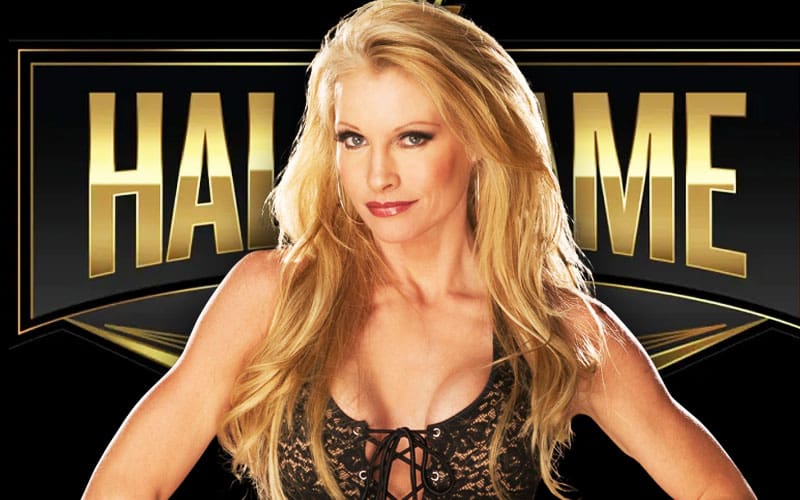
The Rumour Mill Activates
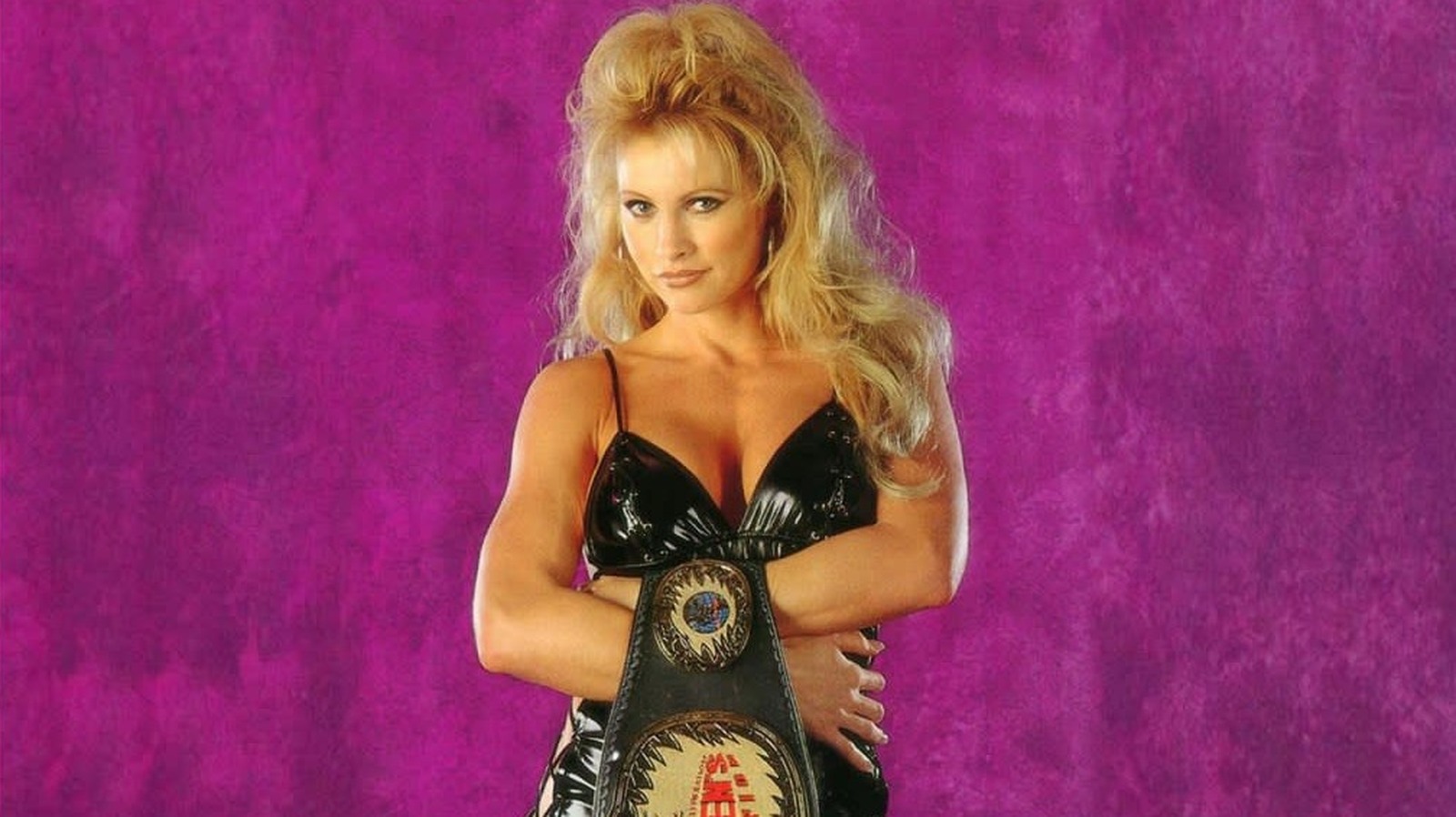
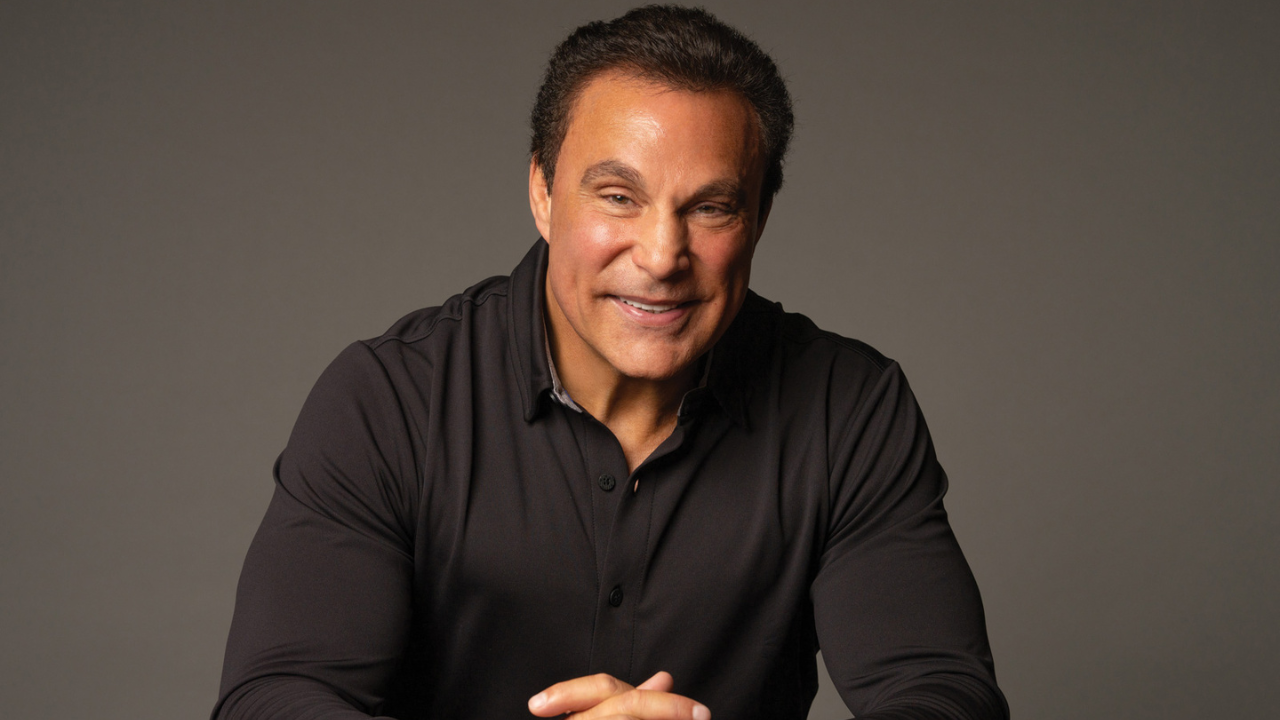
Treat this as a fascinating political development in the wrestling legacy space. Marc Mero is publicly campaigning for his ex-wife, Sable, to receive a WWE Hall of Fame induction. It feels like a headline pulled straight from a 1998 dirt sheet, yet here we are in 2026.
According to a report from Ringside News, Mero is putting his full weight behind the idea. He wants her to get a long-overdue moment in the spotlight. For a company that relies heavily on nostalgia to sell out its WrestleMania weekend events, this is a massive piece of unutilized history sitting on the table.
The backing from Mero is what makes this current rumour so compelling. Their split was incredibly public and messy. For him to be the one beating the drum for her induction shows a level of maturity that the wrestling business rarely produces. It gives the campaign a strange, undeniable legitimacy.
The Attitude Era's Biggest Female Draw
Let’s look at the actual history here. Rena Lesnar, known to millions simply as Sable, was arguably the biggest female draw in the history of the business during its hottest period. We aren't talking about a mid-card act. She was moving merchandise at a pace that reportedly rivaled Stone Cold Steve Austin.
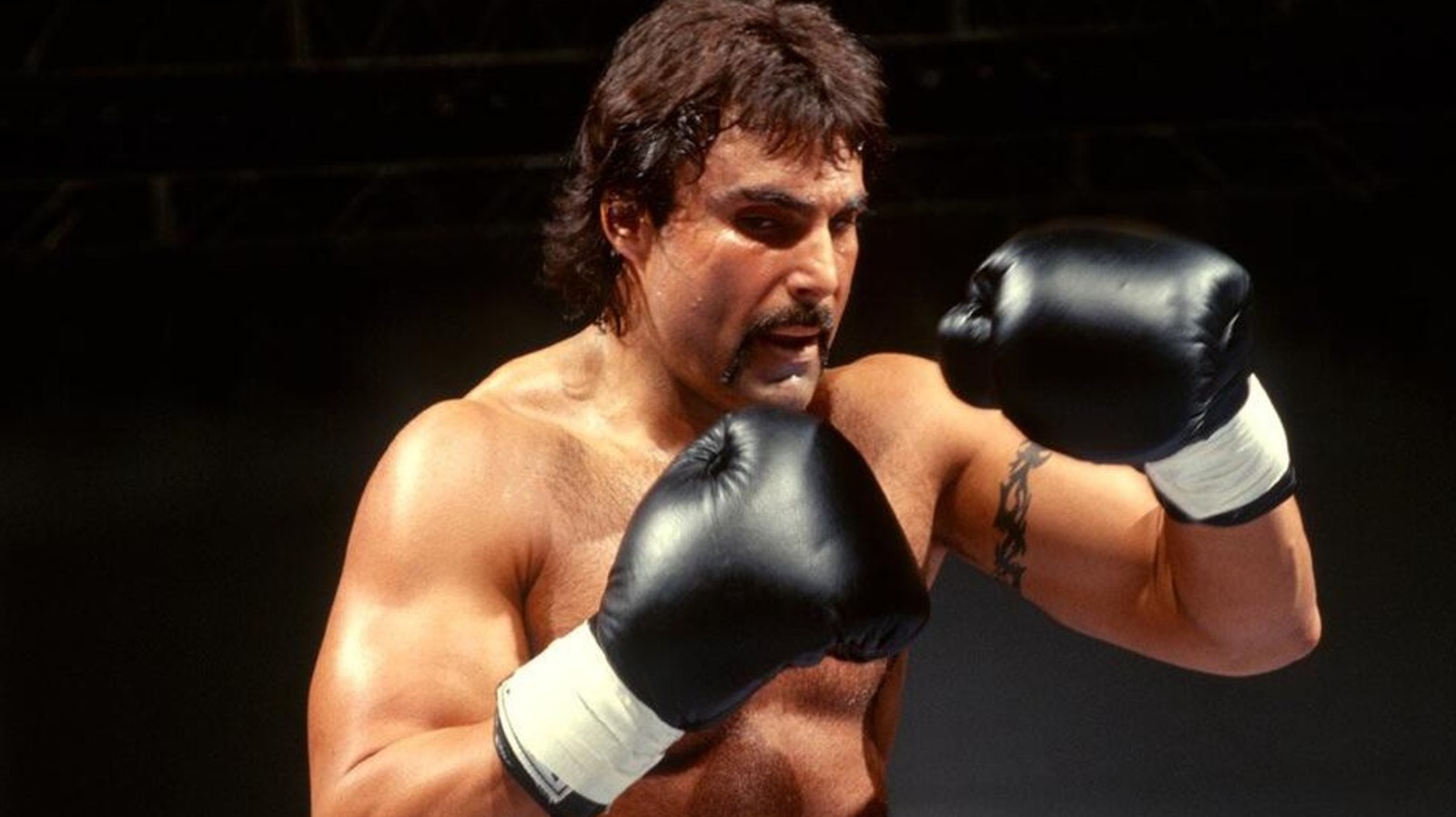
Think back to the spring of 1998. The feud with Luna Vachon culminated in a mixed tag team match at WrestleMania 14 in Boston. She teamed with Mero to face Luna and Goldust. That match wasn't just filler on a card dominated by Mike Tyson and Shawn Michaels. It was one of the most heavily promoted bouts of the year.
She took a massive bump in that match, proving to a skeptical locker room that she was willing to get physical. She hit a beautiful TKO on Luna to secure the win. The crowd response was deafening. It was the night she truly arrived as a standalone attraction.
Following that, the creative direction leaned entirely into her independence. She broke away from Mero, who played the jealous, controlling heel to perfection. The audience desperately wanted to see her break free from him.
That storyline resonated on a massive scale. When she finally hit Mero with a powerbomb, the roof nearly blew off the arena. It is still one of the loudest pops of the entire late-90s boom period.
Then came the championship run. She defeated Jacqueline at Survivor Series 1998 to win the Women's Championship. The match itself was incredibly clunky, but the result was what the live crowd demanded. She was the undisputed face of the division.
Her merchandise numbers were staggering. The black t-shirt with the white handprints across the chest was ubiquitous in wrestling crowds. She crossed over into the mainstream in a way few others managed, appearing on late-night talk shows and dominating magazine covers.
The Critical Lens: A Complicated Legacy
We have to look at the reality of her in-ring career. Sable was not a good wrestler. By modern standards, her matches were often complete trainwrecks. She was strictly a character and a visual attraction.
She was the poster child for an era that the current WWE regime desperately tries to distance itself from. Bra and panties matches, evening gown contests, and crude segments were her bread and butter. If you place her work next to Rhea Ripley or Bianca Belair, it looks like a completely different sport.
That is the core conflict of her induction. You are honoring a star whose very appeal was rooted in the rampant objectification that the modern women's division spent a decade trying to erase. It is a tricky needle to thread for WWE’s public relations department.
There will be vocal critics who argue that honoring her undermines the progress of the last decade. They will argue that her success was entirely based on aesthetics rather than talent. That is a valid, heavy criticism of her entire run.
To deny her a Hall of Fame spot because her matches were poor is to misunderstand the very nature of sports entertainment. If the Hall of Fame were strictly a meritocracy based on technical skill, Dean Malenko would have main evented multiple WrestleManias. Instead, it honors the people who made the company the most money.
The WWE Hall of Fame has never been purely about workrate. It is a museum of the company's most profitable exhibits. Wrestling is a business of drawing money and captivating audiences. On those specific metrics, her impact is undeniable.
The Messy Exit and Forgettable Return
The fame eventually brought a noticeable shift in her presentation. WWE turned her heel in early 1999, leaning into reports that she had become difficult to work with backstage. The crowd began to sour on her once she wasn't the plucky underdog.
Then came the exit. It was spectacularly ugly. In 1999, she filed a $110 million lawsuit against the World Wrestling Federation. The allegations were severe, citing unsafe working conditions and sexual harassment.
The lawsuit was eventually settled out of court, and most assumed the bridge was burned permanently. She actually returned to the company in 2003, which proves Vince McMahon's old philosophy of putting business above personal animosity.
But the magic was gone. The audience had moved on to Trish Stratus and Lita, women who could actually work a full match. Her second run felt like a relic from a bygone era.
Her feud with Torrie Wilson at Judgment Day culminated in a bikini contest that felt incredibly dated, even by 2003 standards. The industry was evolving, and she was stuck playing the hits from 1998. By the time she left in 2004, it was a quiet, unceremonious departure.
Probability and The Brock Lesnar Factor
That two-decade disappearance is what makes a potential Hall of Fame induction so difficult to predict. She married Brock Lesnar and moved to a farm in Saskatchewan. She does not do podcasts. She does not do autograph conventions.
Getting her to agree to stand on a stage in Las Vegas requires her wanting to be Sable again for one night. That is the biggest hurdle. WWE can offer the induction, but she has to actually pick up the phone.
Brock Lesnar’s own complex relationship with WWE right now is another unspoken dynamic. His status is constantly a subject of intense online speculation following recent controversies surrounding the company. Navigating an induction for his wife involves navigating whatever delicate business relationship currently exists with him behind closed doors.
Let's look at the timeline. WrestleMania 41 Night 1 is scheduled for April 19, 2026, at Allegiant Stadium in Las Vegas. Night 2 follows on April 20. The Hall of Fame ceremony traditionally anchors that massive weekend.
Las Vegas is the perfect city for this specific induction. It fits the glamour and the slightly dangerous, edge-of-your-seat vibe of her original character. If WWE wants to stack the 2026 class with mainstream names, she sits near the top of the list.
I am calling this a medium probability. The internal support is likely there. Triple H understands the value of Attitude Era nostalgia better than anyone. Mero’s public campaign puts the idea directly into the news cycle.
The real question is the cost-benefit analysis for Rena Lesnar. Does she want the applause? Does she want to revisit a character she left behind over twenty years ago? That is entirely up to her.
If this deal happens, it closes a glaring gap in the Hall of Fame. It acknowledges one of their biggest historical draws. Seeing her address a modern wrestling audience, in an era where women main event WrestleMania, would be a surreal, fascinating television moment.
Mero deserves real credit for getting the conversation started this week. He knows exactly what she meant to the business in 1998. He was standing right there in the ring when the arenas were physically shaking for her.
Read Next
- AJ Styles, Dennis Rodman, and the messy politics of the WWE Hall of Fame
- Lemmy joining WWE Champions is a hilarious and cynical nostalgia cash grab
- Why Rhea and Dominik Mysterio broke wrestling's romance rules
- How Rhea Ripley survived terrible booking to rule WWE
- 🏆 WrestleMania 41 — Full Coverage Hub