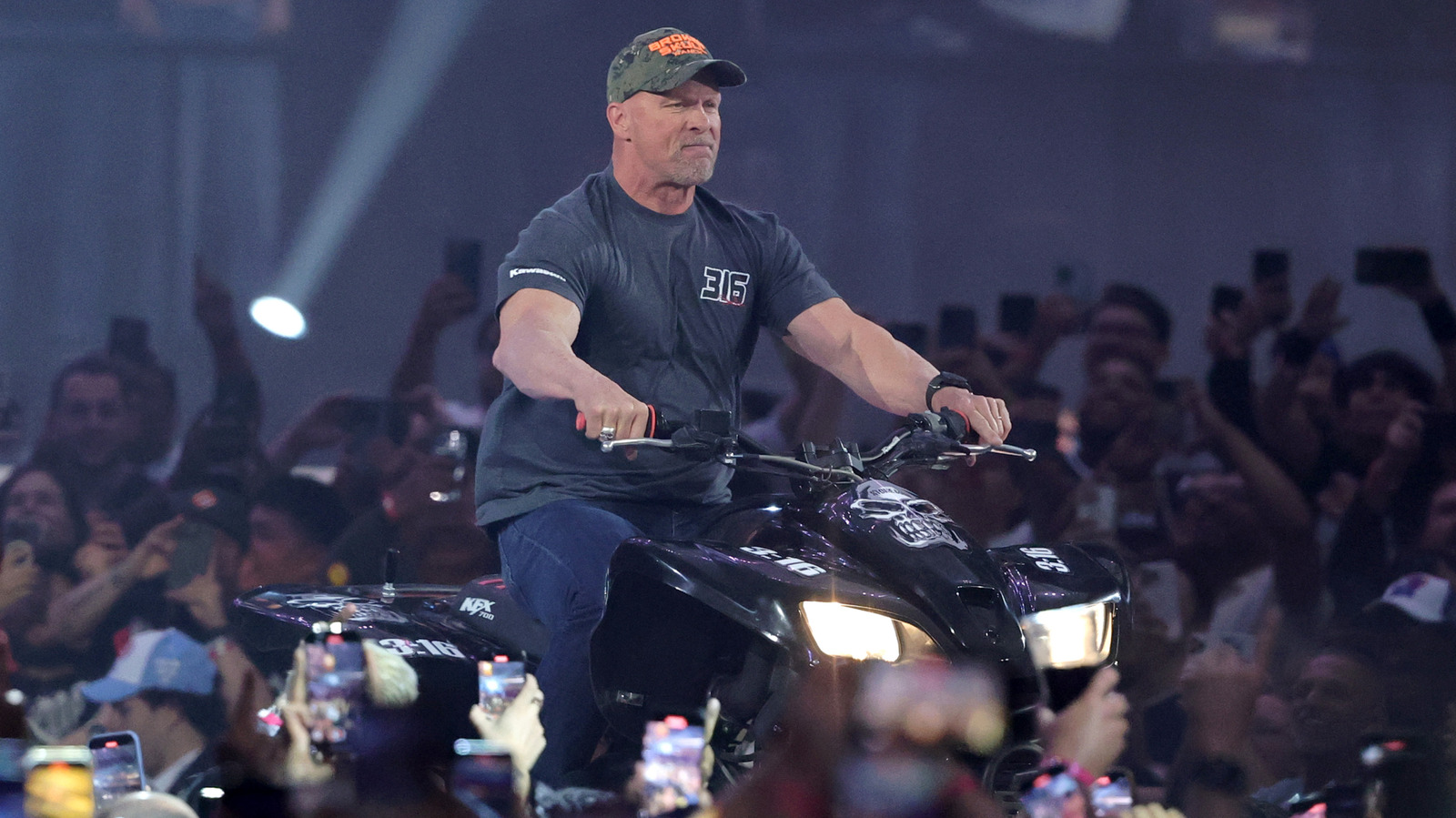
Marc Mero's guaranteed contract destroyed his WWE run before it even started
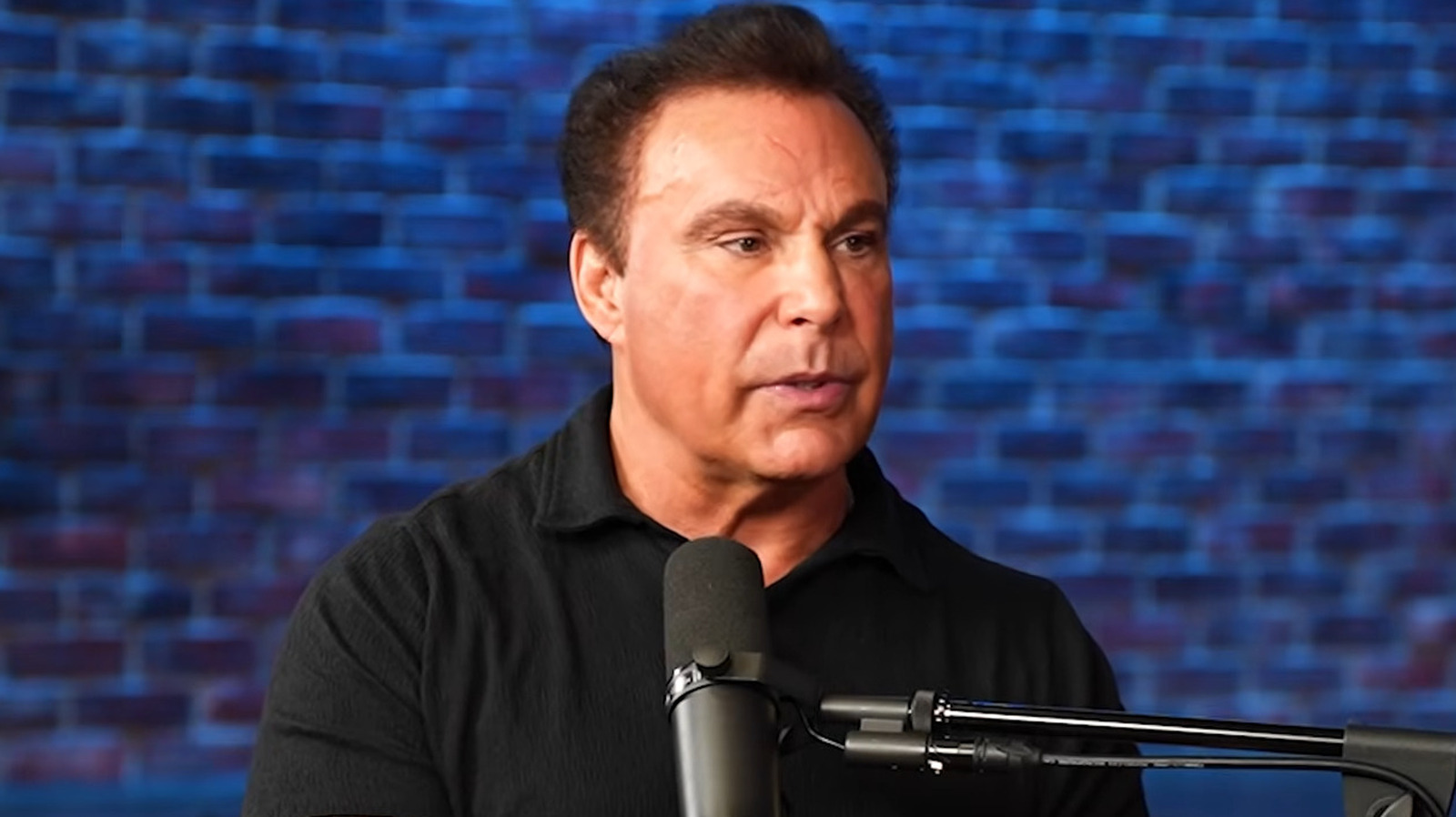
Marc Mero recently reflected on his failure to reach the absolute peak of the WWE card during the late 1990s. Speaking to Wrestling Inc, the former Intercontinental Champion offered a blunt assessment of his ceiling.
"I wasn't well-liked. I believe there were various reasons why I never advanced to the top of the card in WWE, including a lack of support from the boys."
Mero is right, of course. The locker room heat was legendary. But reducing his mid-card purgatory to a simple popularity contest misses the structural reality of the World Wrestling Federation in 1996. Mero wasn’t just a new hire from a rival promotion. He was a financial disruptor.
When Vince McMahon lured Mero away from World Championship Wrestling, he did something entirely unprecedented. McMahon gave Mero the first guaranteed contract in WWE history. In an era where payoffs were directly tied to gate receipts and main eventers ate what they killed, handing a massive, guaranteed downside to an unproven commodity was an act of locker-room arson.
You have to view Mero's entire WWE run through that financial lens. The resentment wasn't just personal. It was economic. Every time Mero walked through the curtain, the established stars saw a guy who got paid whether the building was full or empty. He was an outsider who bypassed the traditional struggle. In the shark tank of the 1996 locker room, that was an unforgivable sin.
The Tactical Mismatch of the 'Wildman'
Beyond the backstage politics, there was a fundamental disconnect between Mero’s in-ring mechanics and the character he was handed. In WCW, the Johnny B. Badd gimmick worked because it was high-energy. It hid his technical limitations behind explosive, athletic spots. Mero was an early adopter of the modern high-flying style in North America. He was utilizing the Shooting Star Press and springboard planchas long before they became standard transition moves.
But WWE repackaged him as "Wildman" Marc Mero. The presentation was baffling. He looked like a Chippendale dancer mixed with a jungle explorer, yet he worked the exact same athletic style. The presentation lacked an edge at the exact moment the wrestling business was turning sharp and cynical.
Look at his debut program. He was immediately thrust into a feud with Hunter Hearst Helmsley. He saved his then-wife Sable from Helmsley’s mistreatment at WrestleMania XII. The tactical booking here is obvious. WWE was trying to position Mero as a white-knight babyface, using Helmsley’s established snob character to generate sympathy.
Yet, the crowds never fully bought into the act. Why? Because the ring work didn't match the era. Mero was executing crisp, spectacular spots, but the narrative depth was missing. He was playing a generic good guy while the audience was already starting to gravitate toward the violent anti-hero aesthetics of Stone Cold Steve Austin.
A Hollow Championship Reign
To see the exact moment the Mero experiment began to stall, look no further than his Intercontinental Championship victory. He defeated Faarooq on September 23, 1996, during Monday Night Raw. The title had been vacated by Ahmed Johnson. The tournament final was designed to anoint Mero as the new workhorse of the company.
Tactically, the match is a mess of conflicting styles. Faarooq worked a stiff, grounded, bruising style. Mero was trying to force his high-paced, athletic spots. The chemistry was completely non-existent. Mero spent the majority of the match selling heavy offense. His comebacks lacked fire. He hit his signature somersault plancha to the outside, but the transitions felt rehearsed rather than organic.
When Mero finally hit the Shooting Star Press to win the title, the reaction from the crowd in Hershey, Pennsylvania, was muted. It was polite applause, not the roaring validation of a newly crowned champion. He was holding the second most important belt in the company, but he felt like an interloper. The fans weren't rejecting him out of malice. They were rejecting him out of apathy.
He dropped the belt to Helmsley just four weeks later on October 21. That month-long reign did absolutely nothing to elevate his stock. It merely proved that putting a belt on a guy with a great contract doesn't automatically generate main-event gravity.
The Mechanics of Isolation
To truly understand why Mero struggled to connect, you have to break down his offensive mechanics. When he arrived in 1996, the World Wrestling Federation was still primarily a big man's territory. The ring psychology was predicated on heavy strikes, rest holds, and power spots. Mero brought a junior heavyweight style wrapped in a 230-pound frame.
His use of the Shooting Star Press is a perfect example of his isolation. In modern wrestling, a backflip from the top rope into a splash is a standard transition. In 1996, it was alien technology. Mero executed it with a distinct, floating trajectory. He gained significant vertical height and tucked late in the rotation. It was beautiful, but the crowds didn't know how to react. The build-up to the spot didn't fit the WWF tempo.
Mero would work a traditional, plodding sequence against a guy like Goldust. Then, he would suddenly break into a sequence of springboard arm drags and suicide dives. The pacing was disjointed. The audience wasn't conditioned to pop for the sequence. They were just confused by the sudden, unearned acceleration.
Furthermore, his striking was fundamentally different from the WWF standard. While Austin and Undertaker were throwing looping, theatrical right hands, Mero threw snappy, tight jabs. It looked more legitimate. But in a 20,000-seat arena, legitimacy often translates to invisibility. The cheap seats couldn't see the snap of a jab. They needed the wide, telegraphed wind-up. His technical proficiency actually worked against his ability to connect.
The Sable Eruption and the Shift to 'Marvelous'
The pivot point of Mero’s career wasn't a match. It was a torn ACL in February 1997. The injury sidelined him for months. In his absence, the business evolved at lightspeed. More importantly, his valet and real-life wife, Sable, became the most over entity in the company.
When Mero returned late in the year, the dynamic had irreversibly shifted. He wasn't the star anymore. He was the guy holding the ropes for the star. From a booking perspective, turning him heel was the only logical move available.
To his credit, the "Marvelous" Marc Mero character was the best character work of his career. He played a jealous, controlling husband demanding Sable cover up. He leaned into his legitimate amateur boxing background. He adopted a boxer-wrestler hybrid style that was far more grounded and compelling than his 'Wildman' run. He started throwing worked body shots and adopted the TKO finisher. It was a brilliant tactical adjustment. He weaponized the crowd’s lust for Sable, turning their desire to see her into heat for himself.
However, this very dynamic capped his ceiling forever. You cannot be a world-championship-level heel if your entire motivation is domestic jealousy over a mid-card valet. The booking inherently boxed him into the secondary tier. He was a transitional antagonist. He was designed explicitly to build sympathy for Sable until she eventually turned on him.
The WrestleMania XIV Exposure
The culmination of this angle was the mixed tag team match at WrestleMania XIV in Boston. Mero and Sable teamed up against Goldust and Luna Vachon. If you want to understand Mero's exact positioning in the corporate hierarchy, watch the tape of that match.
The entire structure of the bout is designed to highlight Sable. Mero is merely the necessary mechanical cog. He takes the bumps. He feeds the heels. He builds the hot tag. When Sable finally enters the ring, the FleetCenter erupts in a way that Mero could never manufacture on his own.
Mero’s job in that match was to be invisible while doing the heavy lifting. He executed it perfectly. But in doing so, he cemented his status as a supporting actor in his own storyline. The narrative was no longer about Marc Mero chasing gold. It was about Marc Mero trying to suppress a supernova.
The Brawl for All and the Final Bell
If the Sable storyline capped his potential, the infamous Brawl for All tournament actively dismantled his remaining credibility. The concept was absurd. It was a shoot-fighting tournament on live television, using 16-ounce boxing gloves and a bizarre scoring system. Mero, a former New York State Golden Gloves champion, seemed like a natural fit on paper.
The problem with shoot fighting in a worked environment is that it destroys the suspension of disbelief. Mero won his first-round fight against Steve Blackman. But the visual was deeply damaging. The crisp, athletic 'Marvelous' character was suddenly engaged in sloppy, exhausting, real-world grappling. It didn't look heroic. It looked desperate and exhausting.
When he fought Bradshaw in the subsequent round, the aura of the 'Marvelous' boxer was fully punctured. Mero was smaller, older, and the reality of a 290-pound brawler leaning on him exposed his limitations. He wasn't the toughest guy in the locker room. He was just a guy with a great contract getting mauled on free television.
The tournament ruined the mystique of nearly everyone involved. For Mero, whose entire heel persona was built on the threat of his golden gloves, looking ordinary in a real fight was a death sentence.
The Reality of a Lightning Rod
Mero’s reflection that he wasn't well-liked is accurate. But it fundamentally misdiagnoses the root cause of his trajectory. The locker room animosity was merely a symptom of the changing financial reality he inaugurated. He was the test case for guaranteed money in a company that despised the concept.
Tactically, his booking was a series of unfortunate timing. He arrived as a pure babyface just as the Attitude Era demanded shades of grey. He returned from injury as a grounded heel just as the main event scene was being dominated by larger-than-life brawlers. And most fatally, he brought with him an act that completely eclipsed his own considerable talent.
Every time WWE tried to push him, the gravity of his circumstances pulled him back down. The guaranteed contract put a target on his back. The 'Wildman' gimmick was dead on arrival. The 'Marvelous' gimmick tied him to a valet who outshone him.
You can't book your way out of that kind of structural disadvantage. Mero didn't fail simply because the boys in the back gave him the cold shoulder. He failed because he was a perfectly capable mid-90s worker dropped into the most volatile locker room in wrestling history. He carried a contract that made him an immediate enemy and a valet who made him an afterthought. He was structurally obsolete almost from the moment he signed the deal.
Frequently Asked Questions
Why was Marc Mero disliked in the WWE locker room?
When did Marc Mero join the World Wrestling Federation?
What was Marc Mero's gimmick when he debuted in WWE?
Who did Marc Mero feud with during his WWE debut?
Why did Marc Mero struggle to connect with WWE fans?
More Coverage
Dustin Rhodes is waiting for his final act
8 hours agoOn This Day in Wrestling: July 20
10 hours agoOn This Day in Wrestling: July 20
10 hours agoRemembering ECW veteran Paul Bykow
13 hours agoOn This Day in Wrestling: July 19
1 day, 10 hours ago
Chris Masters and the hidden toll of the 2000s wrestling physique
1 day, 20 hours agoMore Analysis
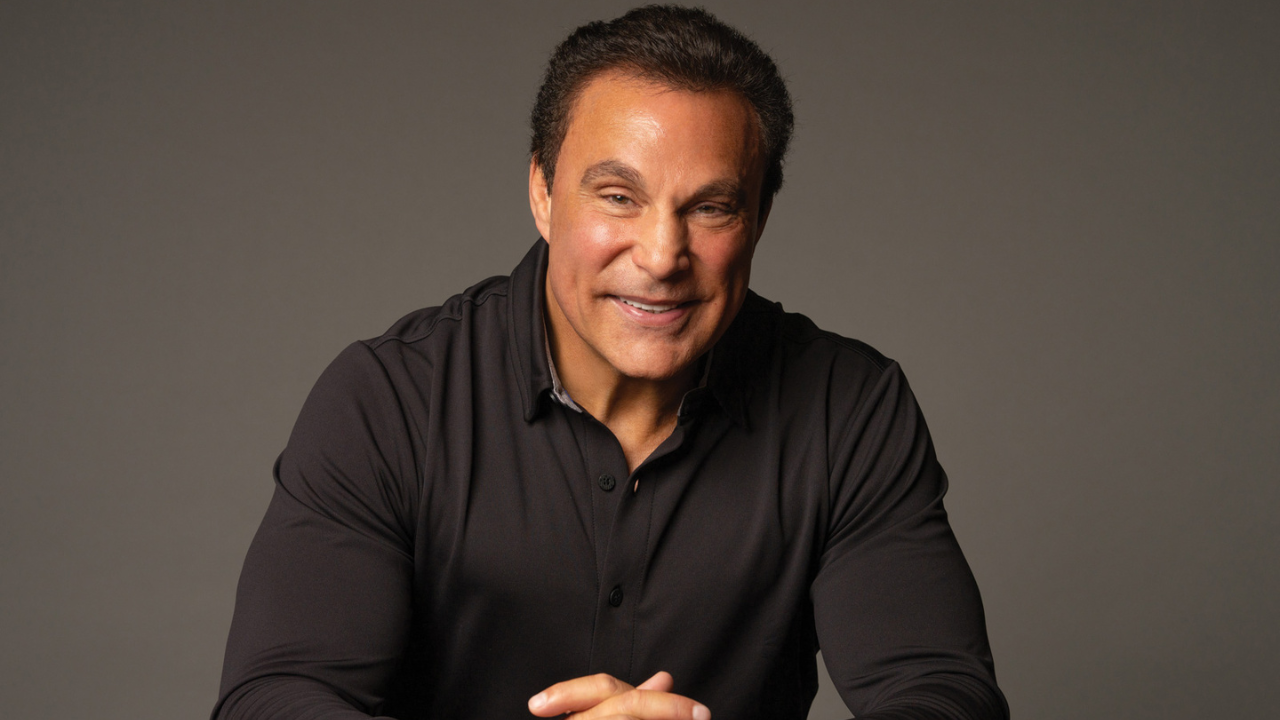
Marc Mero broke the WWE pay scale and he is never coming back
3 months, 3 weeks agoMarc Mero’s WWF debut was the precise moment the old school died
3 months, 1 week agoMarc Mero is right about Sable, and WWE needs to stop pretending otherwise
3 months, 2 weeks ago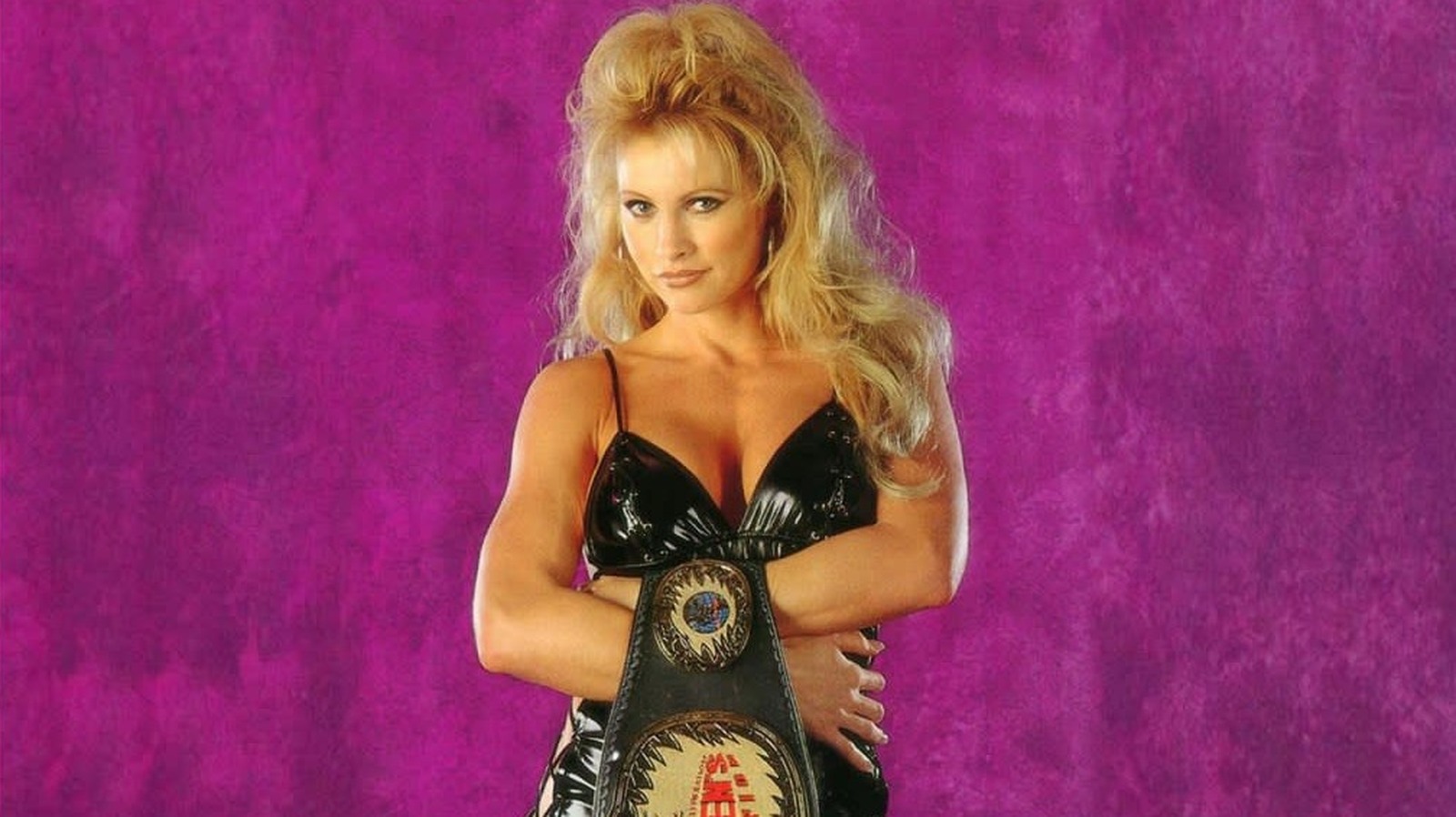
Sable's legacy is tearing at the seams of WWE's sanitized history
3 months, 2 weeks ago
Why Marc Mero is the most underrated contract pioneer in wrestling history
3 weeks, 6 days ago