The performative outrage machine
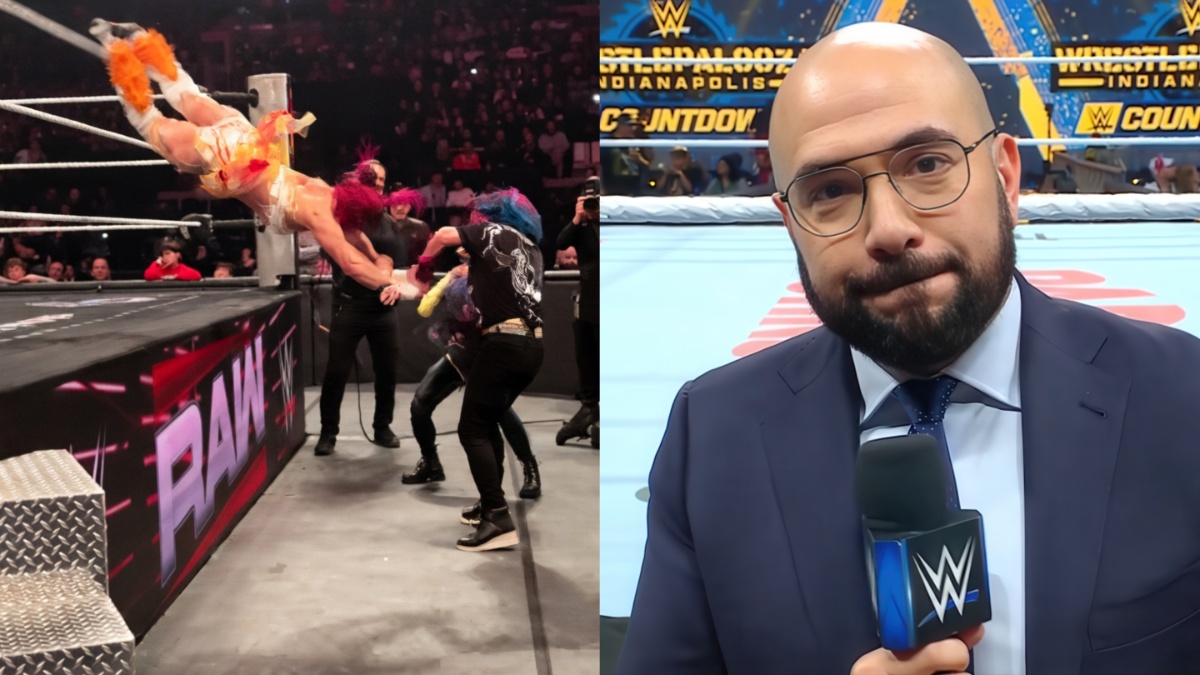
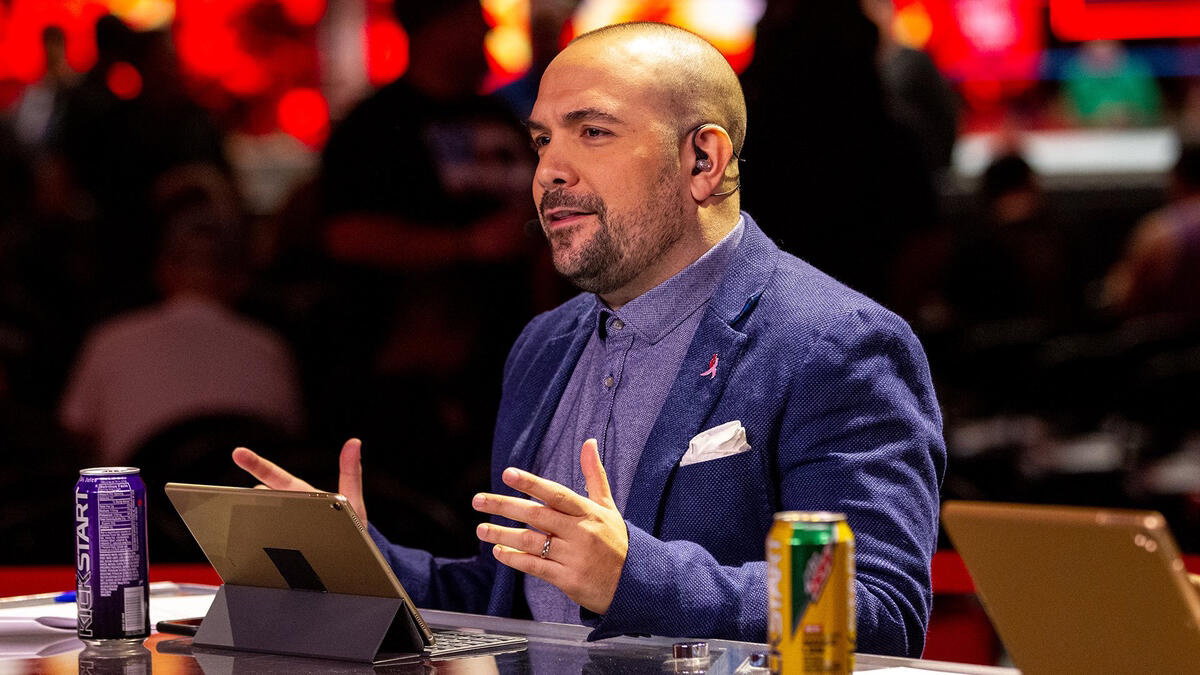
Professional wrestling thrives on friction, but lately, the most volatile conflict isn't brewing inside a squared circle. It is unfolding across disjointed Twitter timelines and podcasts. Peter Rosenberg recently ignited a firestorm by labeling suicide dives as “all risk, no reward,” a take that drew immediate, sharp rebukes from established performers like Bayley and Chris Hero.
This isn't just a difference of opinion. It is a fundamental clash regarding what constitutes modern wrestling quality. Rosenberg attempted to double down, firing back at his critics, as WrestlingNews.co detailed, before deleting a post about “schooling” Chris Hero following widespread mockery.
The wrestling reality gap
When someone pushes the narrative that high-risk maneuvers are obsolete, they are actively ignoring the current athletic ceiling of the roster. Wrestlers are not merely performing a rote series of spots; they are pushing physical boundaries to engage an audience that demands high-octane sequences. Calling for a reduction in risk feels like a dated request from an era of slower, ground-based psychology that no longer fits the current television product.
The defensive pivot Rosenberg took—calling critics “mouth-breathing internet dorks”—is a classic retreat when a bad take meets empirical evidence. Ringside News noted his timeline retreat, but the damage to his credibility among active workers is already done. When your peers—people who actually take the bumps—call you out, you have lost the argument.
The weight of the actual news
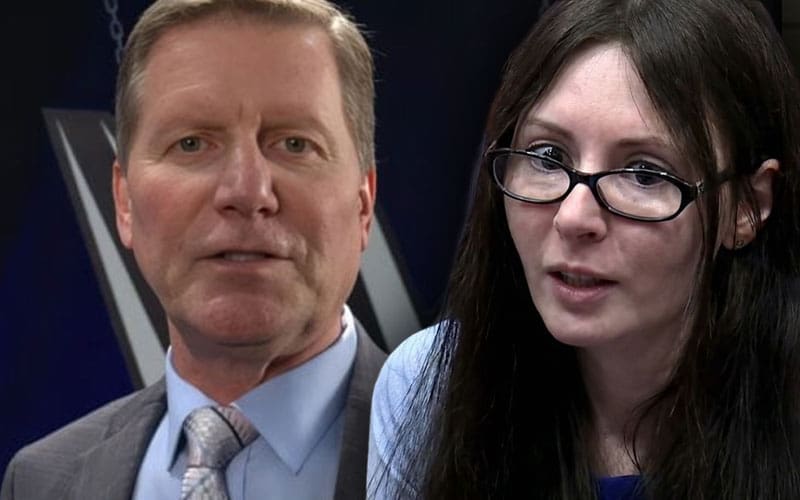
While podcasts argue about dive frequency, the professional wrestling industry is staring down a much darker horizon. The ongoing legal battle involving Janel Grant, Vince McMahon, and John Laurinaitis is shifting from legal filings into a permanent shadow over the legacy of the industry's biggest players. The latest F4WOnline report outlines the gravity of these allegations, and it is far more significant than a debate over a suicide dive.
The legal posturing from Laurinaitis’ camp, described by Ringside News, suggests this will be a slow-moving, public war of attrition. Wrestling fans would be better served focusing on the corporate accountability crisis rather than entertaining distractions from commentators who have never been dropped on their heads.
The prediction
This entire saga of Rosenberg versus the world will fizzle out by the time WrestleMania 41 kicks off on April 19. It is filler content in a media cycle. The fans who care about the integrity of the in-ring product will ignore the noise, and the performers themselves will continue to evolve the match styles that define the current 2026 era. The real reckoning is in the courtroom, not on a podcast feed.