The noise is drowning out the product
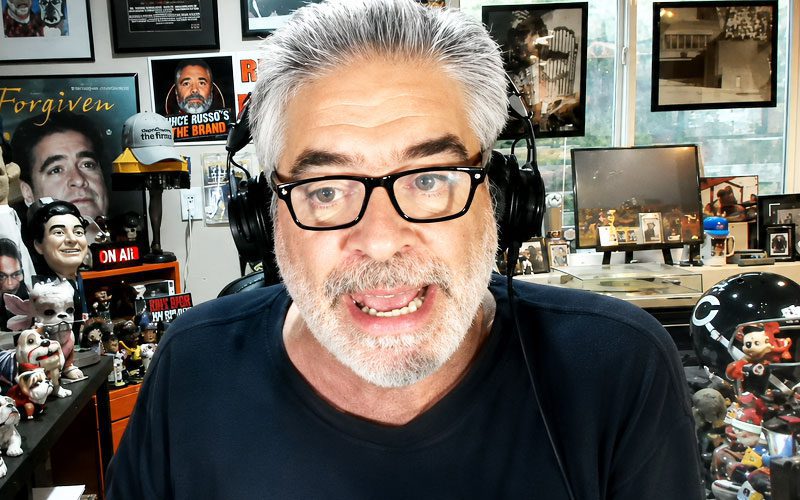
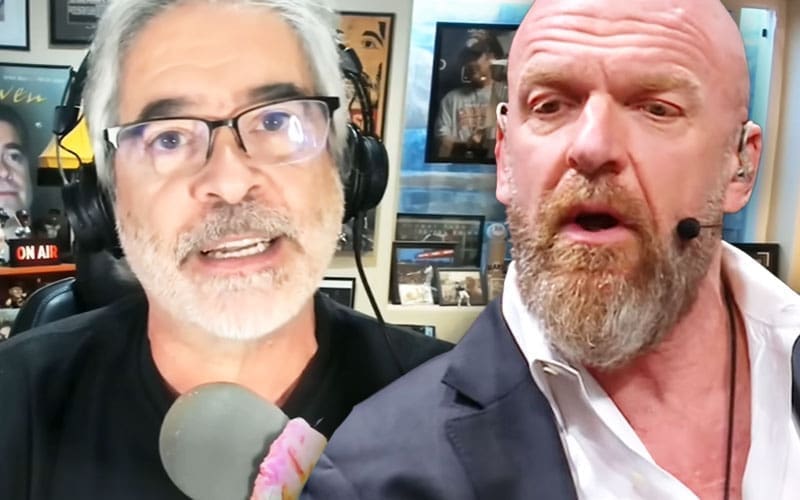
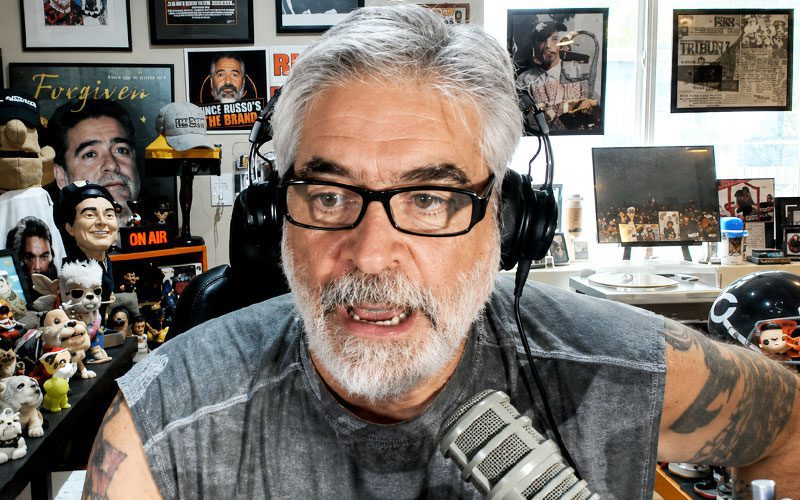
Vince Russo has once again taken to his platform to fire broadsides at the modern wrestling audience. He contends that fans who idolize modern performers possess low self-esteem, projecting their insecurities onto the entertainment they consume. It is the kind of rhetoric he has peddled for decades, aimed more at grabbing headlines than analyzing the mechanics of a professional wrestling match.
Ignoring the merits of the actual in-ring product in favor of personality-driven rants is exhausting. If we were to apply the same critical lens Russo uses to gauge a star's drawing power, we would look at the capacity numbers and merchandise movement rather than psychological profiling. He claims this worship is a new phenomenon, but history suggests otherwise.
The danger of checking out
When veterans stop analyzing the psychology of a stiff lariat or the timing of a three-count and start diagnosing the mental health of a paying crowd, the analysis loses its utility. The recent comments from Russo provide nothing for the student of the craft. It creates a vacuum where actual critique should reside.
Consider the technical work rate in recent main events compared to the chaotic, angle-heavy booking that defined the late nineties. These performers execute high-impact sequences with a precision that demands respect regardless of the fan's emotional attachment. Dismissing audience engagement as a character flaw ignores the reality that people enjoy high-level athleticism.
Why the discourse remains stuck
There is a recurring loop in professional wrestling commentary. Older figures often retreat into a bunker, claiming the fans are wrong or that the current generation lacks the grit of their predecessors. This ignores the 5-star matches that happen with frequency today, matches that feature sequences requiring timing that would make the legends of the past blush.
Critiquing a wrestler is fair game, but critiquing the fan base for wanting to support them feels like a defensive maneuver. If the booking is strong, the crowd responds. When the card is flat, the audience lets the house know. This dynamic is as old as the territory system, though the methods of expression have changed.
Predicting the impact on the industry
My prediction? Russo’s comments will be forgotten by the time the opening bell rings this Friday. The industry will move on because the spectacle is too large to be derailed by a retired writer’s sour takes. We are entering a period where the talent level is arguably at a 30-year peak.
We have wrestlers who can chain wrestle for ten minutes without repetition and heavyweights who move with the agility of lightweights. Focusing on fan psychology instead of the evolution of the grapple game is a failure on the part of the critic. I suggest we turn the monitors back to the ring and see what happens when the next challenger steps through the ropes. The talent deserves that respect, even if the commentators choose to look elsewhere.