The Hot Take heard 'round the ring
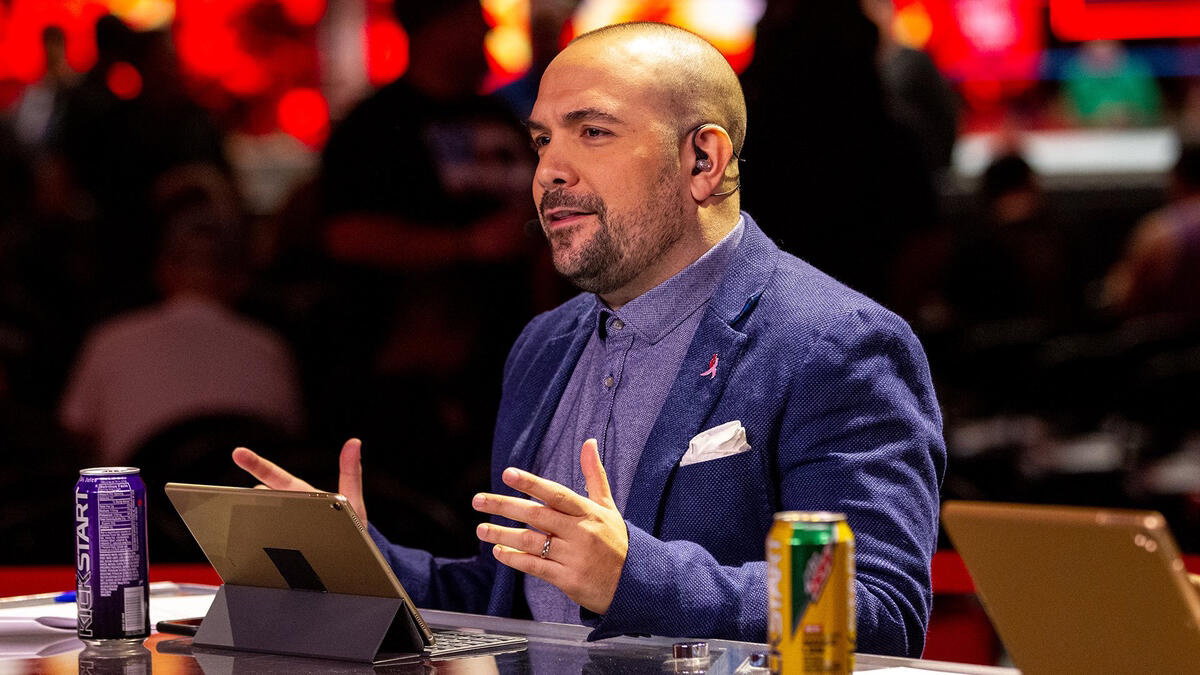
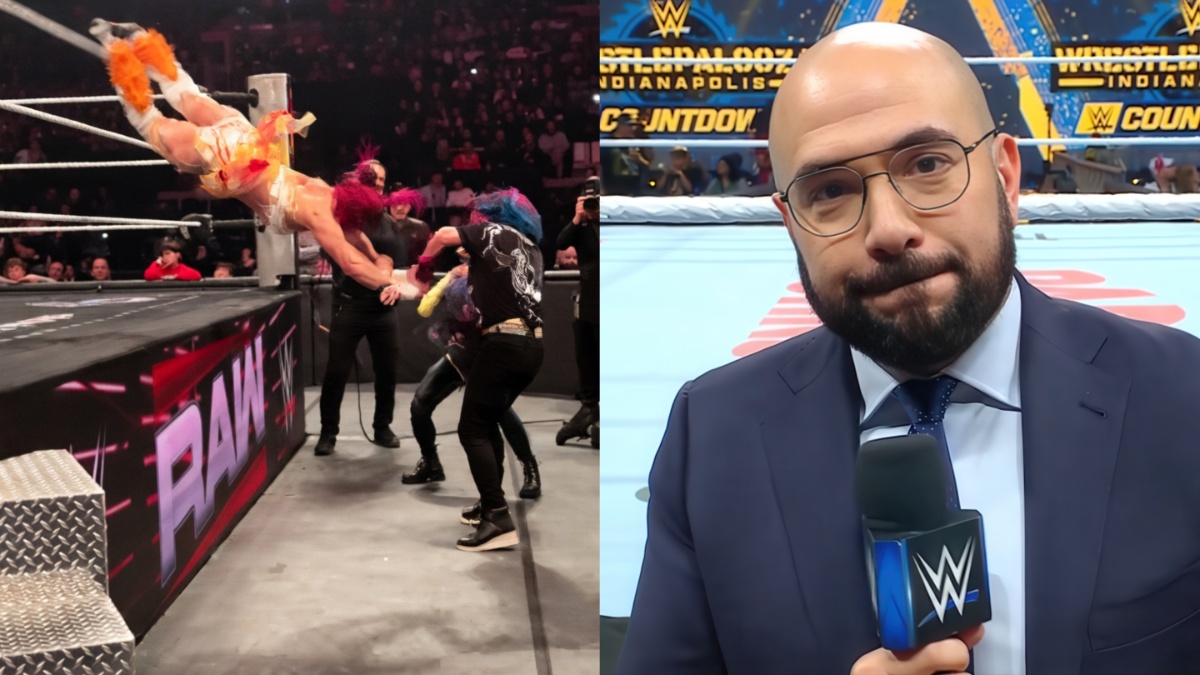
Peter Rosenberg is not retreating. After sparking a digital firestorm by labeling the suicide dive as a move of "all risk, no reward" in 2026, the media personality spent his recent appearances reiterating his stance. His comments have drawn immediate, biting rebuttals from active performers like Bayley and trainers like Chris Hero.
Rosenberg argues that in the current era, where work-rate and safety are supposedly prioritized, the traditional suicide dive has become an unnecessary liability. He views the move as a repetitive spot that drains the momentum of a match rather than adding to the drama. The reaction from the locker room has been swift and largely dismissive.
Bayley and Hero push back
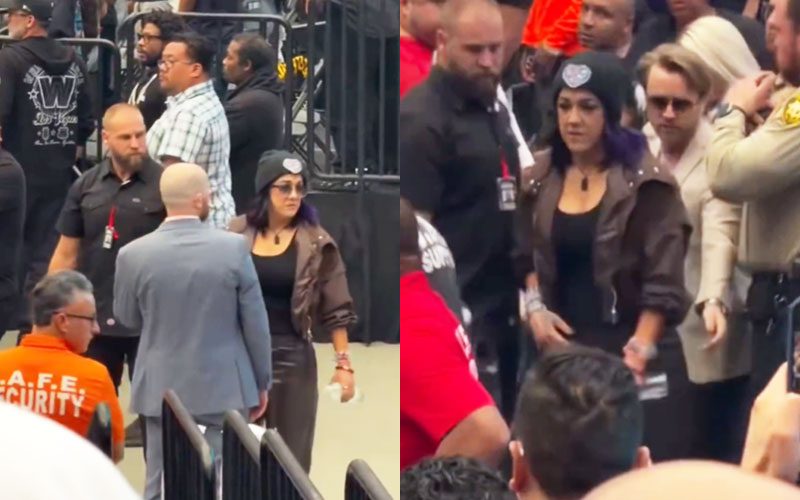
Bayley’s response was particularly sharp, highlighting the disconnect between a commentator’s observation and a worker’s reality. She took to social media to signal her frustration, suggesting that those outside the ropes often underestimate the technical execution involved in keeping a dive clean and safe.
I wonder if people who say these things have ever tried to throw their bodies through the ropes without killing themselves in the process.
Chris Hero, a man whose encyclopedic knowledge of ring technique is undisputed, offered a more surgical counter-argument. He pointed out that the value of a move is defined by the narrative context, not an arbitrary list of "risky" maneuvers. For Hero, the suicide dive remains a crucial emotional release valve within a bout.
Analyzing the risk-reward ratio
The core of this debate centers on whether the suicide dive has lost its luster due to total overexposure on weekly television. When every mid-card match features a dive to the floor—often ending in a pileup that resets the referee’s count—the move loses its status as a match-altering high spot. Rosenberg’s argument hits a nerve because, functionally, he is correct.
We have seen the transition of the suicide dive from a spectacular climax to a standard transitions tool that often results in awkward collisions or head trauma. If the intention is to present a product that feels both athletic and safe, the high frequency of these spots creates a glaring inconsistency in brand identity. However, banning or shaming the move entirely feels like a simplistic solution to a complex booking problem.
The industry impact of the debate
This friction highlights a growing divide between traditionalist broadcasting voices and the modern high-flying style. Rosenberg serves as a proxy for fans who crave a more methodical pace, while performers like Bayley are defending the athleticism that currently defines the industry. The issue isn't the move itself; it is the lack of variety in how it is used.
If wrestlers treated the suicide dive as a finish-sequence setups or a rare desperation move, the criticism would likely vanish. Instead, the move is often used to fill downtime during commercial breaks or to pace a match that lacks original structure. This is where bookings fail the talent.
Looking ahead to WrestleMania 41
With WrestleMania 41 now roughly two weeks away, the scrutiny on high-impact spots will hit an annual cycle high. Fans will be watching to see if the producers maintain the current breakneck pacing or if they urge talent to pull back on the aerial maneuvers to preserve health for the two-night event. Expect a shift in tone on the broadcast side as the company attempts to bridge the gap between fan expectations of spectacle and the physical toll on the performers.
We should also recognize that this isn't just about one move. It is a debate about the standard of work in 2026 and how it scales across a massive, two-night event. Rosenberg’s take is bound to resurface if a major star suffers a miscue in a high-profile match on April 19 or 20. The pressure is on the producers to ensure that "risk versus reward" remains a factor they control, rather than something left to chance.
Critique of the current discourse
The most exhausting part of this exchange is how quickly it devolved into an "us versus them" narrative between media figures and wrestlers. Rosenberg contributes to the noise by doubling down on inflammatory phrasing rather than offering a solution. Meanwhile, some performers treat any critique as an assault on their character, ignoring that legitimate safety concerns exist within their industry.
There is a middle ground here—one that favors better storytelling over physical repetition—that both sides are currently missing. Until the industry finds a way to distinguish between a move used to build a story and a move used to fill time, these debates will keep burning brightly every time a performer hits the floor. It is a sign of a creative industry that is struggling to balance its past with a very fast, very dangerous future.
As reported by WrestlingNews.co, the divide is far from settled. The focus now turns to whether this public exchange influences how agents and trainers approach match layouts moving into the spring.