Ronda Rousey Is Done Playing The Corporate Game
The Fight That Isn’t a UFC Fight
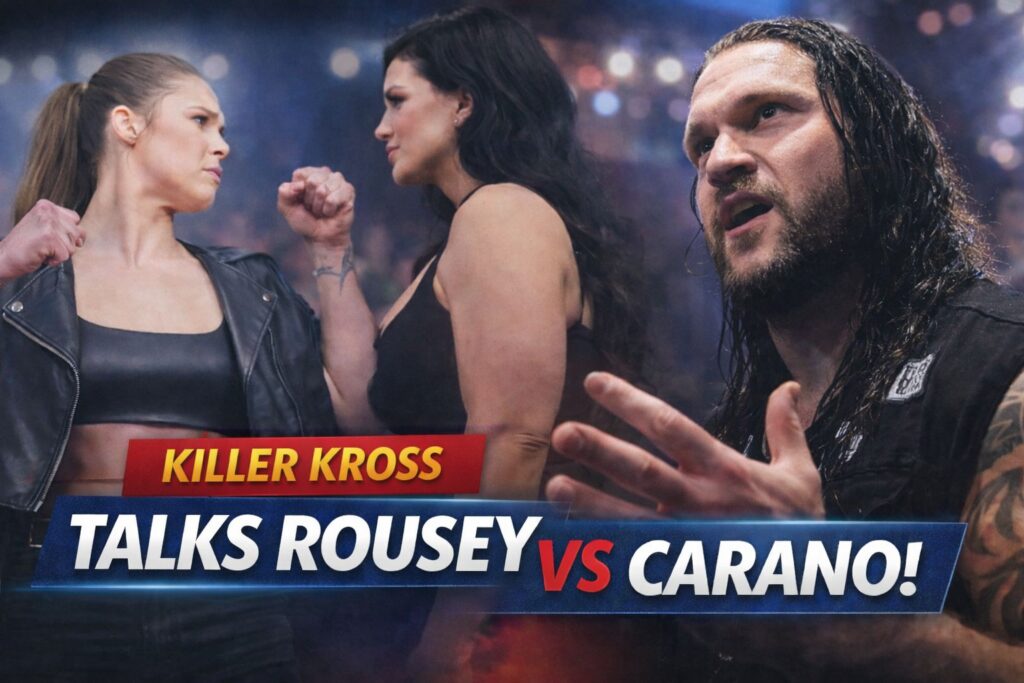
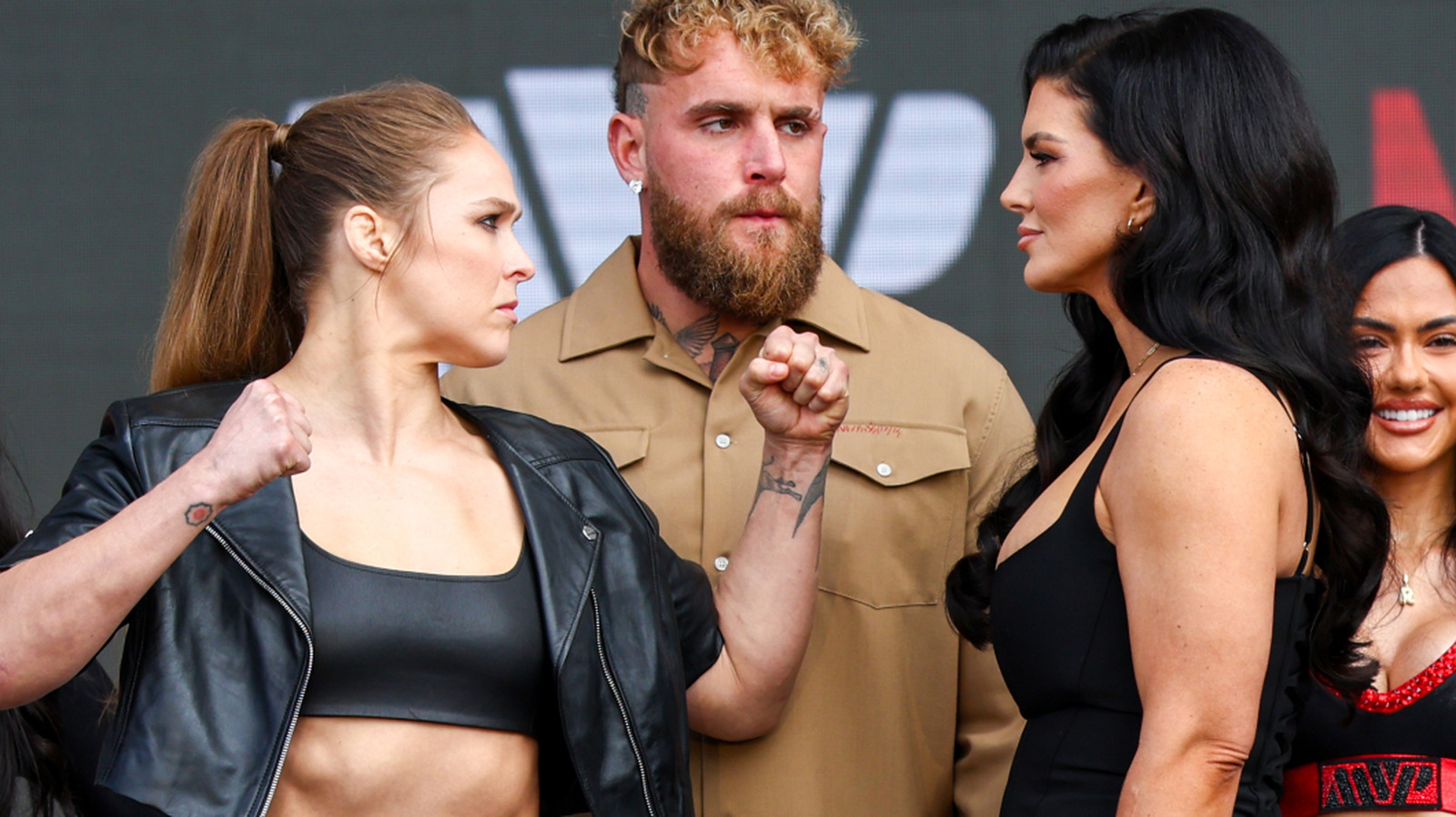
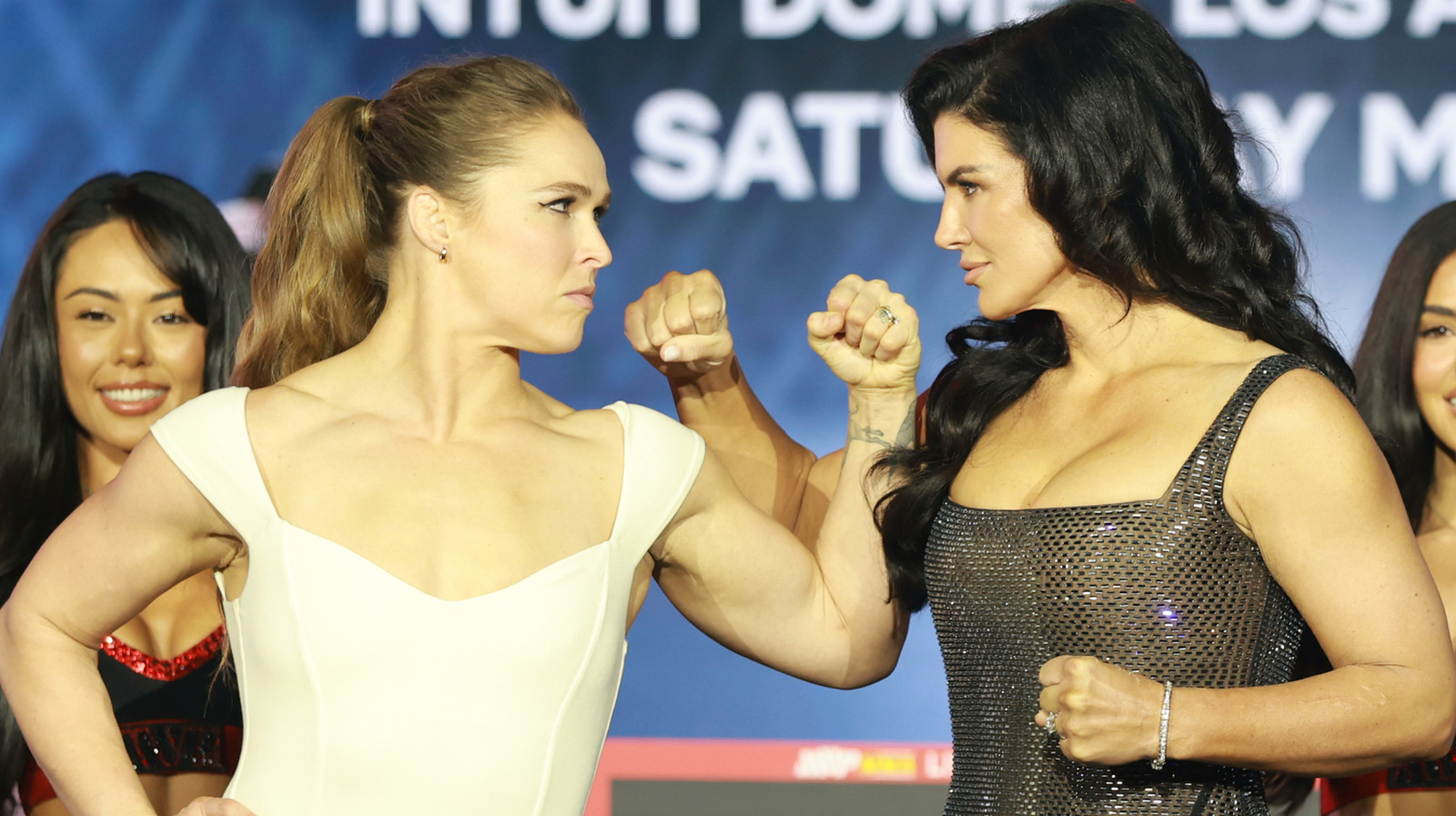
In two days, on May 16, two of the most important pioneers in the history of women’s mixed martial arts will step into a cage. Ronda Rousey, the woman who single-handedly forced the UFC to create a women’s division, will face Gina Carano, the original face of Strikeforce and women’s MMA in North America. By all accounts, it’s a colossal event, one Rousey herself is billing as potentially the “biggest MMA fight of all time.”
Yet, the most significant detail about this fight isn’t who is in it, but who is not. The Ultimate Fighting Championship, the promotion that Rousey built into a pay-per-view juggernaut, has zero involvement. This isn’t a nostalgic co-promotion or a special one-off. It’s a clean break. The event is being handled by Most Valuable Promotions, and the absence of the UFC machine is not an accident; it’s a declaration.
Rousey is not just returning to MMA for a payday. She is returning with a scorched-earth policy, aimed directly at the corporate structure she once championed. Her recent comments and career choices, from a liberating cameo in All Elite Wrestling to her scathing indictment of a top UFC executive, paint a clear picture. This isn't a comeback tour; it's a rebellion.
The Bridge Burned with Hunter Campbell
Any illusion that Rousey’s UFC departure was amicable evaporated with two words: “chauvinist prick.” That’s how Rousey described Hunter Campbell, the Chief Business Officer of the UFC. It’s a stunningly direct and personal attack on one of the most powerful figures in the sport, a man who operates just below Dana White in the Endeavor-owned hierarchy.
This isn't the usual athlete complaint about pay or matchmaking. This is a personal, character-based assault on the company's executive culture. According to Rousey's public statements, the decision to stage the Carano fight completely outside the UFC ecosystem was a direct result of her dealings with Campbell. She made it clear that his presence made any collaboration impossible, forcing her to find an alternative route for what she considers a legacy-defining fight.
The implications are massive. Rousey isn't just saying she had a bad experience; she's accusing the UFC's top brass of fostering a misogynistic environment. By choosing to go with an outside promoter, she’s proving that top-tier, PPV-selling MMA can exist without the UFC's blessing, a direct challenge to the promotion's market dominance. It’s one thing for a disgruntled fighter to leave; it’s another for a global superstar to leave, build a competing blockbuster event, and publicly label one of your top executives a chauvinist on the way out the door.
This move is a calculated risk. It permanently severs her ties with the promotion that made her a household name. There will be no Hall of Fame induction ceremony, no celebratory video packages, no comfortable ambassador role waiting for her. She knows this. The fact she’s willing to burn that bridge to the ground signals how deeply she felt about the issues with the company's leadership.
The Allure of 'Freedom' in AEW
To understand Rousey’s current mindset, one only needs to look at her recent appearance in the world of professional wrestling. After a successful but creatively rigid run in WWE, Rousey surfaced at AEW Revolution. She didn't have a match; she participated in a tag team tournament alongside Marina Shafir, and her takeaway from the experience was telling.
Rousey spoke glowingly about the “freedom” she experienced. This wasn’t a dig at the in-ring quality of WWE, but at its notoriously controlling and micromanaged creative process. In WWE, every line, every gesture, and every storyline beat is often scripted and approved by a dozen people. In contrast, AEW has a reputation for giving its performers more creative latitude. For Rousey, who has always bristled at being handled, this was a breath of fresh air.
As she explained in an interview with Wrestling Inc., the ability to operate without a script, to be more authentic to her own character, was liberating. This experience seems to have solidified a new career trajectory. If WWE, with its billion-dollar production, felt stifling, then the idea of returning to the even more restrictive UFC apparatus must have been a non-starter. The UFC controls everything from sponsorship (the infamous Venom fight kits) to media obligations. Rousey is clearly past the point of playing by someone else’s rules.
Her AEW appearance and subsequent comments serve as the connective tissue between her WWE exit and her UFC defiance. She is systematically rejecting corporate ecosystems that demand conformity in favor of platforms that offer autonomy. It’s a search for authenticity, a desire to present a version of Ronda Rousey that isn’t filtered through a corporate marketing department.
The Carano Fight as a Political Statement
This brings us back to the Carano fight. Without the context of the Hunter Campbell comments and the AEW experience, it could be seen as a simple nostalgia act. With that context, it becomes a political statement. It’s a demonstration of star power. Rousey and Carano are betting that their names alone are enough to draw a massive audience, without needing the UFC’s marketing machine or its “official” stamp of approval.
The choice of Carano as an opponent is also significant. Carano, like Rousey, has had her own public battles and has built a career outside the mainstream fight media. She retired in 2009 after her first and only loss. Bringing her back for this event creates a narrative of two outsiders, two pioneers, returning to the sport on their own terms. It’s a story that sells itself, independent of any promotional ranking or title implication.
When Rousey says this could be the “biggest MMA fight of all time,” she’s not necessarily talking about technical skill or divisional relevance. She's talking about the event's cultural weight. It represents the culmination of a fighter’s journey to reclaim her own story. By staging this fight, Rousey is proving a point: a fighter’s legacy and earning power are their own, not something loaned to them by a promotion. It’s a direct challenge to the UFC’s entire business model, which is predicated on the idea that the brand is bigger than any individual fighter.
Ronda Rousey isn't just fighting Gina Carano on May 16. She's fighting a system she helped build and now seeks to dismantle, or at least diminish. She is done being the corporate champion, the smiling face on the poster. This new chapter is raw, unfiltered, and deeply personal. It might cost her a spot in the UFC Hall of Fame, but it seems she’s chasing something she values more: control.
WWE Championship Toy Belt (Gold Version)
The ultimate roleplay accessory for every future world champion.
More Coverage

John Cena is just trolling us now at Fanatics Fest
1 day, 6 hours ago
Why the middleweight rematch at PFL Austin comes down to small tactical margins
1 day, 9 hours ago
The legacy of Ronda Rousey in WWE is still a polarizing mess
1 day, 12 hours ago
Colby Covington in a wrestling ring is a disaster waiting to happen
4 days, 18 hours ago
Conor McGregor’s career at a crossroads after UFC 329 injury
6 days, 4 hours ago
Conor McGregor facing surgery after UFC 329 comeback disaster
6 days, 6 hours agoMore Analysis
Rousey just went scorched earth on UFC management and it's glorious
2 months ago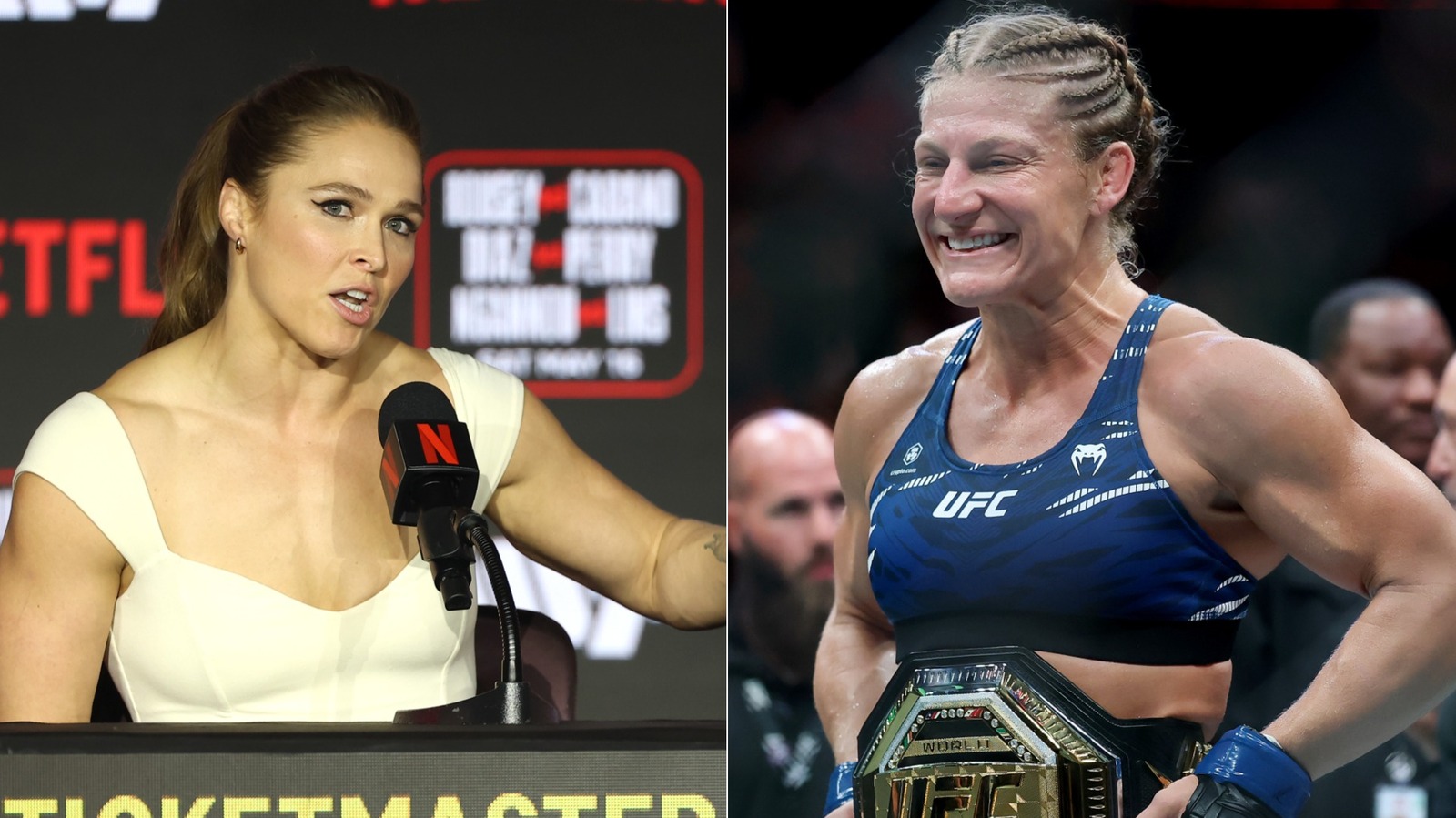
Ronda Rousey is bringing a WWE playbook to her high-stakes MMA comeback
3 months ago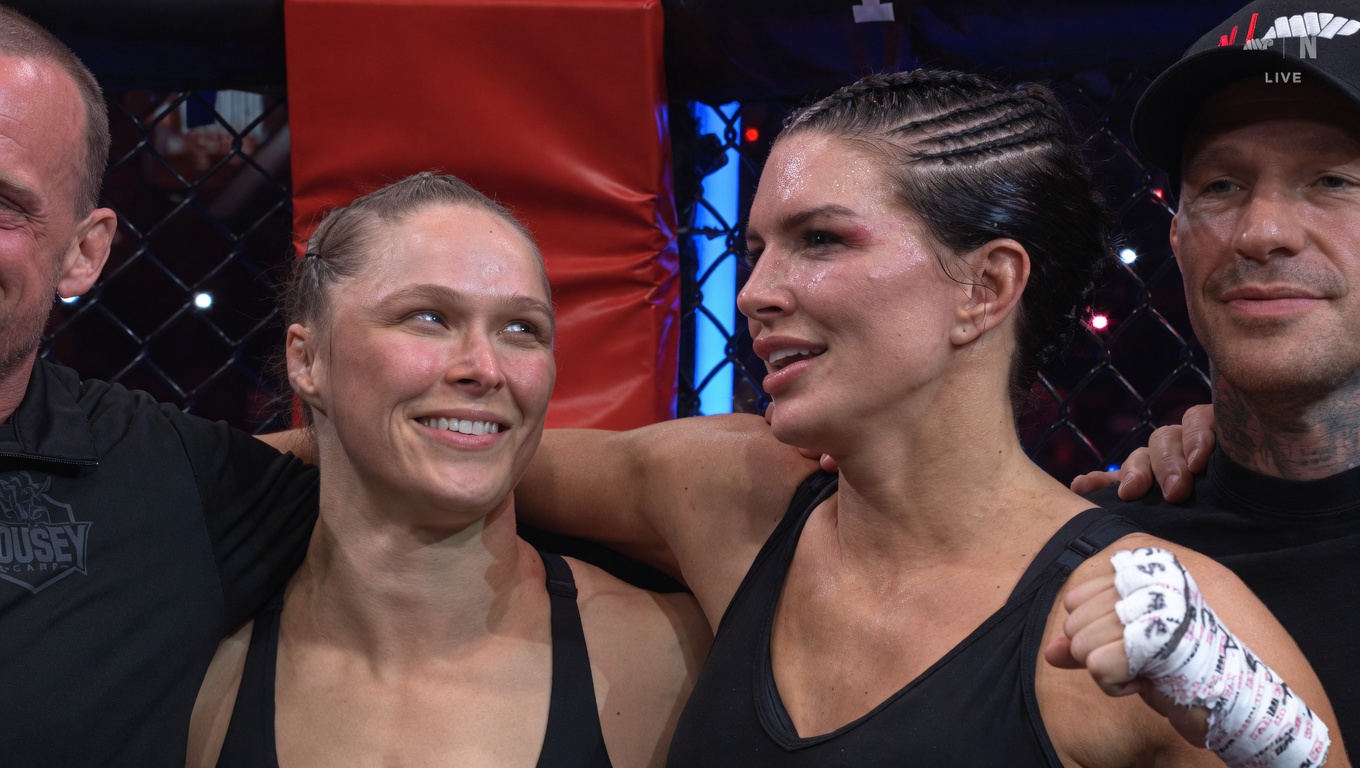
Ronda Rousey is plotting an AEW return following her Netflix cage spectacle
1 month, 4 weeks ago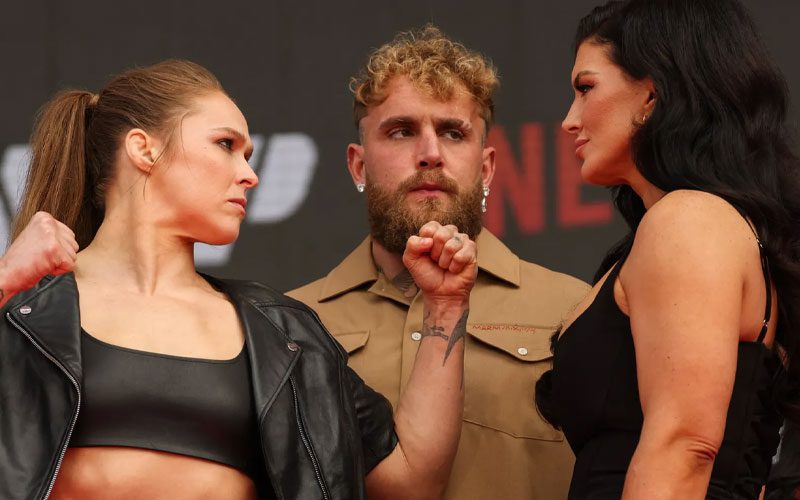
Ronda Rousey and Gina Carano are about to break the MMA internet
2 months ago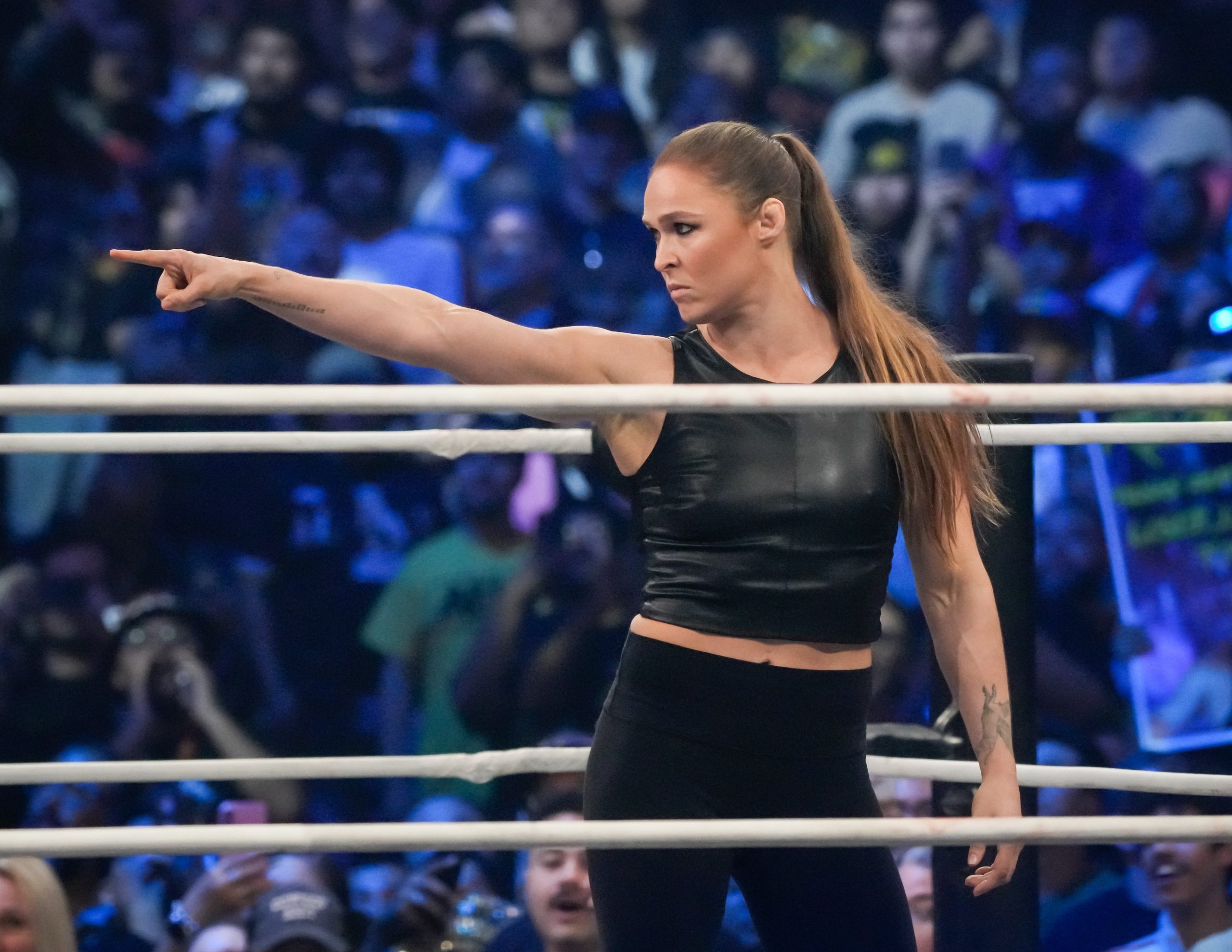
Ronda Rousey back in the mix and the internet is losing its mind
1 month, 3 weeks ago