The return of the Rowdy one
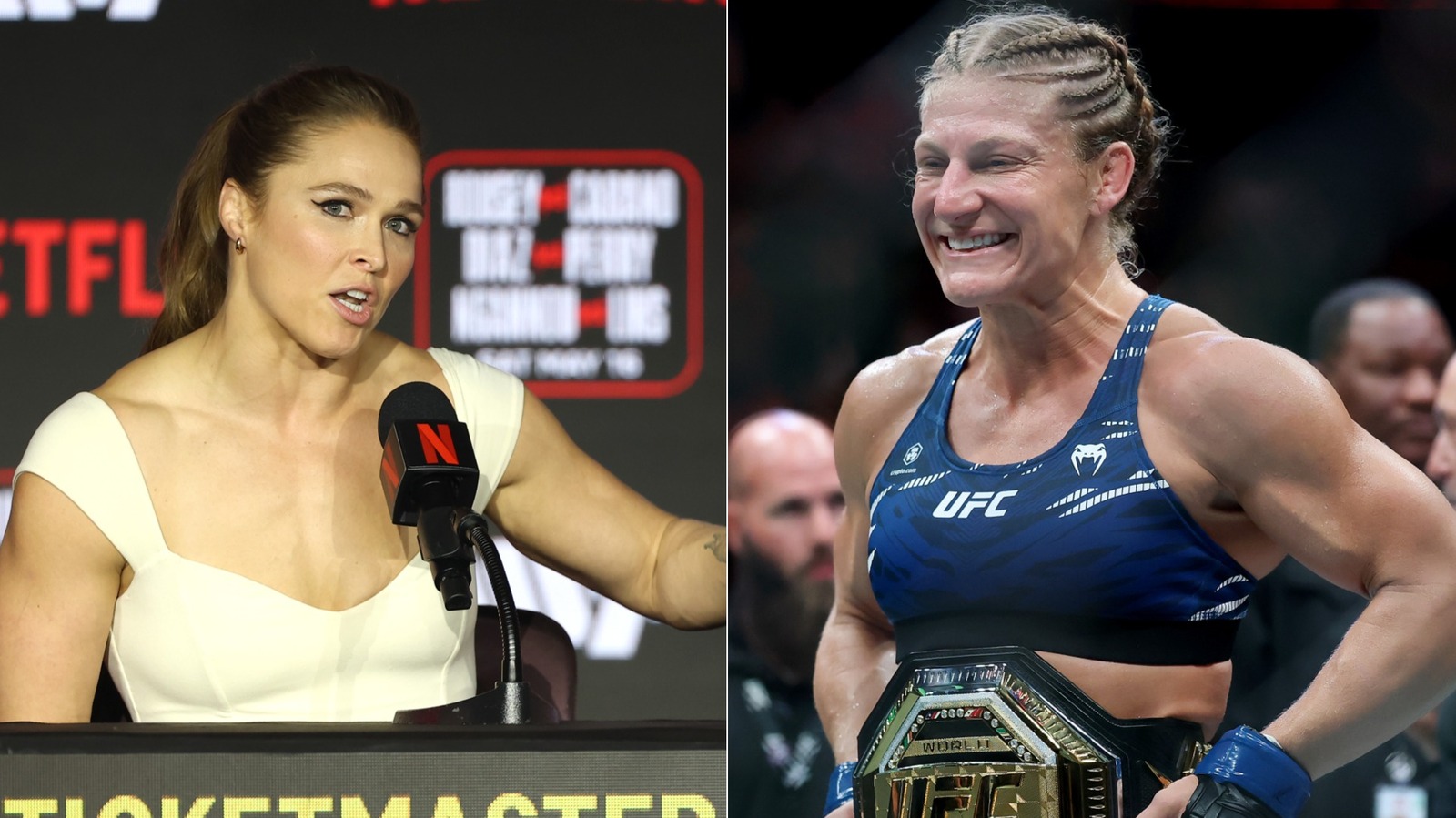
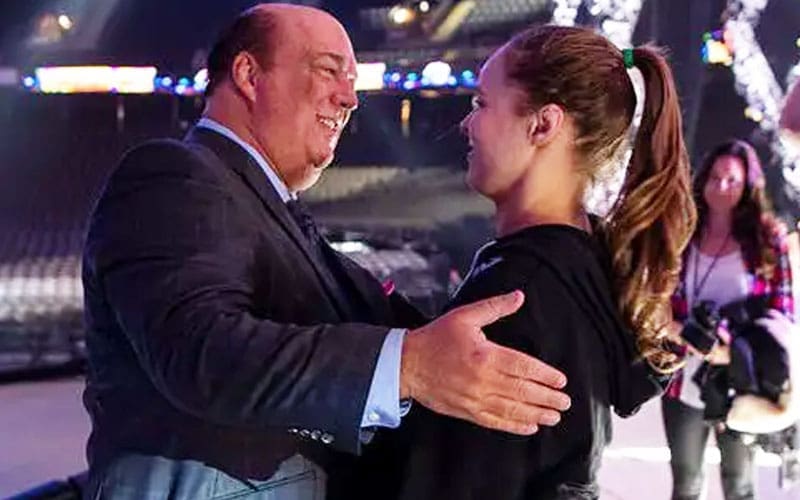
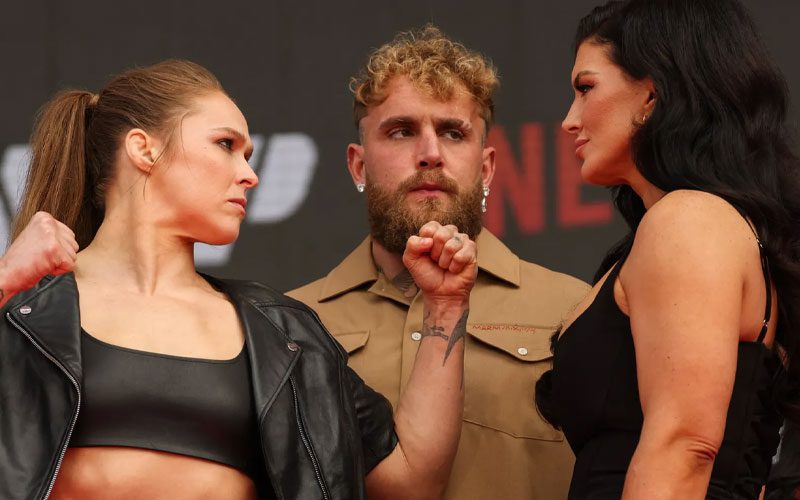
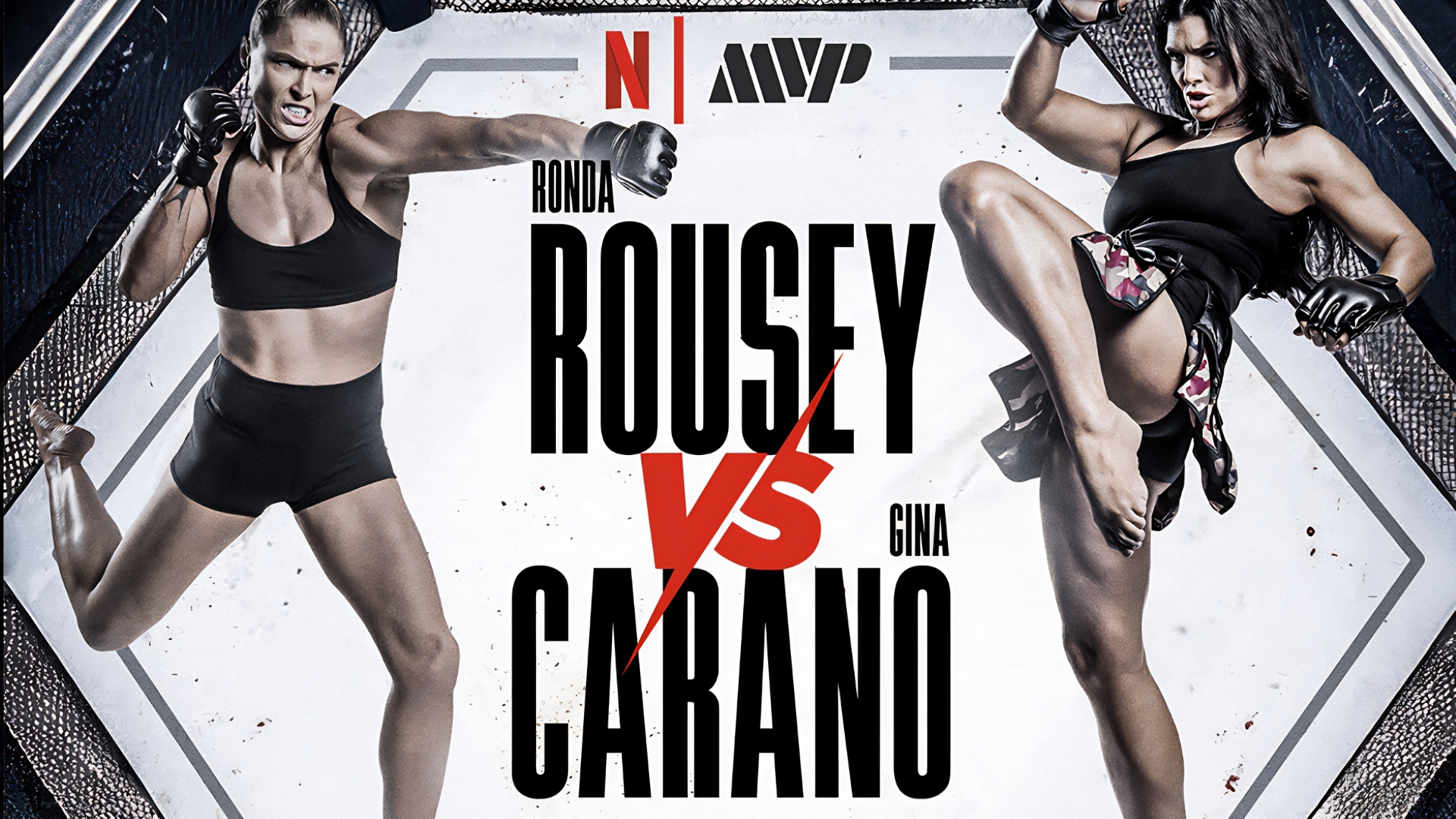
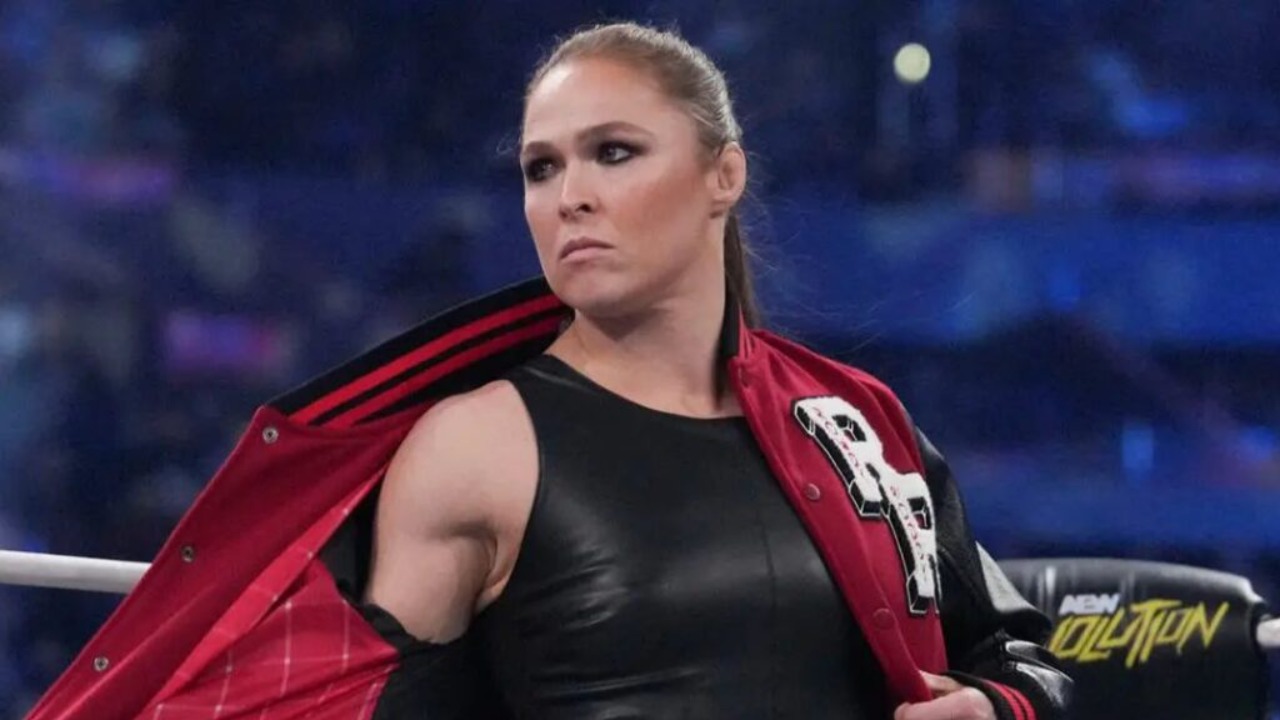
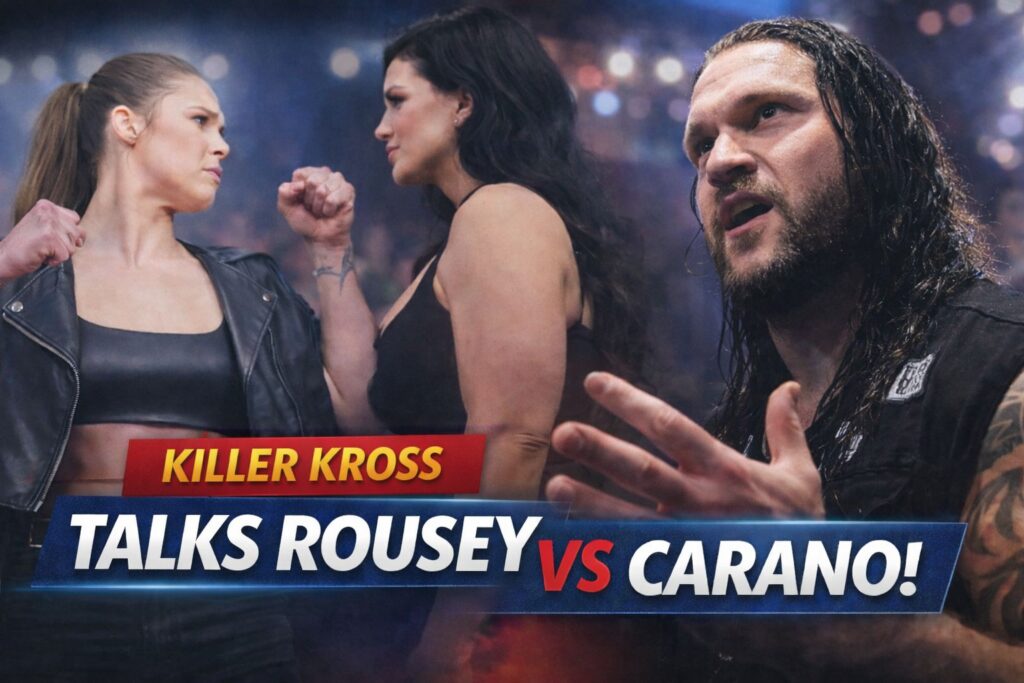
Ronda Rousey is formally stepping back into the cage. The focus has shifted from her historic WWE run—where Stephanie McMahon previously credited her for elevating the WrestleMania 34 marquee—to a high-stakes MMA clash against Gina Carano. The promotional circuit is already heating up, with a tense NYC press conference taking place yesterday, April 15.
This transition follows a period of intense speculation regarding her competitive future. While her wrestling fans might miss her presence on the card, her pivot to professional fighting represents a aggressive career decision. The intensity of the press conference made one thing clear: Rousey is ignoring the whispers about her age.
Defying the doubters
Rousey addressed the age-related critiques during the media availability. When asked if her age would serve as a disadvantage in this return to combat sports, her response was dismissive of the double standards in the sport. She notably compared her situation to fellow fighters like Jon Jones, suggesting the scrutiny is heavily gendered.
Ronda Rousey stated, "It's not like my ovaries are fighting."
The sentiment highlights a fighter who feels physically ready to compete regardless of the narrative. From a fitness perspective, the question remains whether the transition back to high-level MMA training will hold up under the explosive pressure of a modern heavy-duty bout. She is moving from the controlled chaos of the squared circle back into the brutal technicality of the octagon.
Strategic implications and industry shifts
The industry is watching the Rousey versus Carano matchup as a litmus test for crossover appeal. If this fight draws, it proves that name value holds more weight than modern divisional rankings. Former peers like Killer Kross have already publicly weighed in on the fight, signaling that the locker room is paying close attention to how she manages this pivot.
History is rarely kind to fighters who step away and return, but the comparison to peers like Jones is calculated. If she can replicate the speed she had in 2015, the narrative flips immediately. However, skepticism is warranted. Wrestling work involves different athletic conditioning than MMA, and training cycles don't always translate perfectly when moving between those environments.
The cost of the comeback
The physical toll on a former WWE main eventer is not trivial. Rousey endured a demanding schedule leading up to her WrestleMania moments, often dealing with the standard wear on joints and lower back muscles that comes from intense grappling. The shift back to MMA requires a complete reboot of her conditioning program.
We have seen this play out before with legends like Brock Lesnar. The transition isn't just about skill; it is about managing the specific impact on the soft tissue. If she goes through a full camp, she runs the risk of re-aggravating old wrestling injuries that were managed, rather than fully healed, during her WWE tenure.
The bottom line
As the NYC press conference showcased, there is genuine animosity between the camps. The sport of MMA has evolved significantly since her last fight. If she cannot match the pace of current contenders, the fight will be a disappointment. The window for her career is narrow.
She is essentially betting her legacy on one fight, rather than a sustained run. Whether this pays off or ends in a quiet exit after a 15-minute struggle will determine how the next generation of combat sports athletes views these high-profile crossovers.
Read Next
- Rousey vs. Carano: Is the Dream Match a Nightmare Waiting to Happen?
- Liv Morgan is walking into WrestleMania 41 with a lot more than just a title on the line
- Liv Morgan is heading to WrestleMania 41 with everything to lose
- Jey Uso is statistically the most magnetic force in wrestling ahead of WrestleMania 41