The collision course we all saw coming
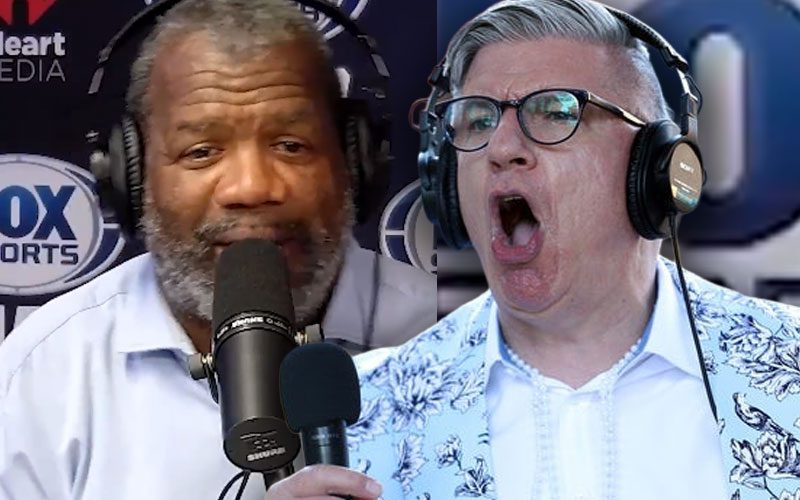
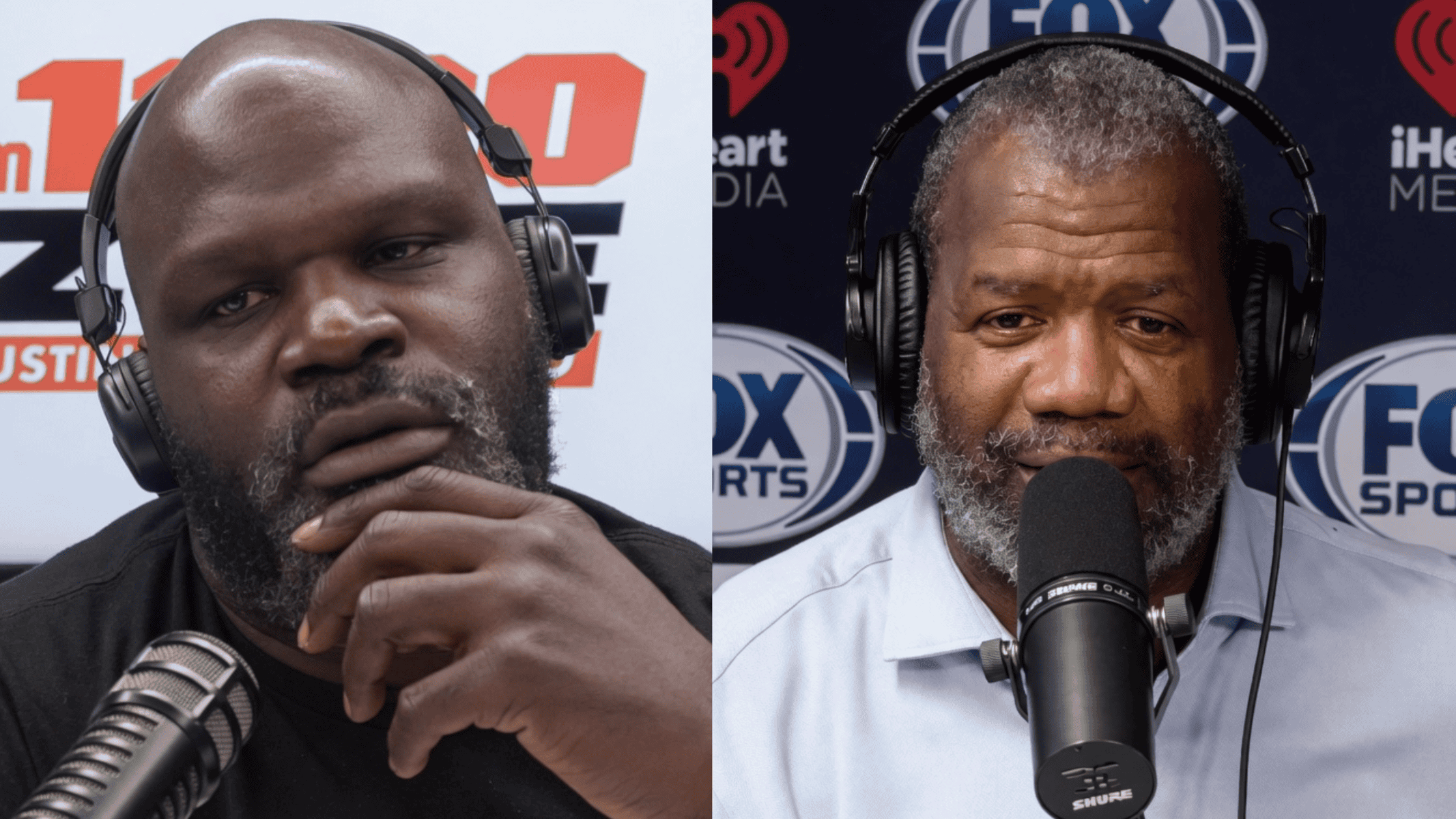
Mark Henry finally had enough. When you put a Hall of Fame super-heavyweight in the same airspace as a broadcaster who still thinks it is 1995, fireworks are the baseline expectation. FS1's Rob Parker has built a brand on being the grumpy uncle of sports media. His anti-wrestling shtick relies on the tired premise that scripted athletics somehow lack intrinsic athletic value. They view the boots and tights as a clown show, ignoring the incredible athletic output required to wrestle a twenty-minute match.
Henry confronting Parker on the air, as highlighted by WrestlingNews.co, was compelling television. It was also completely inevitable. We are watching the final days of the traditional sports media superiority complex. The old guard still looks down on the squared circle, viewing it as a sideshow that somehow snuck into the legitimate broadcast rotation.
But the numbers do not care about Rob Parker's feelings. The broadcast metrics from the last two years tell a brutal story. Live sports rights are consolidating rapidly. Wrestling has elbowed its way to the adult table. When Henry leaned into the microphone, he wasn't just defending his profession. He was reminding a dinosaur about the impending meteor.
The brutal economics of the squared circle
Let us look at the actual math. Traditional sports studio shows are bleeding viewers. A standard Tuesday afternoon hot-take panel is fighting just to maintain a 0.2 rating in the key 18-49 demographic. Meanwhile, Monday Night Raw routinely pulls a 0.60 or higher in that exact same demographic category. The demographic breakdown is even more striking when you isolate the male 18-34 subset, where wrestling routinely crushes regular-season NHL and MLB broadcasts.
Wrestling fans are tribal. They are fiercely loyal. More importantly for television executives, they watch live programming. Parker might think he is taking a principled stand for journalistic integrity. In reality, he is actively alienating one of the few remaining reliable television audiences.
The networks know this. Fox paid $205 million annually for SmackDown before it moved. Netflix just disrupted the entire streaming market by bringing WWE into its live programming fold. Warner Bros. Discovery continues to anchor its Wednesday nights around AEW Dynamite. You do not hand over nine-figure checks for a carnival act.
This is where the friction originates. You have network executives desperately trying to monetize the wrestling audience. Then you have legacy broadcasters like Parker actively insulting that same audience on the air. The math simply does not work.
Why the old guard is terrified
There is a deep-seated insecurity among traditional sports pundits. Their entire existence relies on analyzing unscripted outcomes. When a scripted product generates more social media engagement than a regular-season NBA game on a Thursday night, it threatens their relevance. Parker's hostility is not really about wrestling being fake. It is about wrestling being more entertaining than his analysis.
The traditional desk format—three guys in suits yelling about quarterback ratings—is stale. Wrestling offers a chaotic, unpredictable energy that traditional formats desperately need to manufacture. Look at Pat McAfee. He seamlessly transitions from calling a college football game to leaping off the top rope. He understands the modern media diet. The modern fan does not care if the finish is predetermined. They care about the performance, the athleticism, and the spectacle.
When someone like Parker tries to dunk on wrestling, it just highlights how out of touch they are. It is the equivalent of complaining that movies use special effects. We know. Nobody is tuning into WrestleMania thinking it is a legitimate shoot fight. We tune in for the drama.
The desperate need for validation
This situation also highlights a glaring weakness within the wrestling industry. For all their financial success, wrestling personalities are still cripplingly desperate for mainstream validation. Mark Henry should not even care what Rob Parker thinks.
Why do wrestlers constantly take the bait? The industry generates billions of dollars. WWE and AEW sell out massive stadiums globally. Yet, the moment a talking head calls the sport fake, they get immediately defensive. It is a lingering inferiority complex. The insecurity is fascinating to watch. Every time a major outlet runs a negative piece, the entire wrestling community mobilizes to attack the author on social media.
Henry engaging with Parker validates Parker's take. It gives oxygen to an argument that should have died thirty years ago. If the wrestling industry truly believed in its own dominance, they would just laugh at the critics. Instead, they feel compelled to argue the point on national radio.
This defensive posture hurts the product. It makes the massive wrestling industry look small and petty. You do not see Marvel executives arguing with film critics who claim superhero movies are not real cinema. They just count their box office receipts. Wrestling desperately needs to adopt the same mentality.
The inevitable convergence
The walls between real sports and sports entertainment have already collapsed. ESPN covers WWE premium live events like they cover UFC cards. Bleacher Report has dedicated wrestling feeds that generate more clicks than their mid-market NFL team coverage. The integration is complete. The holdouts like Parker are fighting a war that ended five years ago.
We are seeing this play out in real time. Networks are demanding cross-promotion across all their properties. They want their traditional sports analysts to hype up the upcoming big matches. The broadcasters who refuse to play ball are going to find themselves slowly pushed off the main desk.
This brings us to the ultimate outcome of these clashes. Networks are not going to tolerate personalities who alienate a core demographic. If you are a broadcaster and your network is paying hundreds of millions for wrestling rights, you do not insult the product on the air. It is career suicide.
The ultimate heel turn prediction
Here is exactly what happens next. The tension between the old-school pundits and the wrestling industry is going to be monetized. We are not just going to see more arguments on sports debate shows. We are going to see a complete on-screen integration.
Within the next twelve months, a major traditional sports analyst will be physically involved in a wrestling match. Not as a celebrity guest host holding a microphone. Not as a special timekeeper ringing a bell. They will take a bump. I predict Rob Parker himself will step into a wrestling ring by the end of 2026.
Think about the mechanics of the heat he is generating right now. In the professional wrestling business, true heel heat is the most valuable currency available. Parker has organic, legitimate heat with a massive, highly engaged fanbase. He has spent years building this persona of the ultimate wrestling hater. Now, it is time to cash in on that equity. A smart promoter is going to write him a check to bring that heat to television.
It will likely happen on an AEW broadcast. They have a history of bringing in sports personalities, and AEW president Tony Khan has never been shy about paying for outside media attention. Imagine the rating for a segment where Mark Henry finally hits the World's Strongest Slam on Rob Parker through a wooden table. It is guaranteed television gold.
Parker will complain about the indignity of it all on his podcast. He will claim he is doing it to expose the business from the inside. But he will cash the check. The lines will blur even further, and the traditional sports media will have officially surrendered to the wrestling carnival.