The Thursday morning ritual is built on a lie
Every week, like clockwork, thousands of supposedly grown adults gather on the internet to argue about a metric they do not actually understand. If you have spent more than ten minutes on wrestling Twitter or any message board over the last five years, you know exactly what I am talking about. The television ratings thread. It is our sport's most toxic and persistent weekly ritual.
Back in the late nineties, Eric Bischoff and Vince McMahon fought a billionaire's war over the 5.0 and 6.0 television ratings. That made sense. It was a massive cultural phenomenon. Fast forward to 2026, and we have anonymous accounts with Roman Reigns profile pictures arguing with anonymous accounts with Will Ospreay profile pictures over a fluctuation of forty thousand viewers in the 18-49 demographic. It is exhausting. It is stupid. And according to the latest industry data, it is also based on entirely flawed numbers.
The recent revelation that Nielsen ratings have been actively underestimating traditional television viewership while simultaneously overestimating streaming numbers should be a wake-up call. It probably will not be, because tribalism is a hell of a drug, but it should be. For years, we have been told that cable television is a dying wasteland. We were told that anyone still watching a broadcast network was essentially a dinosaur waiting for the meteor.
This narrative has driven the wrestling discourse into a ditch. When AEW Dynamite numbers dipped below that mythical million-viewer mark, the takes were apocalyptic. The death knell was ringing. Tony Khan had lost his touch, The Elite had killed the business, and everyone was moving to streaming. But if traditional TV viewership has been undercounted this whole time, the entire baseline of that argument completely collapses.
The black box of streaming numbers
Let us talk about the other side of this coin. Streaming viewership being overestimated is the real scandal here. When WWE moved Raw to Netflix at the start of 2025, the industry treated it like the final evolution of wrestling distribution. We spent all of last year hearing vague, internally reported metrics about how many millions of households were tuning in to watch Cody Rhodes cut the exact same promo every Monday night.
Here is the problem with streaming numbers. They are graded on a curve written by the streaming platforms themselves. Traditional television had Nielsen. Yes, Nielsen is a flawed, archaic system that relies on a terrifyingly small sample size of households keeping a diary or plugging a box into their wall. But at least it was an independent third party. Netflix, Amazon, and Peacock grade their own homework.
They release padded metrics masquerading as hard data. If I accidentally leave the Netflix app open while my dog barks at the mailman, does that count as a viewer for the third hour of Raw? The new data suggests that the internal algorithms projecting these streaming numbers have been incredibly generous. They have been inflating the impact of streaming while the legacy television model quietly retained a much larger audience than anyone wanted to admit.
This matters for the actual wrestling we watch. Television executives use these numbers to justify massive rights fees. Promoters use these numbers to justify their creative decisions. If you think Triple H and the WWE creative team are not looking at Netflix engagement metrics when they decide to stretch the Bloodline story into its fourth straight WrestleMania, you are kidding yourself.
WrestleMania 41 is exactly twenty days away in Las Vegas. We are getting John Cena's farewell tour and CM Punk in a massive spot. The hype is real. But the creative build on television has often felt like it was designed for an algorithm rather than a live crowd. WWE has optimized their product for streaming retention. They produce long, drawn-out video packages and cyclical dialogue meant to keep you from clicking away to a true crime documentary.
The cable narrative was a lie
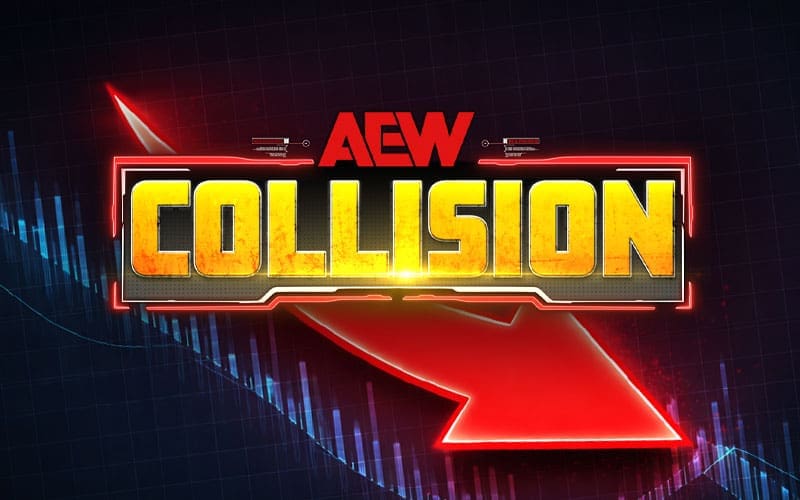
Meanwhile, over on TBS and TNT, AEW has been fighting a perception war that they were seemingly rigged to lose. If Nielsen has been shortchanging traditional cable viewership, then the narrative surrounding AEW's television performance is completely skewed. The constant drumbeat of declining viewership might just be a failure of the measurement tool, not the television show.
That does not let Tony Khan off the hook for his actual booking mistakes. You cannot blame a faulty Nielsen box for a cold main event scene. You cannot blame measurement errors for the fact that the midcard often feels like a random assortment of high-workrate matches with zero emotional stakes. AEW has severe pacing issues. They frequently cool off white-hot talent because they refuse to pivot from long-term plans that have already expired.
But the business side of the argument? The idea that they are failing as a television property? That is where this new data blows a hole in the critics' favorite talking points. If cable is holding stronger than reported, then a show consistently ranking in the top three on Wednesday nights is a massive success. The goalposts were moved by an industry obsessed with the tech sector, and the reality of consumer habits was left behind.
We are living in an era where everyone wants to declare a winner and a loser every single Thursday morning. We treat television ratings like a box score. But a wrestling promotion is not a sports team. A television rating is not a final score. It is a wildly imprecise estimate of human behavior, filtered through a corporate monopoly that is currently admitting they got the math wrong.
Stop watching the spreadsheet
Wrestling fans need to let this go. The tribalism over the demo has ruined how a massive portion of the audience consumes the product. People are literally cheering for television networks instead of wrestlers. We have fans celebrating a 0.02 bump in a specific quarter-hour like their favorite team just won the Super Bowl.
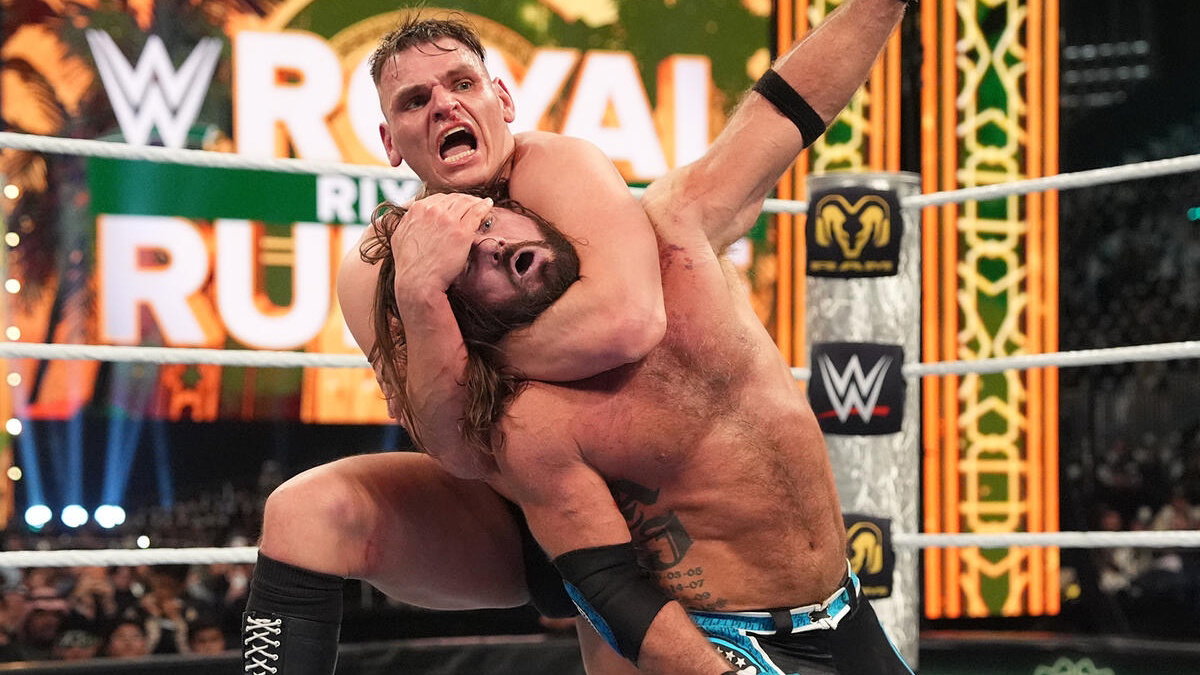
It is completely detached from the joy of the art form. When Will Ospreay hits a ridiculous sequence, my first thought should not be whether or not it retained the audience from the lead-in program. When Gunther chops a man so hard his chest turns purple, I do not care what a household in Ohio with a Nielsen box thought about it. I care that it ruled.
The next time you see a spreadsheet posted on a Thursday afternoon, take a deep breath. Scroll past it. The numbers are flawed. The system is broken. The streaming platforms are lying to you, and the legacy ratings are undercounting your peers. None of it actually matters to what happens between the ropes.
AEW Dynasty is literally tonight in Kansas City. WrestleMania is right around the corner. We have an absurd amount of high-level professional wrestling happening right in front of us. Stop worrying about the phantom viewers. Watch the matches. Complain about the booking. Argue about the finishes. But for the love of everything, stop acting like you are an advertising executive for the USA Network. They do not care about you, and their numbers are wrong anyway.