The end of an era in Stamford
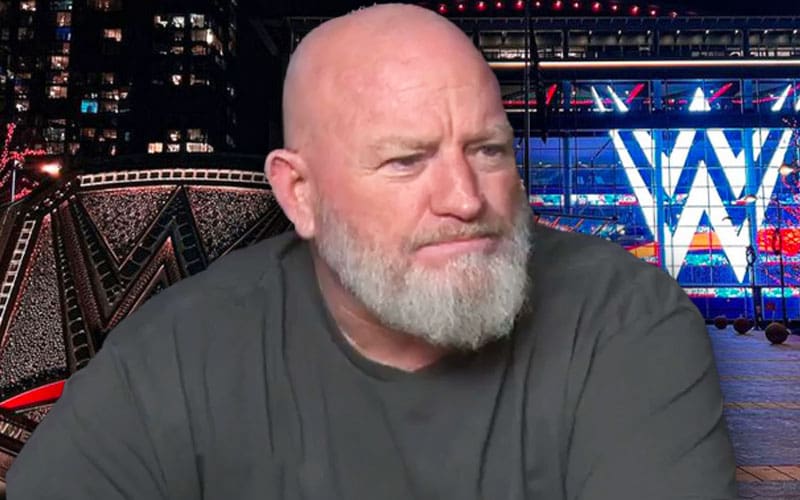
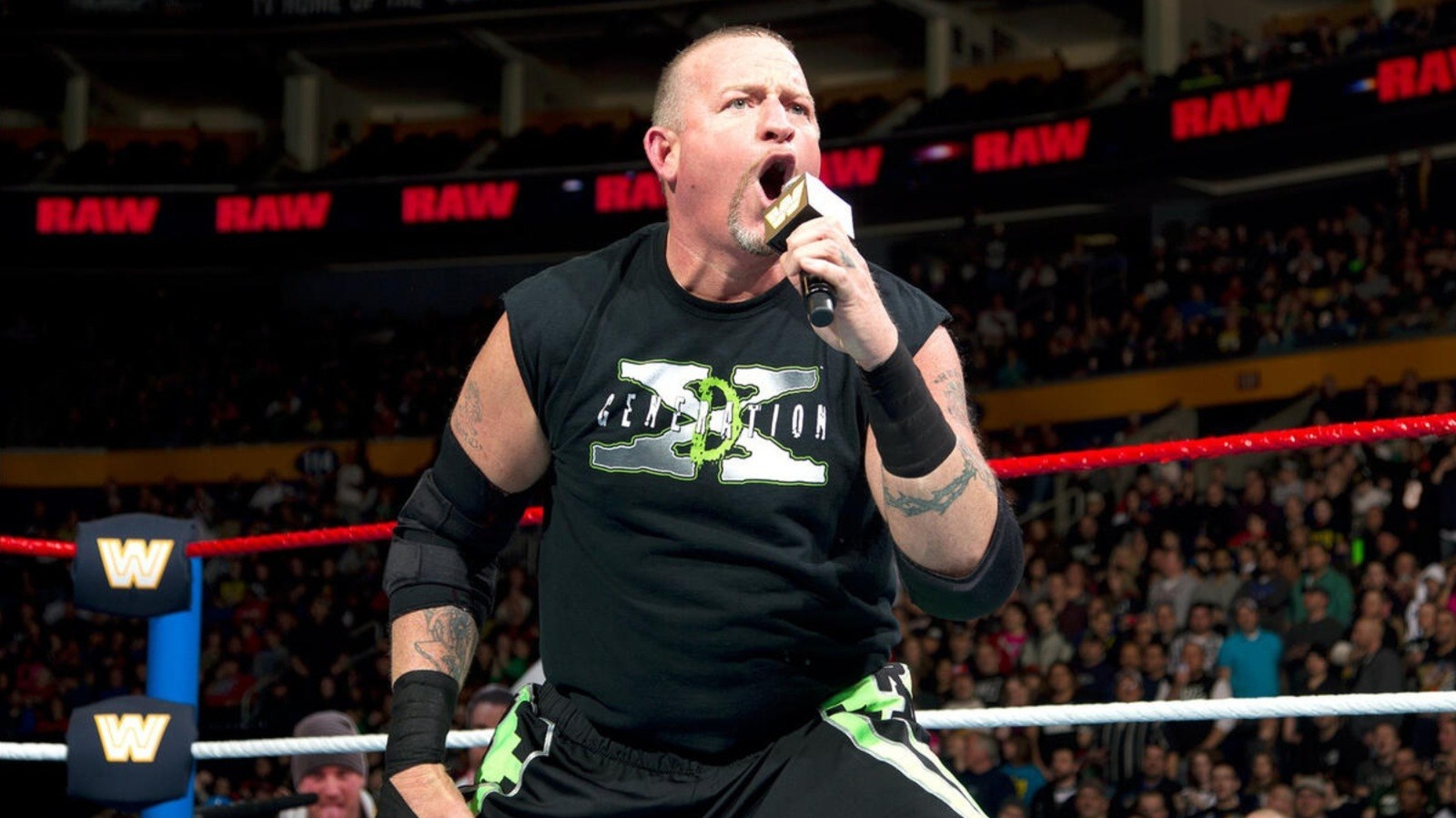
Brian James, better known to fans as Road Dogg, has finally provided clarity on his sudden exit from WWE. After years as a staple of the backstage creative process and talent development, James walked away citing a pace that became unsustainable. The announcement arrived just weeks before the promotion prepares to stage WrestleMania 41 in Philadelphia.
James held multiple roles within the company, ranging from producer to NXT creative lead. His influence on the developmental brand was significant during its peak years. However, the relentless grind of the modern WWE schedule appears to have taken a toll on the Hall of Famer.
Why the exit felt inevitable
In a series of candid comments, James pointed directly to the velocity of the WWE machine. "It was just moving too fast for me," he stated, according to recent reports. This admission touches on the burnout that frequently plagues long-term employees in a high-pressure, 52-week-a-year television cycle.
"It was just moving too fast for me."
The comment speaks volumes about the current creative environment. While the company is hitting record numbers, the human cost of these operations remains a point of scrutiny. For someone like James, who has seen the company evolve from the Attitude Era to the current era of heavy content volume, the shift toward a 24/7 production cycle seemingly rendered his role untenable.
There is a glaring issue here: the transition from an active, hands-on role to a corporate grind has clearly soured the experience for many long-term veterans. WWE is losing institutional knowledge during a period where product consistency is at a premium. If a veteran of his stature cannot cope with the velocity of operations, it raises questions about how the younger creative staff is faring under similar expectations.
The Gunn reunion and the road ahead
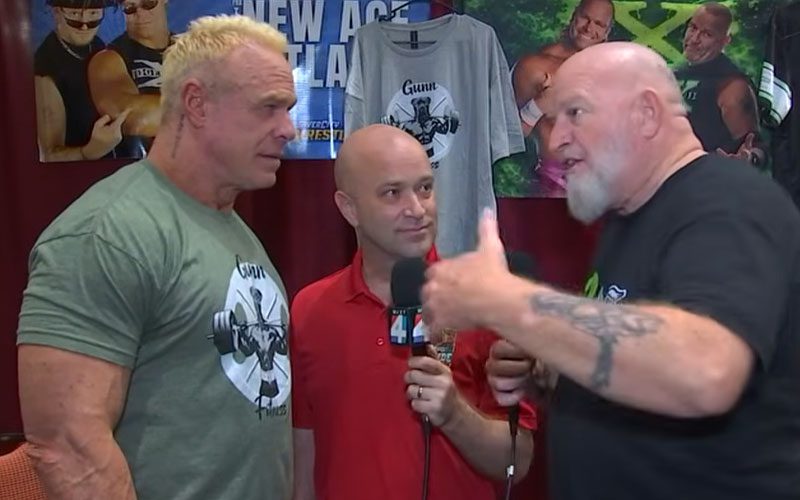
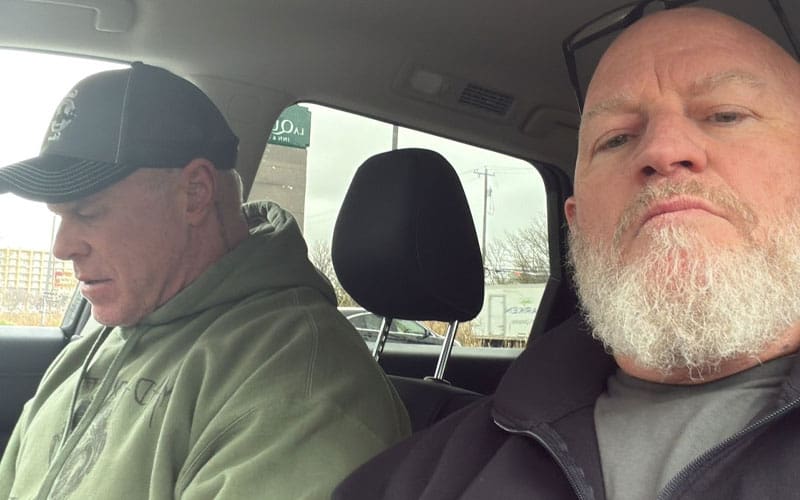
Barely days after confirming his departure, Road Dogg has already pivoted back to familiar ground. He has officially reunited with Billy Gunn, his former tag team partner and stablemate in the New Age Outlaws. This move has predictably lit up social media, with fans speculating on whether they might appear at independent signings or perhaps a one-off reunion event.
The quick alignment with Gunn suggests James has a clear plan for his post-WWE life. Instead of lingering in the corporate sphere, he is looking for avenues that offer autonomy. This strategy is common for veterans who leave the Stamford offices feeling burnt out by the machine.
Despite the nostalgia, this move leaves a void in the NXT developmental system. James was instrumental in shaping the character work of several current roster members, and his absence will be felt when the training facility loses a veteran perspective. Booking mistakes have been increasingly frequent regarding newer call-ups, and James was often the one keeping the ship steady when storylines felt thin.
Strategic analysis of the fallout
The timing of this departure is certainly peculiar given the proximity to WrestleMania 41. Usually, internal departures are frozen or managed until after the biggest shows of the year. That he chose mid-April to finalize this suggests the decision was personal and overdue.
While the reunion with Gunn is a fun headline for the wrestling community, it does not solve the underlying issue of talent retention in the backstage offices. WWE has spent considerable effort trying to modernize their creative flow, but the byproduct appears to be a loss of the very people who built the company's identity. If this leads to a trend of veteran departures, the company will face a massive challenge in maintaining the classic wrestling psychology he brought to the table.
Critical observers will note that his tenure as a producer was often criticized for failing to push fresh talent forward, favoring long-standing connections instead. While his exit is a loss for the company in terms of experience, some critics might point out that fresh blood could actually benefit the creative direction of developmental storylines. Change is rarely comfortable, but it is often necessary for growth.
As of April 04, 2026, no formal replacement for his specific creative duties has been announced. The company is currently fixated on internal logistics for Night 1 on April 19. Whether Road Dogg makes a public appearance in the coming months remains purely speculative. For now, the story is about the exhaustion inherent in the wrestling industry and the search for a slower, more manageable pace of life. His departure proves that even the most loyal veterans have a breaking point when the treadmill of production speeds up indefinitely.