The New Chapter for Brian James
Life after WWE is rarely a quiet transition for industry legends, but Brian James, known to the world as Road Dogg, is navigating his post-corporate reality with a distinct lack of ego. Following his exit from the Stamford-based promotion, James has recalibrated his professional trajectory. He is stepping out of the rigid confines of the backstage producer role and leaning into a more relaxed public presence.
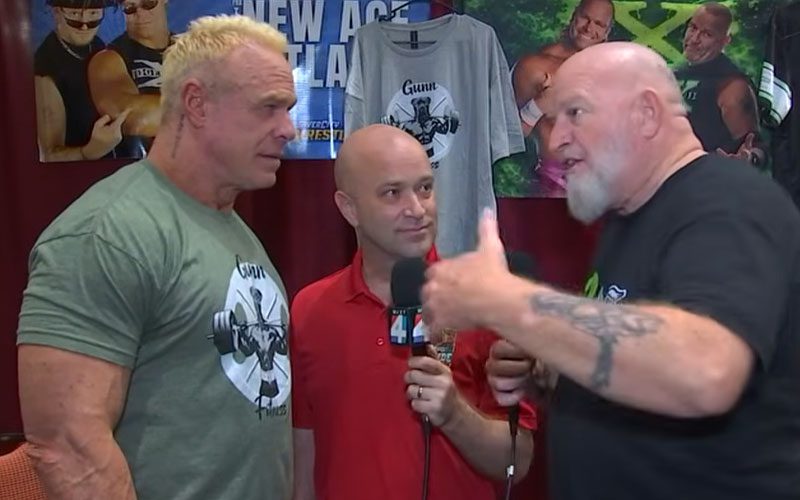
This shift isn't about fading into obscurity. It is about capitalizing on a decade-plus history of character work. By publicly reuniting with long-time DX stablemate and tag-team partner Billy Gunn, James is essentially returning to the brand of nostalgia that moved thousands of units of merchandise throughout the 1990s and early 2000s.
Defining the D-Generation X Legacy
The relationship between James and Gunn remains the bedrock of their marketability. Even as the business evolves toward modern aesthetics, the appetite for the Attitude Era icons hasn't vanished. James recently acknowledged the dynamic of their post-WWE partnership, specifically poking fun at his own reliance on the momentum of his partner.
I am just riding Billy Gunn’s coattails, that is all I am doing.
The comment, reported via Ringside News, cuts through the typical industry posturing. Most wrestlers exiting massive organizations attempt to re-brand as serious pundits or podcast moguls. James is opting for honesty, admitting that the combined value of a DX reunion far outweighs his individual standing as a former WWE executive and talent scout.
Industry Impact of the Independent Pivot
What does this mean for the current wrestling economy? It highlights a persistent trend: legacy acts are reclaiming their autonomy. By opting for independent appearances and convention circuits, talent who previously spent years in restrictive contracts are realizing that their own brand equity is more valuable than a company-mandated project. This shift signals a departure from the mid-2010s where retiring wrestlers were often absorbed completely into the coaching staff.
James’ transition is not without its risks. The reliance on legacy nostalgia can often lead to diminishing returns if the performances don't match the memories. While he has joked about the nature of his current path, the reality is that the physical toll on his body, after years of heavy bumps against the likes of the Hardy Boyz and the Dudley Boyz, complicates any long-term in-ring aspirations. He is smart enough to know his limits.
The Reality of Professional Life Post-WWE
James holds a unique position. Having seen the internal mechanics of WWE leadership, he is privy to the exact booking philosophies he is now working around. His move to join Gunn is not merely about cashing checks; it is a defensive strategy to maintain relevancy without needing the backing of a major promotion. It is a calculated move that mirrors the post-career strategies of several former stars who have traded backstage heat for touring popularity.
Critically, one has to ask if this nostalgia act has a shelf life. Fan interest in specific tag teams from 25 years ago is finite. While the merchandise sales remain steady, the lack of new creative input means James and Gunn are essentially acting as human museum exhibits. If they fail to infuse their current work with fresh character beats, even the most loyal fan base will eventually move on to the next generation of performers.
Nevertheless, the willingness to embrace the "coattail-riding" narrative shows a level of self-awareness rarely seen in locker rooms. In an industry where people fight to inflate their resumes, being the first to laugh at one's own standing is a rare survival skill. James understands that the product is the friendship itself, and he is playing that hand until the cards no longer turn over.
As of July 09, 2026, James remains a fixture on the independent circuit. His outlook suggests a focus on maximizing his remaining years of commercial viability while keeping the schedule light. The move is a reminder that in 2026, the biggest stars no longer need an office to stay employed. They just need a microphone, a partner, and a willingness to sell the history that brought them to the dance in the first place.