The backstage reality check before WrestleMania 41
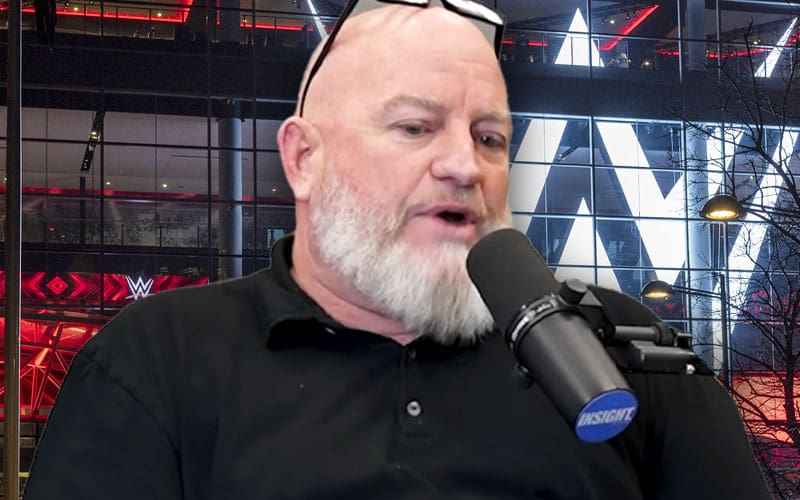
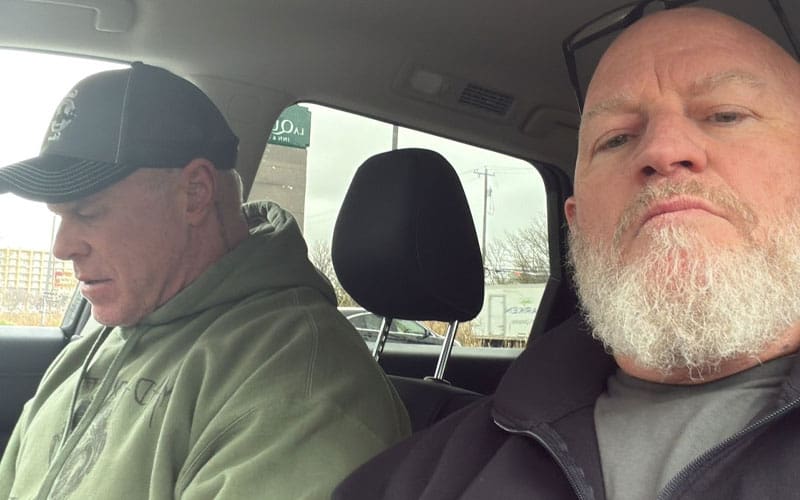
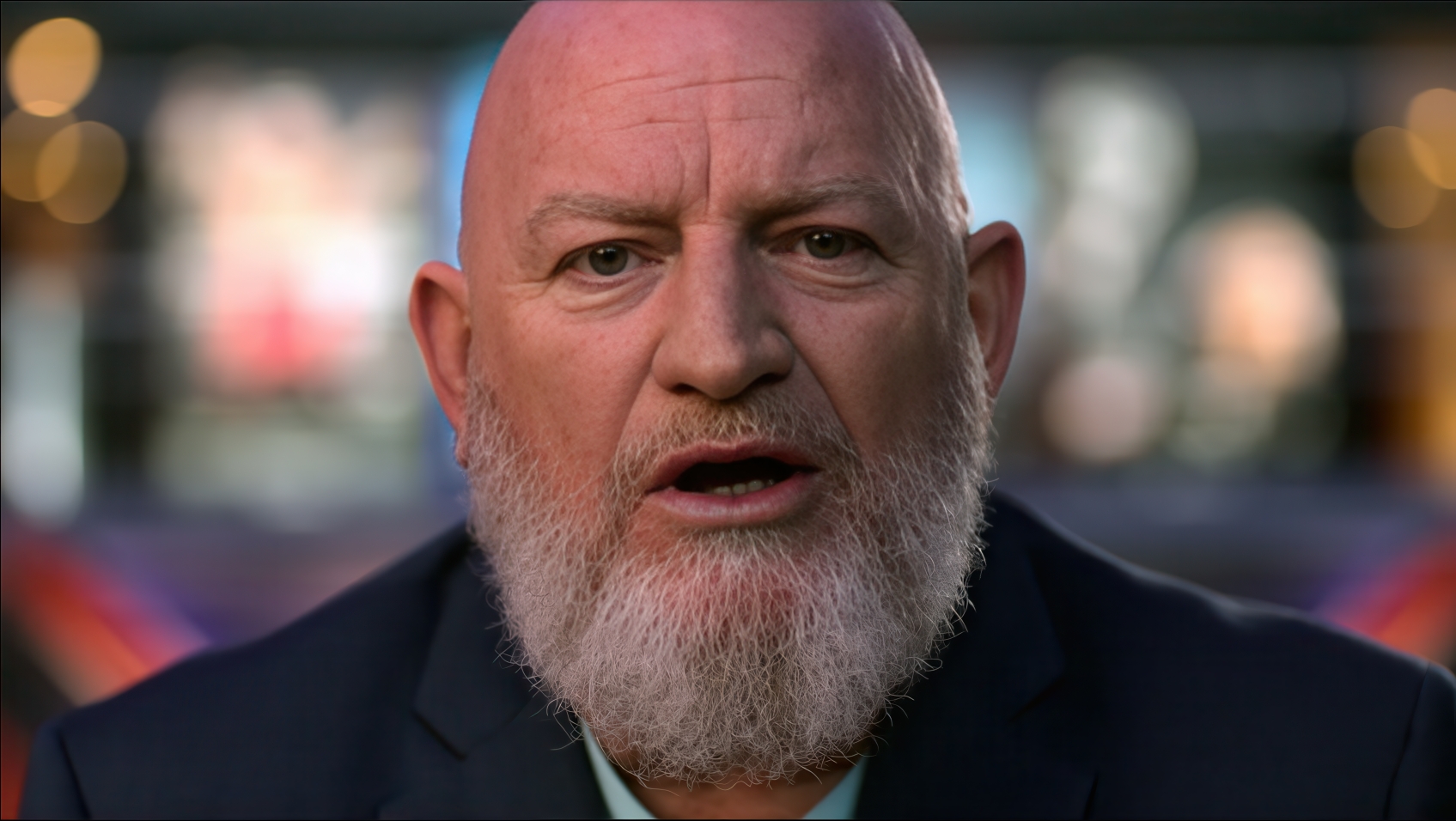
As the Road Dogg departure saga continues to serve as a cautionary tale for veteran producers, the conversation surrounding WWE creative roles has hit a fever pitch. Brian James recently peeled back the layers on his exit from the company, citing a lack of direction that left him feeling like a ghost on the payroll. Sitting in a chair for a check without a clear creative purpose is a death knell for someone who lived the lifestyle.
James emphasized that the friction wasn't just about scheduling or creative differences; it was a fundamental disconnect in value. He noted that despite holding a lengthy tenure, the feeling of being sidelined became impossible to ignore. For a company undergoing massive shifts in its WrestleMania 41 roster management, keeping legacy voices engaged is clearly not a priority.
I was done a little wrong, and I feel like I was receiving a paycheck and I didn’t have any purpose.
The sentiment highlights a recurring issue in Stamford: the struggle to integrate former talent into administrative roles. When the office becomes a holding pen, top-tier minds often walk out the door. It is a management failure that stunts institutional knowledge, forcing younger, less experienced hands into spots they aren't fully equipped to manage.
CM Punk rejects the office life
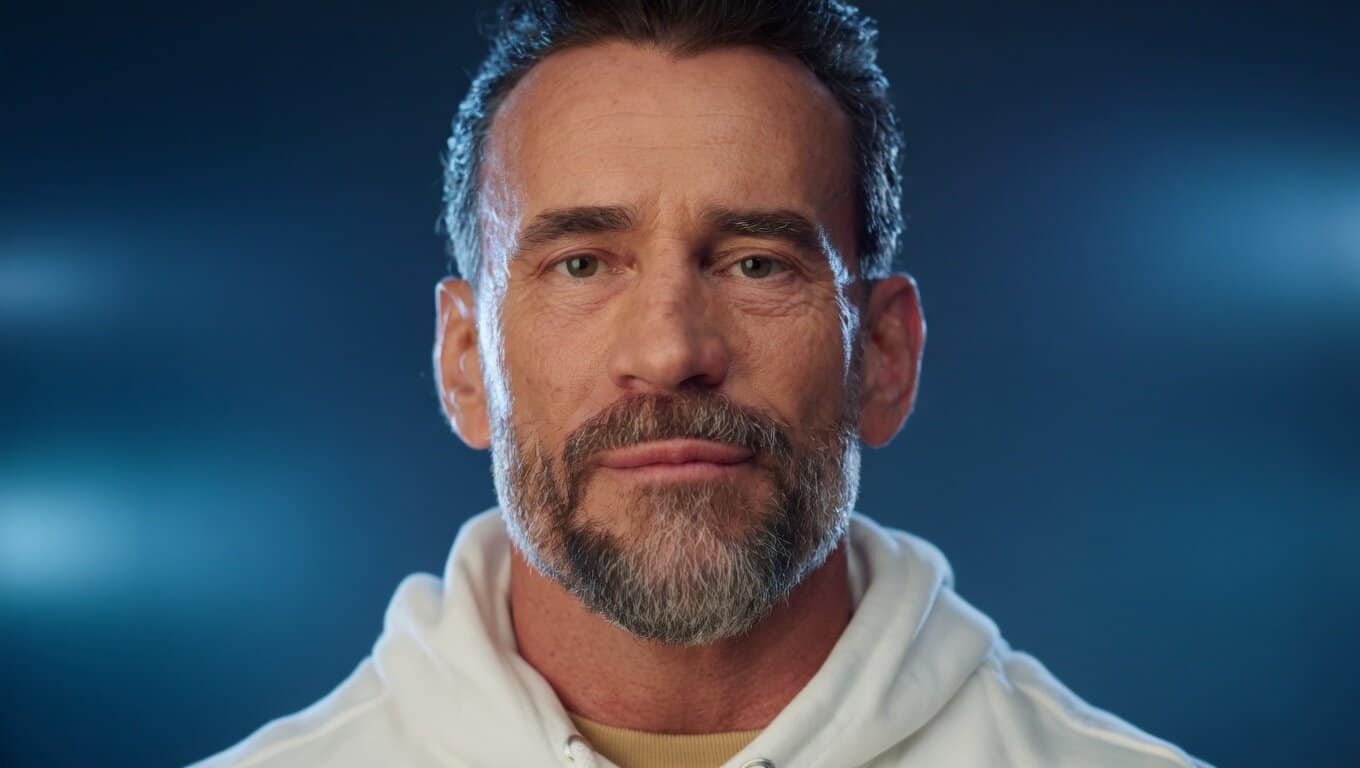
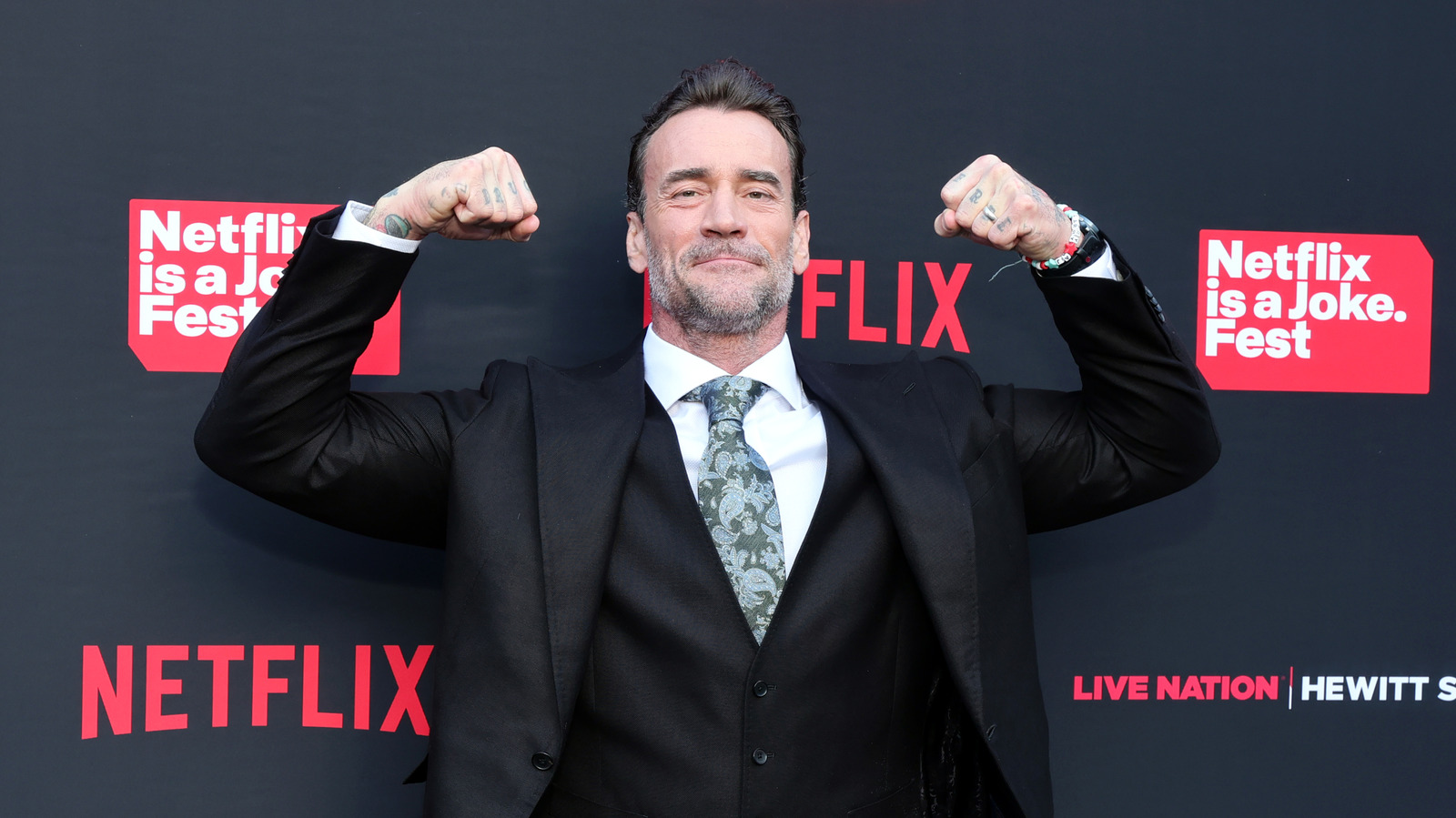
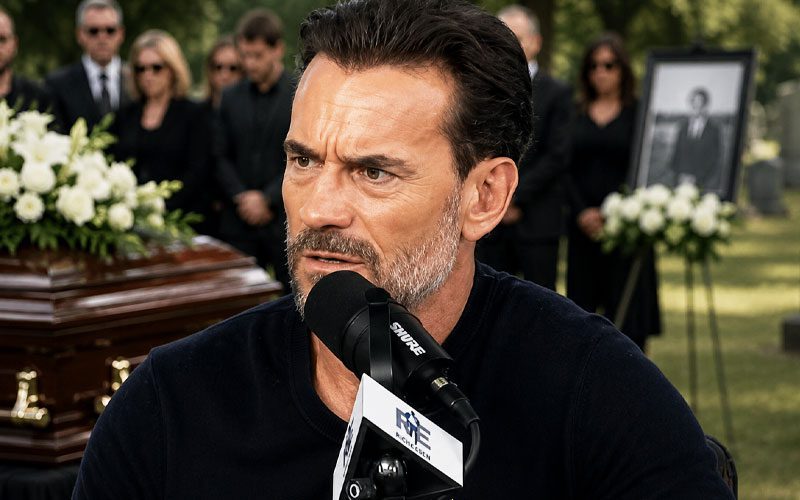
While veterans like James are pushing back against aimless roles, CM Punk is preemptively closing the door on a future in the WWE front office. In recent comments, Punk confirmed that his post-wrestling career path will not involve a desk job or a headset in the production truck. He views the rigidity of corporate structures as a direct antithesis to his creative process.
Punk has made his position clear: he is here to perform, not to manage. This stance prevents the standard "transition to coach" arc that defines most WWE exits, effectively signaling that his current run is his final act in the industry. For a locker room currently navigating physical limitations, having a star who refuses to be anything other than a performer is a polarizing reality.
CM Punk isn’t mapping out a cushy transition into a backstage power role once his in-ring career winds down.
Critics would argue that this mindset limits the company's ability to develop new talent. If the biggest stars refuse to mentor, the knowledge gap between the current generation and established legends only widens. However, Punk's recent effort to boost others proves he is not entirely opposed to lifting the next generation, specifically regarding Danhausen.
The "Pipe Bomb 2.0" and backstage tension
Punk's unpredictable nature remains his most volatile asset. He recently revealed that his latest high-profile promo was not fully vetted by the powers that be. According to the performer, WWE was not fully in the loop on the content of his address, marking a return to the off-script chaos of his 2011 era. Relying on surprise to drive audience engagement is a high-wire act that keeps the front office on edge.
This lack of script control is a double-edged sword. While it generates legitimate buzz and fuels social media discourse, it creates a lack of accountability in the product's narrative direction. The industry is currently witnessing a push-pull conflict: the need for organic, viral moments against the cold reality of pre-planned, tightly managed broadcast requirements.
Diplomacy in the locker room
Not everything is friction. A surprising shift in interpersonal dynamics occurred this weekend at the WWE Hall of Fame ceremony. CM Punk and Kevin Nash, two men who have traded barbs and harbored mutual disdain for the better part of a decade, were seen embracing backstage.
This truce between one of the most stubborn critics of the company and a fixture of the old guard suggests that the common goal of a successful WrestleMania weekend may have softened long-standing grievances. It is a rare moment of unity in a promotion that thrives on constant, high-stakes competition. For an observer, it remains frustrating to see this level of professional respect reserved for a photo op rather than a sustained effort in the writing room.
The cost of disconnected talent
The contrast between Road Dogg’s feeling of uselessness and Punk’s active rejection of corporate oversight exposes a significant flaw in current operations. The company is failing to keep its best assets feeling integrated, and they are struggling to keep its current stars within a unified vision. When veteran staff feel like they are collecting paychecks for no reason, the entire machine begins to lose its focus.
Management needs to bridge this gap before the creative output becomes too fractured to follow. If the top talent is working in a siloed environment, the cohesiveness of the show suffers. A company that cannot make its legends feel utilized is a company that is destined to rely on individual performances rather than a collective, coherent narrative. As Punk noted regarding Danhausen, finding the right fit for the product is the 1st priority, yet they seem to be failing at the 2nd, which is maintaining the morale of those already under contract.
The takeaway from this weekend in Las Vegas is clear: the individuals are bigger than the system, and that is exactly how they want it to stay. Whether or not that proves sustainable when the cameras stop rolling at the end of night two is the real question.
Read Next
- John Cena is finally leaving us and Vegas doesn't know how to act
- Top 10: Moments Shaping Modern Wrestling's Landscape
- Roman Reigns is right about CM Punk being a regular guy
- WrestleMania 41 Night 1 is the John Cena funeral we aren't invited to
- 🏆 WrestleMania 41 — Full Coverage Hub
- 💊 CM Punk WWE 2026 — Best in the World