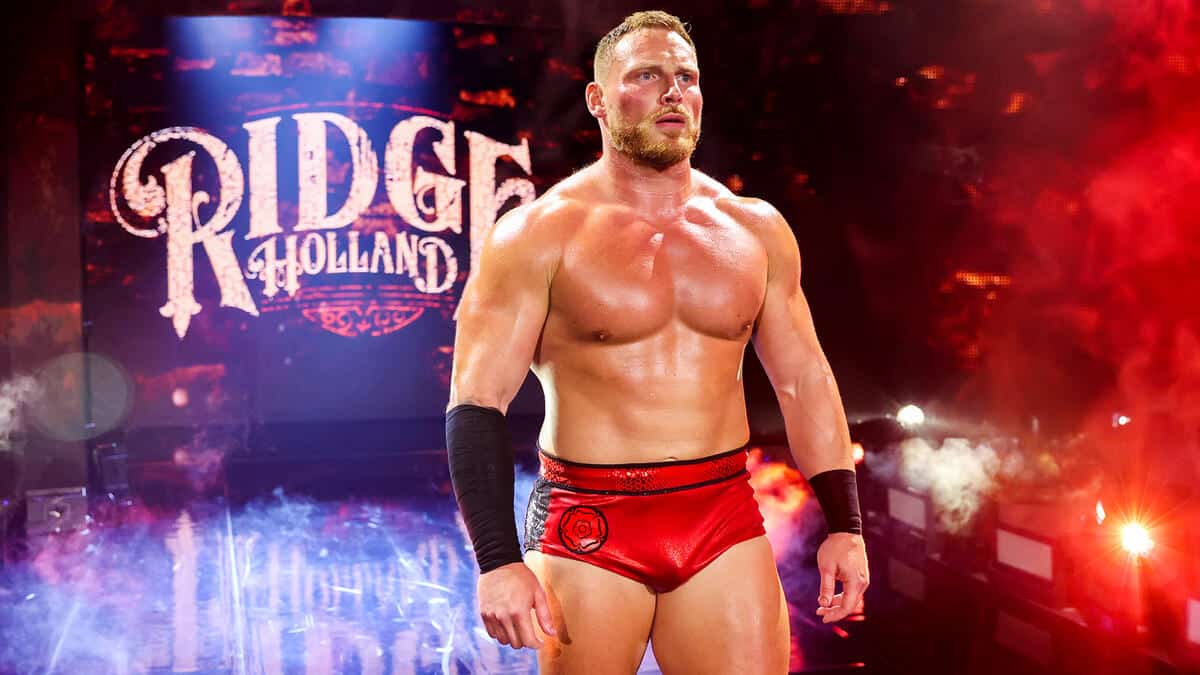
The Unraveling of a Kayfabe Exit
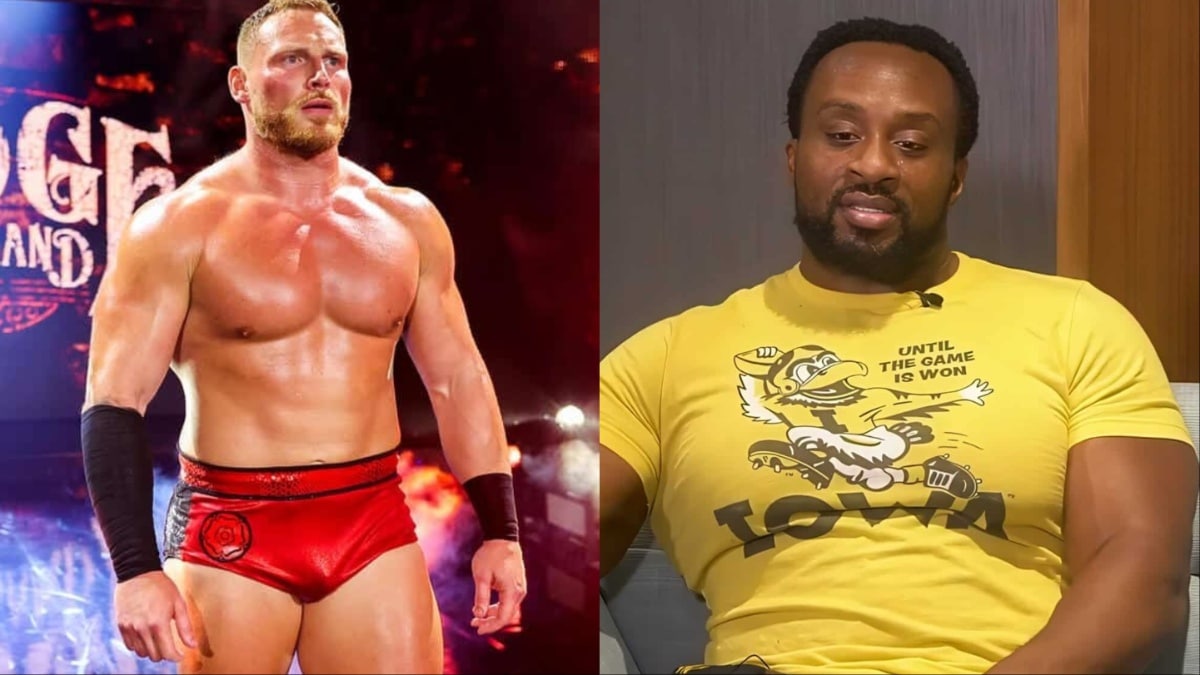
In professional wrestling, the line between story and reality is a currency. When a wrestler walks away for their own well-being, as Ridge Holland did on NXT television, the audience is asked to invest in a sensitive, human narrative. We are meant to believe it. Now, that investment feels cheapened.
A report from WrestlingNews.co alleges that Holland was effectively lied to by WWE management. The on-screen story was a man haunted by the injuries he’d caused, stepping away to protect himself and others. The reported reality? He was told he was being taken off television for a short period, only to see online reports, which he claims were true, that he was gone from the brand for good. If his claim is accurate, this isn't just poor communication; it's a strategic miscalculation that undermines creative and erodes trust with talent.
The entire NXT reboot for Holland now looks like a flawed experiment from the start, capped off by a cynical use of a mental health angle to write a character off. It’s a messy end to a chapter that was supposed to provide a clean slate.
A Problem of Definition
Holland’s second run in NXT was an attempt to solve a main roster problem. As the heavy in the Brawling Brutes alongside Sheamus and Butch, he was a functional part of a popular act. But he was never the focal point. He was the muscle, the third man, a walking embodiment of the phrase "likes to fight."
On a roster filled with world-class athletes, that isn't enough. What was the unique Holland selling proposition? WWE never defined it. His in-ring work is brutally effective, built on a foundation of power and legitimate rugby toughness. He has a devastating lariat. He can toss men around with ease. Yet, his offense lacked a truly iconic, crowd-igniting sequence. He was a collection of powerful moves, not a cohesive, must-see performer.
The return to NXT was meant to be a factory reset. To rebuild him from the ground up, away from the shadow of Sheamus and the unfortunate, career-altering injury to Big E. The objective was clear: make Ridge Holland a defined commodity. The execution was anything but.
They gave him the moniker "Northern Grit" and had him batter a series of opponents. But the character arc was flat. He was an angry, physical wrestler. We already knew that. The story failed to add new layers or provide a compelling 'why' for his actions. It was a lateral move, creatively speaking, that did little to increase his value.
The Strategic Failure of Wasted Assets
This brings us back to the central issue: the alleged deception. From a purely analytical standpoint, it represents a fundamental failure in asset management. WWE invested years and significant capital into training and developing Ridge Holland. He has the physical tools, the look, and a legitimate athletic background that the company historically covets.
To allow that asset to feel disenfranchised through poor communication is baffling. A motivated wrestler who feels the company has a clear plan for them is a powerful tool. They perform better, they are easier to write for, and they connect more deeply with the audience. A wrestler who feels misled becomes a problem to be managed, or worse, a sunk cost.
The story he was reportedly told—that this was a temporary pause—keeps him compliant and hopeful. But in the modern era, the truth always surfaces. Discovering your fate via online news reports is a demoralizing blow for anyone, let alone a performer who puts their body on the line. It creates what wrestlers call "a trust deficit." If a veteran like Holland can't get a straight answer, what message does that send down the line to the younger talent at the Performance Center?
It suggests a system where creative decisions are not only fluid but opaque. It suggests that even in this much-lauded new era of talent relations, the gears of the machine can be impersonal and grinding, and that a storyline about mental health could be used as a convenient, if disingenuous, exit ramp.
Prediction: The Free Agent Market Beckons
Where does Ridge Holland go from here? A public airing of a grievance like this, even a reported one, is often a sign that a bridge has been burned. It is difficult to see a path back to a meaningful role in WWE for him. The trust is likely gone on both sides. The most logical conclusion is his eventual departure from the company.
As a free agent, Holland's value proposition becomes much clearer. Imagine him in TNA, a promotion that excels at highlighting powerful, no-nonsense heavyweights. A feud with Moose or Josh Alexander writes itself. His hard-hitting, grounded style would be a welcome addition to their main event scene. He could instantly be the monster he was never quite allowed to be in WWE.
One could also see him thriving on the UK independent scene, returning to his roots as a top-line attraction. A run in Japan is not out of the question either, where his brand of smash-mouth wrestling would be deeply respected.
The Ridge Holland story in WWE appears to be over. It will be remembered as one of missed opportunities. He was a puzzle WWE never quite figured out how to solve, a collection of strengths they failed to assemble into a superstar. The final chapter, stained by claims of dishonesty, serves as a cautionary tale. Potential is worthless without a plan, and a plan is worthless without the trust of the talent tasked with executing it.